Addressing the Challenges of School Safety in Diverse Communities
15 October 2026
In today’s ever-changing social landscape, school safety isn't just about metal detectors or locked doors—it's about culture, trust, and understanding. When we talk about diverse communities, we're not only referring to race or ethnicity. We're talking about different languages, religions, socioeconomic levels, beliefs, abilities, and family dynamics. So here's the big question: How do we create a safe learning environment that works for everyone?
Spoiler alert: There's no one-size-fits-all solution. But by acknowledging the complexities and working together, we can make school safety real, not just a buzzword.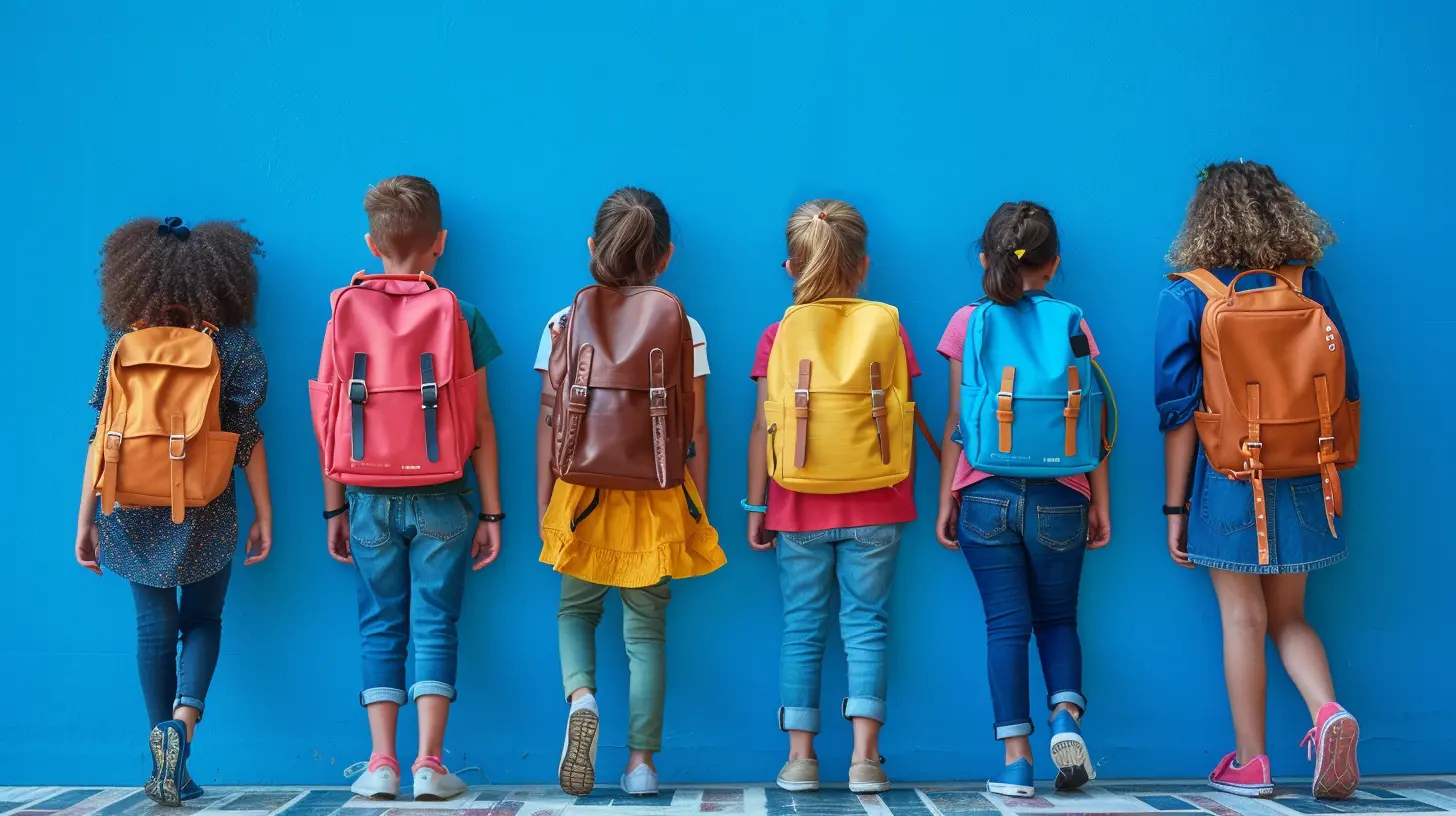
Why School Safety Looks Different in Diverse Communities
Alright, let's break this down. Diversity brings richness to any community, but it also means there are more layers to consider when it comes to safety. For instance, discipline policies may affect minority students differently. A communication plan that works in one neighborhood might totally flop in another due to language or cultural differences.It’s kind of like cooking a meal for a group of friends with different dietary needs. You wouldn’t serve peanut butter to someone with a nut allergy, right? In the same way, safety protocols that ignore the specific needs of a community rarely work, and sometimes, they cause more harm than good.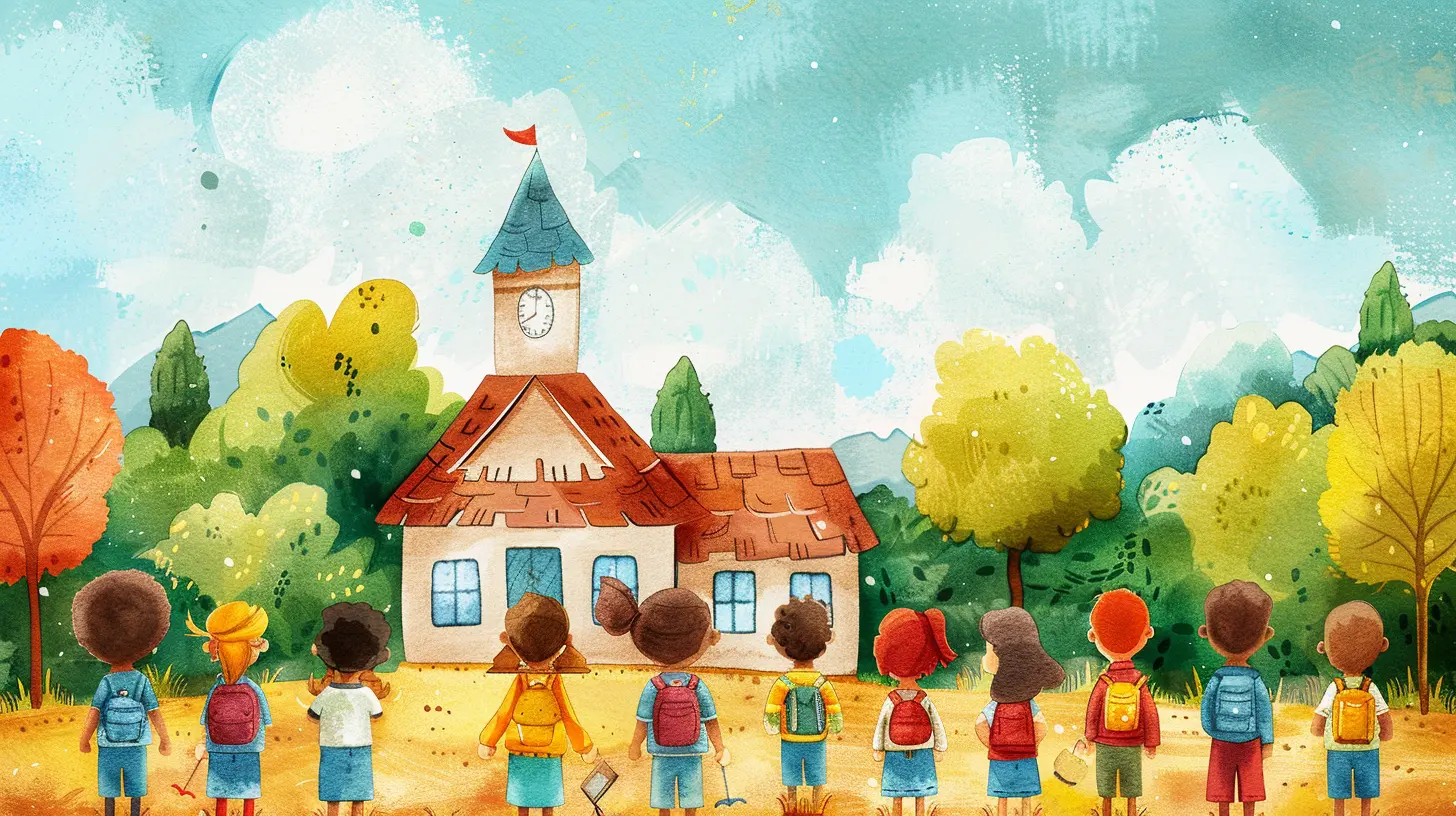
The Key Challenges Schools Face Today
1. Cultural Misunderstandings
Culture is often the elephant in the room. A student from a refugee family may not feel comfortable reporting bullying because, in their culture, authorities are not always helpful. Or, a teacher might misinterpret a student’s behavior because they don’t understand certain cultural norms.This gap in understanding creates distrust. And without trust, safety crumbles.
2. Language Barriers
Ever try to follow instructions in a language you don’t speak? Confusing, right? Now imagine getting emergency updates or education about safety drills in English when your home language is Spanish, Mandarin, or Arabic.When families don’t fully understand school communications, they can’t support safety initiatives. This disconnect creates an avoidable risk.
3. Inequitable Resource Allocation
Let’s get real—schools in wealthier areas usually have better funding. More counselors, more security, and more staff to support mental health. Meanwhile, schools in underfunded communities are left juggling priorities with skeleton crews.And who suffers? The students. Especially those already at a disadvantage.
4. Over-Policing vs. Under-Protecting
In some schools, especially those with higher minority populations, there’s a heavy police presence. This might seem like a good idea, but it sometimes leads to criminalization of minor infractions. Think: suspensions for talking back or arrests for school fights.Then there are schools without any real safety measures—no resource officers, no counselors, not even working cameras.
How can we find a balance between protection and punishment?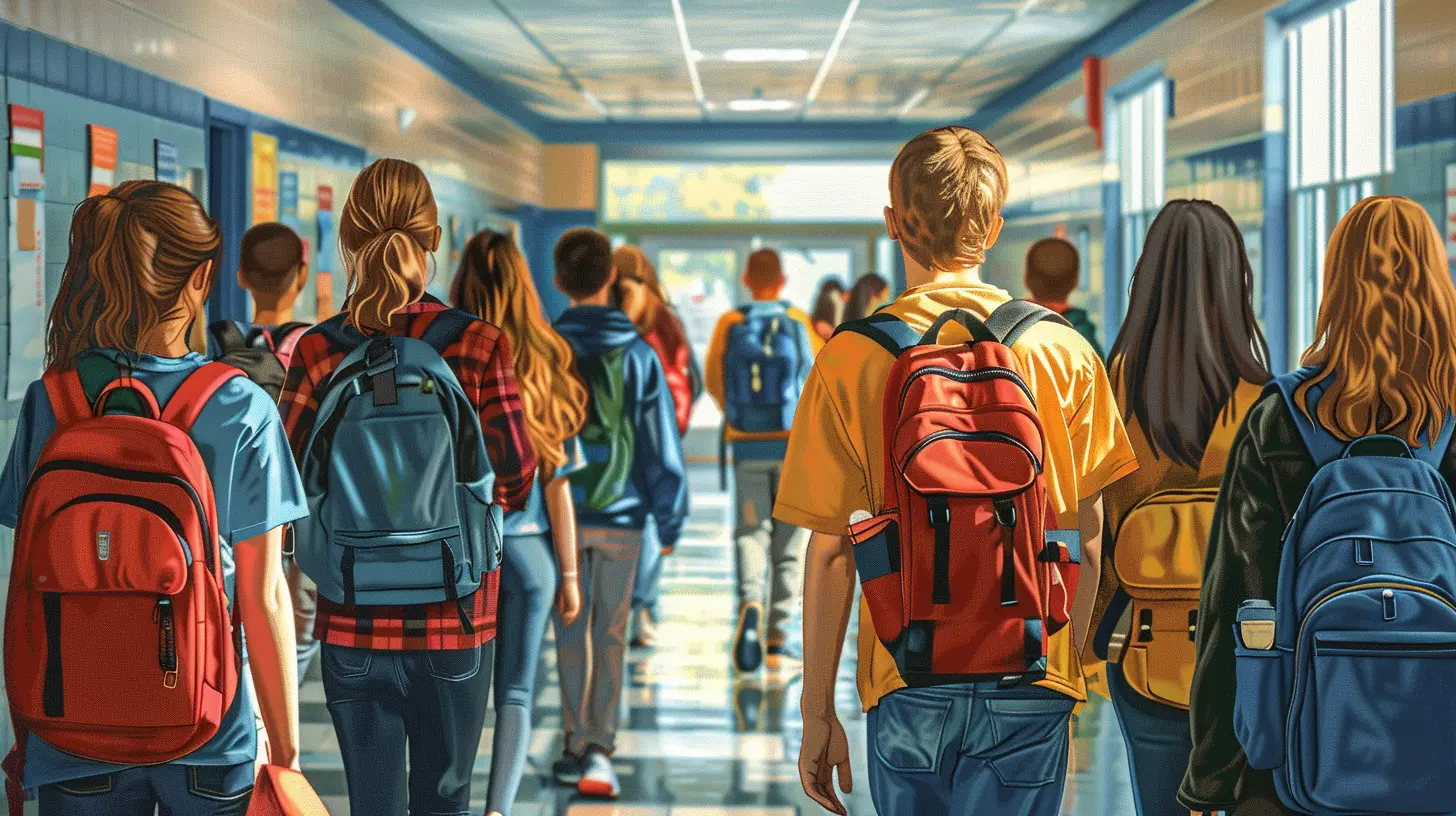
The Role of Mental Health in School Safety
Let’s not overlook this massive piece of the puzzle. Mental health is directly tied to feelings of safety and well-being. A student struggling with anxiety, trauma, or depression won’t feel secure, no matter how many buzzers or security guards are in place.Mental health support is like the foundation of a house—if it's weak, the whole structure’s in danger.
But here’s the problem: in some communities, mental health is a taboo topic. Families may not talk about it due to stigma, religious views, or lack of access to care.
So what can schools do?
- Normalize mental health conversations
- Offer culturally competent counseling
- Train teachers to recognize signs of distress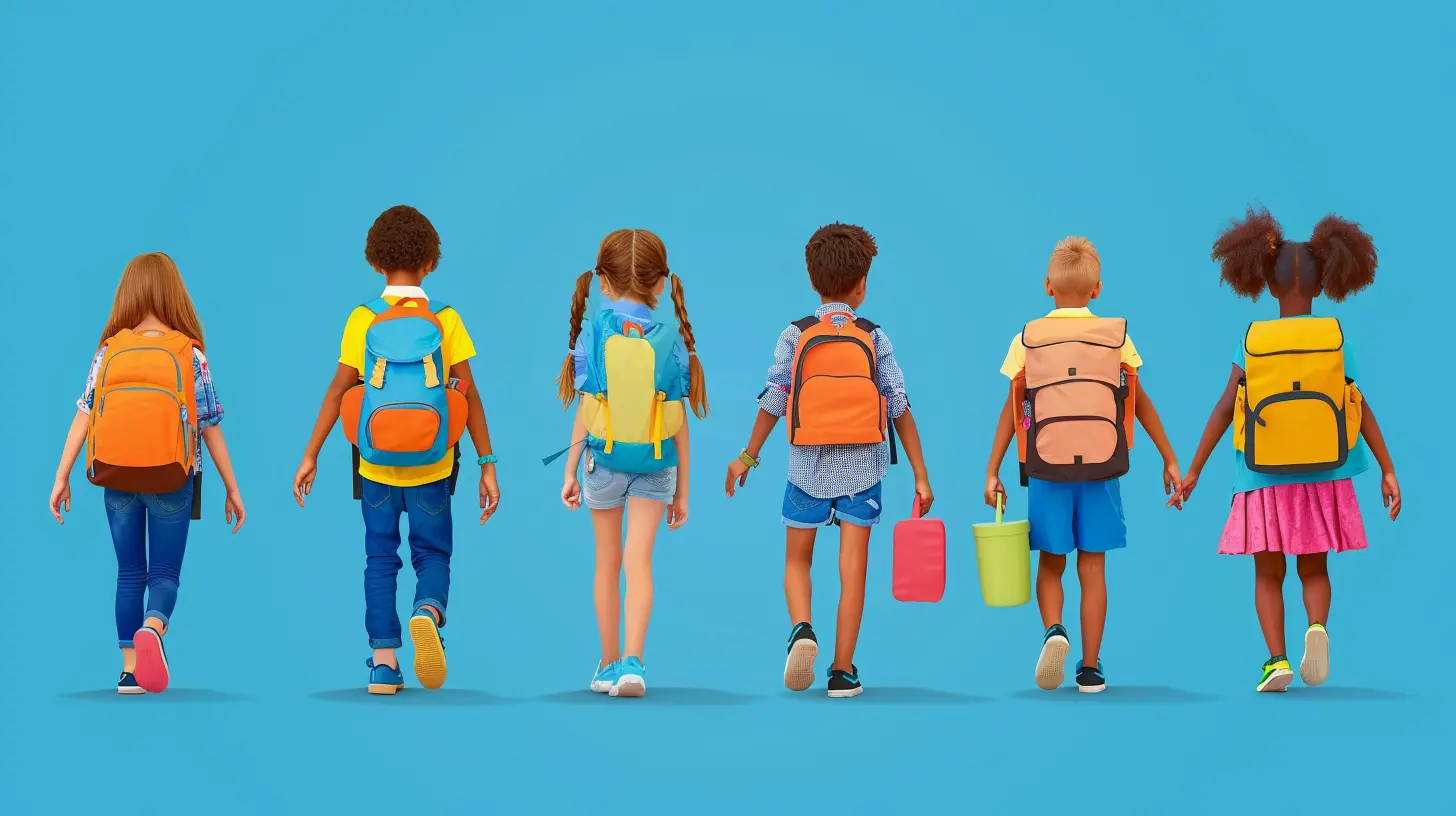
Inclusive Safety Plans: Not Just a Checklist
Creating a safety plan is not just about ticking boxes. It has to be thoughtful. It has to be inclusive. And most importantly, it has to listen.Community Involvement Is Key
You want to understand what scares students? Ask them. Want to know what parents need during emergencies? Ask them.Sounds simple, but schools often skip this step. Involving community voices in safety planning results in solutions that actually fit the community.
Multilingual Communication Strategies
Safety messages need to speak everyone’s language—literally. Whether it's through translated notices, bilingual staff, or video messages in multiple languages, schools must meet families where they are.Because what good is a lockdown drill if half the parents don’t know what to do?
Trauma-Informed Approaches
Every community has its own trauma—past violence, immigration experiences, poverty, racism. When schools use trauma-informed practices, they approach students with empathy, not judgment.This means:
- No "zero-tolerance" policies
- More restorative justice
- Patience over punishment
The Role of Teachers and Staff
Let’s give credit where it’s due—teachers are on the frontlines of school safety. They’re the first to notice when a student withdraws or lashes out. But are we giving them the tools they need?Professional Development That Matters
Forget boring seminars. Schools need workshops that actually tackle how to handle conflict, talk about race, and de-escalate tension. Culturally responsive teaching is not just a feel-good phrase—it’s essential.Think of it as equipping teachers with a toolbox, not just a rulebook.
Representation in Staff Roles
Representation matters. Students feel safer when they see themselves reflected in the adults around them. Schools with diverse staff tend to have better relationships with families and students.It’s like coming home to a familiar face—it changes everything.
Technology and School Safety: Friend or Foe?
Ah yes, technology—a double-edged sword. On one side, we have surveillance cameras, anonymous tip apps, and emergency communication platforms. On the other? Privacy concerns, lack of access, and the risk of over-monitoring.Balancing Security and Privacy
Technology can be great, but we have to be careful. Constant surveillance can make students feel like inmates, not learners. Instead of creating comfort, it can breed paranoia.The goal should be safety, not control.
Digital Literacy Matters
With cyberbullying and online threats on the rise, digital literacy is part of school safety. Students need to know how to navigate social media responsibly and report harmful content.And parents? They need in on the conversation too.
Case Studies: When Diverse Communities Get It Right
Example 1: Seattle Public Schools
Seattle schools invested in bilingual community liaisons to improve communication with immigrant families. The result? Increased trust, better attendance, and more engagement in safety drills.Example 2: San Antonio Independent School District
SAISD implemented culturally responsive training for teachers and staff and blended mental health support into classroom life. Suspensions dropped, and students reported feeling safer and more supported.Example 3: Boston Latin Academy
This school introduced peer-led conflict resolution and restorative justice circles. Instead of punishing students, they empowered them to solve problems together.Now that’s what we call community-driven safety.
The Way Forward: Building a Culture of Safety
So, where do we go from here? Real school safety means building a culture, not just installing equipment. It starts with relationships, grows with understanding, and thrives on mutual respect.Imagine a school where every student feels seen, every parent feels heard, and every teacher feels supported. That’s the gold standard.
And while we’re not there yet, every step counts.
Practical Steps for Schools and Stakeholders
Let’s wrap this up with some actionable moves:- ✅ Host multilingual family safety nights
- ✅ Train staff on cultural responsiveness and trauma-informed practices
- ✅ Hire counselors and social workers who reflect the community
- ✅ Involve students in safety discussions and solutions
- ✅ Review discipline policies for bias
- ✅ Use tech thoughtfully—with transparency
Final Thoughts
Addressing the challenges of school safety in diverse communities isn’t easy—but it’s possible. It takes a mix of compassion, communication, and consciousness. It’s about meeting people where they are, not where we think they should be.Because when students feel safe, they don’t just survive—they thrive.
Let’s make that the goal.
all images in this post were generated using AI tools
Category:
School SafetyAuthor:

Bethany Hudson