Balancing Security and Freedom: Privacy Issues in School Safety
2 January 2026
School safety is a hot-button topic. With growing concerns over security threats, schools are ramping up efforts to protect students and staff. But in the quest for safety, another issue emerges—privacy. How much surveillance is too much? Where do we draw the line between security and personal freedoms? Let’s dive into the complex relationship between school safety and student privacy. 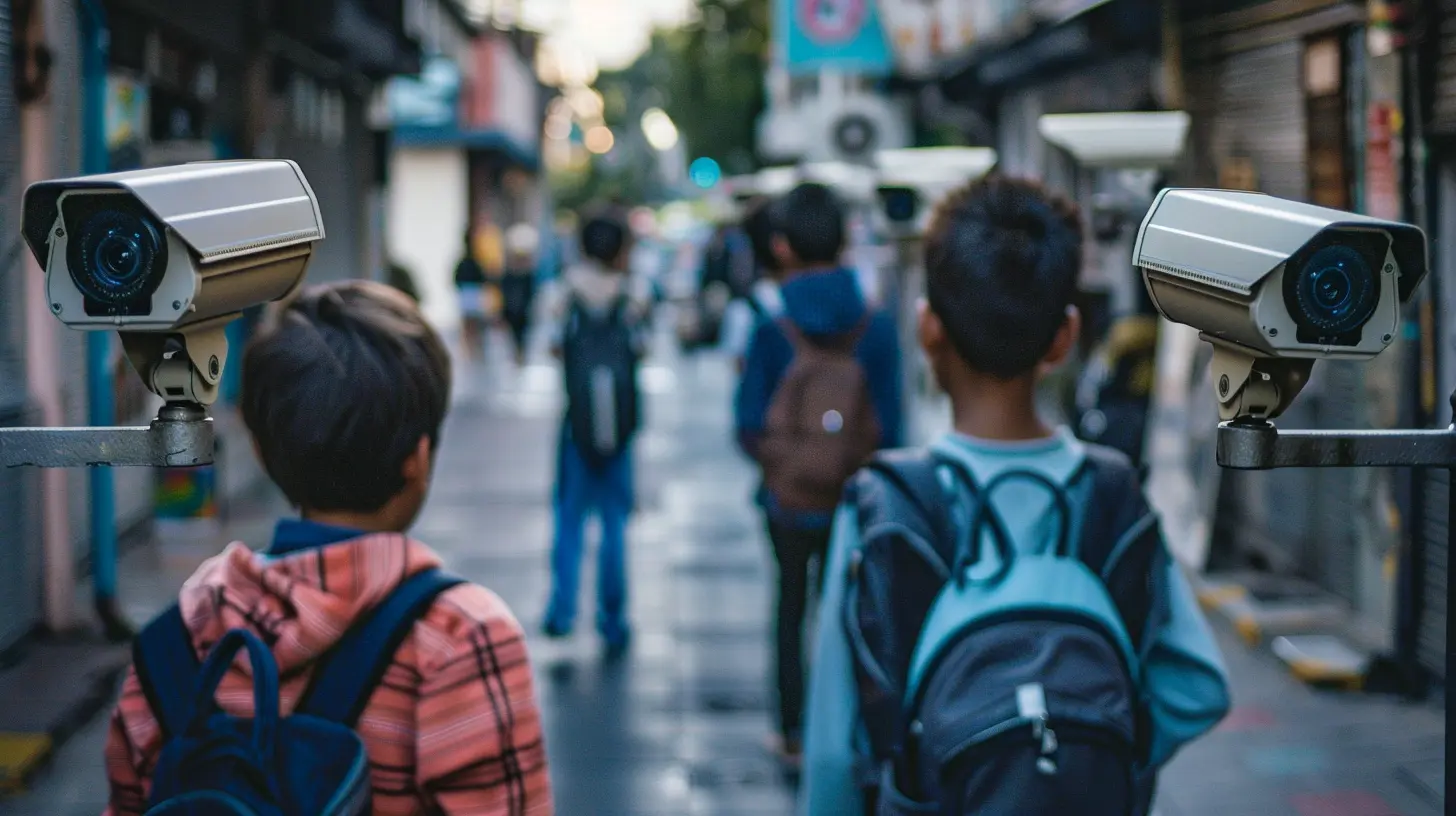
The Growing Concern for School Safety
In recent years, schools have become more vigilant about security threats. From physical measures like metal detectors and security guards to digital monitoring tools, educational institutions are doing everything they can to maintain a safe environment.With incidents of school violence and cyberbullying on the rise, it's easy to understand why school administrators feel the need to take action. Parents want reassurance that their children are safe, and teachers want to focus on education rather than potential dangers. But at what cost? 
Privacy vs. Safety: A Delicate Balance
While security measures are necessary, they often come with privacy concerns. Surveillance cameras, online monitoring, and even facial recognition software are increasingly being used in schools. These tools help detect threats, but they also raise ethical questions:- Should students be watched at all times?
- Who has access to their personal data?
- How much personal information is too much?
Maintaining security without invading students' rights is a balancing act. Schools must ensure safety without turning educational institutions into Orwellian surveillance states. 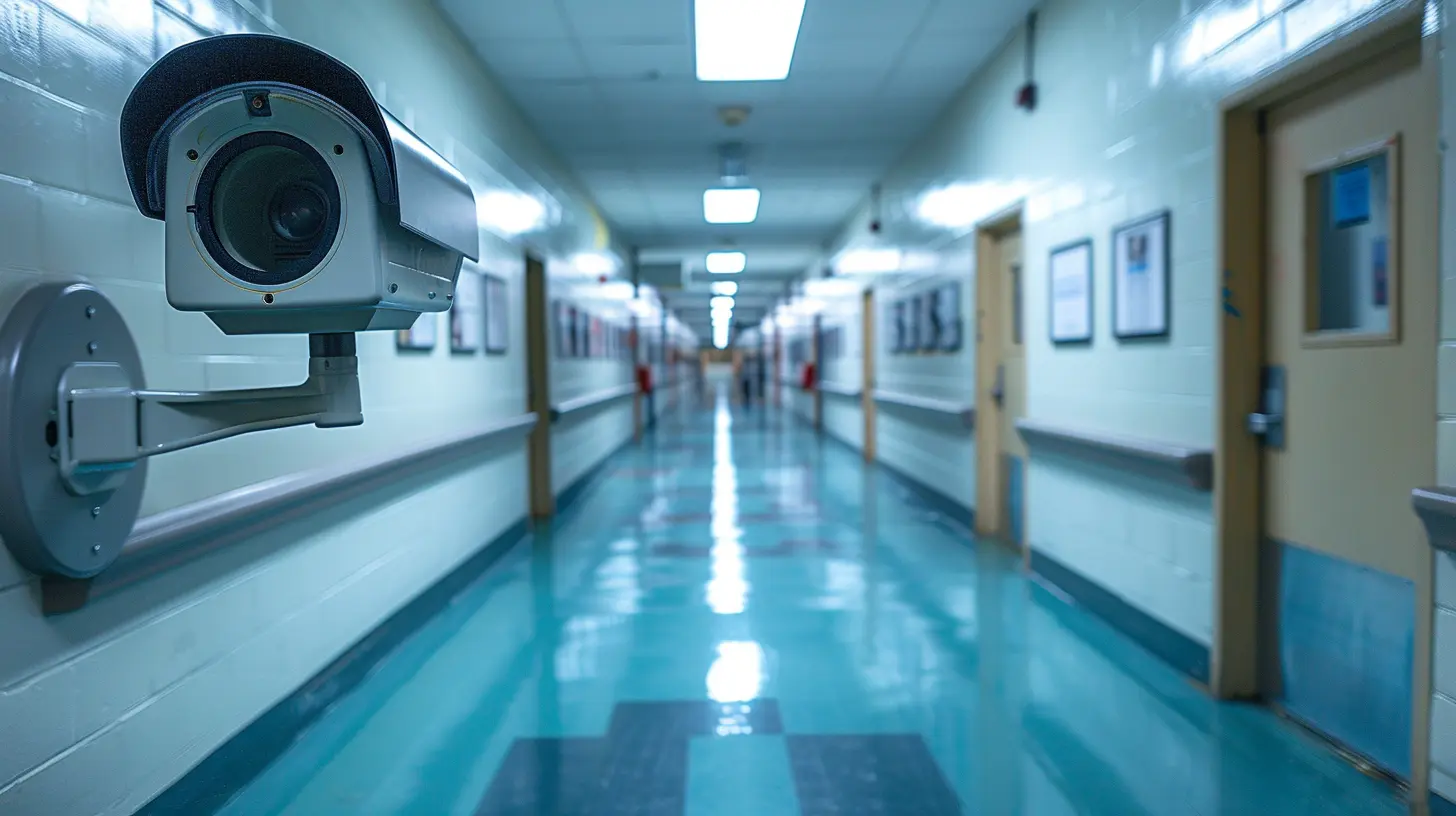
Surveillance in Schools: How Far is Too Far?
There was a time when school security meant a teacher standing near the doorway or a principal walking the halls. Today, technology has taken center stage.1. Security Cameras Everywhere
Cameras are in hallways, classrooms, and even bathrooms in some schools. While they help prevent violence and misconduct, they also make students feel like they're constantly being watched. Is this fostering a healthy learning environment?2. Digital Monitoring and Social Media Scraping
Schools are using AI-driven tools to track students' online behavior. Emails, chats, and even social media posts are being scanned for potential threats. While this can help prevent cyberbullying and self-harm, it also means students have little to no online privacy.3. Facial Recognition and Biometric Data
Some schools are implementing facial recognition software to identify individuals on campus. While this can enhance security, it also puts students’ biometric data at risk. If this data falls into the wrong hands, the consequences could be severe.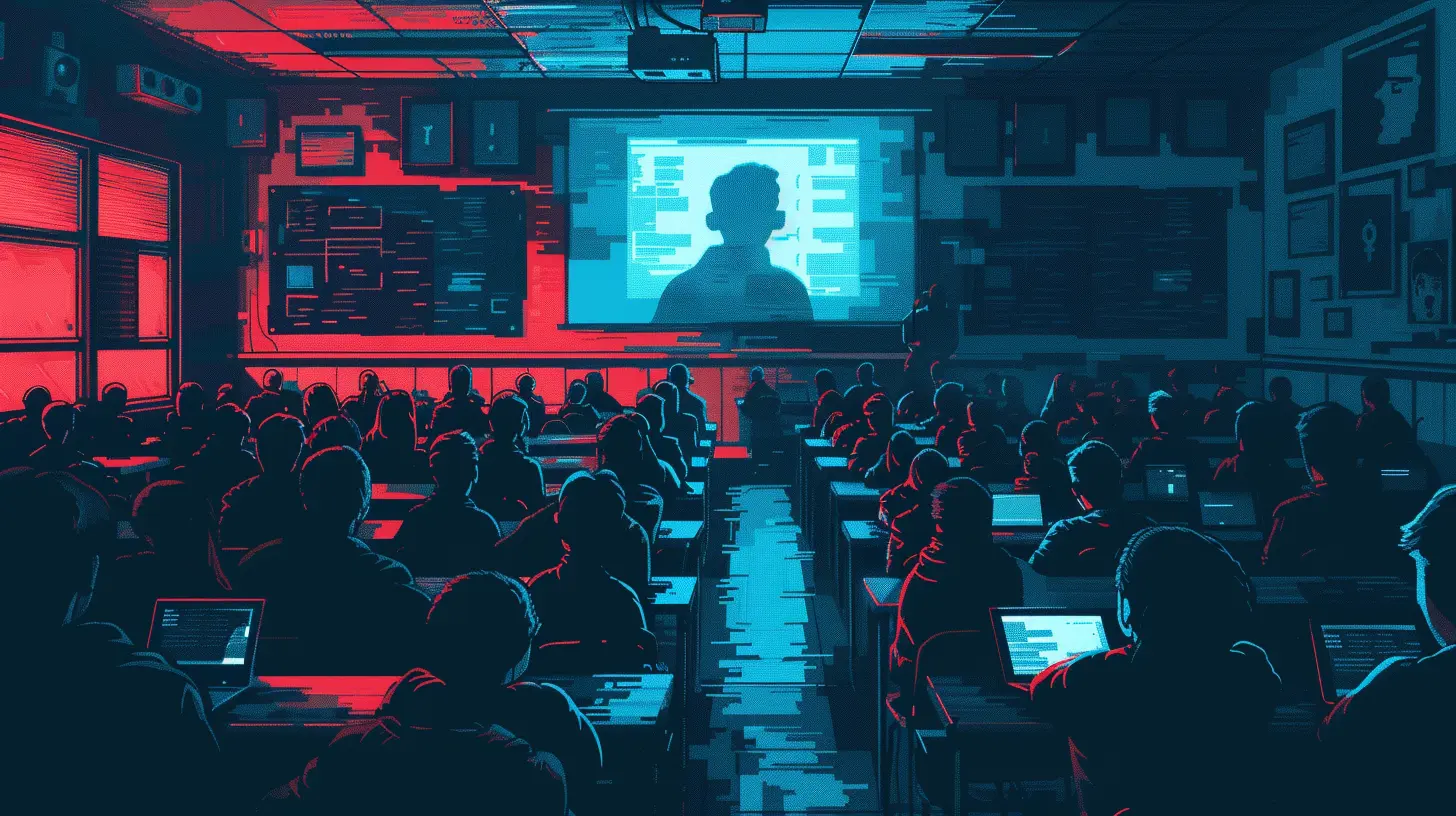
The Psychological Impact of Constant Surveillance
Imagine walking into school every day knowing you're being watched, your messages are being scanned, and your every move is recorded. Would you feel safe, or would you feel trapped?Excessive surveillance can:
- Create anxiety and stress
- Reduce trust between students and school staff
- Make students feel criminalized rather than protected
Instead of fostering a nurturing learning environment, too much surveillance can feel like a digital prison. Education thrives on trust, and hyper-monitoring can erode that foundation.
Legal and Ethical Concerns
While schools have a duty to protect students, they must also respect their rights. There are laws in place to safeguard student privacy, but these don't always keep up with modern technology.1. FERPA and Student Records
The Family Educational Rights and Privacy Act (FERPA) protects student records, but how does it apply to digital surveillance? Schools collecting and storing personal data must ensure it doesn't end up in the wrong hands.2. Fourth Amendment Rights
The Fourth Amendment protects individuals from unreasonable searches and seizures. Does constant school monitoring violate this right? Courts are still debating how much surveillance is "reasonable" when it comes to students.3. Data Security Concerns
With schools gathering massive amounts of digital data, cybersecurity is a major issue. If a school's database is hacked, student information—including their biometric data—could be at risk.Finding the Middle Ground
So, how do we ensure schools are safe without compromising privacy? Here are some possible solutions:1. Transparency and Communication
Schools need to be upfront about their security policies. Parents, students, and teachers should know:- What data is being collected
- How it’s being used
- Who has access to it
Transparency builds trust and prevents unnecessary concerns.
2. Limiting Data Collection
Not all security measures require extensive data collection. Schools should focus on necessary precautions rather than gathering every possible detail about students’ lives.3. Implementing Stronger Data Protection Policies
If schools are collecting data, they need to ensure it's secure. Proper encryption, limited access, and regular audits can prevent leaks and misuse.4. Focusing on Human-Led Safety Measures
Technology should support—not replace—human oversight. Encouraging open communication between students and staff, fostering a strong school community, and providing mental health support can be just as effective as digital surveillance.Final Thoughts
The conversation around school safety and privacy is far from over. While security is crucial, we can’t ignore the importance of personal freedoms. Schools must strike a balance—protecting students without making them feel like they're constantly being watched.Ultimately, education should be about learning, growth, and trust—not fear and constant surveillance. By finding the right mix of security measures and personal privacy, we can create a safe and supportive learning environment for everyone.
all images in this post were generated using AI tools
Category:
School SafetyAuthor:

Bethany Hudson
Discussion
rate this article
2 comments
Pia McNeely
Ah, the classic school dilemma: keep kids safe from strangers while avoiding Big Brother surveillance. Can we just stick to school lunches as the real mystery?
January 29, 2026 at 11:29 AM
Bethany Hudson
You're right—it's a delicate balance! While security is vital, maintaining privacy is equally important. Let's hope we can find solutions that address both concerns without compromising our values. And yes, school lunches remain an intriguing mystery!
Selina Hayes
Great article! You've highlighted the crucial balance between ensuring student safety and protecting privacy. It's essential for schools to navigate these issues thoughtfully, fostering a secure environment while respecting individual rights. Thank you for shedding light on this important topic!
January 5, 2026 at 8:14 PM
Bethany Hudson
Thank you for your kind words! I appreciate your acknowledgment of this important balance in school safety.