Best Practices for Encouraging Collaborative Learning in Large Classrooms
11 July 2026
Picture this: A sea of students, all seated in rigid rows, eyes glazed over, waiting for the class to end. Now imagine the same classroom buzzing like a beehive—conversations flying, ideas bouncing off walls, students sparking inspiration in one another. That’s the magic of collaborative learning.
But let’s be real. Achieving that level of engagement in a large classroom? It ain’t easy. When you’ve got 50, 100, or even 300 students staring back at you, turning that crowd into an active, cooperative learning community feels like trying to herd cats.
Still, it’s not impossible. In fact, with the right mix of creativity, planning, and some good old-fashioned human connection, you can transform even the largest classroom into a collaborative wonderland.
In this guide, I’ll walk you through the best practices for encouraging collaborative learning in large classrooms. No fluff—just practical, people-first strategies that make a real difference.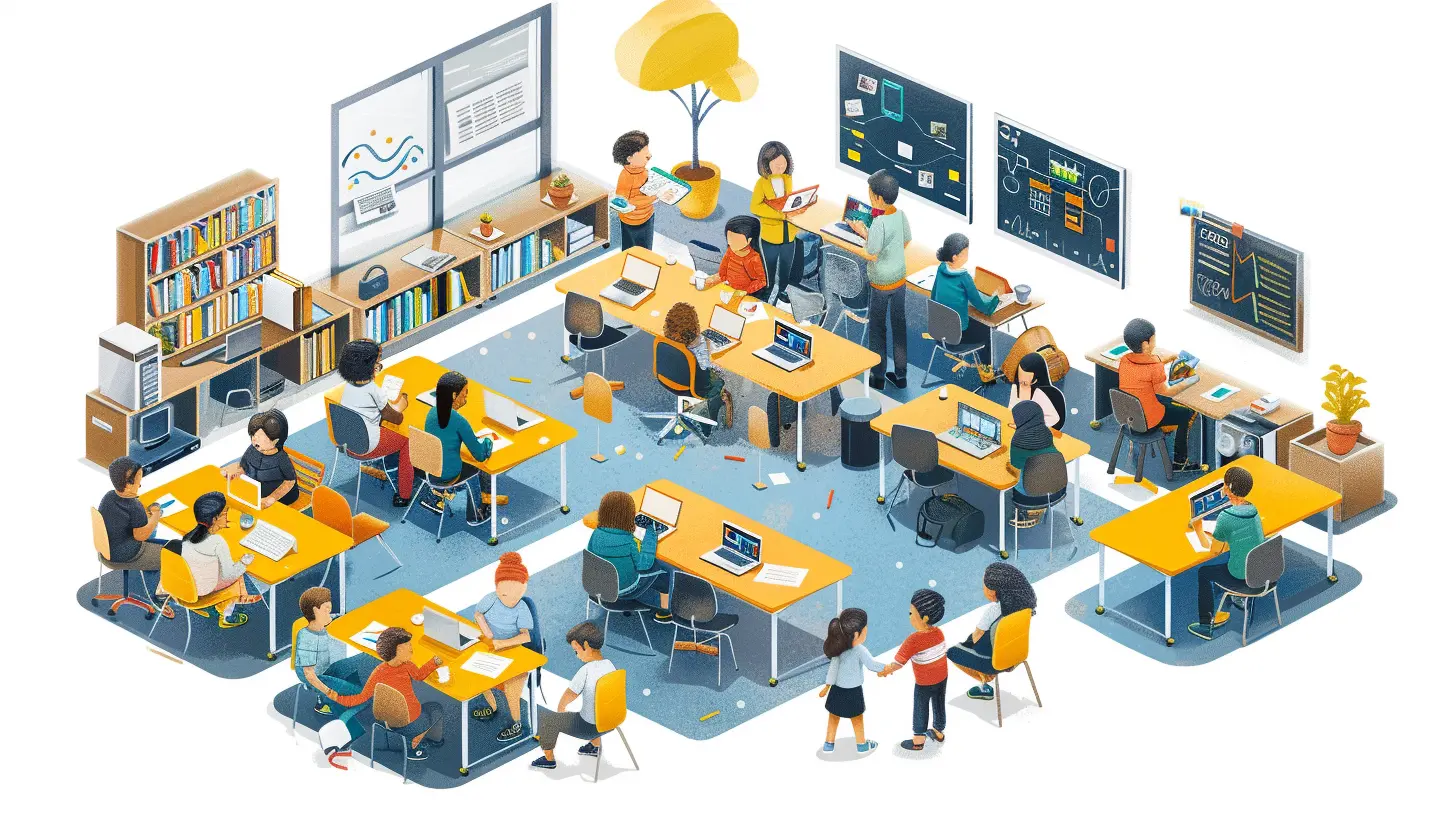
? Why Collaborative Learning Matters (Even More in Large Classrooms)
Before we jump into the how-to, let’s talk about the why.Collaborative learning isn’t just a feel-good concept—it’s backed by research. When students work together, they retain information better, build critical thinking skills, and gain confidence. And in big classrooms, it helps bridge the anonymity gap, turning numbers into names and classmates into co-creators.
But that’s not all. Collaboration builds community, which combats disengagement. It encourages diverse thinking, which fosters innovation. And—this one's big—it shifts the focus from passive absorption to active participation.
So yeah, collaborative learning? It’s not just a strategy. It’s a lifeline.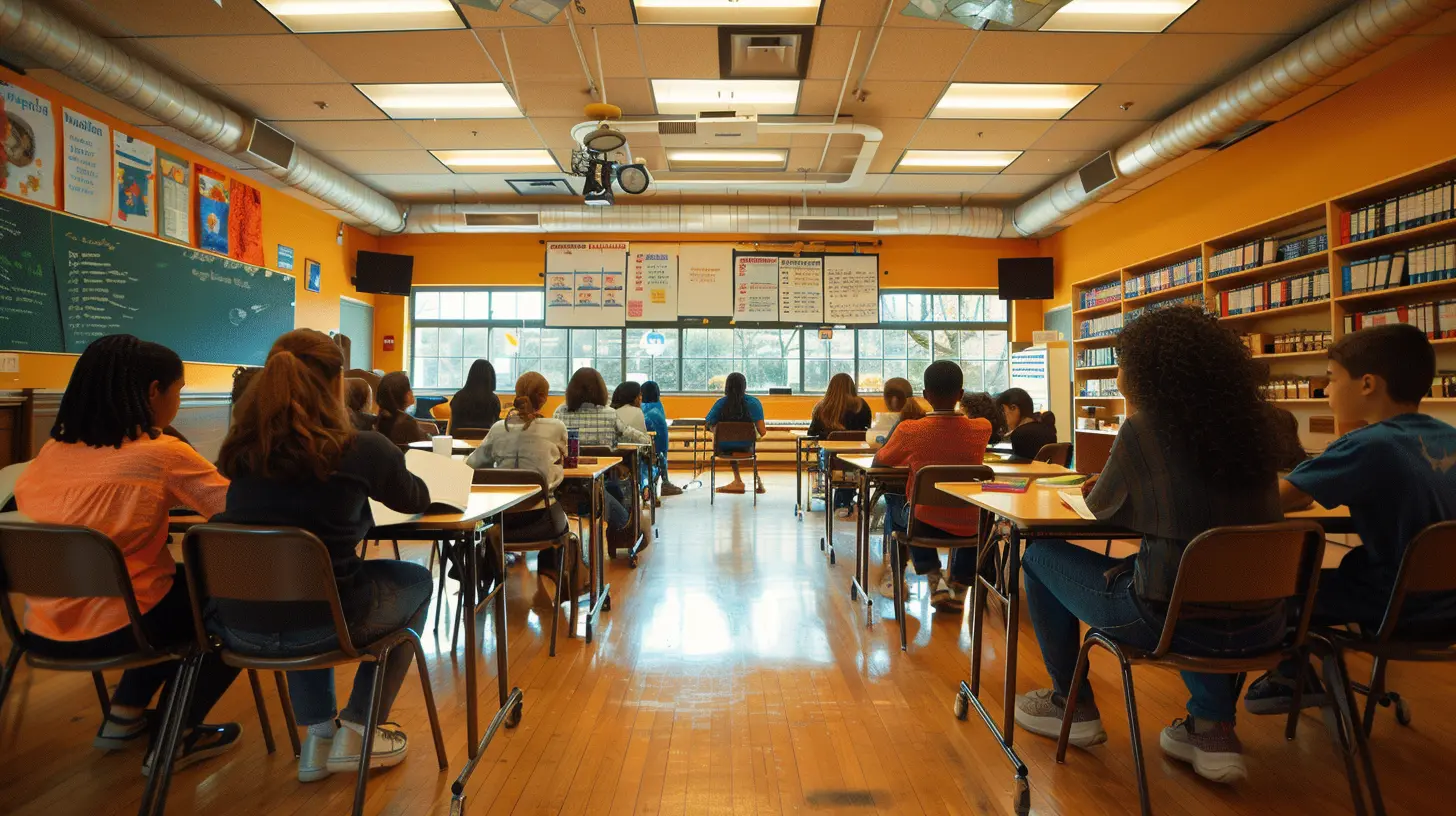
? Principle #1: Design with Collaboration in Mind
Let’s start at square one: course design. If you want collaboration to flourish, you’ve got to build it into the DNA of your class.? Break the Lecture Loop
Long lectures are like lullabies—students start to snooze. Mix things up by breaking your lecture into short, digestible chunks, and sprinkle in collaborative activities every 15–20 minutes.Quick group discussions, peer-to-peer explanations, or even short debates can do wonders. Think of it like adding spice to a bland dish—suddenly, it’s bursting with flavor.
? Set Clear Collaborative Goals
Don’t just say, “Work together.” Give students specific outcomes to achieve. Whether it’s solving a problem, presenting a viewpoint, or creating a concept map, purpose-driven collaboration keeps them focused and invested.
? Principle #2: Use Structure to Support Freedom
Okay, this one might sound like a paradox—but trust me, it works. In large classrooms, unstructured collaboration often leads to chaos or, worse, silence. What students need is a clear framework that still gives them space to explore.✋ Assign Roles Within Groups
When students know their role—like facilitator, note taker, timekeeper, or presenter—they’re more likely to contribute. Roles also break up social hierarchies and prevent one person from taking over everything.It works like a band: everyone plays their part, and together, they make music.
⏱️ Timebox Activities
Ever been in a meeting that drags on forever because no one knows when it ends? Same vibe in classrooms. Give specific time limits for tasks. For example: “You’ve got five minutes to come up with three solutions—go!”It creates urgency, focus, and energy.
?️ Principle #3: Tech Is Your Friend (Use It Wisely)
Technology can feel like both a blessing and a curse in large classrooms. But when used intentionally, it opens up tons of possibilities for collaboration.? Use Real-Time Polling & Quizzes
Tools like Mentimeter, Kahoot!, or Poll Everywhere turn passive observers into active participants. Ask a question and let students respond via their phones. Then, have them discuss their answers in small groups before revealing the results.You get engagement, accountability, and peer discussion—all in one go.
? Leverage Online Discussion Boards
Sometimes, students are more comfortable typing than talking. Using platforms like Padlet, Google Jamboard, or your LMS discussion boards allows quiet voices to speak up. Plus, these tools extend collaboration beyond class time.✅ Principle #4: Make Group Work Worth It
We all remember that one group project where one person did all the work. Ugh. Don’t let that happen in your class.? Grade for Collaboration
If collaboration is part of the assessment, students will take it seriously. Use peer assessments, self-reflections, and team evaluations to make group work fair and impactful.Trust me, students are far more likely to pull their weight when it affects their grade.
? Scaffold Group Skills
Not all students come in knowing how to work in a team. Teach them! Start with low-stakes activities, demonstrate how to give constructive feedback, and talk about good communication practices. Build their collaboration muscles over time.? Principle #5: Embrace Diversity and Inclusion
A big class is a big opportunity—a chance to bring together diverse voices and experiences.? Mix Up the Groups Often
Let students work with different classmates throughout the term. It prevents cliques and promotes fresh perspectives. It also simulates real-world collaboration, where you don’t always pick your team.? Create Safe Spaces for Dialogue
Collaboration only works when students feel safe to speak their minds. Encourage respectful disagreement, set ground rules, and model inclusive language yourself. Be the guide who shows students how to listen, not just wait to talk.? Principle #6: Reflect, Adjust, Repeat
Even with the best-laid plans, not every class is going to be a home run. That’s okay. Teaching is a living, breathing process—especially when it involves humans.? Ask for Feedback Regularly
A quick exit ticket can tell you what’s working and what’s not. Questions like “What part of today’s group activity was most helpful?” or “What would you change next time?” can provide valuable insights.? Be Willing to Pivot
If you try a strategy that flops? Shake it off. Adjust. Try something new next time. Students notice and appreciate when you care enough to make things better. That’s real collaboration—between teacher and learners.? Bonus Tip: Celebrate Collaborative Wins
When a group nails a presentation, solves a tough problem, or just supports each other well—celebrate it! Shout-outs, bonus points, or simply acknowledging great teamwork in front of the class can go a long way.Think of it like watering a plant. Recognition helps collaboration grow.
? Final Thoughts: Collaboration Is Culture
At the end of the day, encouraging collaborative learning in large classrooms isn’t just about techniques—it’s about mindset. It’s about building a culture of connection, curiosity, and courage.It takes time. It takes patience. But when it clicks? Oh man, it’s electric.
So next time you step into a classroom filled to the brim with students, don’t despair. See it for what it is: a community waiting to be formed, voices waiting to be heard, and minds ready to grow—together.
Now, go spark some collaboration. You’ve got this.
all images in this post were generated using AI tools
Category:
Collaborative LearningAuthor:

Bethany Hudson
Discussion
rate this article
1 comments
Riven Hahn
Great tips for fostering teamwork!
July 15, 2026 at 2:30 AM