Blended Learning: A Path to Lifelong Learning
23 February 2026
Have you ever wondered what the future of education really looks like? Gone are the days of sitting in a classroom for hours, furiously scribbling notes while trying to stay awake. Welcome to the era of blended learning—a dynamic, flexible, and engaging approach that bridges the gap between traditional schooling and digital technology.
Whether you're a student, teacher, or just someone passionate about personal growth, blended learning opens up a whole new way of thinking about how we learn—and more importantly, how we keep on learning throughout life.
What Is Blended Learning, Anyway?
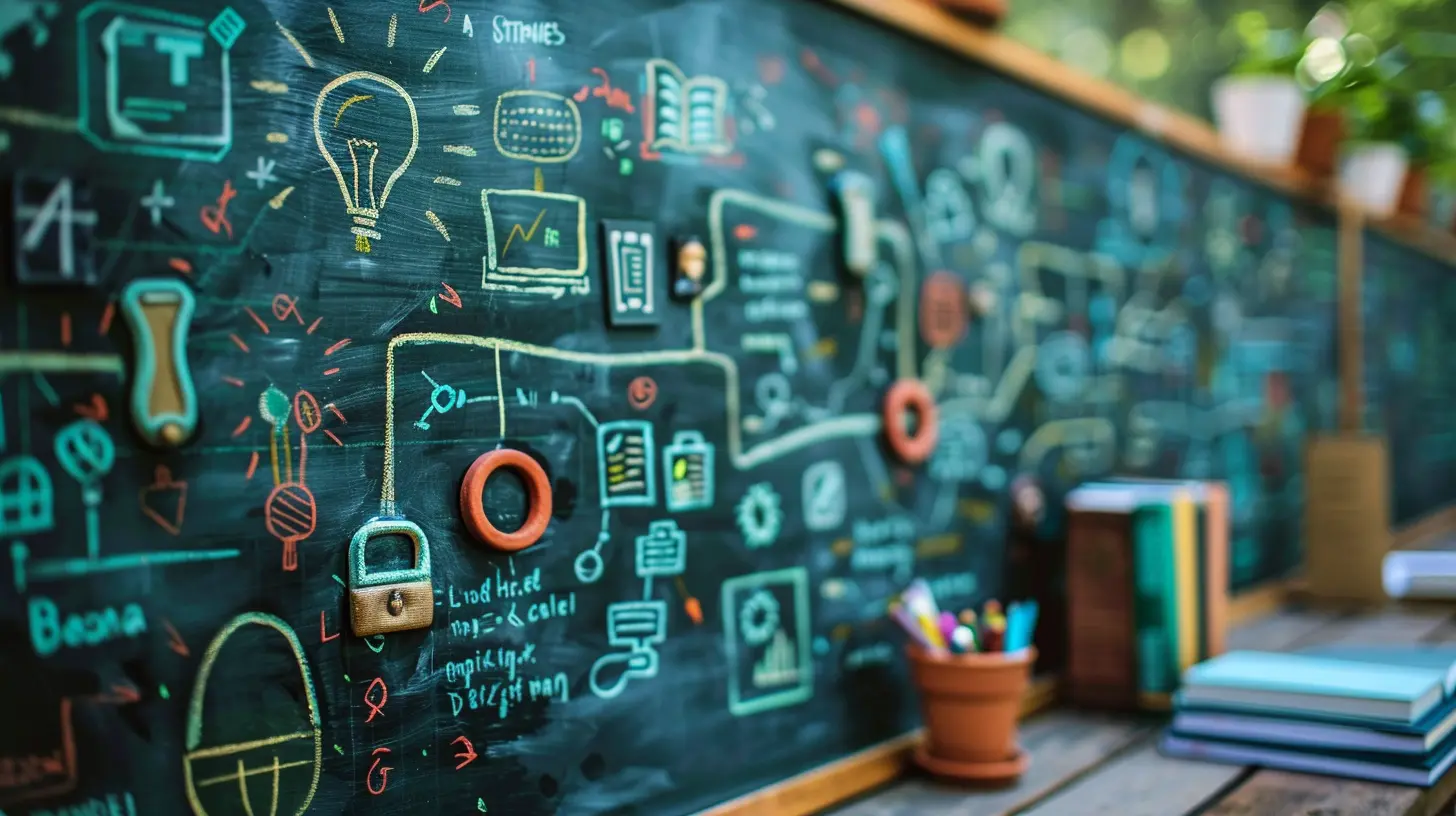
Let’s break it down. Blended learning mixes face-to-face instruction with digital learning experiences. Imagine combining the best of both worlds—like having your favorite coffee with just the right balance of cream and sugar. It's about using online tools to complement in-person education, not replace it.Think of it like Netflix and a movie theater. Sometimes you want the immersive big-screen experience, and other times, you're happy watching in your pajamas. Blended learning gives you that choice—flexibility with structure, freedom with support.
Why Does Blended Learning Matter?
In a world that’s rapidly evolving, staying updated is no longer optional. New skills, new tools, new careers—everything is changing faster than ever. Traditional education often can’t keep up. That’s where blended learning shines. It’s built for flexibility and adaptability, making it a perfect companion on your lifelong learning journey.Blended learning isn’t just about convenience—it’s about empowerment. It gives learners control over pace, place, and path. You're no longer stuck learning at the speed of the slowest person in the room. You set your pace. You take charge.
The Core Benefits of Blended Learning
So what makes blended learning such a game-changer? Let's dive into its biggest perks.1. Flexibility and Accessibility
Whether you're a full-time parent, a working professional, or a student with a busy schedule, blended learning fits into your life. Missed a class? No worries—just catch up online. Need to review a concept? Rewind and play it back. You’re in the driver’s seat.2. Personalized Learning Experience
We all learn differently. Some of us are visual learners, others prefer hands-on practice. Blended learning lets you customize your learning journey. Choose the tools and resources that work best for you and skip what doesn’t.3. Builds Tech Skills Alongside Traditional Ones
Let’s face it—tech is everywhere. Blended learning integrates technology into education naturally, equipping learners with crucial digital skills while they study subjects like math, history, or business.4. Encourages Collaboration
This model isn't just you staring at a screen. Blended learning often includes group projects, online forums, and interactive discussions. You can engage with peers and instructors both online and in person, creating a richer, more rounded experience.5. Promotes Lifelong Learning Habits
This might be the most important benefit of all. Blended learning teaches you how to learn. You don’t just memorize—you explore, apply, and adapt. That’s a skill that stays with you far beyond the classroom.
Real-Life Applications of Blended Learning
To see blended learning in action, look no further than modern universities and training centers.- Higher Ed Institutions now offer hybrid classes, where students attend part of the course online and part in person. Results? Higher engagement and better retention.
- Corporate Training Programs use blended models to upskill employees quickly and efficiently. Workers can complete modules at their own pace while still attending live workshops when needed.
- K–12 Education is improving student outcomes through a mix of digital platforms and traditional teaching methods, even in rural or underserved areas.
Blended learning isn’t limited by age, background, or profession. It’s as useful for a 10-year-old as it is for a 50-year-old looking to change careers.
Blended Learning and the Lifelong Learning Mindset
You might be wondering, “What does lifelong learning really mean?” It’s the idea that education doesn’t stop after high school or college. It's a continuous process that stretches across your entire life.And here’s where blended learning becomes a powerful tool. It’s not just about getting a degree—it’s about evolving. Whether you're learning how to code, mastering a new language, or simply brushing up on soft skills, blended learning keeps that door open.
It removes the pressure. No need to enroll in full-time college or quit your job. You can learn what you need, when you need it, without putting your life on pause.
Overcoming Common Challenges
Of course, no system is perfect. Blended learning does come with its own set of challenges. The good news? Most of them are totally manageable.Lack of Motivation
Let’s be real—it’s easy to get sidetracked when learning online. But blended learning combats this with structure. Scheduled in-person sessions and real-time feedback can keep you on track.Digital Divide
Not everyone has access to high-speed internet or a personal device. This is a serious issue, but one that educators and policymakers are working hard to fix with initiatives aimed at making technology more accessible.Quality Control
Not all online learning materials are created equal. Luckily, when blended learning is well-designed, it brings in expert-curated content, vetted platforms, and consistent assessments.The Role of Educators in a Blended World
Teachers aren’t going anywhere. In fact, their role is more important than ever. Instead of standing in front of the classroom and lecturing for hours, they become facilitators, coaches, and guides.They help students navigate resources, encourage collaboration, and ensure that everyone stays engaged. It’s a shift from being “the sage on the stage” to “the guide on the side.”
Tools That Make Blended Learning Possible
Want to give blended learning a try? Here are a few tools that can get you started:- Learning Management Systems (LMS) – Think Moodle, Canvas, or Blackboard. These platforms organize all your learning materials in one place.
- Video Conferencing – Zoom and Microsoft Teams make real-time collaboration a breeze.
- Interactive Content Tools – Platforms like Kahoot!, Quizlet, or Edpuzzle make learning fun and engaging.
- Online Courses – Websites like Coursera, Udemy, and Khan Academy offer quality content on just about any topic.
The tech is there—you just have to take the leap.
How to Embrace Blended Learning in Your Life
Ready to jump in? Here are a few tips to get started with blended learning and make the most of it:1. Set Clear Goals
Know what you want to achieve. A certification? A new job skill? General knowledge? Having a clear goal helps keep you motivated.2. Mix It Up
Combine reading, videos, podcasts, real-life practice, and group discussions. Variety keeps your brain engaged and prevents burnout.3. Create a Routine
Find times during the week where you focus just on your learning. Whether it’s early mornings or late nights, consistency is key.4. Stay Connected
Join learning communities, both online and offline. This helps you stay accountable and makes the experience much more enjoyable.5. Reflect and Adjust
Check in with yourself from time to time. Are you learning what you want to learn? Is your method working? Don’t be afraid to pivot if needed.
The Future Is Blended
We’re living in a time where change is the new normal. And in that world, the ability to learn continuously is your superpower.Blended learning isn’t just a trend—it’s a transformation. It’s education that moves with you, adapts to your needs, and grows as you grow.
So whether you're just getting started on your learning journey or reigniting the flame years after graduation, know this: you're not alone. Blended learning is here to support you every step of the way.
All you need is curiosity, commitment—and maybe a good Wi-Fi connection.
all images in this post were generated using AI tools
Category:
Blended LearningAuthor:

Bethany Hudson
Discussion
rate this article
2 comments
Zacharias Harmon
Great insights on blended learning! This approach truly empowers learners by combining the best of both worlds. Embracing flexibility and technology fosters a continuous learning mindset, paving the way for lifelong growth and success. Keep up the excellent work!
March 15, 2026 at 3:18 AM
Bethany Hudson
Thank you for your kind words! I'm glad you found the insights valuable and agree on the potential of blended learning for lifelong growth.
Marissa Willis
Embrace learning, blend for success!
February 26, 2026 at 4:13 AM
Bethany Hudson
Thank you for the encouragement! Embracing a blended learning approach truly enhances the journey toward lifelong learning.