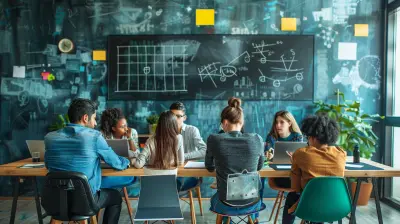
Collaborative Learning and the Development of Global Citizenship
11 June 2026
In today's interconnected world, education isn't just about memorizing facts—it's about understanding different perspectives, solving problems together, and preparing to be responsible global citizens. Collaborative learning plays a crucial role in shaping students to think beyond borders, embrace diversity, and contribute meaningfully to society.
But how does working together in classrooms translate into becoming a global citizen? And why should we even care? Let’s dive into how collaborative learning fosters global citizenship and why it’s more important now than ever.
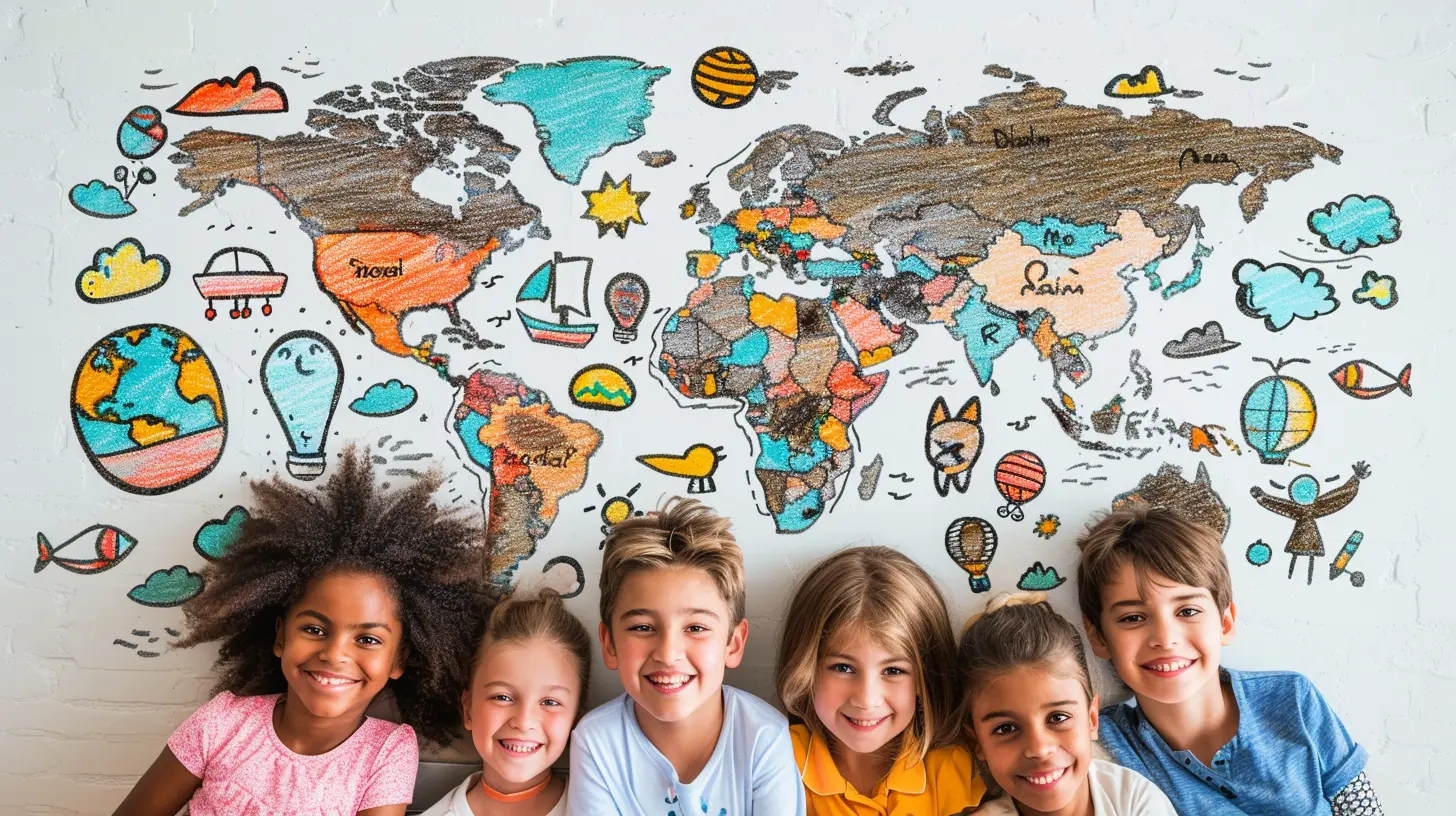
What is Collaborative Learning?
Before we connect the dots, let’s define collaborative learning. Simply put, it’s an educational approach where students work together to solve problems, complete tasks, or build knowledge. Instead of competing, they cooperate—leveraging their unique skills and perspectives to reach a shared goal.This method breaks away from the traditional "teacher talks, students listen" model. Instead, discussions, group projects, and peer-to-peer interactions drive the learning process. Think of it as a team sport—everyone contributes, learns from each other, and grows together.
But why is this approach gaining so much traction? Because it doesn’t just teach academic content—it builds essential life skills.
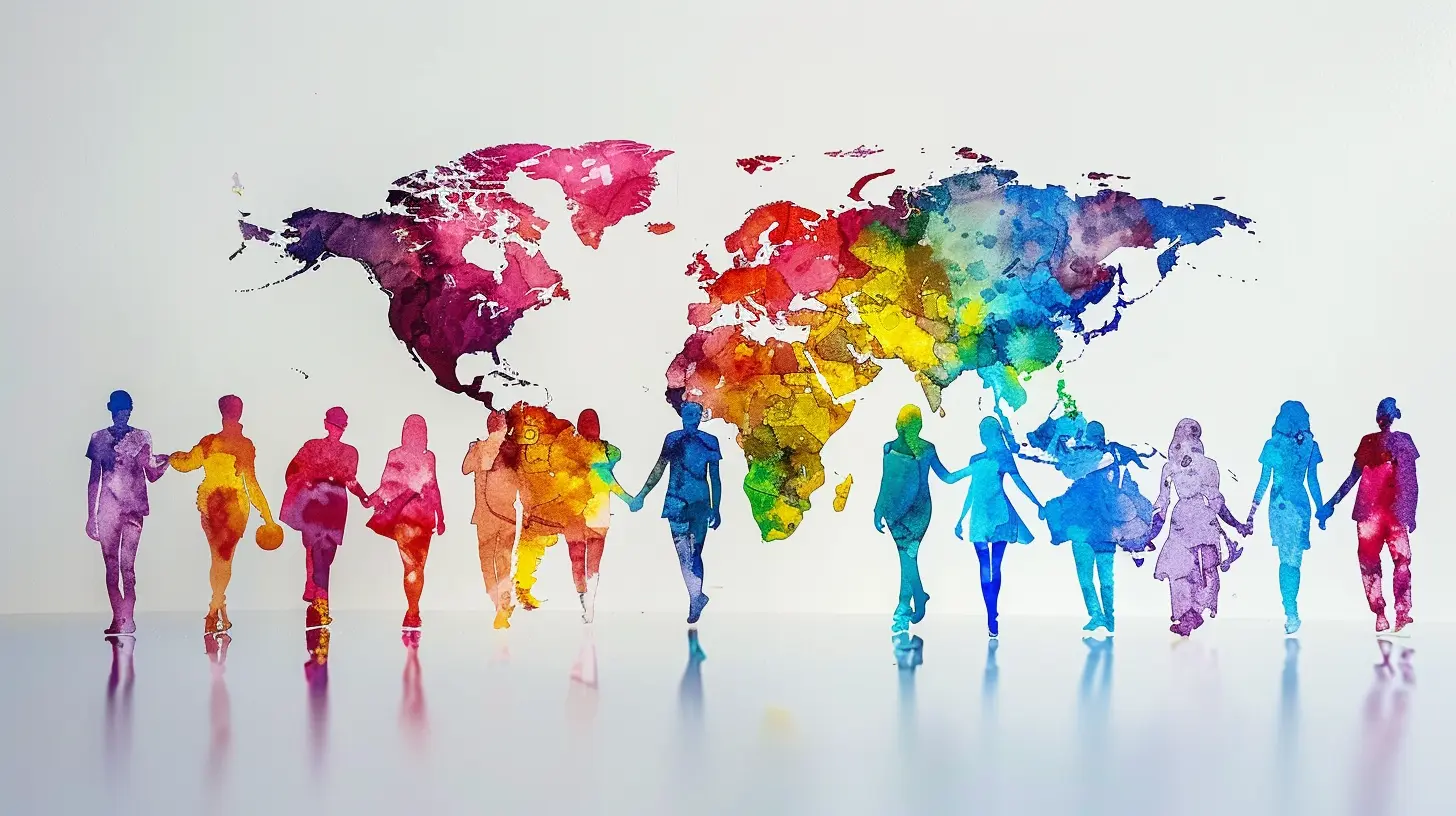
The Connection Between Collaborative Learning and Global Citizenship
1. Encourages Cross-Cultural Understanding
We live in an era where you can chat with someone from another country with just a click. But understanding different backgrounds on a deeper level requires more than just online interactions.Collaborative learning introduces students to diverse perspectives by having them work with others from different cultures, backgrounds, and experiences. When students engage in discussions or projects together, they don't just learn about different viewpoints—they start to understand, respect, and appreciate them.
This kind of real-world exposure is the foundation of global citizenship. When students learn to work with people who think differently from them, they become more open-minded and adaptable—two key qualities of a responsible global citizen.
2. Develops Problem-Solving Skills for Global Challenges
Climate change, inequality, poverty—global issues don’t have easy solutions. They require critical thinking, collaboration, and innovative approaches.Through collaborative learning, students practice tackling complex problems together. They learn to brainstorm solutions, debate ideas, and refine their strategies based on constructive feedback. This process mimics real-world problem-solving, where multiple minds work toward a common goal.
By engaging in group discussions about global issues, students develop an awareness of the world’s challenges and a sense of responsibility to contribute to solutions.
3. Builds Communication and Interpersonal Skills
One of the most underrated skills in life? Effective communication. And collaborative learning strengthens this skill like no other.When students work in groups, they must express their ideas clearly, listen actively, and sometimes even mediate conflicts. Whether it’s presenting a group project, negotiating task responsibilities, or debating an issue, collaboration teaches students how to articulate their thoughts and engage with others respectfully.
These interpersonal skills are invaluable—not just in academics but in workplaces, social interactions, and global discussions. A strong communicator can bridge gaps, foster understanding, and lead initiatives that make a difference.
4. Promotes Empathy and Social Responsibility
Empathy is the heart of global citizenship. It’s the ability to step into someone else’s shoes and see the world from their perspective.Collaborative learning naturally nurtures empathy. When students work in groups, they face different opinions, struggles, and experiences from their peers. Over time, they learn to appreciate these differences rather than judge them.
Group activities often expose students to social issues—whether it’s debating human rights, working on sustainability projects, or researching economic disparities worldwide. This exposure fosters a sense of responsibility, motivating students to contribute positively to society.
5. Enhances Adaptability in a Changing World
Workplaces are shifting, industries are evolving, and technology is reshaping our lives. To thrive in this fast-paced world, adaptability is key.Collaborative learning prepares students for uncertainty. Working in groups means dealing with unexpected challenges—someone doesn’t complete their part, a disagreement arises, or the project takes an unexpected turn. Instead of panicking, collaborative learners develop flexibility and resilience.
And as future global citizens, adaptability will help them navigate cultural differences, shifting job markets, and emerging global crises with confidence.
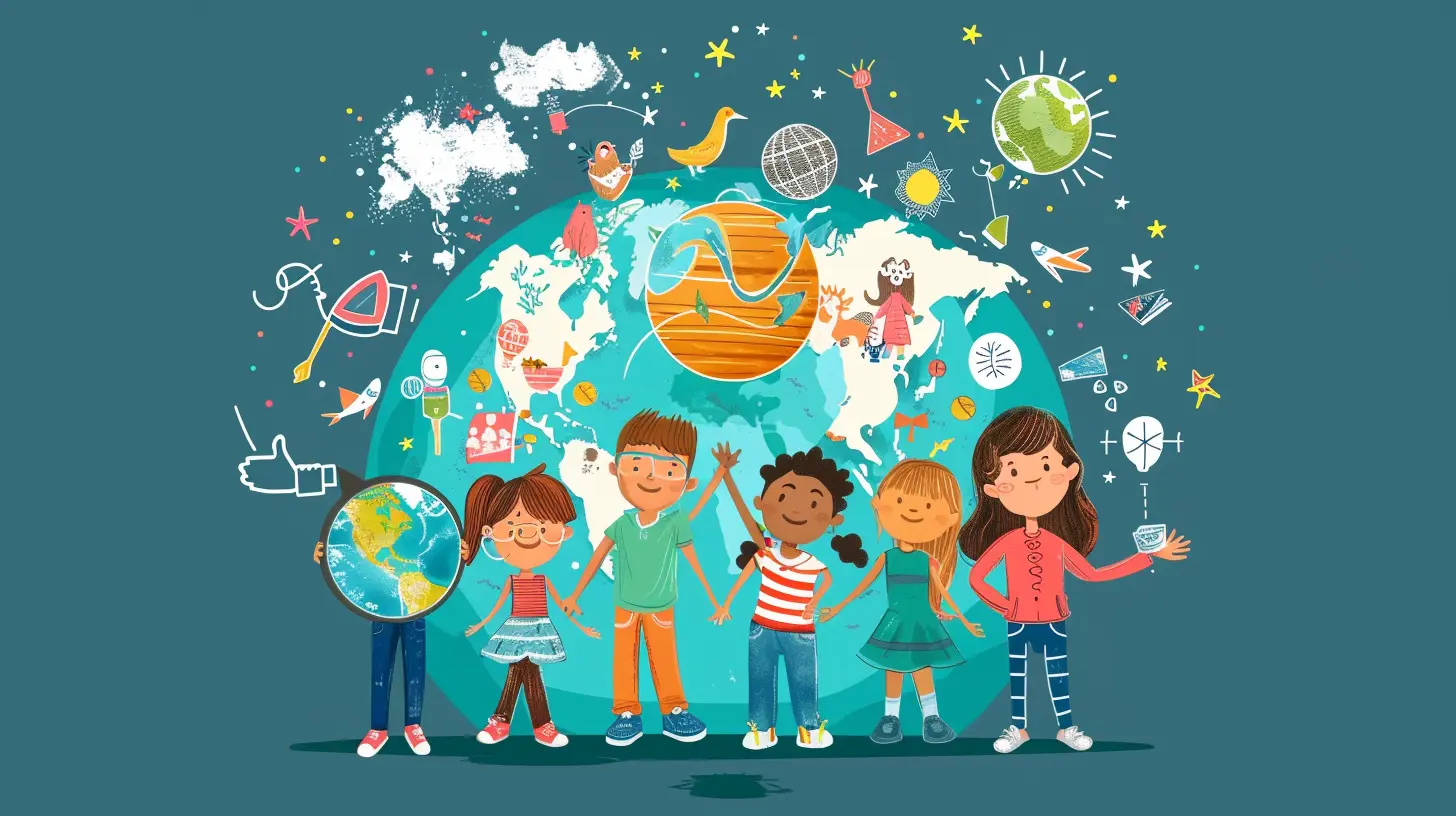
How Schools and Institutions Can Implement Collaborative Learning
Now that we see the benefits, how can educational institutions integrate collaborative learning into the curriculum?1. Encourage Group Projects and Discussions
Teachers can incorporate more teamwork-based assignments where students must work together, research, and present findings collaboratively.2. Use Technology for Global Collaboration
With digital tools, classrooms are no longer limited to four walls. Virtual exchange programs, video conferencing with students from other countries, or even joint online projects can enhance cross-cultural learning.3. Foster a Culture of Open Communication
Creating a classroom environment where students feel safe to express their opinions and challenge ideas respectfully is crucial. Encouraging active listening and respectful debates strengthens collaboration.4. Introduce Real-World Problem-Solving Activities
Schools can simulate real-world challenges by organizing role-playing activities, Model United Nations (MUN) programs, or community service projects where students tackle social issues hands-on.5. Train Educators in Collaborative Teaching Methods
Teachers need to shift from lecturers to facilitators. Providing professional development on group dynamics, conflict resolution, and technology-based collaboration tools can strengthen collaborative learning outcomes.
The Future of Global Citizenship Starts in the Classroom
The world isn’t getting any simpler. Borders are blurring, cultures are intertwining, and challenges are becoming more complex. The future belongs to those who can collaborate, think critically, and engage with diverse communities.By embracing collaborative learning, we’re not just preparing students for the next exam—we’re shaping them into responsible, empathetic, and proactive global citizens.
So, whether you’re a student, teacher, or education enthusiast, one thing is clear: the way we learn today shapes the world of tomorrow. Let’s make it count.
all images in this post were generated using AI tools
Category:
Collaborative LearningAuthor:

Bethany Hudson
Discussion
rate this article
1 comments
Grace Cole
Collaborative learning fosters critical thinking and empathy, essential qualities for developing global citizenship in today's interconnected world.
June 17, 2026 at 3:47 AM
Bethany Hudson
Absolutely, collaborative learning not only enhances critical thinking but also builds empathy, which is vital for nurturing responsible global citizens.