Collaborative Learning for Special Education: Tailoring Group Work
17 June 2026
When we hear the term "group work," we often picture a lively classroom buzzing with chatter, students huddled in clusters, sharing ideas, solving problems, and learning together. But what happens when some of those students have diverse learning needs? Can they still thrive in a collaborative setting?
Absolutely—if we do it right.
Collaborative learning for special education students isn't just possible; it's powerful. But like a tailored suit, the approach must fit just right. Let’s dive into how we can shape group work so it’s inclusive, effective, and meaningful for students of all abilities.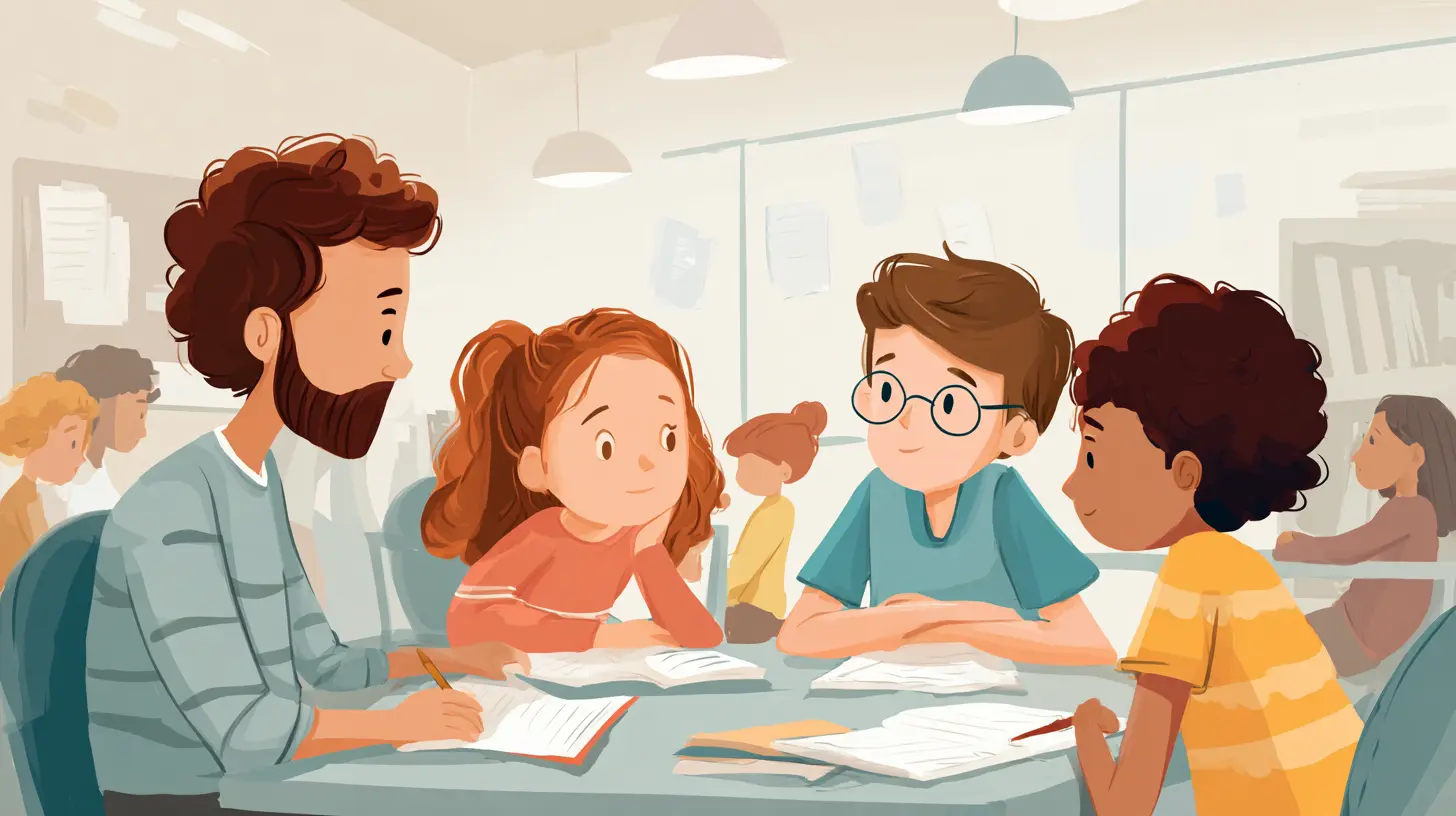
What Is Collaborative Learning, Really?
Let’s start by breaking it down. Collaborative learning is when students work together in small groups to achieve a common goal. It’s not just sitting in the same circle or sharing crayons. It’s about thinking together, struggling together, and succeeding together.This approach has been a game-changer in general education classrooms, and it can be just as transformational in special education. But—and this is important—it can’t be a copy-paste job. It needs customization.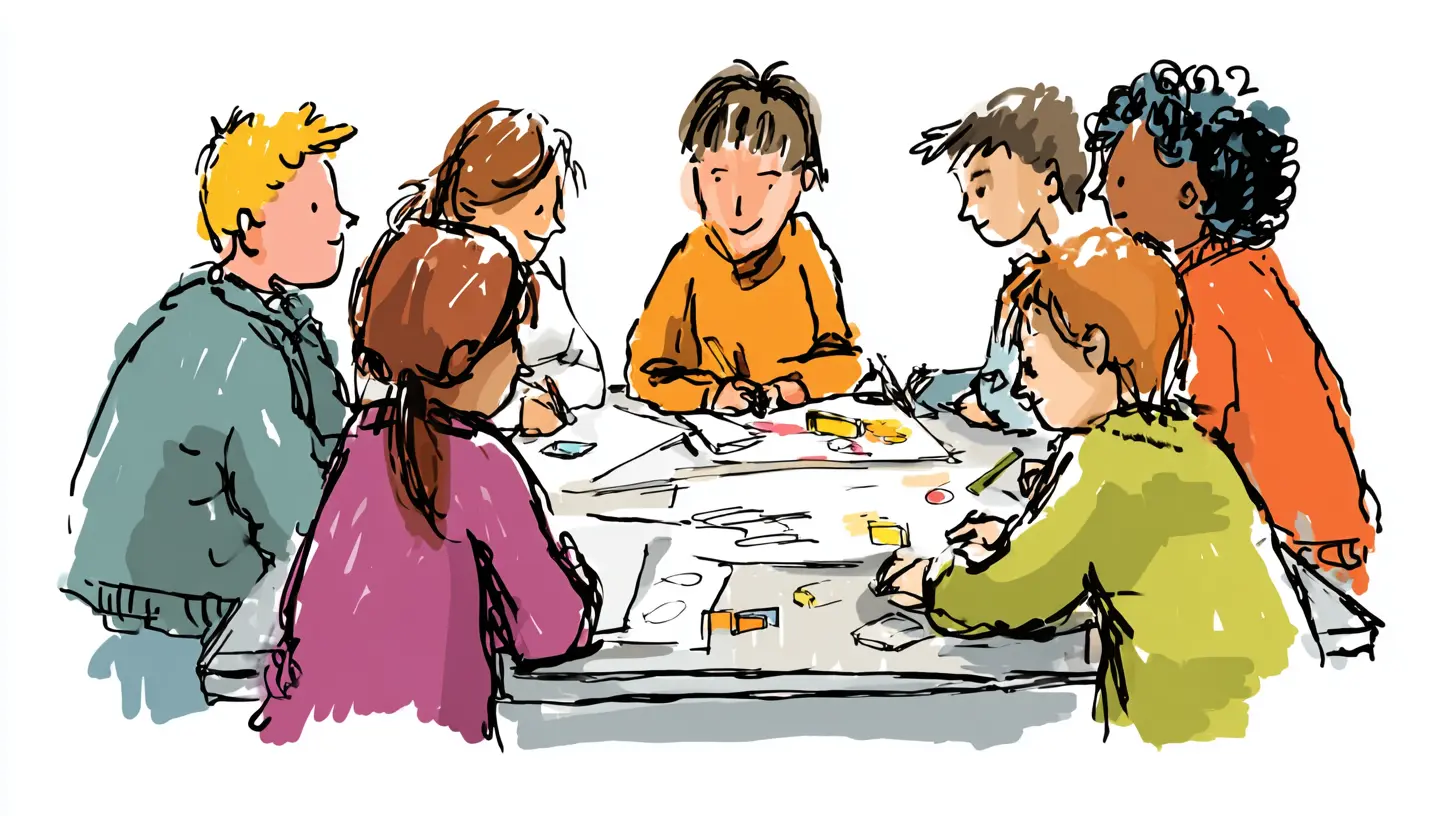
Why Collaborative Learning Matters in Special Education
So, what makes collaborative learning such a game-changer for students with special needs?1. Builds Social Skills
For students who struggle with communication or social interaction—think autism spectrum disorder or speech delays—group work can be a real-world practice ground. They get to observe, imitate, and eventually initiate interactions.2. Encourages Peer Support
You’d be amazed how naturally kids support each other when given the chance. In well-structured groups, students pick up on one another’s strengths. A peer explaining a concept in kid-friendly terms can sometimes reach where even the most seasoned teacher can’t.3. Boosts Confidence
Ever seen a student with a learning disability light up when they contribute meaningfully to a group? That’s the magic of empowerment. Collaborative settings give these learners opportunities to take pride in their unique abilities.4. Promotes Active Engagement
Let’s face it—worksheets can be boring. Active collaboration sparks curiosity and keeps students moving, talking, and thinking. That’s especially important for students with ADHD or other attention challenges.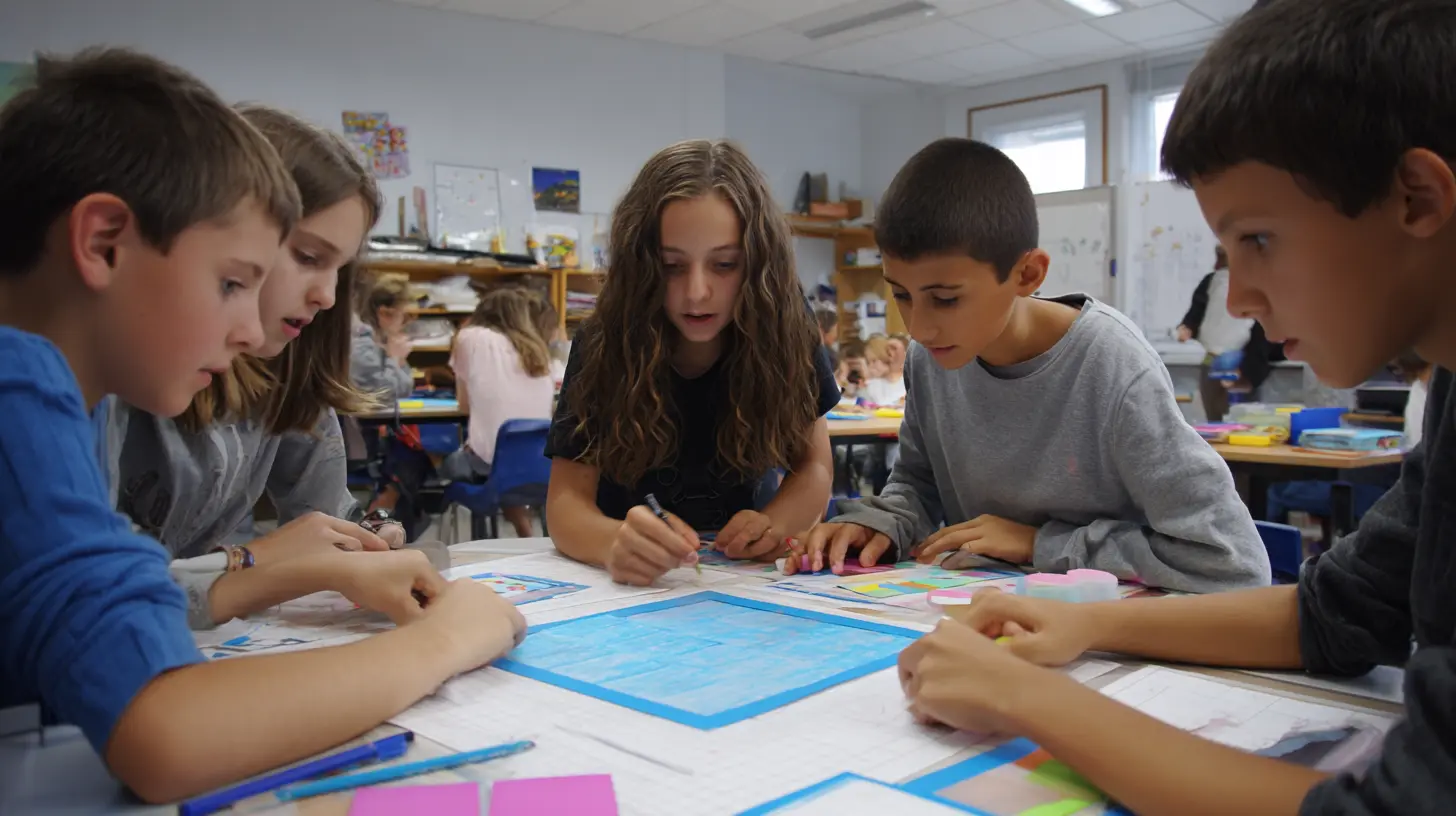
Tailoring Group Work for Special Education: Where to Start
You wouldn’t hand someone with a peanut allergy a PB&J sandwich, right? Same logic applies here. One size does not fit all. So how do you adapt group work to meet diverse needs? Let's break it down.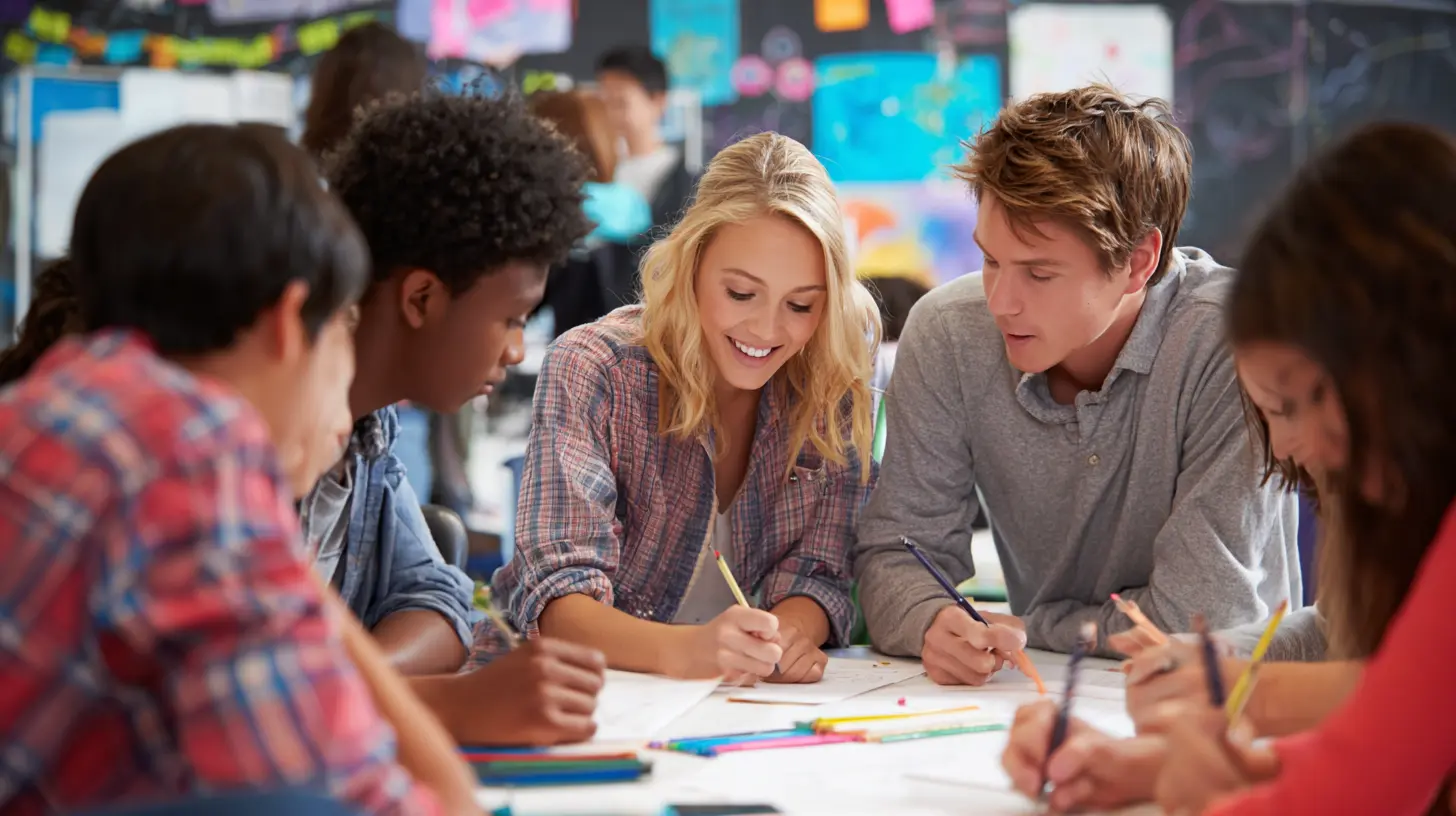
1. Know Your Students Inside and Out
Before you even think about group dynamics, you’ve got to know your learners.Think of yourself as a coach building a dream team. Each student has different strengths, challenges, and preferences. Dive into their Individualized Education Programs (IEPs), have honest chats with them, and observe how they interact with others.
Ask yourself:
- Who works well together?
- Who gets easily overwhelmed?
- Who needs quiet spaces or frequent breaks?
- Who’s a natural helper?
Understanding this lays the foundation for meaningful group experiences.
2. Create Purposeful, Balanced Groups
Random groupings? Not ideal here.Instead, be intentional. Mix abilities so that every student has something to contribute and something to learn. Just make sure no student feels like an outsider. It’s all about balance.
Here’s a little trick: assign roles. Think “question-asker,” “note-taker,” “timekeeper,” or “reporter.” Choose roles that play to each student’s strengths while pushing them just a little out of their comfort zone—in a good way.
3. Structure Tasks for Accessibility
This is where differentiation really shines.Let’s say the group’s task is to research animals and create a presentation. One student could find pictures, another could write simple facts, a third might format a slideshow, and a fourth could practice presenting.
See what’s happening? Everyone’s in the game. No one’s benched.
You can also offer choices—visuals, speech-to-text tools, graphic organizers. The more ways to contribute, the more inclusive the activity.
4. Scaffold the Heck Out of It
Scaffolding is like training wheels. It helps students balance until they can ride solo.You might provide sentence starters for discussions (“I think ___ because…”), visual calendars for planning, or checklists to track progress. Gradually, you remove these supports as confidence builds.
Don’t forget to model, model, model. Show them what collaboration looks like. Act it out. Be goofy. Make mistakes on purpose. Let them correct you. That’s where the real learning happens.
5. Build a Safe, Respectful Environment
Let’s be real—try getting students to open up or take risks in a space where they don’t feel safe. Ain’t gonna happen.Set clear norms: respect everyone’s voice, listen actively, and celebrate all successes, big or small. It helps to incorporate social-emotional learning (SEL) activities into the mix. These build empathy, patience, and team spirit.
And hey, don’t shy away from having classroom chats about disabilities and differences. Normalize them. When kids understand each other better, they work better together.
6. Monitor, Adjust, Rinse, Repeat
Think of collaborative learning like sourdough bread—it rises best with a watchful eye and regular care.Walk around, listen in on conversations, offer gentle nudges. Is someone zoning out? Is one student dominating? Step in and help rebalance the group.
After every group activity, reflect with your students:
- What went well?
- What was hard?
- What will you try next time?
These chats are gold. They help students self-regulate and grow.
Real-Life Examples That Work
Let’s walk through a few real classroom scenarios that show this approach in motion:Science Exploration in Action
In a 5th grade inclusion class, students are learning about ecosystems. The teacher forms mixed-ability teams and assigns roles. One student with a reading disability is the “illustrator,” drawing the food chain. Another uses a text-to-speech tool to summarize research. A third writes the script, and a fourth presents the findings. Every student contributes. Everyone feels valued.Storytelling Circle
In a special education classroom, students with intellectual disabilities create a group story. One student suggests the setting, another adds characters, someone else draws pictures for each part, and another student records the group reading the story aloud. The result? A digital book they proudly share with parents.Tips for Teachers Trying This for the First Time
Feeling a little overwhelmed? Totally normal. But here are a few quick-start tips:- Start small. Try one structured group activity per week.
- Keep groups consistent at first to build rapport.
- Use visuals and cues generously.
- Celebrate effort, not just outcomes.
- Get co-teachers, aides, or therapists involved when possible.
Remember: the goal isn’t perfection—it’s progress.
Don’t Forget About Assessment
Wait—how do you evaluate group work when everyone’s doing different things?Simple: assess based on individual effort, growth, and contribution. Use observations, journals, rubrics, or even one-on-one conferences.
And focus on those soft skills—cooperation, communication, flexibility. They’re just as important as academic content.
A Word on Technology
Technology can be your co-pilot in collaborative learning. Think:- Google Slides or Padlet for joint projects
- Speech-to-text apps for students with writing challenges
- Video reflection tools for shy students who don’t like speaking in groups
Make sure tools are accessible and easy to use. The goal is to enhance—not complicate—the process.
Wrapping It Up: Collaboration That Counts
Here’s the bottom line: collaborative learning in special education isn’t about trying to make every student fit into the same mold. It’s about shaping the mold to fit each student.With thoughtful planning, a splash of creativity, and a big dose of empathy, group work can be a place where every learner shines.
So, next time you're planning a group activity, ask yourself—have I made room for everyone at the table?
Because every student brings value. And when we build learning communities that reflect that truth, the results are nothing short of magical.
all images in this post were generated using AI tools
Category:
Collaborative LearningAuthor:
Bethany Hudson
Discussion
rate this article
1 comments
Amelia McClain
This article beautifully highlights the power of collaboration in special education. Tailored group work makes a real difference.
June 21, 2026 at 3:12 AM
Bethany Hudson
Thank you for your kind words! I'm glad you found the article insightful. Collaboration truly can transform the learning experience.