Collaborative Learning in Higher Education: Benefits and Challenges
6 March 2026
Higher education has evolved drastically over the years, adapting to new learning methods, technologies, and student needs. One of the standout approaches gaining momentum is collaborative learning. Ever noticed how discussing a topic with friends helps you remember it better? That’s collaborative learning in action!
It’s not just about group projects or teamwork; it’s about actively engaging with peers, sharing knowledge, and growing together. But, like everything in life, it has its ups and downs. So, let’s dive into the benefits and challenges of collaborative learning in higher education and see what makes it tick. 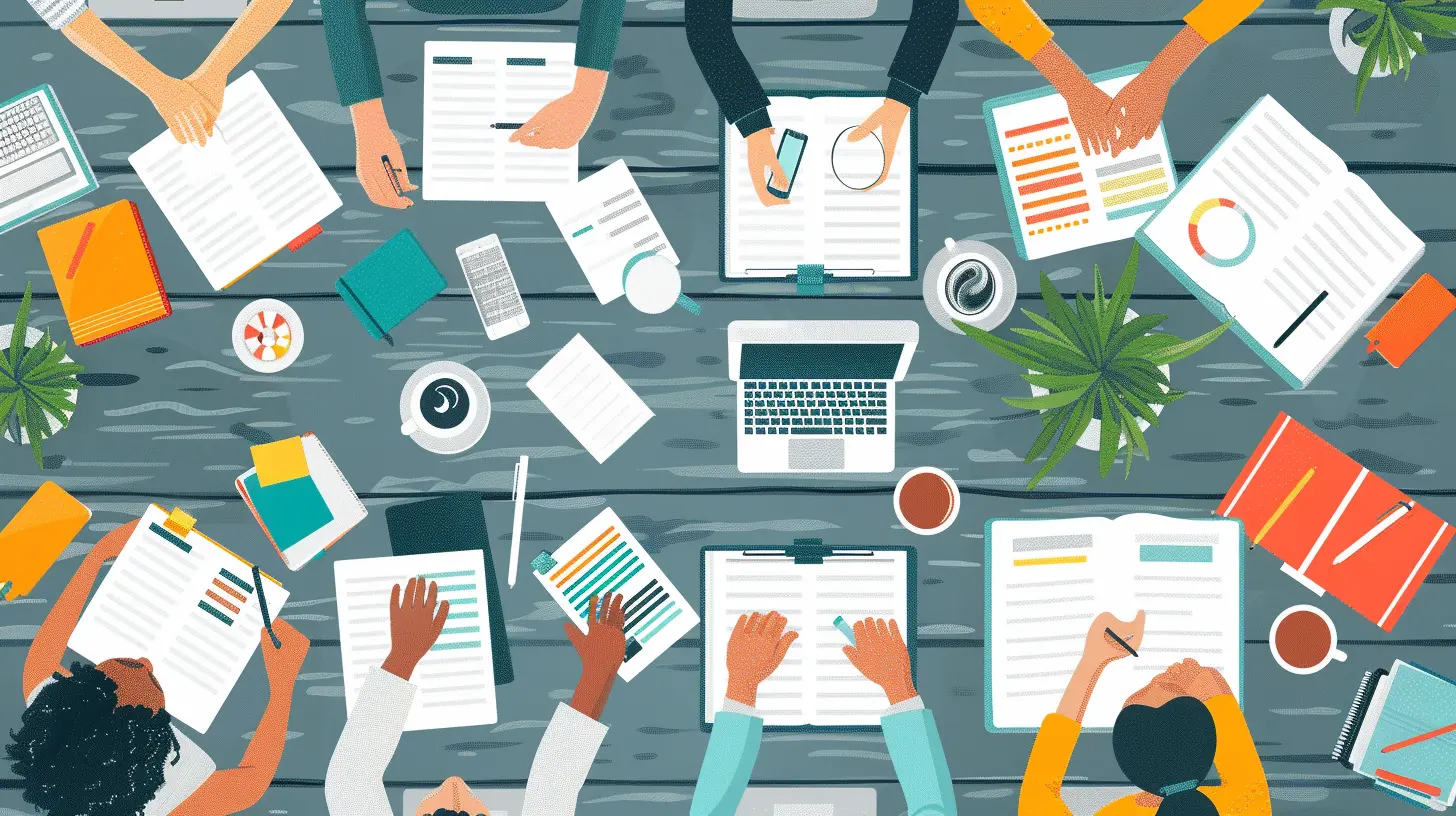
What is Collaborative Learning?
At its core, collaborative learning is all about students working together to solve problems, complete tasks, or understand concepts. Unlike traditional learning, where a professor lectures while students passively listen (and sometimes doze off), collaborative learning makes education interactive, engaging, and dynamic.This method encourages students to:
- Share ideas and perspectives.
- Engage in discussions to deepen understanding.
- Work together toward common academic goals.
It can take many forms, such as group projects, peer discussions, study circles, and online forums. The key is that students play an active role rather than just being receivers of information. 
The Benefits of Collaborative Learning in Higher Education
Why is collaborative learning gaining popularity? Well, it offers a ton of advantages that go beyond just academics. Let’s break them down.1. Boosts Critical Thinking Skills
When students engage in discussions, they’re forced to think critically. They need to analyze different viewpoints, defend their opinions, and sometimes even change their perspectives. This process enhances problem-solving skills and prepares students for real-world challenges.2. Encourages Active Engagement
Let’s be honest—traditional lectures can be dull. But when students collaborate, they become active participants in the learning process. Debating with classmates or solving problems together is way more engaging than just listening passively.3. Improves Communication and Social Skills
Ever heard the phrase, "Teamwork makes the dream work"? Collaborative learning teaches students how to communicate effectively, resolve conflicts, and listen to different opinions. These skills are crucial in today’s job market, where teamwork is a must.4. Enhances Retention and Understanding
Studies show that students remember information better when they actively discuss and apply it. Reading theory in a textbook is one thing, but explaining it to a peer cements the knowledge in a way that solo study often can’t.5. Prepares Students for the Workplace
Most careers demand teamwork, communication, and problem-solving. Whether you're in medicine, business, tech, or any other field, working with others is a skill you must master. Collaborative learning gives students a head start.6. Builds Confidence and Leadership Skills
Speaking up in front of a group can be nerve-wracking, but the more students engage in discussions, the more comfortable and confident they become. Over time, they sharpen leadership skills, which can give them an edge in their careers.
The Challenges of Collaborative Learning
Of course, it’s not all sunshine and rainbows. Collaborative learning comes with its fair share of challenges, and ignoring them can make the experience frustrating instead of rewarding.1. Unequal Participation
Have you ever been in a group project where one person does all the work while others just coast? Yeah, we’ve all been there. Unequal participation is a common problem in collaborative learning, and if not managed properly, it can lead to resentment and frustration.Solution: Setting clear roles, responsibilities, and peer evaluations can help balance contributions.
2. Group Conflicts
With multiple personalities and viewpoints in a group, conflicts are inevitable. Disagreements can lead to tensions, making collaboration difficult.Solution: Encouraging open communication and setting ground rules for respectful discussions can prevent unnecessary drama.
3. Time Management Issues
Coordinating schedules can be a nightmare, especially for students juggling classes, part-time jobs, and personal commitments. Collaborative learning requires effective time management, which not all students excel at.Solution: Using digital tools like Google Calendar, Trello, or Slack can help keep everyone on the same page and streamline communication.
4. Dependence on Others
Some students rely too much on their peers, avoiding individual effort. Instead of learning, they may lean on others to do the heavy lifting.Solution: Instructors should incorporate both individual and group assessments to ensure all members contribute and understand the material.
5. Difficulty in Assessing Individual Performance
How do you grade a group project fairly? Instructors often struggle with assessing individual contributions when most of the work is shared.Solution: A mix of self-assessments, peer reviews, and instructor evaluations can help gauge each student’s effort accurately. 
Tips for Making Collaborative Learning Effective
To get the most out of collaborative learning, students and instructors need to set the right expectations and strategies. Here are some tips:For Instructors:
- Create Clear Guidelines – Define responsibilities and expectations for group work.- Use Technology – Utilize online collaboration tools to facilitate discussions.
- Provide Regular Feedback – Ensure groups stay on track and receive constructive criticism.
- Encourage Reflection – Have students reflect on their collaborative experiences to improve future teamwork.
For Students:
- Communicate Openly – Express thoughts and listen actively to others.- Be Responsible – Contribute fairly and meet deadlines.
- Respect Different Perspectives – Everyone thinks differently, and that’s a good thing!
- Stay Organized – Use planners or task management apps to keep track of responsibilities.
Final Thoughts
Collaborative learning in higher education is a game-changer. It shifts the focus from passive listening to active engagement, preparing students for the real world. While there are challenges, the benefits far outweigh the drawbacks—as long as students and instructors approach it the right way.So, next time you’re in a group project, instead of dreading it, see it as an opportunity to learn, grow, and build essential life skills. Because, at the end of the day, success isn’t just about what you know—it’s about how well you can work with others.
all images in this post were generated using AI tools
Category:
CollaborationAuthor:

Bethany Hudson
Discussion
rate this article
2 comments
Luna Ross
Collaborative learning: where group projects turn potential friendships into epic battles and caffeine becomes your best friend! But fear not—between the chaos, sparks of genius emerge. Let’s embrace the groupthink and cheer for those ‘aha!’ moments, even if they come after a few ‘oops, I didn’t do my part’ confessions!
March 23, 2026 at 5:15 AM
Bethany Hudson
Absolutely! Collaborative learning can be a rollercoaster, but those moments of genius amidst the chaos make it all worthwhile. Cheers to the journey!
Sebastian Green
Collaborative learning isn't just a trend—it's a necessity in higher education. Embracing diverse perspectives fosters innovation and resilience. While challenges exist, they pale in comparison to the transformative power of teamwork. Let’s champion collaboration and equip students for a complex, interconnected world!
March 10, 2026 at 4:17 AM
Bethany Hudson
Thank you for your insightful comment! I completely agree—collaborative learning not only enhances innovation but also prepares students for the complexities of today's world. Embracing diverse perspectives is indeed essential for their success.