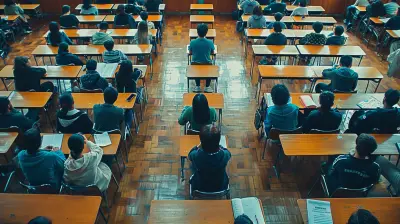
Collaborative Learning in Higher Education: Preparing for Real-World Challenges
22 August 2026
Higher education isn’t just about acing exams or racking up credit hours anymore. We live in a fast-paced, ever-changing world that doesn’t care how well someone memorized their textbooks. What really matters? The ability to work with others, solve problems as a team, and think critically in complex situations. And that’s exactly where collaborative learning steps in.
Let’s dive into why collaborative learning isn’t just a classroom trend—it’s a key to thriving in the real world.
What is Collaborative Learning Anyway?
Think back to those dreaded group projects in college. If you’re groaning right now, you’re not alone. But hear me out—collaborative learning is so much more than randomly assigned team tasks.At its core, collaborative learning is about students actively working together to understand concepts, solve problems, and apply knowledge. It’s more than splitting a task; it’s about sharing ideas, respecting diverse perspectives, and building solutions together.
Unlike traditional lecture-style teaching, where students passively absorb information, collaborative learning puts students in the driver’s seat. They co-create the learning experience with their peers, which mimics the dynamics of real-world workplaces.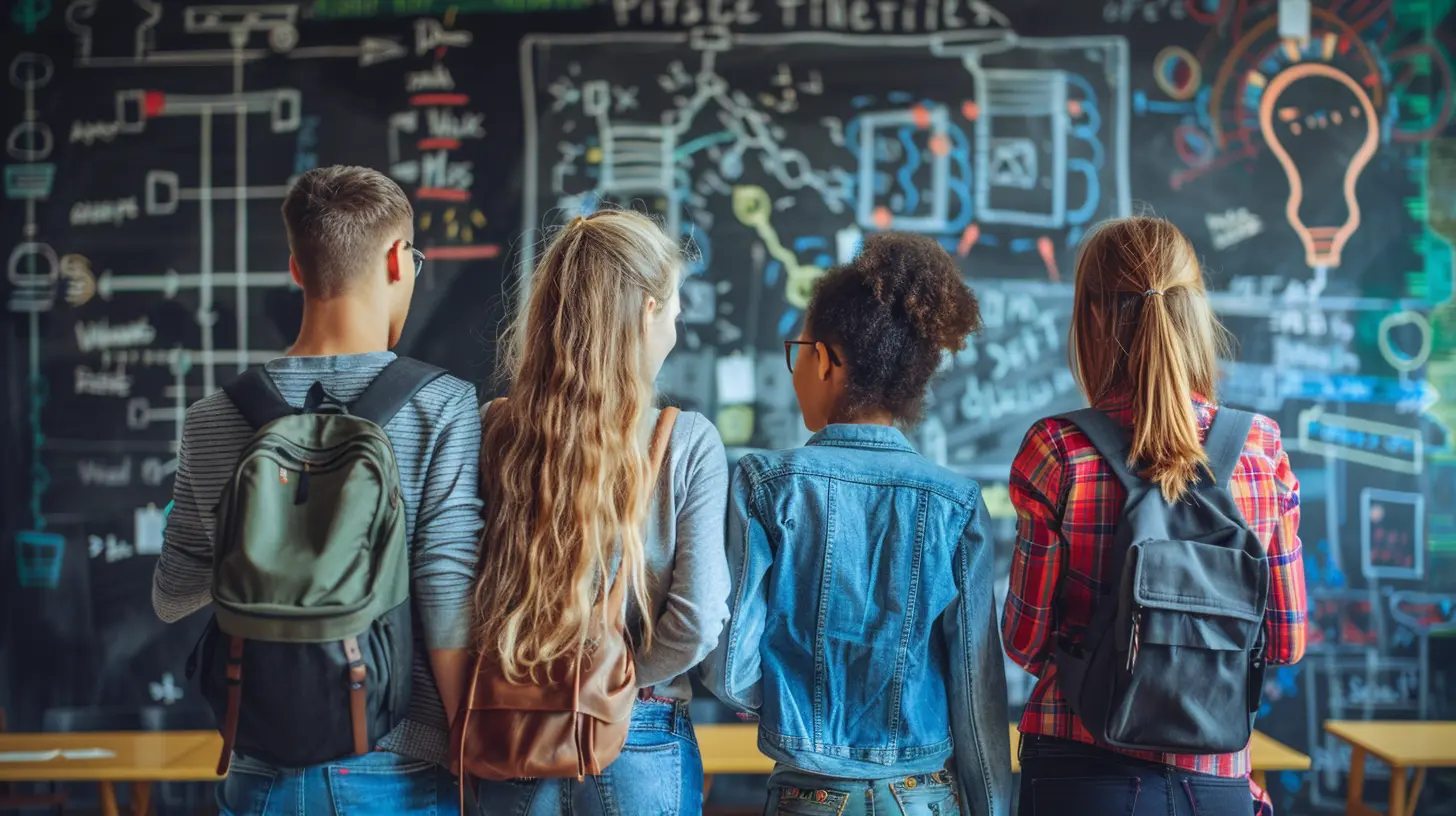
Why Collaborative Learning Matters—Now More Than Ever
In today’s job market, technical skills are important, sure—but they’re just one piece of the puzzle. Employers are shouting from the rooftops about the need for soft skills: communication, teamwork, leadership, and adaptability. You know, the stuff you don’t always get from textbooks.Let’s break it down:
- Workplaces are team-focused: Rarely do people work in silos anymore. Whether it’s a startup or a corporation, success hinges on collaboration.
- The world is interconnected: Global teams are now the norm. You might be working with someone in another time zone or another continent. Being able to connect, share ideas, and solve problems across cultures is critical.
- Innovation thrives on diversity: Real-world problems are complex. They don’t have one right answer, and diverse input leads to more creative, well-rounded solutions.
So, shouldn’t our college education reflect that?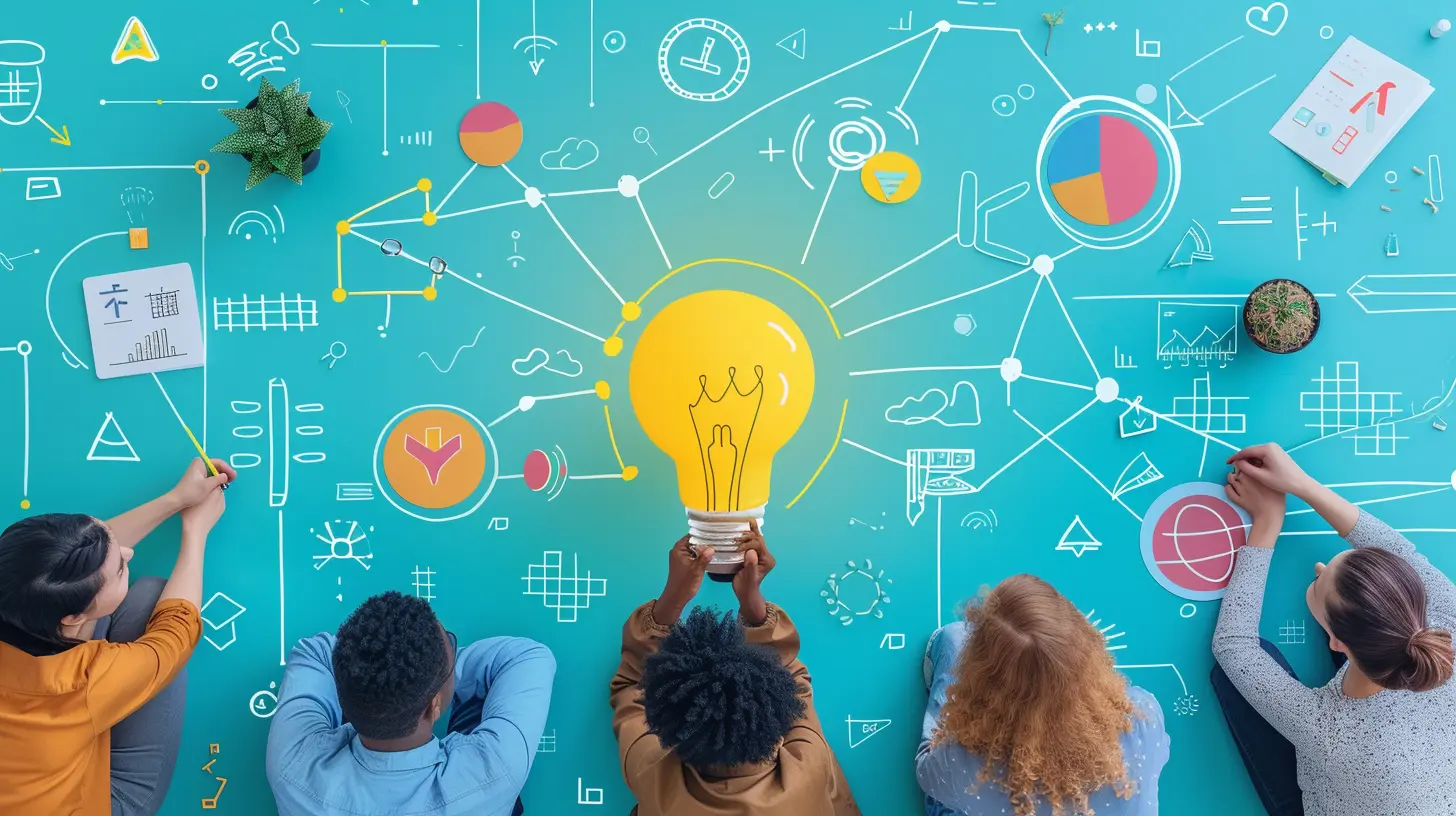
How Collaborative Learning Works in Practice
Now, you might be wondering—what does collaborative learning actually look like in a college classroom?It can take many forms:
1. Group Projects with Real-World Relevance
Students team up to tackle projects that mirror real-life challenges. For example, business students might create marketing strategies for a local nonprofit, or engineering students might co-design a sustainable product prototype.This isn’t busywork—it gives students a taste of what they'll face after graduation.
2. Peer-to-Peer Teaching
Sometimes, the best way to learn something is to teach it. Collaborative learning often involves students explaining concepts to one another, which deepens everyone’s understanding. Plus, it builds confidence and communication skills without the pressure of formal lectures.3. Case Studies and Problem-Based Learning (PBL)
What would you do if you were the CEO of a failing company, or a nurse dealing with an urgent patient situation? These are the kinds of complex, messy problems collaborative learning throws at students. They work in teams to debate options, weigh consequences, and find actionable solutions.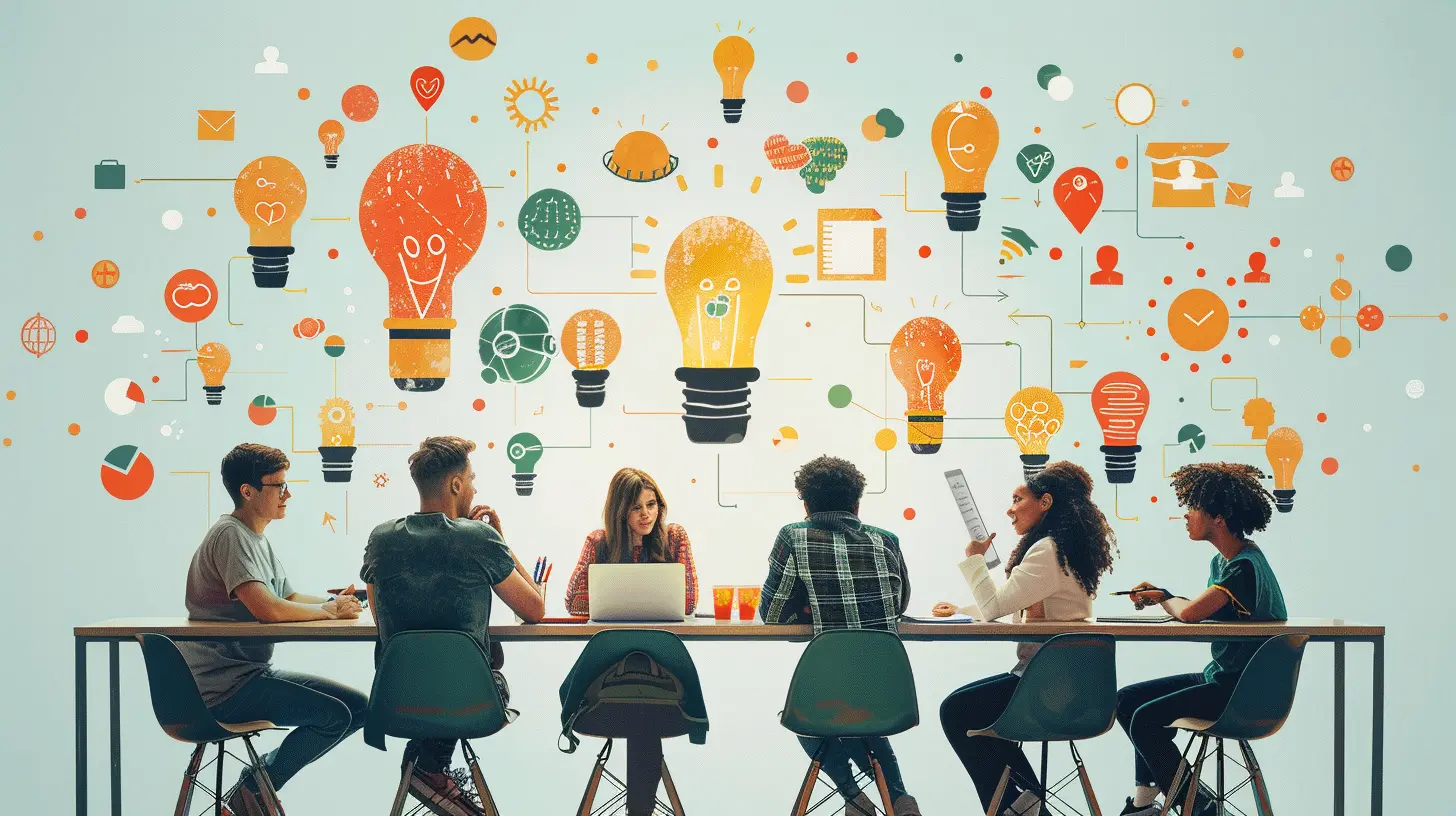
The Benefits of Collaborative Learning (Spoiler: There Are A Lot!)
Alright, let’s talk perks. What do students actually gain from collaborative learning, aside from the occasional group headache?It Builds Real-World Skills
Think decision-making, critical thinking, leadership, negotiation, conflict resolution—the list goes on. These are all skills you’ll need whether you’re managing a team or leading a community project.It Enhances Communication
When students collaborate, they need to speak up, listen actively, and clearly express ideas. These small everyday interactions build communication muscles that’ll serve them far beyond graduation.It Encourages Empathy and Diversity of Thought
Working in diverse teams introduces students to different worldviews. It teaches them how to appreciate and leverage differences rather than shy away from them. In a world filled with cultural and ideological chaos, this is a superpower.It Fosters Independence Through Interdependence
Ironically, by relying on each other, students grow more independent. They learn how to manage their time, take ownership of their roles, and hold each other accountable.But Wait...Isn’t Group Work Sometimes a Nightmare?
Great point.It’s totally true—collaboration can be messy. There’s always that one person who doesn’t pull their weight, or the one who takes over everything. Plus, introverts sometimes struggle to find their voice in group settings.
But here’s the twist: those exact challenges are what make collaborative learning so valuable.
Think about it: the real world doesn’t always give you a perfect team. You’ll work with people who think differently, communicate poorly, or just don’t “click” with you. Learning to navigate that now means you’ll be better prepared later.
Of course, colleges and instructors have to step in to make sure things don’t go off the rails. That means:
- Clear roles and responsibilities within teams
- Fair grading systems that don’t let slacking slide
- Teaching students how to give and receive feedback
- Encouraging reflective practices to improve group dynamics
When managed well, those painful group moments turn into powerful learning experiences.
The Professor’s Role in Collaborative Learning
You might think, “If students are doing all the talking, what’s the professor even doing?”Good question.
In collaborative learning, professors become more like facilitators. Instead of lecturing non-stop, they guide discussions, set expectations, and help steer teams in the right direction. They create the environment, pose the problems, and support students as they find their own answers.
It’s a shift in mindset—but one that empowers students to own their education.
Digital Tools That Make It All Easier
Let’s face it, technology has completely changed how we work and learn. Tech tools have become the backbone of effective collaborative learning, especially in the world of online and blended education.Here are some go-to tools:
- Google Workspace (Docs, Slides, Sheets): Live collaboration and version tracking—what’s not to love?
- Slack or Microsoft Teams: Great for communication and project management.
- Miro or Jamboard: Visual collaboration platforms for brainstorming.
- Zoom breakout rooms: Ideal for small group discussions in remote learning.
Using tech mimics how actual teams function in the workforce today—so it’s a win-win.
Preparing for Professional Reality
Ultimately, collaborative learning is about preparation. Not for another test, but for life.The workplace isn’t going to wait while you perfect solo skills. You’ll be expected to:
- Work effectively in teams
- Lead when needed, and follow when appropriate
- Think critically under pressure
- Communicate clearly and respectfully
- Adapt to new situations and technologies quickly
Collaborative learning lays the groundwork for all of that and more. It also builds confidence—because students know they’ve practiced these skills in real scenarios, not just theory.
Making Collaborative Learning More Inclusive
Here’s something we can’t skip: making sure collaborative learning actually works for every student.That means being intentional about:
- Including quieter or marginalized voices in discussions
- Acknowledging and respecting cultural differences in communication
- Making accommodations for students with varying learning needs
- Creating safe environments where failing is part of the growth process
When done right, collaborative learning becomes a place of equal opportunity—a launching pad for future leaders from all walks of life.
Final Thoughts: Let’s Build a Better Kind of Classroom
Collaborative learning isn’t perfect, and it’s not always easy. But in a world full of challenges, uncertainty, and complexity, it’s exactly what students need to thrive.At the end of the day, education should feel real, messy, and human—just like life. And what better way to prepare students than by giving them the tools to work, grow, and rise together?
The classroom of the future doesn’t look like rows of silent students. It looks like brainstorming sessions, shared victories, hard conversations, and creative chaos. That’s where the magic happens.
So let’s lean into it.
Let’s teach students not just facts—but how to be collaborators, thinkers, problem-solvers, and changemakers.
Because the world is waiting. And they need to be ready.
all images in this post were generated using AI tools
Category:
Collaborative LearningAuthor:

Bethany Hudson
Discussion
rate this article
2 comments
Kimberly Strickland
Collaborative learning isn't just about group work; it's a strategy that mirrors real-world dynamics. By fostering teamwork and diverse perspectives, higher education can equip students with the problem-solving skills and adaptability they need to tackle complex challenges in their careers.
September 6, 2026 at 3:40 AM
Bethany Hudson
Absolutely, collaborative learning reflects real-world scenarios and enhances critical skills. It's vital for preparing students to navigate the complexities of their future careers.
Lila Morales
This article highlights the importance of collaborative learning in equipping students for real-world scenarios. By fostering teamwork and critical thinking, higher education institutions can better prepare graduates for the challenges ahead. Embracing these methods is a step toward creating a more adaptable and skilled workforce. Great insights!
September 2, 2026 at 2:36 AM
Bethany Hudson
Thank you for your thoughtful response! I completely agree that collaborative learning is key to preparing students for real-world challenges. Your insights are much appreciated.