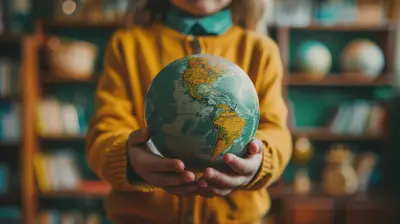
Eco-Friendly Classroom Practices to Reduce Your Carbon Footprint
24 May 2026
In today's world, being environmentally conscious isn't just a trend—it's a necessity. Schools and classrooms are no exception. With so many people in one place daily, energy, materials, and resources are used in abundance. The good news? Small changes in classroom practices can make a massive difference in reducing your carbon footprint.
If you're a teacher, student, or school administrator, you have the power to create a greener learning environment. Let’s dive into some simple yet impactful eco-friendly classroom practices.

1. Go Digital Whenever Possible
One of the easiest ways to reduce waste is by embracing digital tools. Paper usage in schools is astronomical, but technology can help cut it down significantly.- Use digital worksheets and assignments – Platforms like Google Classroom allow teachers to share assignments electronically instead of printing.
- Encourage e-books and online resources – Instead of buying physical textbooks, opt for digital versions. They’re more accessible and help save trees.
- Utilize online note-taking apps – Apps like Evernote and OneNote allow students to take and organize notes without using paper.
Less paper means fewer trees cut down and less waste ending up in landfills.
2. Reduce, Reuse, Recycle
We've all heard the three R’s, but how many of us actively apply them in the classroom? Here's how:- Reduce waste by using double-sided printing and minimizing unnecessary handouts.
- Reuse supplies like binders, folders, and scrap paper instead of always buying new.
- Recycle old worksheets, homework, and plastic bottles instead of throwing them in the trash.
Setting up a recycling station in the classroom can make this process seamless.
3. Say No to Single-Use Plastics
Plastic waste is a major environmental issue, and classrooms contribute to the problem more than we realize.- Encourage students to bring reusable water bottles instead of plastic ones.
- Use reusable containers for lunches and snacks rather than plastic bags.
- If you need utensils, opt for bamboo or metal instead of disposable plastic ones.
By eliminating single-use plastics, your classroom can significantly cut down on waste.
4. Use Energy Wisely
Electricity consumption in schools is sky-high, but there are simple ways to cut down energy use:- Turn off lights when the classroom is empty. Even better—use natural daylight whenever possible.
- Use energy-efficient LED bulbs instead of traditional incandescent lights.
- Power down computers and electronics at the end of the day instead of leaving them in sleep mode.
These small actions can lead to substantial energy savings and a lower carbon footprint.
5. Create a Green Space in the Classroom
Bringing a little nature indoors can have a surprisingly positive impact. Adding plants to a classroom doesn’t just improve aesthetics; it also improves air quality.Consider starting a classroom plant project where students take turns caring for plants. Not only will it create a more sustainable environment, but it will also teach responsibility and environmental appreciation.
6. Implement Sustainable School Supplies
Many traditional school supplies are harmful to the environment due to the materials they’re made from. Consider these eco-friendly swaps:- Recycled paper notebooks instead of regular ones.
- Refillable pens and markers instead of disposable ones.
- Eco-friendly glue and non-toxic crayons instead of plastic-heavy alternatives.
Encourage students to bring supplies that align with sustainability efforts.
7. Introduce Sustainable Transportation Practices
How students and teachers commute to school also impacts the environment. Encouraging greener transportation options can help reduce carbon emissions.- Promote carpooling among students and staff.
- Encourage biking or walking if the school is nearby.
- Support public transportation use when available.
Even a small shift in commuting habits can significantly reduce overall emissions.
8. Incorporate Environmental Education
A truly eco-friendly classroom isn’t just about sustainable practices—it’s also about teaching students why these practices matter. Integrate environmental lessons into the curriculum:- Discuss climate change and sustainability in science and geography lessons.
- Assign eco-friendly projects like recycling challenges or tree-planting initiatives.
- Invite environmental experts or take students on field trips to sustainability-focused organizations.
The more students understand the importance of eco-friendly practices, the more likely they are to adopt them for life.
9. Opt for Eco-Friendly Cleaning Products
Standard cleaning products often contain harsh chemicals that harm the environment and air quality. Instead, opt for:- Non-toxic, biodegradable cleaners that don’t release harmful fumes.
- Reusable cleaning cloths rather than disposable wipes or paper towels.
These small switches create a healthier classroom for both students and teachers.
10. Encourage a "Bring Your Own" Mindset
An easy way to reduce waste is by encouraging students and teachers to bring their own reusable items:- Reusable lunch boxes and utensils instead of disposable ones.
- Cloth napkins instead of paper napkins.
- Personal whiteboards instead of constant paper use.
By making this a standard practice, classroom waste can drop significantly.
11. Start a Classroom Sustainability Challenge
Make sustainability fun! Organizing a classroom competition or challenge can encourage students to engage in eco-friendly habits.- Track who recycles the most waste.
- Challenge students to use the least amount of paper for a month.
- Create a rewards system for eco-conscious behaviors.
A little friendly competition can make going green more exciting and educational.
12. Get Involved in School-Wide Sustainability Efforts
While classroom efforts are essential, expanding these habits throughout the entire school can make an even bigger difference.- Work with school administrators to implement solar panels or energy-saving measures.
- Push for a zero-waste initiative in cafeterias.
- Encourage school-wide recycling programs with clear bins and guidelines.
Sustainability should be a collective effort that involves the entire school community.
Final Thoughts
Reducing your carbon footprint in the classroom doesn't require drastic changes—just intentional choices. Small efforts like turning off lights, going digital, and recycling can have a long-lasting impact.By adopting even a few of these eco-friendly classroom practices, you're helping to create a healthier planet for future generations. And who knows? Your students might take these habits home and inspire their families to go green too!
all images in this post were generated using AI tools
Category:
Environmental EducationAuthor:

Bethany Hudson
Discussion
rate this article
1 comments
Calyx Mathews
Creating an eco-friendly classroom isn't just a trend; it's a responsibility. Small changes, like using digital resources and promoting plant-based snacks, can lead to big impacts. Educators have the power to inspire students to rethink their habits and become stewards of the planet. Let's teach sustainability with intention and creativity.
June 1, 2026 at 10:46 AM
Bethany Hudson
Absolutely! Every small change counts, and educators play a vital role in shaping eco-conscious habits. Let's keep pushing for those impactful practices in the classroom.