Encouraging Critical Thinking in Environmental Science
17 January 2026
Environmental science is more than just a subject—it's a gateway to understanding our planet, protecting our resources, and shaping a sustainable future. But simply memorizing facts about pollution, climate change, and ecosystems isn’t enough. We need to foster critical thinking so students can analyze data, question assumptions, and develop real-world solutions.
So, how do we encourage critical thinking in environmental science? Let’s dive into some practical strategies, engaging activities, and mindset shifts that can transform students into insightful environmental stewards.
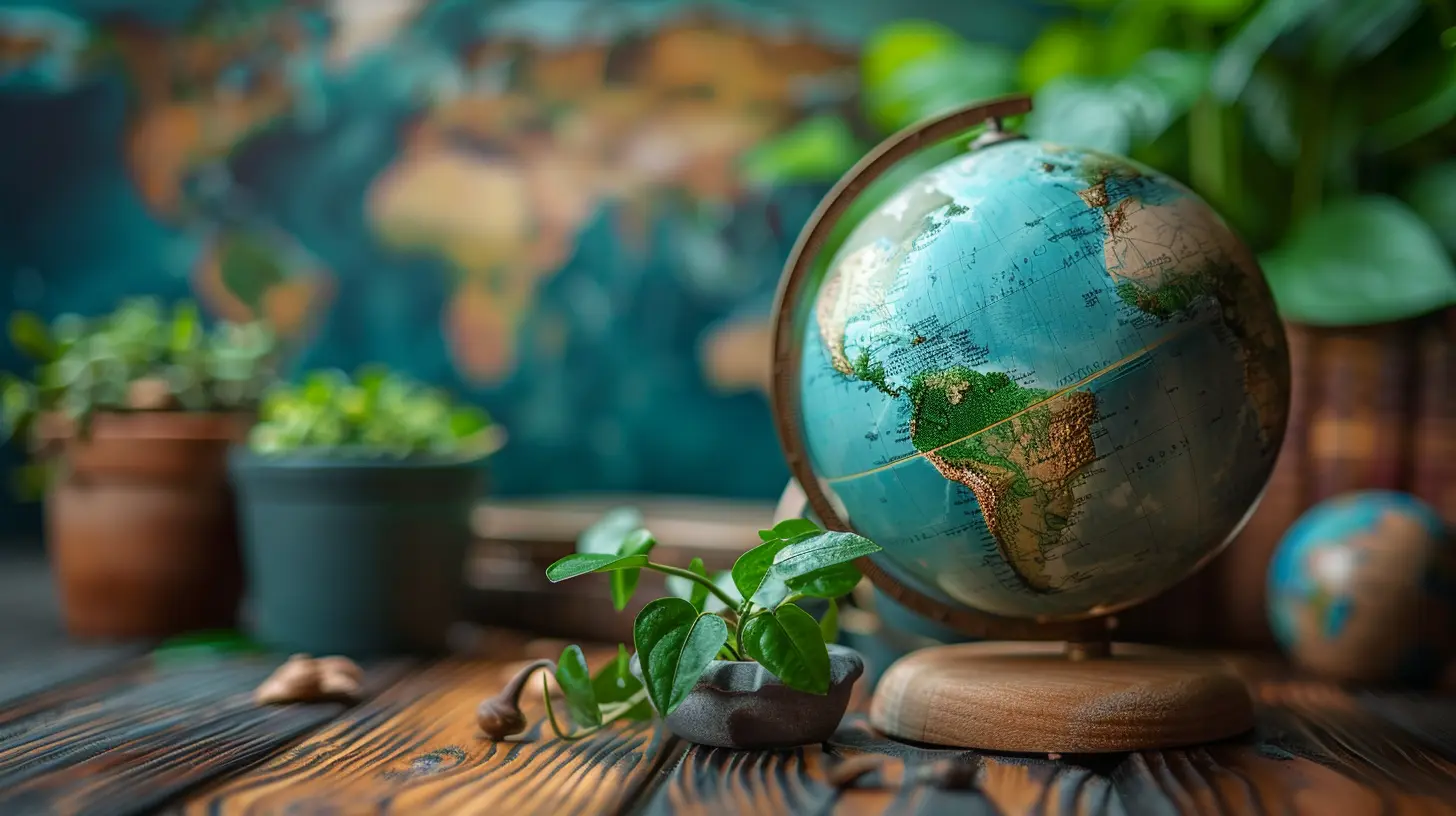
Why Critical Thinking Matters in Environmental Science
Environmental challenges like deforestation, climate change, and plastic pollution aren’t just black-and-white issues. They are complex, interconnected problems that require logical reasoning and problem-solving skills. Without critical thinking, we risk accepting information at face value, falling for misinformation, or failing to recognize the bigger picture.Think about it—how often do headlines about the environment contradict each other? One day, we hear that electric cars are the future; the next, we’re told they have a massive environmental footprint. Without critical thinking, how can we distinguish between fact and misleading claims?
That’s why it's crucial to teach students how to think, not what to think when it comes to sustainability and environmental issues. 
How to Develop Critical Thinking in Environmental Science
1. Encourage Questioning
One of the best ways to promote critical thinking is by fostering curiosity. Students should feel confident questioning:- Why does this happen?
- What are the possible consequences?
- Who benefits from this decision?
- Could there be an alternative solution?
For example, if discussing climate change, instead of just stating "carbon emissions contribute to global warming," ask:
- What industries contribute the most?
- How do different solutions compare in effectiveness?
- What are the economic barriers to reducing emissions?
Encouraging "why" and "how" questions makes learning more engaging and thought-provoking.
2. Promote Hands-on Learning
Learning about environmental issues from a textbook is one thing, but experiencing them firsthand is another. Let’s make learning active!- Field trips: Visiting polluted water bodies, forests, or recycling centers helps students connect theories to reality.
- Experiments: Simple classroom experiments on water purification, composting, or air quality testing help build analytical skills.
- Community projects: Encourage students to organize clean-ups, tree planting, or awareness campaigns. Real-world experience sharpens their ability to evaluate and propose solutions.
By engaging in hands-on learning, students see environmental problems up close—making them more invested in finding solutions.
3. Use Case Studies and Real-world Examples
Case studies place students in real-life scenarios where they must critically analyze situations and make decisions. Some powerful case studies include:- The Flint Water Crisis, where students can investigate water contamination and government accountability.
- The Amazon Rainforest Deforestation, where students debate economic gain vs. environmental loss.
- The Great Pacific Garbage Patch, examining plastic waste and corporate responsibility.
Instead of just reading about these issues, let students debate, analyze, and problem-solve.
4. Introduce Opposing Perspectives
Not all environmental issues have a clear-cut solution. Many involve trade-offs, ethical dilemmas, and competing interests. Encouraging students to see both sides of an argument strengthens their reasoning skills.For example, when discussing renewable energy:
- Supporters argue it's clean and sustainable.
- Critics highlight challenges like high costs and battery waste.
Encourage students to debate and develop informed opinions rather than blindly supporting one side.
5. Inspire Independent Research
Encouraging students to dig deeper into environmental topics fosters independence and curiosity. Assign open-ended research projects where they:- Investigate the environmental policy of a particular country.
- Analyze the impact of a specific industry (fashion, food production, etc.).
- Interview local activists or business owners about sustainability practices.
When students research on their own, they develop the ability to evaluate sources, analyze data, and form their own conclusions.
6. Teach Media Literacy
Misinformation about environmental science is everywhere. From exaggerated climate predictions to misleading greenwashing campaigns, students must learn how to critically evaluate information.Encourage them to ask:
- Who wrote this article/study?
- What is their agenda?
- Is the data backed by credible sources?
- Are different perspectives considered?
By recognizing bias and propaganda, students can separate fact from fiction. 
Engaging Activities to Build Critical Thinking
🌍 The "What If" Scenario Game
Pose hypothetical situations and let students brainstorm solutions. Example:- What if palm oil was completely banned—how would it impact industries, economies, and biodiversity?
This activity forces students to think critically about cause and effect.
♻️ The "Eco-Mythbusters" Challenge
Have students research common environmental myths and prove/disprove them. Example:- Is paper better than plastic for the environment?
They must provide evidence, reinforcing fact-based reasoning.
📢 Debate Competitions
Organize debates with topics like:- Should governments impose heavier carbon taxes?
- Is nuclear energy a good alternative to fossil fuels?
Debating teaches students to evaluate evidence and articulate strong arguments. 
Final Thoughts: The Bigger Picture
Encouraging critical thinking in environmental science isn’t just about making students better learners—it’s about shaping them into problem solvers, innovators, and informed citizens.In a world where environmental challenges are growing, we don’t just need people who know the facts; we need people who can analyze, question, and take action.
By fostering critical thinking, we empower students to challenge misinformation, push for sustainability, and make a real difference. And honestly, isn’t that the kind of future we all want?
all images in this post were generated using AI tools
Category:
Environmental EducationAuthor:

Bethany Hudson
Discussion
rate this article
2 comments
Marlowe Mason
Fostering critical thinking in environmental science empowers students to question assumptions, analyze data, and engage with complex issues. By cultivating curiosity and encouraging diverse perspectives, we equip future leaders to tackle environmental challenges with creativity and informed decision-making. This is vital for sustainable progress.
February 13, 2026 at 5:34 AM
Bethany Hudson
Thank you for highlighting the importance of critical thinking in environmental science! Empowering students to engage with complex issues truly is key to fostering innovative solutions for sustainable progress.
Andrew McElhinney
Great insights! Fostering critical thinking in environmental science empowers students to tackle real-world challenges effectively.
January 17, 2026 at 4:20 AM
Bethany Hudson
Thank you! I appreciate your support and agree that critical thinking is key to empowering students in addressing environmental challenges.