English for Travel: Essential Phrases and Tips for Non-Native Speakers
12 January 2026
Traveling to a foreign country can be an exciting adventure, but it also comes with its fair share of challenges, especially when it comes to language barriers. If English isn't your first language, you might feel a bit nervous about interacting with locals or navigating unfamiliar places. But don’t worry! Learning some essential English phrases before your trip can make things a whole lot easier—and a lot more fun.
Whether you're asking for directions, ordering food, or checking into a hotel, having a few key phrases in your back pocket will help you travel with confidence. So, let’s dive into this guide on mastering English for travel, packed with phrases and tips tailored specifically for non-native speakers.
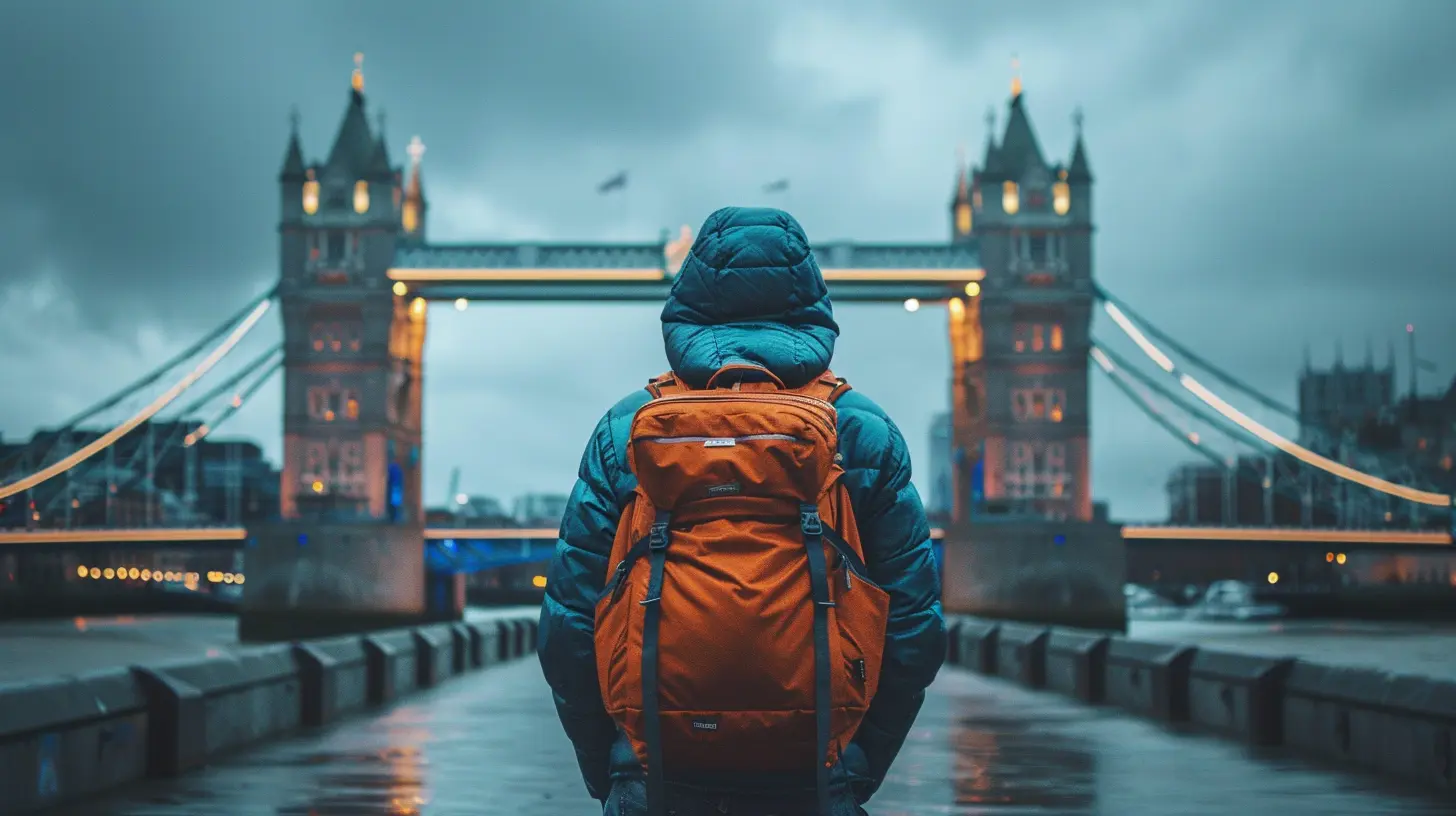
Why English is Important for Travelers
First things first, why even bother with English? Well, English has become the international language of business, travel, and communication. It’s often the common ground between people who speak different native languages. In many countries, especially in tourist areas, knowing even basic English will help you get by.It’s not just about speaking fluently; sometimes, just knowing a few phrases can make all the difference. Plus, locals often appreciate it when travelers make the effort to speak a common language, even if it’s just a few words.
So, if you're planning to travel to an English-speaking country—or even a non-English-speaking one where English is widely understood—this guide is for you.

Essential English Phrases for Travelers
1. Greetings and Introductions
Getting off on the right foot is crucial, and knowing how to greet someone is a great start. Here are some simple ways to say hello and introduce yourself:- Hello! / Hi! – A universal greeting.
- Good morning/afternoon/evening. – Time-specific greetings.
- How are you? – A polite way to start a conversation.
- My name is [Your Name]. – An easy way to introduce yourself.
- Nice to meet you. – A common response when meeting someone new.
Remember that a smile goes a long way, no matter what language you're speaking!
2. Asking for Directions
Getting lost is a normal part of traveling, but it can be frustrating if you don’t know how to ask for help. Here are some phrases that will come in handy:- Excuse me, can you help me? – A polite way to get someone's attention.
- How do I get to [destination]? – Ask for directions to a specific place.
- Is it far from here? – Check the distance.
- Which way is the [bus station/hotel]? – Ask for the direction of a known location.
- Can you show me on the map? – If you're struggling to understand, this phrase can be a lifesaver.
3. At the Airport
Navigating an airport can be overwhelming, especially if English is not your first language. Here’s a list of phrases you might need:- Where is the check-in counter?
- What time does my flight leave?
- Can I see your passport, please? – You might hear this at customs or check-in.
- Do I need a visa?
- Where is the baggage claim?
4. At the Hotel
Once you’ve arrived at your destination, checking into your hotel is next. Here are some phrases you’ll find helpful:- I have a reservation under the name [Your Name]. – Use this when you're checking in.
- Can I have a room with a view? – If you want a room upgrade or specific request.
- How much does it cost per night? – Ask about room rates.
- What time is check-out?
- Do you offer free Wi-Fi? – Because who can live without Wi-Fi?
5. Ordering Food and Drinks
One of the best parts of traveling is trying new foods! But before you dig in, you’ll need to order. Here are some phrases that will help you at restaurants or cafes:- Can I see the menu, please?
- I’d like to order [dish/drink]. – Use this when you’re ready to order.
- What do you recommend? – If you’re not sure what to order, ask for suggestions.
- Is this dish spicy? – A must-ask question if you can’t handle heat!
- Can I have the bill, please? – When you’re ready to pay.
6. Shopping and Bargaining
Shopping can be a lot of fun, especially if you’re looking for unique souvenirs. Here are some useful phrases for shopping:- How much is this?
- Do you have this in another size/color?
- Can I try it on? – Use this to ask if you can try clothes or shoes.
- Is there a discount? – Don’t be shy to ask for a bargain!
- Can I pay by credit card?
7. Emergency Situations
We hope you won’t need these phrases, but it’s always better to be prepared. If something goes wrong, here’s how to ask for help:- I need help! – In case of an emergency.
- Call the police! – If you need to report a crime or get urgent help.
- I need a doctor. – If you’re feeling sick or injured.
- Where is the nearest hospital?
- I’ve lost my passport. – A nightmare for any traveler, but knowing how to communicate the problem is crucial.
Tips for Non-Native English Speakers
Learning a few phrases is great, but it’s also important to approach the language with the right mindset. Here are some tips that will improve your experience:1. Practice Speaking
The best way to get comfortable with English is to practice speaking it. Don’t be afraid to make mistakes—everyone does! The more you use the language, the more confident you’ll become. If you can, try speaking English with locals, friends, or even fellow travelers.2. Use Apps and Technology
There are tons of language-learning apps like Duolingo or Memrise that can help you get the hang of basic English before your trip. You can also use translation apps like Google Translate to help you in tricky situations.3. Listen and Learn
Sometimes, the best way to learn isn't by speaking but by listening. Pay attention to how native speakers interact, and try to mimic their phrases. Watching English movies or TV shows with subtitles can also help you pick up common expressions.4. Don’t Be Afraid to Ask Questions
If you don’t understand something, it’s perfectly okay to ask. Most people are more than happy to help, especially if you're polite about it. Use phrases like “Could you repeat that, please?” or “I don’t understand, can you explain?”5. Be Patient
Learning a new language takes time. Don’t get discouraged if you can’t understand everything right away. The more you immerse yourself in the language, the better you’ll get.
Cultural Tips for English-Speaking Countries
Understanding the culture of English-speaking countries can also help you navigate your trip more smoothly. Here are a few cultural tips:- Politeness Matters: In many English-speaking countries, politeness is key. Using words like “please,” “thank you,” and “excuse me” goes a long way.
- Personal Space: People in English-speaking countries often value personal space. Try to keep a reasonable distance when talking to someone.
- Tipping: In countries like the U.S., tipping is expected at restaurants and for certain services, like taxis. Make sure you're aware of the local tipping customs.
Conclusion
Traveling is all about exploring new places and experiencing different cultures, but it can be a lot easier when you know how to communicate. By learning some essential English phrases and following these tips, you’ll be well-prepared for your next adventure. Remember, it’s not about being perfect—it’s about being understood. So go ahead, practice these phrases, stay confident, and enjoy your journey!all images in this post were generated using AI tools
Category:
English As A Second LanguageAuthor:

Bethany Hudson
Discussion
rate this article
2 comments
Xavier McAndrews
Which phrases are most useful for travelers?
February 5, 2026 at 5:02 AM
Bethany Hudson
Key phrases include 'Excuse me,' 'How much does this cost?', 'Where is…?', and 'I need help.' These basics will enhance your travel experience.
Theodore McVaney
Great tips for stress-free travel!
January 12, 2026 at 6:46 PM
Bethany Hudson
Thank you! I'm glad you found the tips helpful for a more enjoyable travel experience! Safe travels!