Exploring the Role of Nature in Modern Education
21 May 2026
Let’s be honest—when was the last time you truly felt connected to nature? Not just a quick stroll in the park, but really in tune with the natural world around you? Now, think back to your school days. How often was nature a part of your learning journey? If your answer’s “barely ever,” don’t worry—you’re not alone.
But here’s where things are starting to shift: modern education is waking up to the power of nature. Yep, we’re starting to question the concrete walls of classrooms and look beyond, to outdoor learning, fresh air, dirt under fingernails, and the chirping of birds as the background music to student discussions.
In this article, we’re diving deep—like, root-level deep—into how nature can play a vital role in today’s education system. And trust me, it’s more than just a walk in the woods.
A Classroom Without Walls: Why Nature Matters
Let’s start with a simple idea: nature is the original classroom.Before textbooks, smartboards, standardized tests, and buzzing fluorescent lights, humans learned by observing the world around them. They studied animal tracks, the changing of seasons, how water flows, and why plants grow. Nature was the teacher—and a pretty effective one at that.
Fast forward to today, and much of modern education has boxed children into indoor classrooms for hours on end. But research is pulling us back outdoors, showing that nature-based learning can actually spark deeper understanding, improve mental health, and ignite curiosity. Sounds like something we should tap into, right?
So, What Exactly Is Nature-Based Learning?
Good question! Nature-based learning—or outdoor education—uses natural surroundings to complement or even replace traditional classroom settings. It could be as simple as a biology class held in a school garden, or as immersive as an entire forest school where lessons are shaped by the environment.Here are a few flavors of nature-infused learning:
- Forest Schools: Originating in Scandinavia, these programs let students spend large chunks of time learning in woodlands.
- Outdoor Classrooms: Think desks under trees, lessons by the lake, or math problems solved in the sand.
- Environmental Education: Focused on ecology, sustainability, and how human activity affects our planet.
- Agricultural Education: Where kids learn by planting, harvesting, and caring for animals.
And the best part? These models aren’t just about fresh air and exercise—they’re packed with real academic benefits.
The Science Behind It: Why Nature Works
Okay, so it feels good to be outside. But is there actual science behind this?Absolutely. Studies show that exposure to nature can:
- Reduce stress and anxiety (yes, even in kids)
- Improve focus and attention span, especially in students with ADHD
- Enhance memory and cognitive function
- Foster creativity and problem-solving skills
- Increase motivation and engagement in learning
One fascinating study from the University of Illinois found that children who played in greener spaces had significantly better attention than those who didn’t. It’s like Mother Nature has a built-in ability to reset our mental hard drives.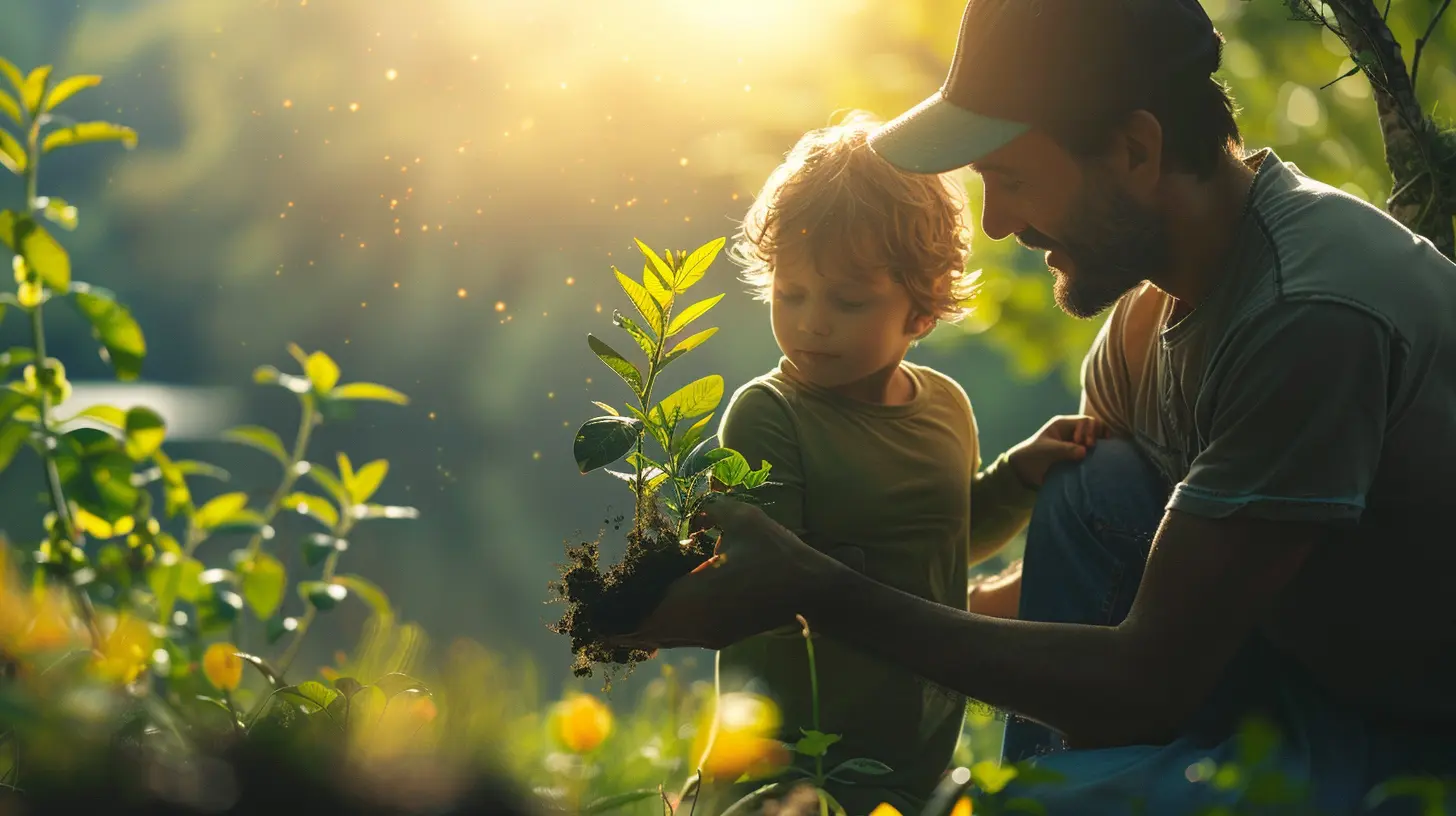
Mental Health and Emotional Wellbeing: Nature’s Healing Touch
Let’s not sugarcoat it—modern students are under a mountain of pressure. Exams, social media, tight schedules…the stress is real. Nature offers a much-needed escape valve.When kids are outside, they’re moving their bodies, breathing deeper, and connecting with something bigger than themselves. This builds resilience, empathy, and even emotional intelligence.
Ever noticed how a hike clears your head or how staring at the stars can put life into perspective? That’s no accident. Nature literally calms the nervous system. It's like a deep breath for the brain.
Academic Brilliance in the Wild: Better Learning Outcomes
Here's where things get really interesting.Educators sometimes worry that stepping outside means lowering academic standards—but the opposite often proves true. Nature-based education boosts engagement, which leads to deeper learning. When students are interested, they remember more. Simple as that.
Plus, outdoor learning encourages:
- Hands-on problem solving: Building a dam with sticks teaches physics.
- Group collaboration: Nature challenges often require teamwork.
- Critical thinking: What better way to learn ecology than to observe an actual ecosystem?
Students aren’t just memorizing facts. They’re living them.
Nature Fosters Real-Life Skills
Let’s face it: not every kid thrives sitting still for hours. And in real life, most jobs don’t happen behind a desk in silence.Nature-based education prepares students for life—like actual, grown-up life—by building skills such as:
- Adaptability (hello weather changes!)
- Communication (solving problems together in the wild)
- Leadership (someone has to guide the group through the trail)
- Self-confidence (nothing like climbing a tree to believe in yourself)
These aren’t “nice-to-haves”—they’re essential.
Technology vs. Trees: Can They Coexist?
Now, you might be wondering: “Is this about ditching tech for sticks and stones?”Not quite. It’s not nature versus technology. It’s about finding the balance.
Tech has a place in education—no doubt about it. But we’re realizing that constant screens and digital overload can dull creativity and attention. Nature offers the perfect counterbalance. It resets the mental clutter and preps the brain to absorb more.
Imagine a rhythm where students alternate between digital exploration and natural immersion. One enhances the other. Like peanut butter and jelly.
Not Just for Elementary Schools: Nature in Higher Education
Believe it or not, nature’s not just for sandbox learning and finger painting in the woods. Colleges and universities are catching on, too.Environmental studies programs, sustainable agriculture courses, and even open-air lectures are all making their way into higher ed. Some campuses are designing green spaces not just for aesthetics but for learning. Urban rooftop gardens, outdoor discussion circles, and nature retreats are becoming new norms.
Nature isn't age-biased—it's for everyone.
Equity in Outdoor Education: Who Gets Access?
Let’s tackle the elephant in the room. Nature-based education sounds magical, but not every student has equal access to green spaces.Urban schools, underfunded districts, and communities facing systemic inequalities often struggle to make this model work. But it doesn’t have to be all-or-nothing. You don’t need a forest—just a patch of green, a community garden, or even a potted plant to start.
Partnerships with local parks, mobile outdoor classrooms, and creative use of urban space can go a long way. Nature belongs to everyone. The more we include all students, the richer the learning becomes for all of us.
Teachers in the Wild: Training Educators to Go Outside
Here’s a curveball: most teachers weren’t trained to teach outside. While the passion is there, the know-how sometimes isn’t.That’s where professional development steps in. Training teachers in outdoor instruction, safety, and nature-based pedagogy empowers them to bring these practices to life. When educators feel confident outdoors, students reap the benefits.
More universities are now offering courses on outdoor education. And honestly? It’s about time.
Nature as a Catalyst for Sustainability Education
No surprise here: when students spend more time in nature, they care more about protecting it.Environmental stewardship starts with appreciation. It’s one thing to read about climate change, and another to witness melting snowpacks, littered trails, or threatened wildlife habitats with your own eyes.
Nature-based education nurtures future activists, scientists, policymakers, and citizens who care. And let’s face it—we desperately need that right now.
Small Steps: How Schools Can Start Today
So, how do we make this happen without upending the whole school system?Start small. Here’s how:
1. Class Outside Once a Week — Even 20 minutes can shift the mood and spark new ideas.
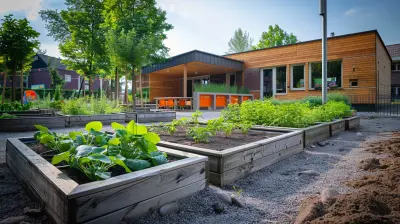
2. Start a Garden — Great for science, health, and responsibility.
3. Nature Journals — Encourage students to reflect on their environment.
4. Partner with Local Parks or Nature Centers — Community resources can bridge the gap.
5. Host Outdoor Reading Circles or Art Classes — Creativity thrives under open skies.
It doesn’t have to be perfect. Just start.
The Future Looks...Greener
If we’ve learned anything over the past few years, it's that education needs to be more flexible, human-centered, and holistic. Nature gives us all of that. And more.By weaving the natural world into modern learning, we’re not just teaching about life—we’re teaching through life. It's education that’s grounded, literally and figuratively.
So maybe, just maybe...the future of learning doesn’t smell like whiteboard markers. Maybe it smells like rain-soaked leaves, wildflowers, and fresh-cut grass.
And that's a future worth walking toward.
all images in this post were generated using AI tools
Category:
Environmental EducationAuthor:

Bethany Hudson
Discussion
rate this article
1 comments
Kane Ross
This article highlights the vital connection between nature and education. Integrating outdoor experiences into the curriculum not only enhances learning but also fosters emotional well-being. It encourages students to appreciate the environment, promoting sustainability and awareness about our natural world. A must-read!
June 2, 2026 at 4:06 AM
Bethany Hudson
Thank you for your insights! I'm glad you found the connection between nature and education compelling. It's crucial for fostering both learning and a deeper appreciation for our environment.