How Collaborative Learning Prepares Students for the Workforce
10 August 2026
Let’s be honest—traditional education, with its neat rows of desks and silent classrooms, isn’t exactly whipping up a workforce ready to tackle the complexities of today’s job market. The world has changed, jobs have evolved, and guess what? So should education. That's where collaborative learning comes in.
It’s not just the latest educational buzzword. Collaborative learning is a game-changer. It’s that group project you hated—but will one day thank. It’s listening, sharing, debating, failing, succeeding... together. And most importantly? It’s preparing students for the very real dynamics of the modern workplace.
In this article, we’ll break down exactly how collaborative learning isn't just a teaching method—it’s a real-world rehearsal. 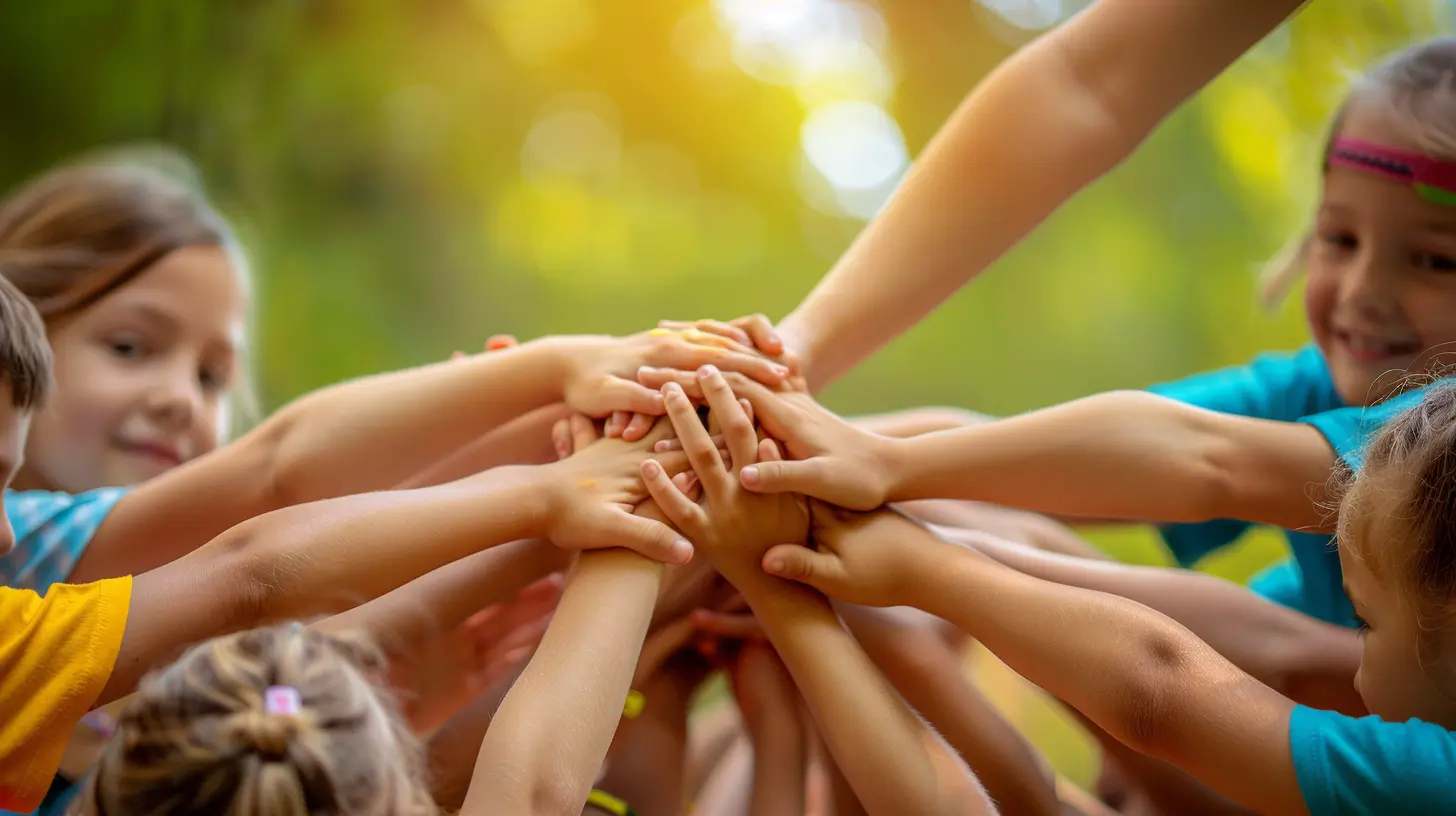
What Is Collaborative Learning, Anyway?
Before we dive deep, let’s get clear on what we’re talking about. Collaborative learning is all about students working together—sharing ideas, solving problems, and building knowledge as a team. It throws out the “every person for themselves” mentality and swaps it with group-based strategies that promote teamwork and communication.This approach encourages students to take responsibility not only for their own learning but also for their peers’. It’s active, it’s engaging, and it mimics the real working world where no one succeeds in isolation.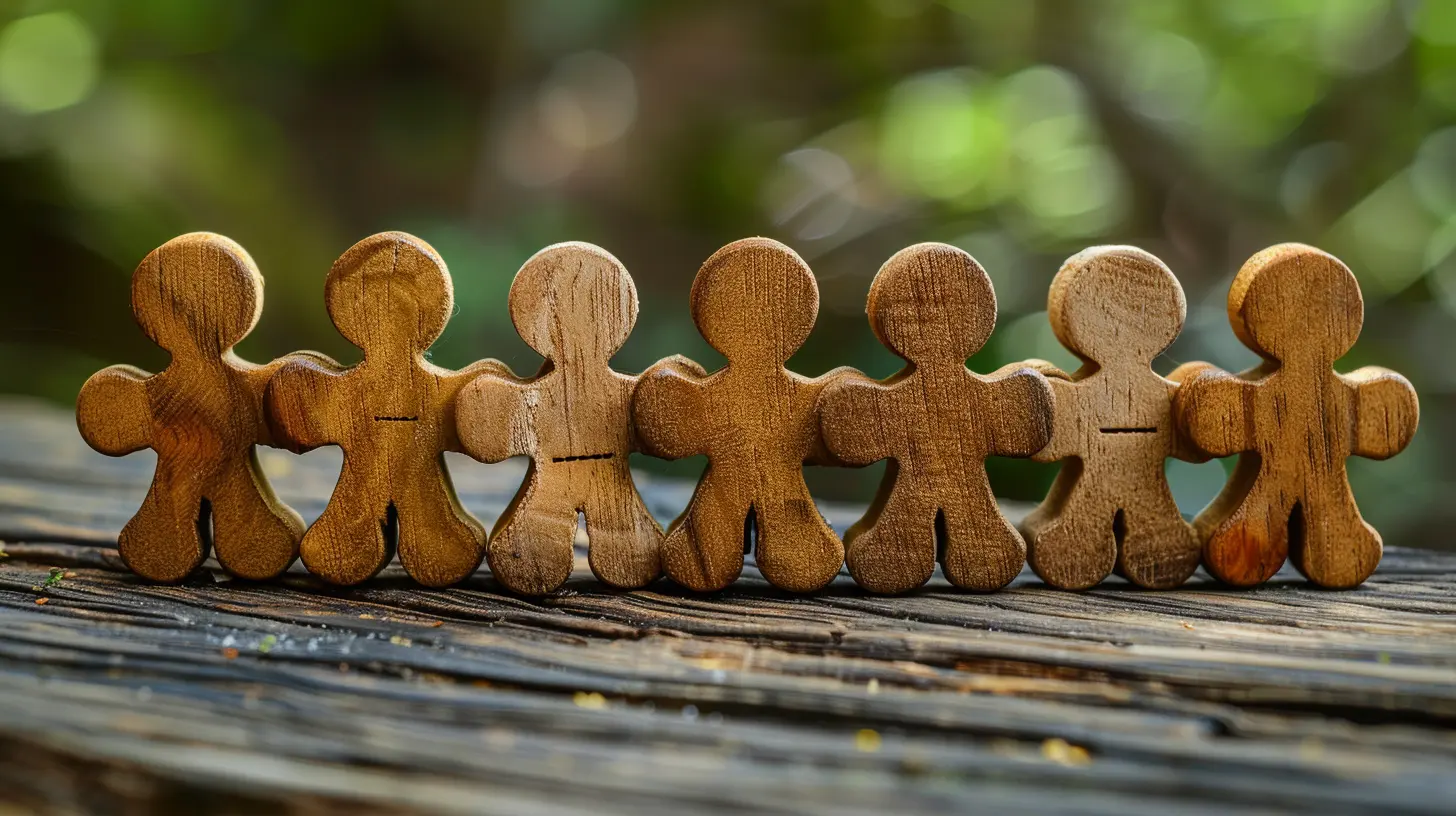
The Changing Face of the Workplace
Have you noticed how fast things are moving in the job market? Employers don’t just want someone who aced their exams. They need people who can work in diverse teams, think critically, and adapt quickly. Those rigid, solo-superstar employees? They’re slowly going out of style.The modern workforce is more interconnected than ever. Think: remote teams spread across time zones, project-based employment, cross-department collaborations, and AI-assisted roles. This environment demands more than just knowledge—it demands soft skills, problem-solving, leadership, and flexibility.
So, if schools are still pushing individual achievement as the gold standard, they’re missing the mark. And that’s where collaborative learning bridges the gap.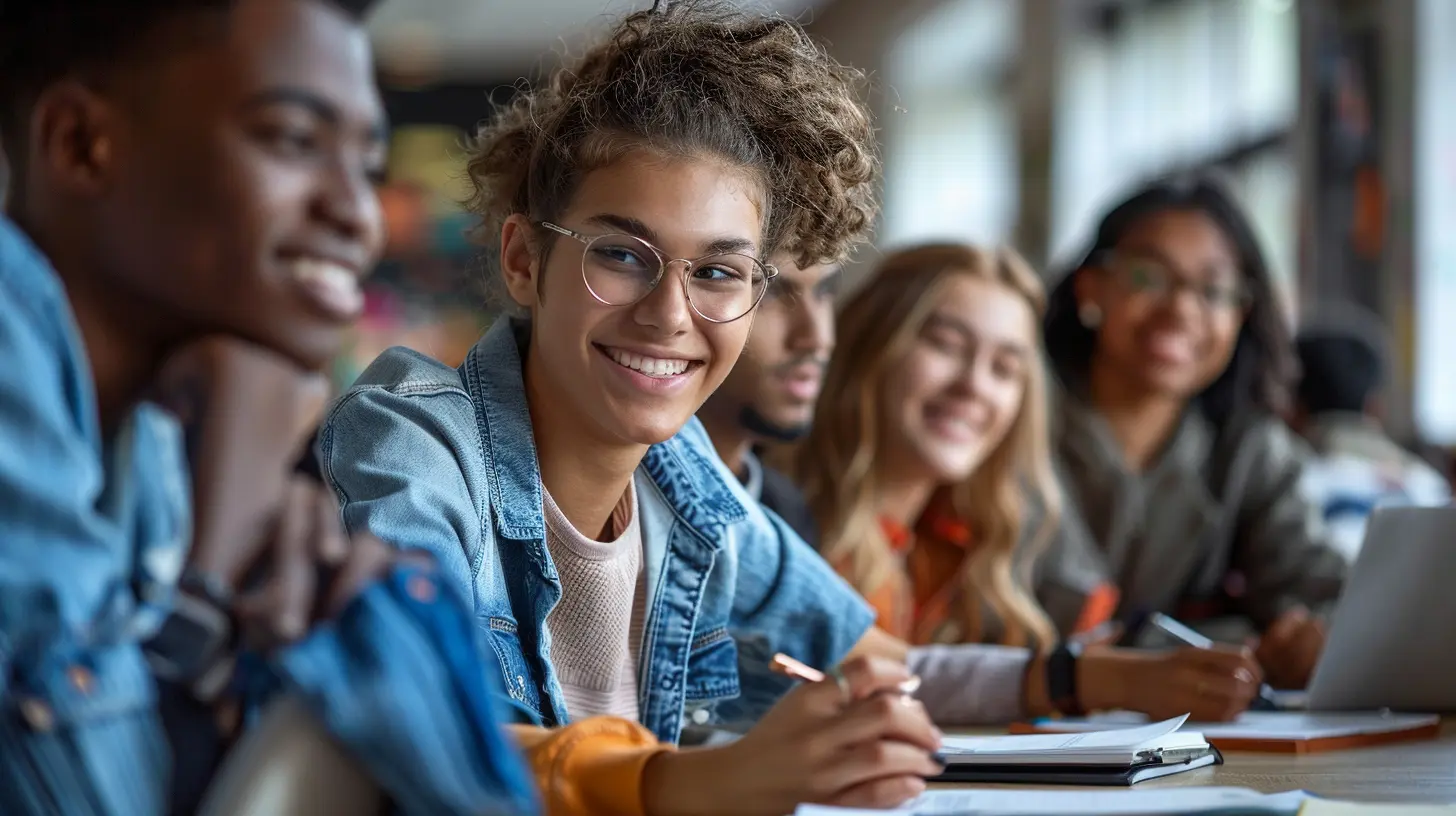
Real-World Skills Built Through Collaborative Learning
Let’s talk practicality. Collaborative learning isn’t about “being nice” or learning to "share the crayons." It builds solid, real-world skills that companies love. Here's a closer look:1. Teamwork and Interpersonal Communication
In almost every job, you’ll be working with others. Whether it's in-person or via Zoom, being able to communicate clearly, listen actively, and give constructive feedback is crucial. Collaborative learning gets students comfortable with these skills early on.They learn:
- How to divide tasks fairly
- How to articulate their thoughts
- How to handle disagreements without flipping tables (hopefully)
- How to encourage and motivate peers
These are things you can’t learn by memorizing facts for a test.
2. Problem-Solving and Critical Thinking
Real work problems don’t come with a step-by-step guide. They're messy, open-ended, and often have more than one solution. In collaborative learning, students tackle these kinds of problems together.They assess situations, bounce ideas off one another, challenge assumptions, and dig deep. This not only strengthens their problem-solving muscles but teaches them to think critically—questioning information instead of blindly accepting it.
3. Leadership and Initiative
In group work, roles naturally emerge. Some lead, some follow, some manage tasks. And guess what? That’s exactly how it works in professional settings. Collaborative learning gives students a safe space to try on different roles, step up, and discover their strengths.Some may find they're great at organizing, others at mediating or presenting. Either way, they get to test their leadership chops before they ever enter a cubicle.
4. Accountability and Time Management
In group projects, your actions (or inaction) affect others. That’s pressure, and it’s good pressure. It teaches students to manage their time better, show up prepared, and follow through on commitments.When someone drops the ball, the whole group feels it—just like in the workplace. So, students begin to take responsibility not just for themselves, but for the team's success.
Tech Meets Teamwork: Collaborative Learning in the Digital Age
Let’s not forget—collaborative learning isn’t limited to face-to-face group work. With digital platforms like Google Workspace, Microsoft Teams, Zoom, and dozens of educational tools, students can work together from anywhere.This shift teaches digital collaboration—something that's no longer optional in today’s tech-driven work environments. Being able to communicate through Slack, co-create documents online, or present via video call? That’s the new office norm.
Online collaboration also requires higher levels of clarity, patience, and cultural sensitivity, which are becoming essential in an increasingly global workplace.
The Ripple Effect on Emotional Intelligence
Fact: EQ (Emotional Intelligence) often trumps IQ in the workplace. Collaborative learning strengthens emotional intelligence in spades.By working in groups, students start picking up on nonverbal cues, managing conflicts, and learning empathy. These aren’t just "nice to have" skills—they're vital. Employers consistently rank emotional intelligence as a top trait for effective leadership and collaboration.
And here's the kicker: these skills stay with you for life. Whether you're mediating a work dispute or dealing with a difficult client, the empathy muscle you built during school group projects will come in handy.
Collaborative Learning Builds Confidence
Let’s face it—public speaking, idea pitching, and defending your opinions can be scary. But collaborative environments create a space where students can practice these skills safely.They learn to speak up, even if they’re shy. They learn that their voice matters. And when peers support each other, it builds collective confidence—a trait that sticks with them into the workplace.
So when it’s time for that first job interview or presentation? They’re not deer in headlights. They’re ready.
Feedback Gets Real
Another major workforce prep perk of collaborative learning? Real-time feedback. Unlike traditional classrooms where feedback may come weeks after an assignment, in collaborative setups, students get immediate responses from peers and teachers.This lightning-fast feedback loop helps them adapt quicker, correct mistakes on the fly, and improve dynamically—just like at work. Projects evolve, discussions spark new ideas, and students learn the power of iteration rather than perfection.
How Educators Can Foster Collaborative Learning
Ready to bring more collaboration into the classroom? Here are a few strategies educators (and even parents) can use to maximize the benefits:1. Create Diverse Groups
Mix it up. Put students with different strengths, backgrounds, and personalities together. It mirrors the diversity of the workforce and encourages new perspectives.2. Set Clear Goals and Roles
Structure is important. Make sure each group has defined roles and clear objectives to avoid chaos or freeloading.3. Use Real-World Projects
Design assignments that mimic real-life challenges. Let students build marketing plans, solve environmental issues, or simulate business models. This adds purpose and relevance.4. Integrate Technology
Use online tools to enhance collaboration. This prepares students for remote work and teaches them how to navigate digital communication tools effectively.5. Encourage Reflection
After group projects, have students reflect on what worked, what didn’t, and what they learned about working with others. This metacognitive step boosts retention and personal growth.Employers Are Paying Attention (And So Should We)
Industries aren’t just noticing the effects of collaborative learning—they’re expecting them. Organizations like Google, IBM, and Apple prioritize candidates with strong soft skills, especially in communication, teamwork, and leadership.In fact, LinkedIn’s annual Workforce Report consistently shows that these skills are among the most in-demand. That’s good news for students who’ve had the chance to build them through collaborative learning.
More and more, hiring managers are asking: "Can this person work on a team? Can they handle feedback? Can they lead a project?" Collaborative learning experiences help students answer "yes" with confidence.
Final Thoughts: It’s More Than Group Work
Let’s stop thinking of collaborative learning as just group work with a fancy name. It’s a preparation model—one that helps students move beyond memorization and into application. Into real-life learning. Into team dynamics. Into future careers.So the next time students groan at the thought of a group assignment, remind them: this is more than a grade—it’s a rehearsal for the big stage. Because in the workforce, no one claps for solo performers. It’s the band that makes the music.
all images in this post were generated using AI tools
Category:
Collaborative LearningAuthor:

Bethany Hudson
Discussion
rate this article
2 comments
Beau Wilcox
Collaborative learning cultivates essential skills that are vital in today's workforce, such as teamwork, communication, and problem-solving. By engaging in group projects and discussions, students learn to navigate diverse perspectives and adapt to various roles, ultimately enhancing their preparedness for future career challenges.
August 18, 2026 at 2:53 AM
Bethany Hudson
You're absolutely right. Collaborative learning not only builds key skills but also fosters adaptability, which is crucial in today's job market. Engaging with diverse perspectives truly prepares students for real-world challenges.
Fiona Benson
This article highlights the importance of collaboration in education, showing how these skills truly benefit students in their future careers.
August 16, 2026 at 2:51 AM
Bethany Hudson
Thank you for your thoughtful comment! I completely agree that collaboration is crucial for student success in their careers.