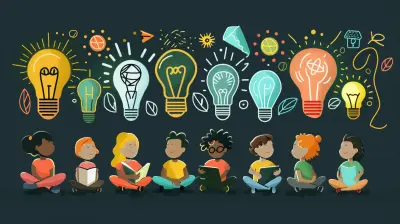
How Learning Communities Will Drive Soft Skills Development
23 November 2026
In the evolving landscape of education, soft skills have emerged as the unsung heroes of personal and professional success. While technical expertise remains important, the ability to communicate, collaborate, and think critically is increasingly recognized as essential. Enter learning communities: dynamic hubs where individuals not only acquire knowledge but also cultivate these vital soft skills. In this article, we will delve into how learning communities can be the driving force behind soft skills development, providing insights, examples, and practical advice along the way.

Understanding Soft Skills
Before we dive into the role of learning communities, let's clarify what we mean by soft skills. Unlike hard skills, which are specific and measurable (think coding or data analysis), soft skills are more about how we interact with others. Some key soft skills include:- Communication: The ability to convey information clearly and effectively.
- Teamwork: Collaborating with others to achieve a common goal.
- Emotional Intelligence: Recognizing and managing one's own emotions and understanding others' feelings.
- Problem-Solving: Approaching challenges with a creative and analytical mindset.
- Adaptability: Adjusting to new situations and challenges with ease.
These skills are often what separate the good from the great in any profession. Learning communities provide a fertile ground for developing these abilities through real-world interactions and shared experiences.

What Are Learning Communities?
Learning communities are groups of individuals who come together with a shared purpose, typically centered around education or personal growth. These communities can take many forms-classrooms, online platforms, workshops, or clubs. The key is that they foster connections among participants, creating an environment where learning is not a solitary endeavor but a collaborative journey.The Structure of Learning Communities
A well-structured learning community typically includes:- Diverse Participants: Members from different backgrounds and expertise levels contribute unique perspectives.
- Shared Goals: A common focus, whether it be a specific project, skill development, or tackling a particular challenge.
- Facilitated Discussions: Guided conversations and activities that encourage participation and engagement.
- Feedback Mechanisms: Opportunities for peer review and constructive criticism, which are crucial for growth.
The Benefits of Learning Communities
So why do learning communities excel at developing soft skills? Here are a few reasons:1. Real-World Practice: Unlike traditional classrooms, learning communities often simulate real-life situations where soft skills are put into practice.
2. Peer Learning: Participants learn not just from facilitators but from each other, gaining insights that can only come from diverse experiences.
3. Safe Environment: A supportive community encourages risk-taking and experimentation, which are vital for developing confidence in soft skills.
4. Networking Opportunities: Building relationships within a community can lead to mentorship, collaboration, and future career opportunities.

How Learning Communities Foster Soft Skills
1. Enhanced Communication Skills
In a learning community, members engage in discussions, share ideas, and present information. This constant interaction helps refine their communication skills. For example, consider a group project where participants must articulate their thoughts and listen to others. Such experiences foster clarity in expression and the ability to engage in constructive dialogue.Best Practice: Encourage members to practice active listening. This involves fully concentrating on what others say, rather than just waiting for their turn to speak. Active listening not only improves communication but also builds trust within the community.
2. Teamwork and Collaboration
Working in a group setting is a hallmark of learning communities. Members must learn to navigate different personalities, negotiate roles, and collaborate towards a shared goal. For instance, a community that organizes a charity event will require participants to divide tasks, create schedules, and support one another.Common Mistake: Some individuals might dominate discussions or tasks, stifling collaboration. Encourage equal participation by assigning roles that rotate among members, ensuring everyone has a voice.
3. Developing Emotional Intelligence
Learning communities often expose participants to diverse viewpoints and backgrounds. This diversity can enhance emotional intelligence as members learn to empathize with others and understand different perspectives. A group discussion about cultural differences, for instance, can lead to deeper insights into how emotions shape interactions.Nuanced Explanation: While emotional intelligence can be developed through experience, it also requires reflection. Encourage members to journal their thoughts after group interactions to assess their emotional responses and learn from them.
4. Problem-Solving Skills
Groups often face challenges that require collective problem-solving. Whether it's overcoming a conflict or tackling a complex project, members must think critically and creatively. For example, if a community project encounters budget constraints, members might brainstorm innovative fundraising strategies, combining their strengths and insights.Actionable Recommendation: Implement brainstorming sessions where no idea is too wild. Such sessions encourage creative thinking and help members become more comfortable with unconventional solutions.
5. Adaptability
In a learning community, changes are inevitable-whether due to new information, shifting goals, or unforeseen challenges. Participants learn to adapt their strategies and approaches, fostering resilience. A classic example is a community that pivots from an in-person event to a virtual format due to unforeseen circumstances.Trade-Off: While adaptability is crucial, it can lead to feelings of uncertainty. Establishing a clear communication strategy can help mitigate anxiety when changes occur, ensuring everyone feels informed and involved.

Case Studies: Successful Learning Communities
1. The Community of Practice
A group of educators forms a community of practice focused on integrating technology in the classroom. Regular meetings allow them to share successes and setbacks, enhancing their collaborative skills and problem-solving abilities. As they tackle challenges together, they also develop a deeper understanding of their students' needs, directly impacting their teaching methods.2. Online Learning Platforms
Consider an online learning platform where participants engage in forums, group projects, and peer reviews. The platform's structure encourages discussions that enhance communication skills and emotional intelligence. Participants provide feedback to each other, honing their ability to critique constructively and absorb criticism graciously.3. Nonprofit Organizations
Many nonprofit organizations foster learning communities among volunteers. Volunteers often come from various backgrounds and share a common goal: to make a difference. This environment encourages collaboration, emotional intelligence, and teamwork as they work together on projects that benefit the community.Overcoming Challenges in Learning Communities
While learning communities are powerful, they are not without their challenges. Here are some common hurdles and how to overcome them:1. Resistance to Participation
Some individuals may feel hesitant to engage fully, worried about judgment or criticism. To address this, establish ground rules that promote respect and confidentiality. Creating a culture of safety will encourage members to share openly.2. Conflicting Personalities
Diverse backgrounds can sometimes lead to conflicts. Implement conflict resolution strategies, such as mediation or structured dialogues, to help members navigate disagreements constructively.3. Time Constraints
Busy schedules can hinder participation in learning communities. Encourage flexibility in meeting times and formats (like asynchronous discussions) to accommodate various schedules while maintaining community engagement.
Measuring Success in Soft Skills Development
To assess the effectiveness of a learning community in fostering soft skills, consider the following metrics:- Peer Feedback: Regular feedback from members can help gauge improvements in communication and collaboration.
- Self-Assessment: Encourage members to reflect on their soft skills development through self-assessments.
- Outcome Tracking: Monitor changes in members' performance in real-world situations, such as job placements or internships, where soft skills are crucial.
Conclusion
Learning communities are not just about sharing knowledge; they are vibrant ecosystems that nurture soft skills essential for success in today's world. By fostering communication, teamwork, emotional intelligence, problem-solving, and adaptability, these communities equip individuals with the tools they need to thrive. As education continues to evolve, embracing the collaborative spirit of learning communities will be key to developing well-rounded individuals prepared for the challenges ahead.
all images in this post were generated using AI tools
Category:
Learning CommunitiesAuthor:

Bethany Hudson