How Learning Communities Will Shape Education by 2027
12 May 2026
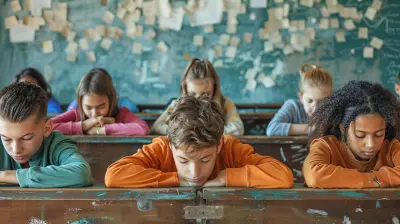
Remember the last time you tried to learn something on your own? Maybe you picked up a guitar, opened a coding tutorial, or watched a YouTube video on how to fix a leaky faucet. Chances are, you gave up after a few days. Not because you weren't motivated, but because learning alone feels like shouting into an empty room. There is no one to ask questions, no one to celebrate your small wins, no one to drag you back when you drift off course.
Now, think about the last time you learned something in a group. A book club, a workout class, a study group before a big exam. Did you stick with it longer? Did you understand more? Did you actually enjoy it?
That difference is the heart of what is about to happen in education. By 2027, the idea of learning as a solo activity, a student staring at a screen or a textbook in isolation, is going to feel as outdated as a flip phone. The future belongs to learning communities. Not just online forums or group chats, but real, structured, vibrant ecosystems where people learn together, from each other, and for each other.
Let me explain why this is happening, how it will work, and what it means for you, whether you are a student, a teacher, a parent, or just someone who never wants to stop learning.
The Death of the Lone Learner
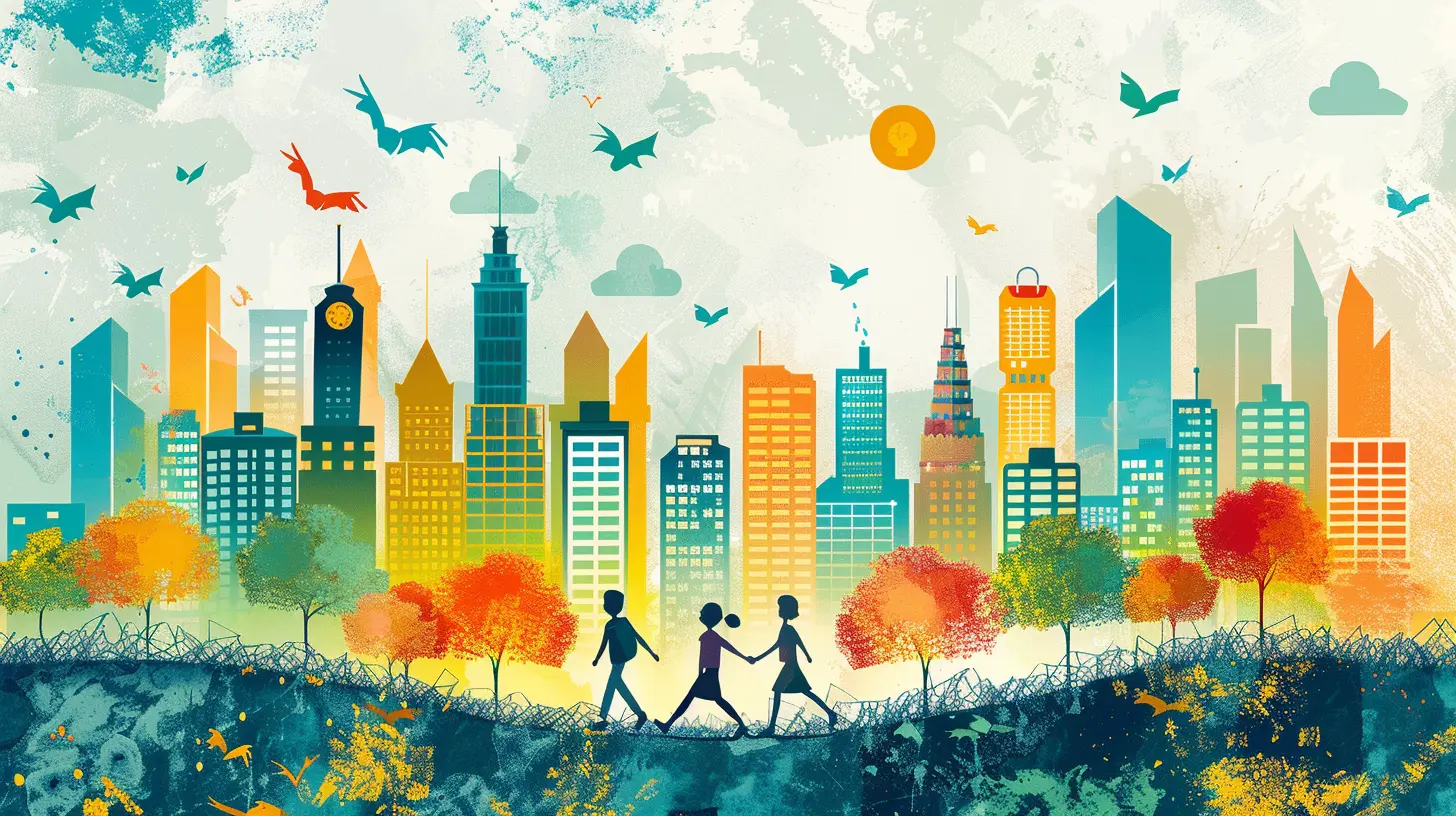
For a long time, education has been built on a flawed model. We call it the "sage on the stage." One expert stands in front of a room and pours knowledge into passive heads. You take notes, you memorize, you regurgitate. If you fail, it is your fault. If you succeed, you did it alone.This model is already crumbling. Why? Because the internet democratized information. You do not need a teacher to tell you what the capital of Mongolia is. You can Google it in two seconds. You do not need a lecture to understand the basics of photosynthesis. You can watch a five-minute animation.
So what is left? The hard stuff. The messy stuff. The stuff that requires discussion, argument, collaboration, and feedback. The stuff that only happens when people talk to each other.
By 2027, schools, universities, and even corporate training programs will realize that the real value of education is not the content. It is the community. The content is everywhere. The community is what makes it stick.
What Exactly Is a Learning Community?
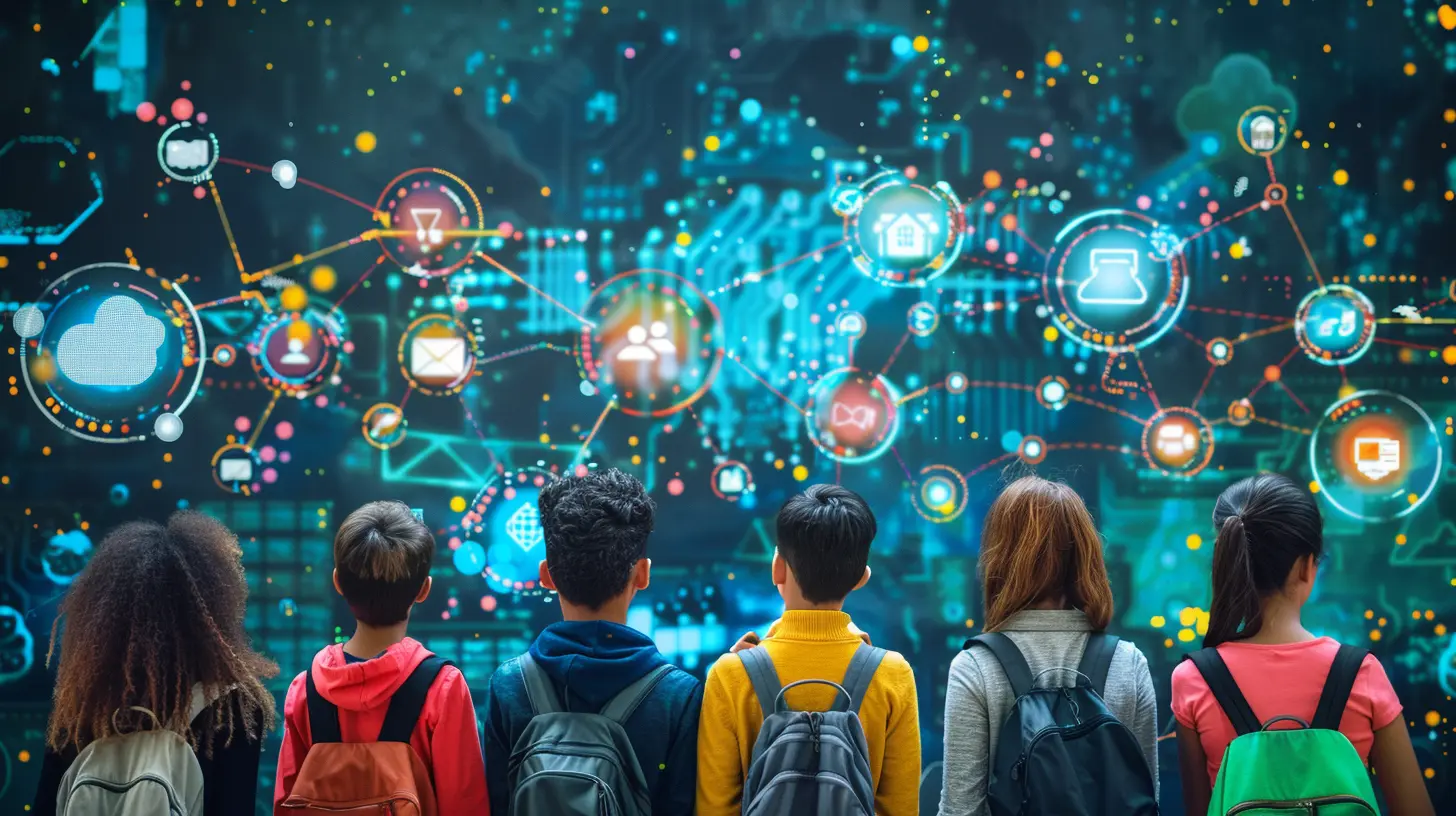
Let me be clear. A learning community is not a Slack channel where you post homework questions. It is not a Facebook group for your class. It is not even a study group that meets once a week.A learning community is a group of people who share a common learning goal and actively support each other in reaching it. It has structure. It has rituals. It has shared accountability. It feels less like a classroom and more like a team.
Think of it like a garden. In a traditional classroom, you are a single plant in a pot. You get water, sunlight, and soil, but you are alone. In a learning community, you are part of a whole ecosystem. The roots intertwine. The plants share nutrients. When one plant gets too much sun, another provides shade. When one is weak, the others prop it up.
That is the metaphor. And by 2027, this garden model will be the norm, not the exception.

Why 2027? Why Now?
You might be thinking, "People have talked about collaborative learning for decades. What makes 2027 different?"Three things.
First, technology has finally caught up with the vision. We have tools that allow for real-time collaboration, asynchronous discussion, peer review, and project management. Not just Zoom calls, but platforms designed specifically for group learning. Think of platforms like Discord, Notion, Miro, and specialized learning management systems that prioritize interaction over content delivery.
Second, the workforce is demanding it. Employers do not care if you can memorize facts. They care if you can work on a team, solve problems together, and communicate effectively. The World Economic Forum has been shouting this for years. By 2027, the gap between what schools teach and what jobs require will be so wide that education systems will have no choice but to change.
Third, we are burned out on isolation. The pandemic showed us that online learning, when done badly, is soul-crushing. Students felt disconnected. Teachers felt exhausted. Everyone realized that learning is not just about information transfer. It is about human connection. That hunger for connection will drive the shift.
How Learning Communities Will Change the Classroom
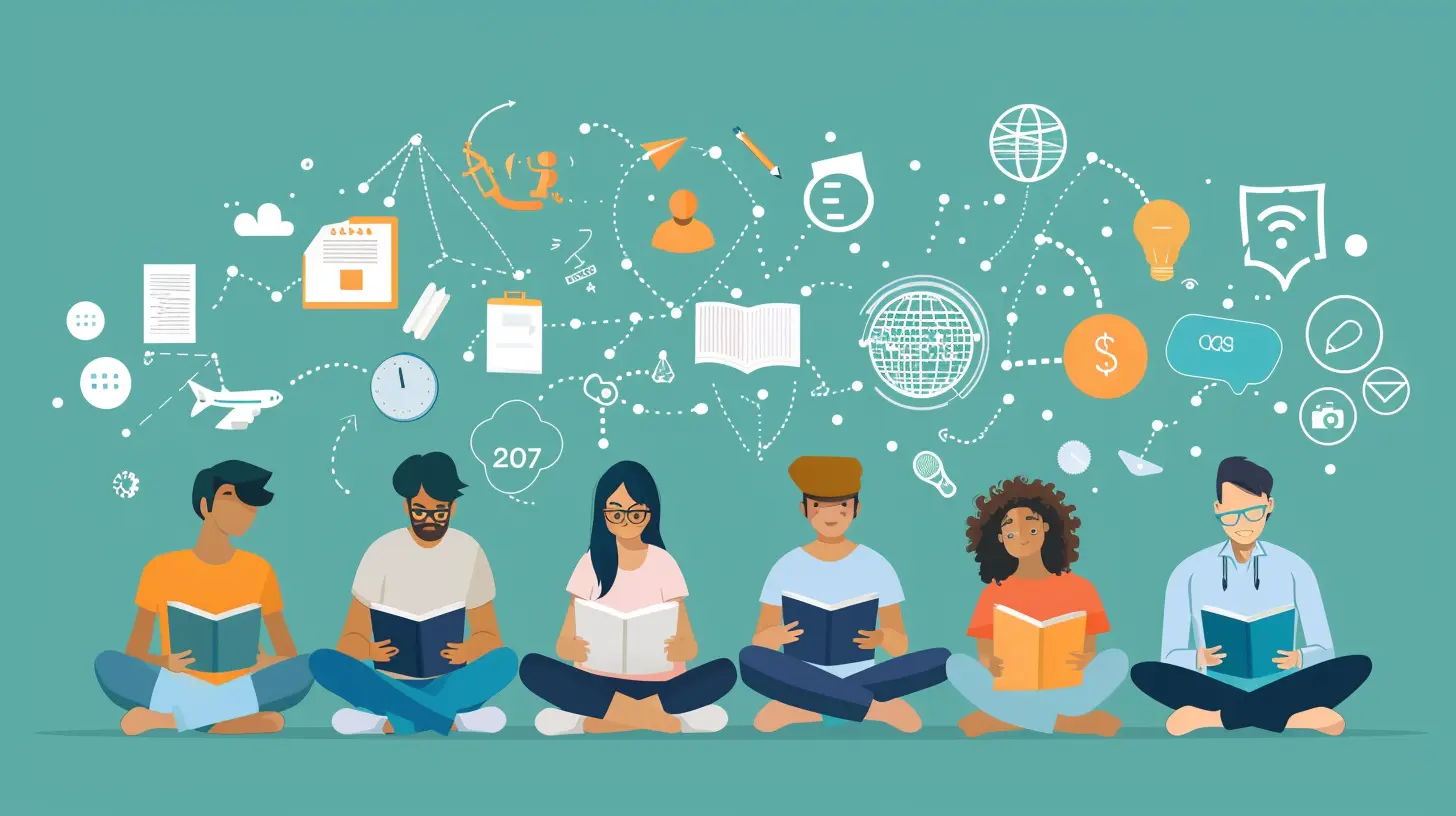
Let me paint a picture of a classroom in 2027.There are no rows of desks facing a whiteboard. Instead, there are clusters of tables, each with four or five students. There is no teacher lecturing for forty-five minutes. Instead, the teacher moves from group to group, asking questions, challenging assumptions, and offering guidance.
The students are working on a project, but it is not a typical group project where one person does all the work and the others coast. This is different. Each student has a specific role. One is the researcher, another is the designer, another is the communicator, and another is the quality checker. They rotate roles every week. They have a shared document where they track their progress. They have a peer feedback system where they give each other honest, constructive criticism.
The teacher does not grade their final product alone. The whole community evaluates it. Students present their work to the group, answer questions, and defend their choices. Learning stops being about getting an A and starts being about contributing to the group's understanding.
This is not a fantasy. This is already happening in progressive schools. By 2027, it will be mainstream.
The Power of Social Accountability
Here is a simple truth that most educators ignore: humans are lazy. We are wired to take the path of least resistance. If no one is watching, we will procrastinate. If no one cares, we will half-ass it.But put us in a community, and everything changes.
Think about a gym. Working out alone is hard. You skip days. You cut your sets short. But join a CrossFit box or a running club, and suddenly you show up even when you are tired. Why? Because people are counting on you. You do not want to let them down. You do not want to be the one who did not show up.
Learning communities work the same way. When you know that your study group is waiting for you at 7 PM, you show up. When you know that your partner is depending on your research to finish the presentation, you do your research. When you know that you will have to explain a concept to someone else, you make sure you understand it yourself.
This is social accountability, and it is the most powerful motivator we have. By 2027, every effective learning program will be built around it.
The Rise of Peer-to-Peer Teaching
One of the biggest shifts in learning communities is the role of the "teacher." In the old model, the teacher is the source of all knowledge. In the new model, the teacher is a facilitator, a curator, and a coach.Why? Because research shows that the best way to learn something is to teach it. When you explain a concept to someone else, you have to organize your thoughts, clarify your understanding, and answer their questions. This deepens your own learning.
In a learning community, everyone is both a student and a teacher. You might be struggling with calculus but be great at writing. So you help your peers with their essays, and they help you with derivatives. This creates a culture of mutual support rather than competition.
By 2027, peer-to-peer teaching will be a formal part of curriculum design. Schools will train students in how to give feedback, how to ask good questions, and how to explain complex ideas simply. These are life skills that no standardized test can measure, but that every job requires.
The Role of Technology: Tools, Not Cages
I mentioned technology earlier, but I want to be careful here. The worst thing we can do is to use technology to replicate the old model. If you just put a lecture on a screen and call it "online learning," you have not changed anything. You have just made it worse.The technology of 2027 will be designed to facilitate community, not replace it.
Imagine a platform that matches you with a study partner based on your learning style and schedule. Imagine a tool that analyzes your writing and suggests peers who can give you feedback on specific areas. Imagine a virtual space where you can gather with your learning community, share screens, draw on whiteboards, and work together in real time, even if you are on different continents.
These tools already exist in primitive forms. By 2027, they will be seamless, intuitive, and integrated into every learning experience. The goal is not to make learning more digital. The goal is to make it more human.
Breaking Down the Walls of School
One of the most exciting aspects of learning communities is that they do not have to stay inside the classroom.By 2027, the boundary between school and the real world will blur. Learning communities will include professionals, mentors, alumni, and experts from around the world. A high school student studying climate change might be in a learning community with a scientist in Norway, a policy maker in Kenya, and a farmer in Brazil. They will learn from each other, share data, and collaborate on real solutions.
This is already happening with platforms like Outschool and virtual exchange programs. But by 2027, it will be standard. Schools will partner with organizations to create "learning pods" that connect students with people who are actually doing the work they are studying.
Why read about marine biology in a textbook when you can join a weekly video call with a marine biologist who is tracking sea turtles in the Pacific? Why write a paper about entrepreneurship when you can pitch your idea to actual investors and get feedback?
Learning communities make the world the classroom.
What About Assessment?
This is the million-dollar question. How do you grade someone in a learning community? You cannot just give a multiple-choice test. That would defeat the whole purpose.By 2027, assessment will look very different. It will be continuous, qualitative, and community-based.
Instead of a final exam, students will have portfolios of their work. They will have feedback from their peers. They will have reflections on their own growth. The teacher, or facilitator, will evaluate not just what the student knows, but how they contributed to the community. Did they help others? Did they ask good questions? Did they take responsibility for their role?
This is harder to measure than a test score. But it is also more honest. Life does not give you multiple-choice questions. Life gives you messy problems that require collaboration, creativity, and persistence. Learning communities prepare you for that.
The Emotional Side: Belonging and Motivation
Let me get personal for a moment.I have seen so many students who are smart, capable, and curious, but who hate school. They feel invisible. They feel like they are just a number. They feel like no one cares if they succeed or fail.
Learning communities fix that. When you are part of a small group that meets regularly, that checks in on you, that celebrates your wins and helps you through your struggles, you feel seen. You feel like you belong. You feel like your learning matters, not just to you, but to others.
This is not soft stuff. This is the foundation of motivation. When students feel connected, they try harder. They take risks. They persist through difficulty.
By 2027, schools will prioritize belonging as much as they prioritize academics. They will understand that a student who feels lonely cannot learn well. They will design learning communities that are not just academic, but social and emotional.
Challenges Ahead
I do not want to make this sound easy. Shifting to a learning community model requires a massive change in mindset, training, and infrastructure.Teachers need to be trained as facilitators, not lecturers. Schools need to redesign schedules, spaces, and grading systems. Parents need to trust a process that does not produce traditional grades. Students need to learn how to be accountable to each other.
There will be resistance. There always is. But the alternative, continuing with the old model, is not sustainable. Students are disengaged. Teachers are burned out. The world is changing too fast for static, isolated learning.
A Personal Invitation
If you are reading this and thinking, "This sounds great, but I am not in school," I have good news. Learning communities are not just for students. They are for everyone.You can start one today. Pick a topic you want to learn. Find three or four friends who are also interested. Set a schedule. Meet weekly. Hold each other accountable. Share resources. Teach each other.
You do not have to wait for 2027. You do not have to wait for the system to change. You can build your own learning community right now. That is the beauty of this model. It is accessible, flexible, and powerful.
The Big Picture
By 2027, education will not be about what you know. It will be about who you learn with. It will be about the relationships you build, the conversations you have, and the problems you solve together.Learning communities will shape education because they shape us. They remind us that we are not alone. They remind us that learning is not a race, but a shared journey. They remind us that the best way to grow is to grow together.
So the next time you sit down to learn something, ask yourself: Who can I learn this with? Because that is the question that will define the future of education.
all images in this post were generated using AI tools
Category:
Learning CommunitiesAuthor:

Bethany Hudson
Discussion
rate this article
1 comments
Abram O'Brien
This article really highlights the exciting potential of learning communities. It's amazing to think about how collaboration and shared experiences can transform education by 2027. I'm looking forward to seeing these changes in action!
May 13, 2026 at 3:47 AM
Bethany Hudson
Thanks for your thoughts! I'm glad you found the potential of learning communities exciting. The future looks bright for education.