How School Design Impacts Safety: Insights for Educators
26 October 2026
As an educator, you know that schools aren't just places for learning—they should also be safe havens where students feel secure and protected. But have you ever stopped to consider how much the design of a school affects its overall safety? If we look beyond the lesson plans and textbooks, there's a whole world of architecture and layout decisions that impact how safe a school feels and functions.
In this article, we're diving deep into how school design impacts safety and providing some valuable insights for educators like you. From lighting and visibility to emergency exits and even playground layouts, every aspect of school design plays a pivotal role in keeping students safe. Let's explore how, and what you can do to make your school a safer place.

Why School Design Matters for Safety
When we talk about "school design," we're not just talking about how pretty a building looks or how modern the furniture is. We're talking about the actual layout, structure, and even the materials used in constructing the school. The design of a school impacts everything—from how students move through the hallways to how quickly they can evacuate in an emergency.Think of school design as the foundation of a well-functioning learning environment. If the foundation isn't strong or well-thought-out, everything else—like security measures, emergency protocols, and even student behavior—can crumble. When done right, the design of a school can foster a sense of safety, security, and well-being, which is crucial for effective learning.
Now, let’s break down the various ways in which school design can directly affect safety.
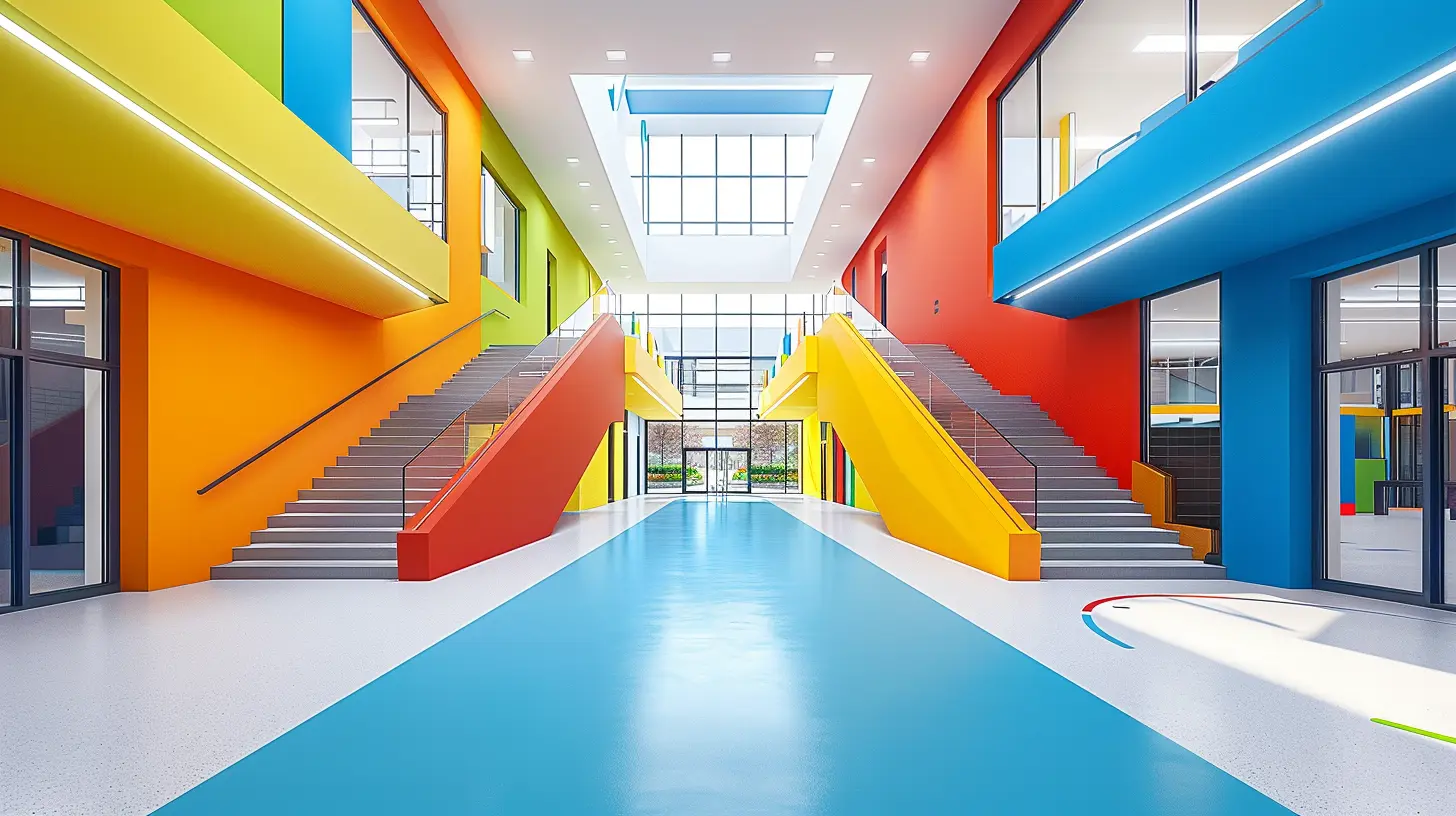
1. Visibility and Surveillance: Eyes on the Prize
Ever noticed how some schools have long, winding hallways while others are more open and spacious? That's not just a design choice; it's a safety feature. Schools designed with clear lines of sight make it easier for staff and security personnel to monitor students. This kind of visibility is crucial in preventing incidents like bullying, vandalism, or even more serious safety threats.Open layouts with wide corridors and large windows allow for natural surveillance, meaning teachers and staff can easily keep an eye on what's happening without needing to be everywhere at once. Think of it like having a bird’s-eye view of the entire school—it's much easier to spot trouble before it escalates when you can see everything clearly.
1.1. The Role of Technology in Visibility
In addition to architectural design, the use of security cameras and surveillance systems has become pretty common in modern schools. When these systems are thoughtfully integrated with the school's design, they can act as an extra set of eyes, ensuring that all areas of the school are properly monitored.However, cameras alone aren't enough. The layout of the school needs to make sure that there are no "blind spots" where incidents can happen undetected. That’s why combining smart technology with effective design is key to ensuring student safety.
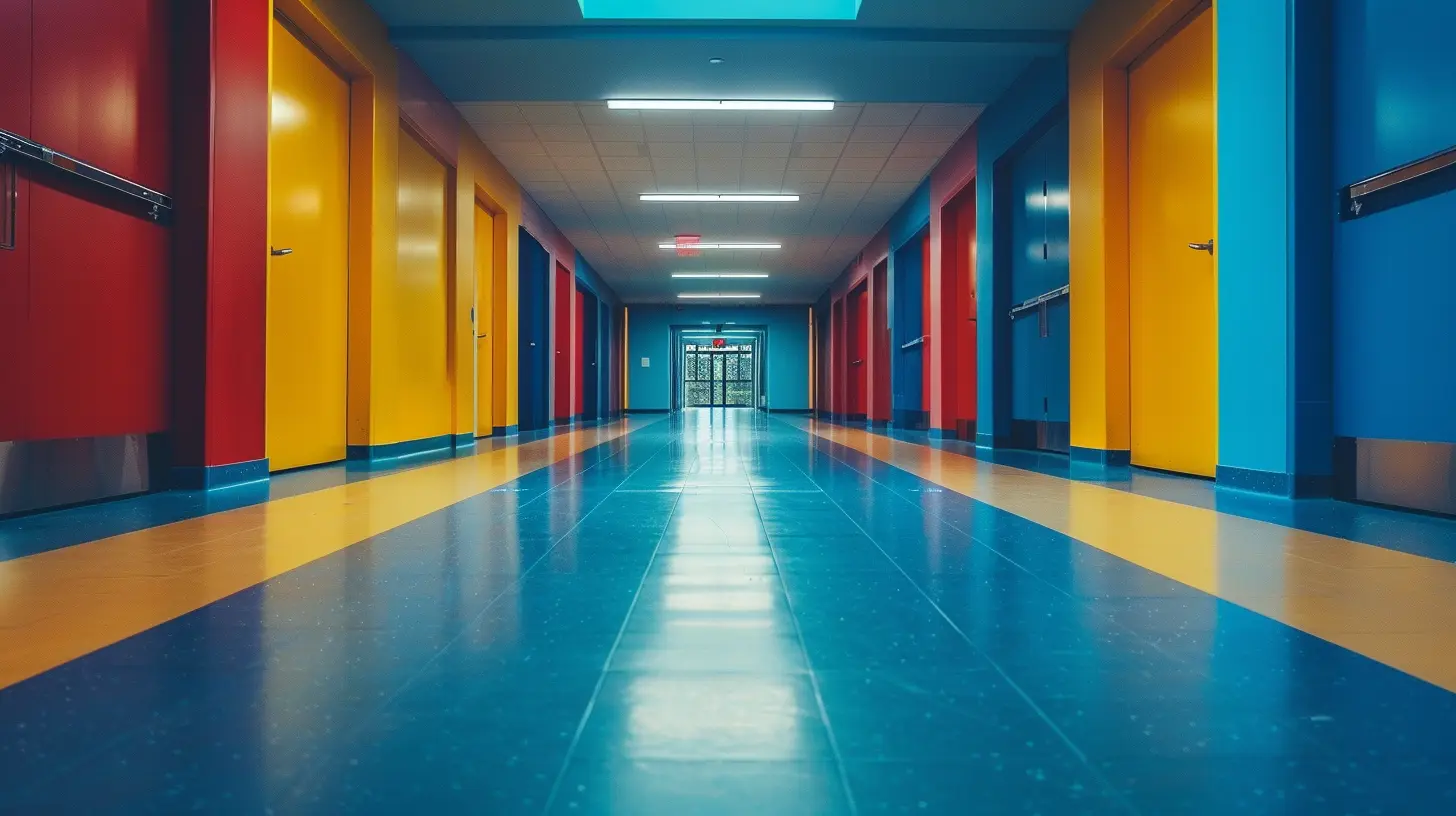
2. Controlled Access: Keeping the Perimeter Secure
Imagine a school where anyone can walk in and out without being questioned. It sounds like a recipe for disaster, right? This is why controlling access to school buildings is so critical. Schools that are designed with secure entry points, such as a single main entrance with locked doors and a front office check-in area, are much safer than those without these features.But it’s not just about locking doors. The design should also make it easy to monitor who is coming and going. A well-placed front office with large windows facing the entrance can make it easier for staff to keep an eye on visitors and ensure that only authorized individuals are allowed in. In essence, the design should create a system of checks and balances at every entry point.
2.1. Fencing and Landscaping: Natural Barriers
Sometimes, it's the simplest things that make the biggest difference. Well-designed fencing and smart landscaping can act as natural barriers that direct foot traffic and prevent unauthorized access. A fence doesn’t have to look like a prison wall to be effective; it just needs to create a clear boundary between the school and the outside world.Landscaping can also work as a subtle form of crowd control. For instance, shrubs or greenery placed strategically around the perimeter can discourage people from trying to enter the school grounds from unauthorized areas.

3. Emergency Exits and Evacuation Routes: Efficiency is Key
When an emergency happens, every second counts. Whether it’s a fire, natural disaster, or any other kind of crisis, schools need to be designed with efficient evacuation routes in mind. Poorly designed layouts can cause bottlenecks, confusion, and delays that could potentially put lives at risk.The best school designs have clearly marked emergency exits and multiple pathways for students and staff to evacuate safely. These exits should be easy to access from all parts of the school, and routes should be straightforward and intuitive. After all, during an emergency, people don’t have time to stop and think—they need to be able to act quickly.
3.1. Regular Drills and Planning
Of course, even the best-designed evacuation routes are useless if no one knows how to use them. That’s why regular fire drills and emergency preparedness training are essential. Educators should work closely with school administrators to ensure that students are familiar with the exits and procedures. The combination of well-designed routes and regular practice can make a world of difference in an emergency.4. Lighting: Shedding Light on Safety
Believe it or not, lighting plays a massive role in school safety. Poorly lit areas, like dark hallways or outdoor spaces, can create opportunities for accidents or unsafe behavior. On the flip side, areas that are well-lit tend to feel more secure and are easier to monitor.Natural light, in particular, has been shown to improve both safety and the overall mood of students. Schools designed with plenty of windows and skylights not only feel more open and inviting but also reduce the need for artificial lighting during the day.
4.1. Outdoor Lighting: After-Hours Safety
Don't forget about the outdoor spaces! Playgrounds, parking lots, and athletic fields need to be well-lit, especially during after-school activities. Installing bright, energy-efficient lighting in these areas can prevent accidents and deter any unwanted behavior after school hours.
5. Traffic Flow: Preventing Chaos in Hallways and Parking Lots
When we think of traffic, we usually picture cars on the road, but there's also "pedestrian traffic" to consider inside a school. Narrow hallways, overcrowded stairwells, and poorly designed common areas can lead to chaos, especially during busy times like class changes. In the worst cases, it can even lead to accidents or injuries.Schools that are designed with wide hallways, multiple staircases, and clear traffic-flow patterns reduce congestion and make it easier for students to move around safely. Similarly, parking lots and drop-off zones outside the school should be designed to minimize chaos and keep students, parents, and staff safe.
5.1. Signage and Wayfinding
Clear signage is another often-overlooked aspect of school design. Signs should be placed in strategic locations to guide students and visitors through the school. Whether it's directing people to classrooms, restrooms, or emergency exits, good signage can make a big difference in keeping everyone safe.6. Playground and Outdoor Safety: Where Fun Meets Function
For younger students, the playground is the heart of the school. But while playgrounds are places for fun, they also need to be designed with safety in mind. Poorly designed playgrounds can lead to injuries, which is why it's crucial to choose equipment that is age-appropriate and installed on safe surfaces like rubber padding or sand.Fencing around playgrounds is also a must, especially for schools located near busy roads. This not only keeps children safely contained but also prevents any unwanted visitors from entering the play area.
6.1. Supervision-Friendly Design
Playground designs should also take supervision into account. Sightlines should be clear so that teachers and staff can easily monitor students. A well-designed playground allows for both fun and safety to coexist harmoniously.
7. Classroom Design: Safety in Learning Spaces
Classrooms are where students spend most of their time, so it’s essential that they’re designed with safety in mind. Desks should be arranged in a way that allows for easy movement and quick evacuation if necessary. Additionally, classrooms should have multiple exits or at least windows that can be used as emergency exits in a worst-case scenario.7.1. Furniture and Materials
Even the furniture in a classroom can impact safety. For example, rounded edges on tables and desks can help prevent injuries. Similarly, using fire-resistant materials for curtains, carpets, and other classroom décor can make a difference in the event of an emergency.Conclusion: Why School Design is a Cornerstone of Safety
At the end of the day, school design is more than just an aesthetic choice—it's a critical factor in creating a safe and secure learning environment. From visibility and surveillance to emergency exits and playground layouts, every design decision plays a part in keeping students and staff safe.As educators, it's important to be aware of how these design elements impact safety so that you can advocate for safer learning environments. Whether you're planning a new school or looking to improve an existing one, understanding the relationship between school design and safety is the first step toward creating a space where everyone feels secure.
all images in this post were generated using AI tools
Category:
School SafetyAuthor:

Bethany Hudson