How STEM Can Drive Environmental Awareness in Classrooms
26 May 2026
Let’s face it—climate change, pollution, biodiversity loss—we’re not exactly being kind to our planet. But here’s the good news: we’ve got a secret weapon that can help turn the tide. And that weapon? STEM education.
Science, Technology, Engineering, and Mathematics (STEM) can do a whole lot more than just prepare students for techy careers. It can empower young minds to become environmental champions. By weaving environmental awareness into STEM lessons, we’re not just teaching kids to be smart—we’re teaching them to care.
In this article, we’re diving deep into how STEM can drive environmental awareness in classrooms. And if you're a teacher, homeschooler, or just curious about how education can truly make a difference—this one's for you.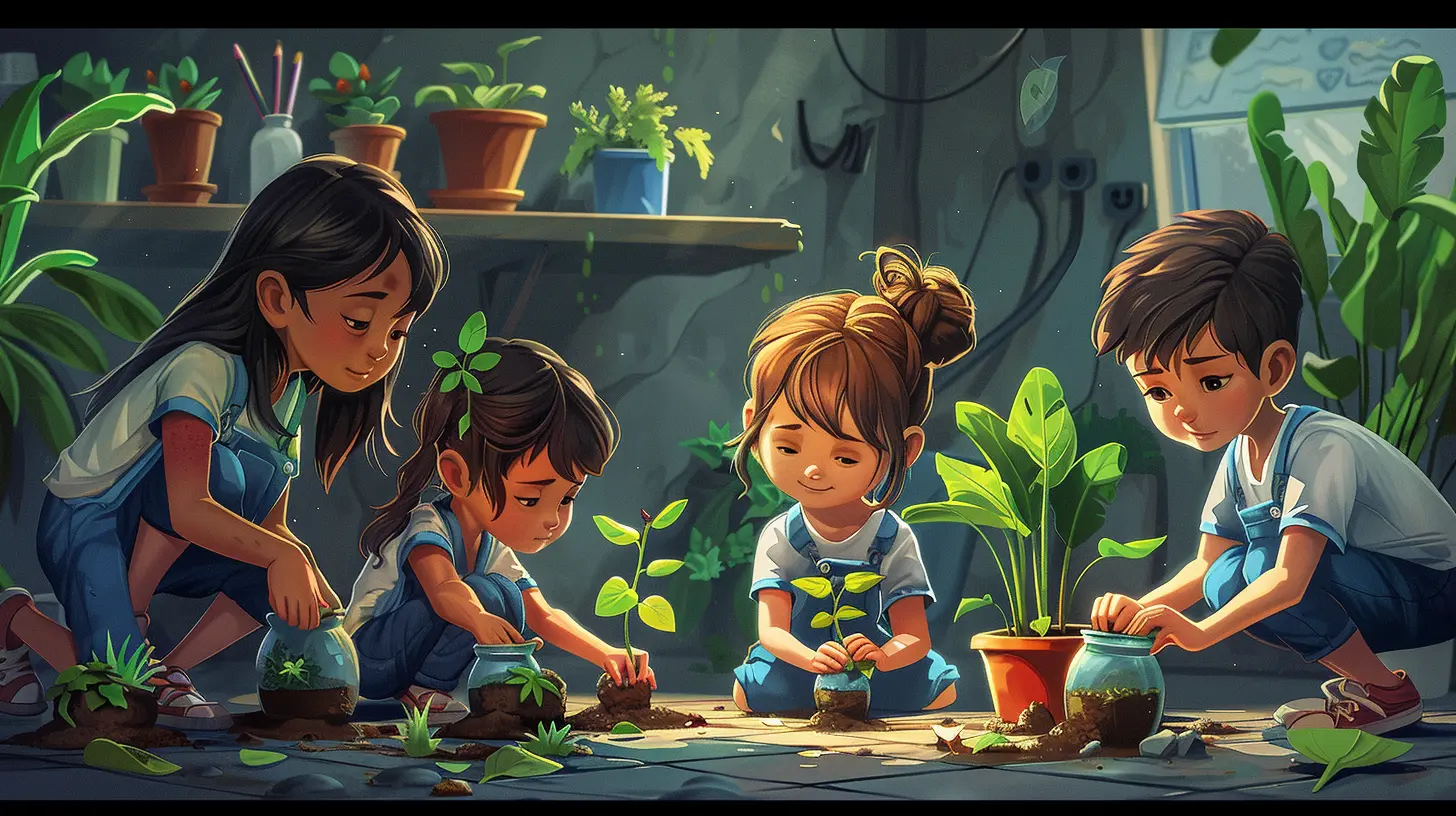
Why STEM Education Matters
Before we jump into the green stuff, let’s talk about STEM itself. What makes it so powerful?Well, STEM is all about problem-solving. It's about looking at issues from different angles and using logic, creativity, and innovation to come up with solutions. Now, imagine applying that mindset to solve the biggest problem our world faces: the environmental crisis.
When students learn STEM, they're not just memorizing facts. They’re learning how to evaluate evidence, test hypotheses, and build real-world solutions. It's like giving them a toolkit to fix a broken planet.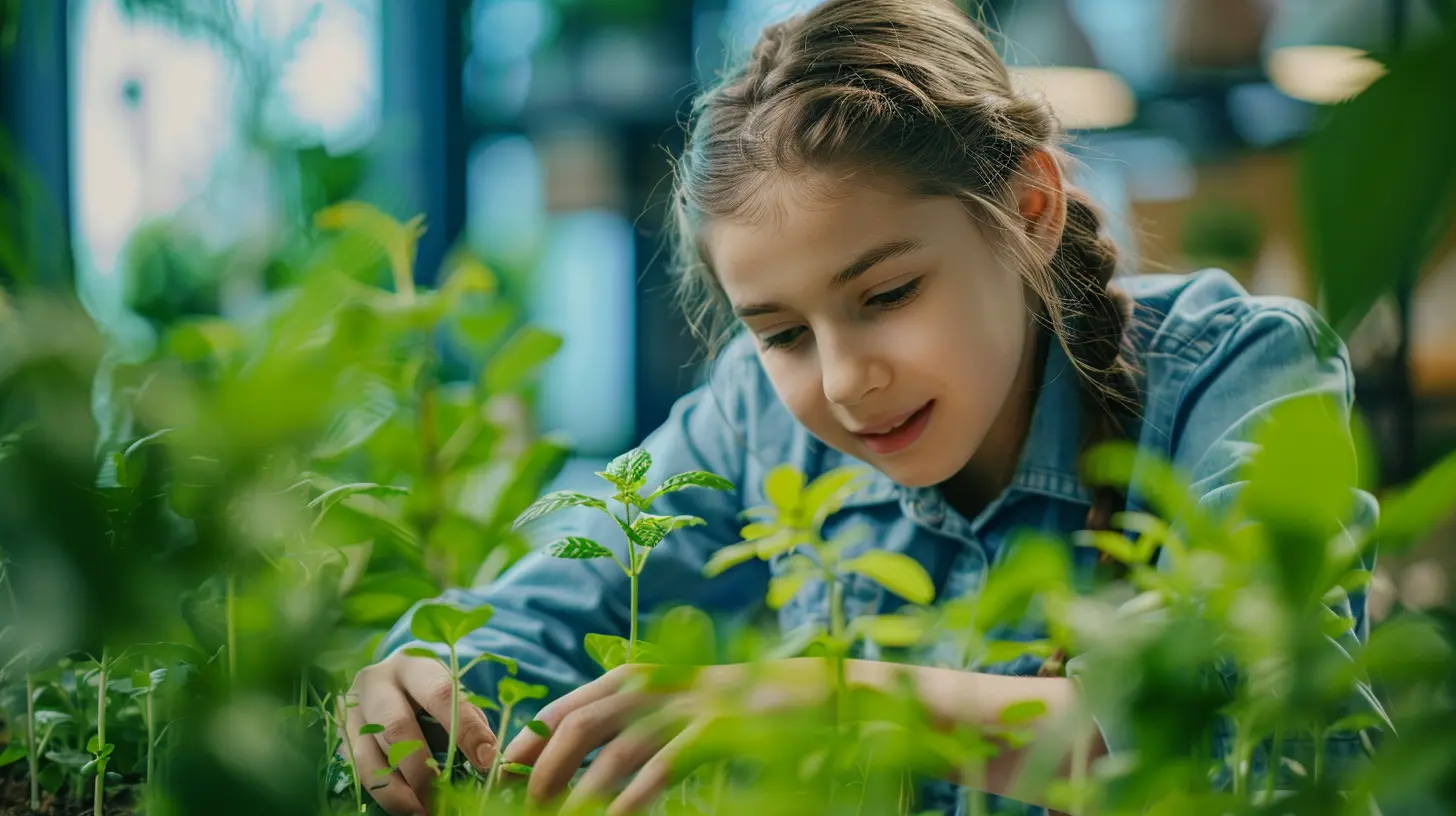
Connecting the Dots: STEM and Environmental Awareness
Schools often treat STEM and environmental education as separate subjects. But here’s the thing—they’re strongest together.Think of it this way: STEM is the “how” and environmental awareness is the “why.” When you combine the two, you get purpose-driven learning that sticks.
For example, instead of just teaching students how to code, imagine challenging them to build a website that educates their community about plastic pollution. That’s STEM with a heart—and a mission.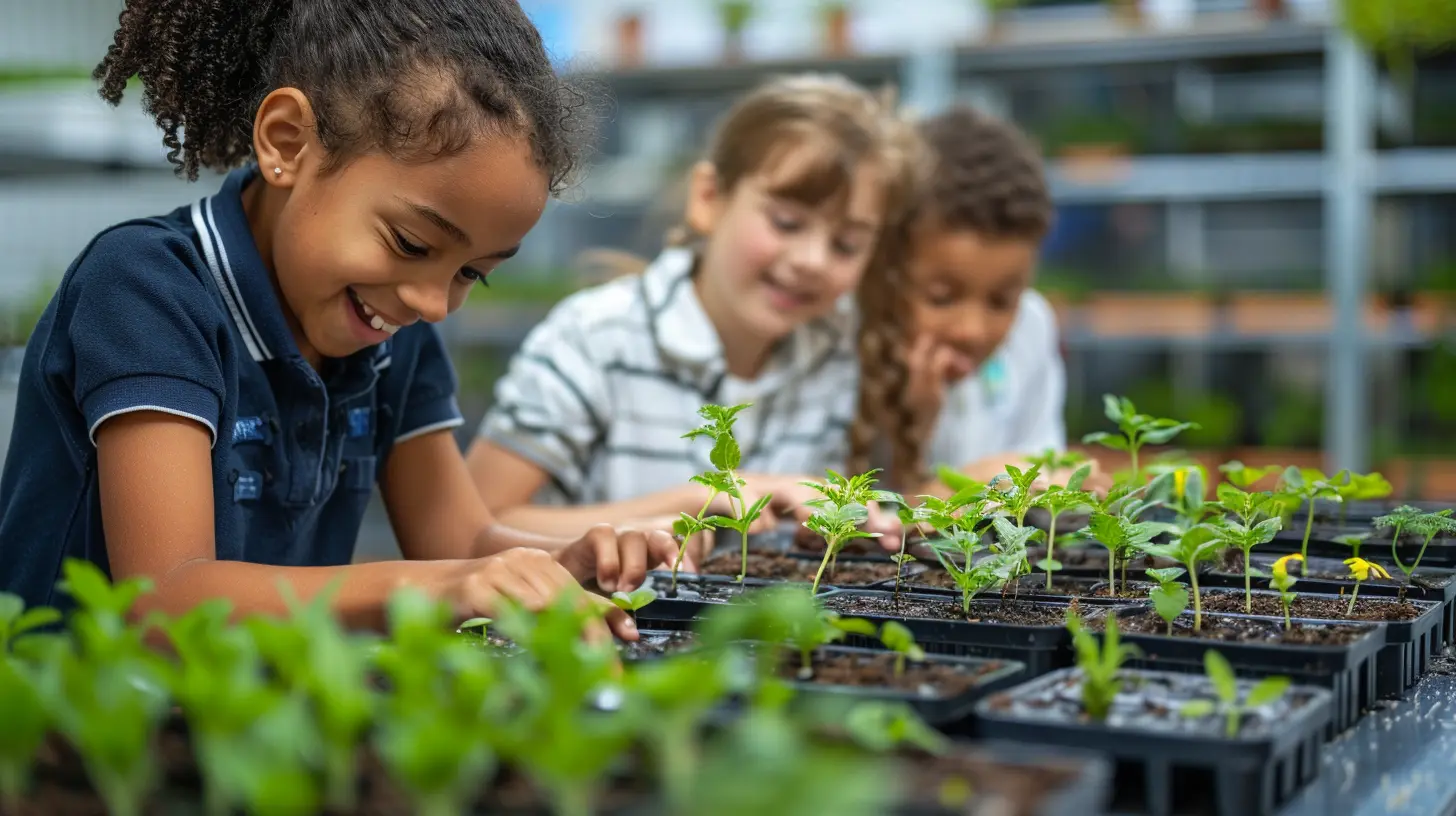
Making Science Real: Learning About the Environment Through Observation
Science is all about understanding the world around us. And what better way to do that than getting outside?Here’s a fun idea: have students track local weather patterns or monitor the health of a nearby stream. They can collect data, analyze it, and present their findings. Not only are they practicing scientific methods, but they’re also seeing firsthand how ecosystems work—and how human behavior impacts them.
Want to go further? Teach them about carbon footprints, greenhouse gases, or the water cycle through experiments that show cause and effect. These mini “aha” moments add up to a bigger appreciation for the environment.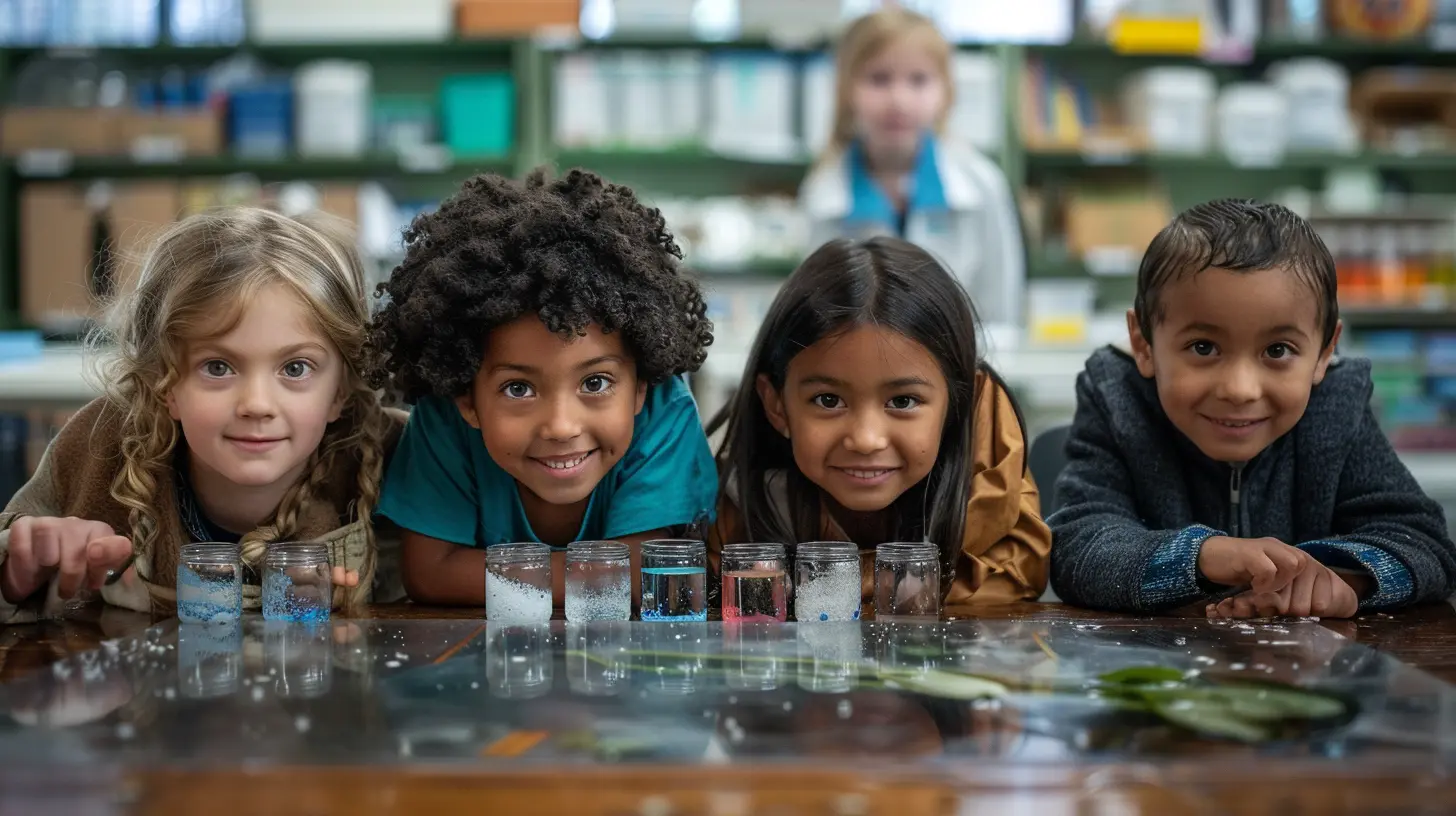
Technology as a Tool for Change
Let’s talk tech. Kids love it, and it’s not going anywhere. So why not leverage that?With tools like Geographic Information Systems (GIS), virtual labs, and data visualization platforms, students can explore environmental issues from a new perspective. They can simulate deforestation, study ocean pollution, or even model renewable energy systems—all from a computer screen.
And don’t overlook simple tools like tablets or smartphones. There are tons of apps that help students track air quality, calculate energy use, or even map tree coverage in their neighborhoods.
By weaving tech into environmental projects, we’re doing two things: enhancing digital literacy and deepening ecological understanding.
Engineering Solutions for a Better Tomorrow
Engineering is where ideas meet action. It's all about building stuff that works—preferably stuff that helps the planet.Try this: ask students to design a device that collects rainwater, or build a prototype of a wind-powered car. These kinds of projects push students to think creatively about sustainability.
You could also assign challenges like creating a model eco-friendly home. Let them research insulation materials, solar panel efficiency, and sustainable landscaping. The result? Students learn how engineers solve real-world problems to reduce environmental harm. And who knows—they might just come up with something revolutionary.
Math: The Unsung Hero of Environmental Awareness
Let’s not forget about math. Sure, it might not seem as “green” as the other STEM subjects, but it’s absolutely essential.Why? Because data drives every environmental decision.
Whether it’s calculating carbon emissions, measuring water usage, or analyzing recycling rates—math is the foundation. Teach students how to interpret environmental data using graphs, charts, and statistics. Make it engaging with real-world case studies, like how sea levels are rising over time or how much waste a single household produces annually.
When students can see the numbers behind the news, the issue becomes a lot more real.
Project-Based Learning: The Perfect Combo
If you really want to make STEM and environmental awareness stick, go with project-based learning (PBL).PBL is all about diving into meaningful, hands-on work that tackles real issues. Let students choose a local environmental challenge. Maybe it’s litter in parks, energy use at school, or food waste in the cafeteria. Then, guide them through the STEM process to research, plan, and execute a solution.
What’s great about PBL is that it mirrors the real world. No worksheets, no memorization. Just kids working together to solve problems that actually matter. It builds teamwork, critical thinking, and empathy—all essential for tomorrow’s eco-leaders.
STEM Clubs and Extracurricular Activities
Not everything has to happen during class time. STEM clubs are an awesome way to spark environmental awareness in a more relaxed setting.Host an after-school eco-hackathon. Run a green invention contest. Start a student-led sustainability committee. These activities show kids that they have the power to make a difference beyond the four walls of the classroom.
And if you’re a teacher, don’t feel like you have to run everything yourself. Partner with local environmental organizations, universities, or even tech companies. They often offer resources, mentorship, or guest speakers that can enrich your programs.
Encouraging Career and Life Pathways
Here’s something powerful: when students see STEM as a way to help the planet, they start to think differently about their futures.They might think, “Hey, maybe I want to be an environmental engineer,” or “I could become a climate data analyst.” And that’s exactly what we want—to inspire a new generation of green-minded professionals who use science and technology for good.
But even if they don’t go into STEM careers, the knowledge they gain helps them make better choices in their everyday lives. Whether it’s voting for eco-friendly policies, reducing their carbon footprint, or supporting sustainable businesses—education matters.
Making It Stick: Tips for Educators
Thinking of bringing STEM-driven environmental learning into your classroom? Awesome. Here are a few quick tips to get started:1. Start small
You don’t need a massive overhaul. Begin with a single STEM project that has an environmental theme.
2. Integrate across subjects
Combine science with writing (eco-journals), math with social studies (energy usage graphs), or tech with art (infographics on pollution).
3. Use what’s around you
Your school grounds, nearby parks, or even your recycling bins can become learning labs.
4. Let students lead
Give them ownership of projects. Let them pick topics they care about and guide their own learning.
5. Celebrate wins
Whether it’s a classroom energy audit or a homemade compost bin—acknowledge their efforts and growth.
Remember, you’re not just teaching content. You’re shaping future changemakers.
STEM + Environment = A Brighter Future
So, let’s circle back to where we started. Our planet is facing some big challenges. But inside every classroom is a group of curious, capable young people who can be part of the solution.By blending STEM with environmental awareness, we’re giving them the tools, the knowledge, and the passion to make a difference. We’re not just teaching them to think—we’re teaching them to care.
And honestly? That’s the kind of education the world needs right now.
all images in this post were generated using AI tools
Category:
Environmental EducationAuthor:

Bethany Hudson
Discussion
rate this article
1 comments
Drew McCool
This article highlights a crucial connection between STEM education and environmental awareness. Integrating real-world environmental issues into the curriculum can inspire students to think critically and take action, fostering a generation more engaged in sustainability efforts. Great insights!
May 27, 2026 at 4:58 AM
Bethany Hudson
Thank you for your thoughtful comment! I'm glad you found the connection between STEM and environmental awareness compelling. Engaging students in real-world issues is key to fostering a sustainable future.