How Teachers Can Facilitate Meaningful Peer-to-Peer Collaboration
16 February 2026
Collaboration is one of the most powerful tools for learning. When students work together, they share ideas, challenge each other's thinking, and develop essential skills like communication and teamwork. But meaningful collaboration doesn't just happen—it needs guidance, structure, and encouragement.
As a teacher, you play a vital role in creating an environment where peer-to-peer collaboration thrives. But how can you ensure that it's purposeful and effective rather than chaotic and unproductive? This guide will walk you through practical strategies to facilitate meaningful collaboration among your students. 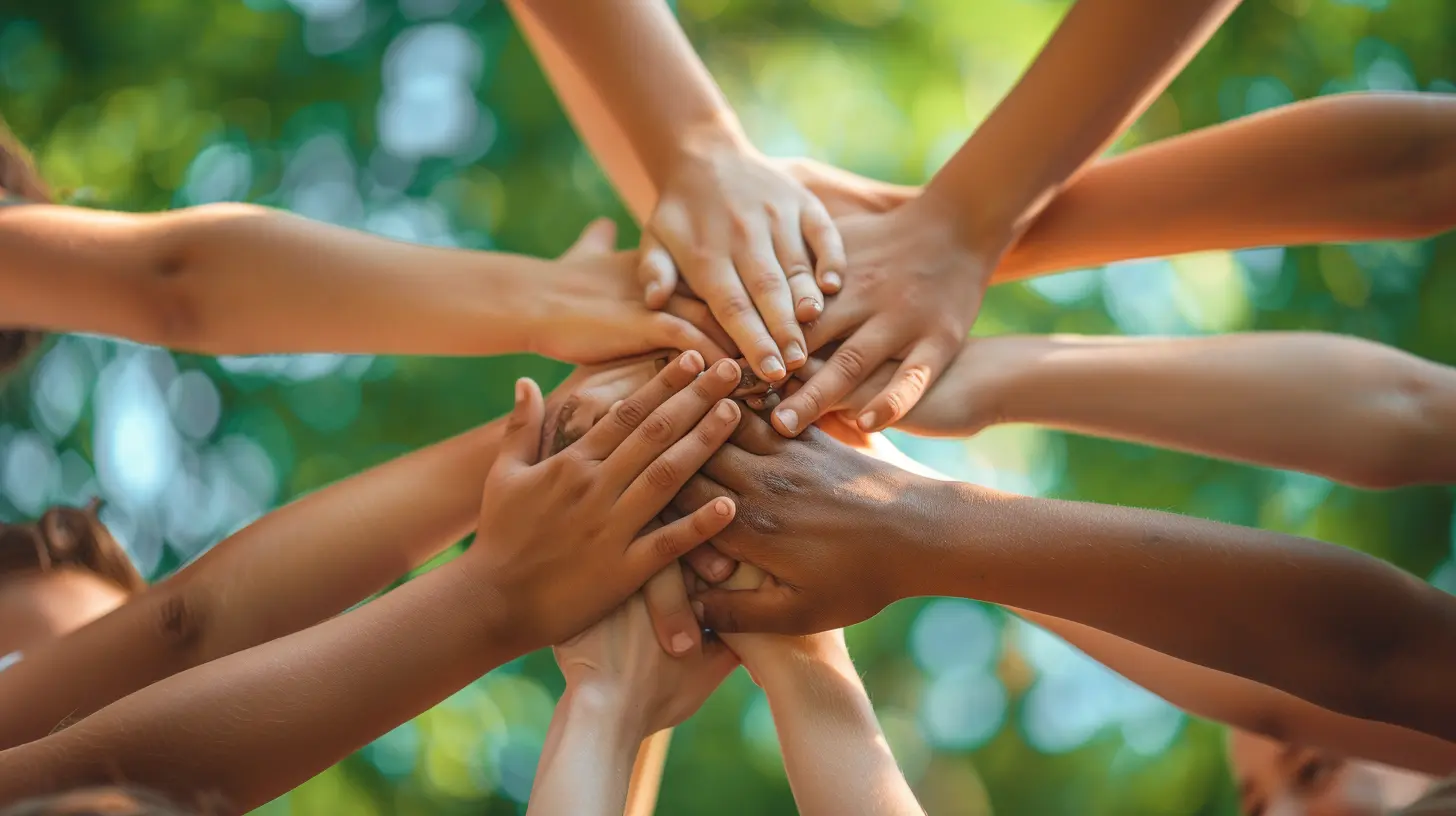
Why Peer-to-Peer Collaboration Matters
Before diving into how to facilitate collaboration, let's talk about why it’s so important.1. Boosts Engagement & Participation – Students feel more comfortable sharing ideas with peers than in a traditional teacher-led lesson.
2. Develops Critical Thinking – Collaboration forces students to think deeply, defend their ideas, and consider different perspectives.
3. Encourages Social Skills – Learning how to listen, communicate, and compromise are crucial life skills.
4. Prepares Students for the Real World – In nearly every career, teamwork is essential. The earlier students learn to collaborate, the better prepared they’ll be for the future.
Now that we understand its significance, let's discuss how teachers can create an environment that fosters meaningful collaboration. 
1. Set Clear Expectations for Collaboration
Before students can work effectively together, they need to understand what collaboration looks like. It’s not just sitting in groups or taking turns speaking—it’s actively engaging, listening, and contributing.How to Do This:
- Define Collaboration Guidelines – Discuss what respectful and productive teamwork looks like.- Model Effective Collaboration – Show examples of good and bad collaboration so students understand the difference.
- Use Rubrics – Provide a peer collaboration rubric to guide students in evaluating their own teamwork.
The clearer the expectations, the smoother the process will be. 
2. Create a Safe and Inclusive Environment
For collaboration to be meaningful, students need to feel safe and valued. If they fear criticism or embarrassment, they won’t share their ideas.Ways to Build a Safe Learning Space:
- Encourage Respect & Open-Mindedness – Teach students to listen without judgment and respect different viewpoints.- Pair Students Strategically – Group students in ways that promote balanced participation and diverse thinking.
- Foster a Growth Mindset – Remind students that learning from mistakes is part of the process.
When students feel comfortable, they’re more willing to engage in meaningful discussions. 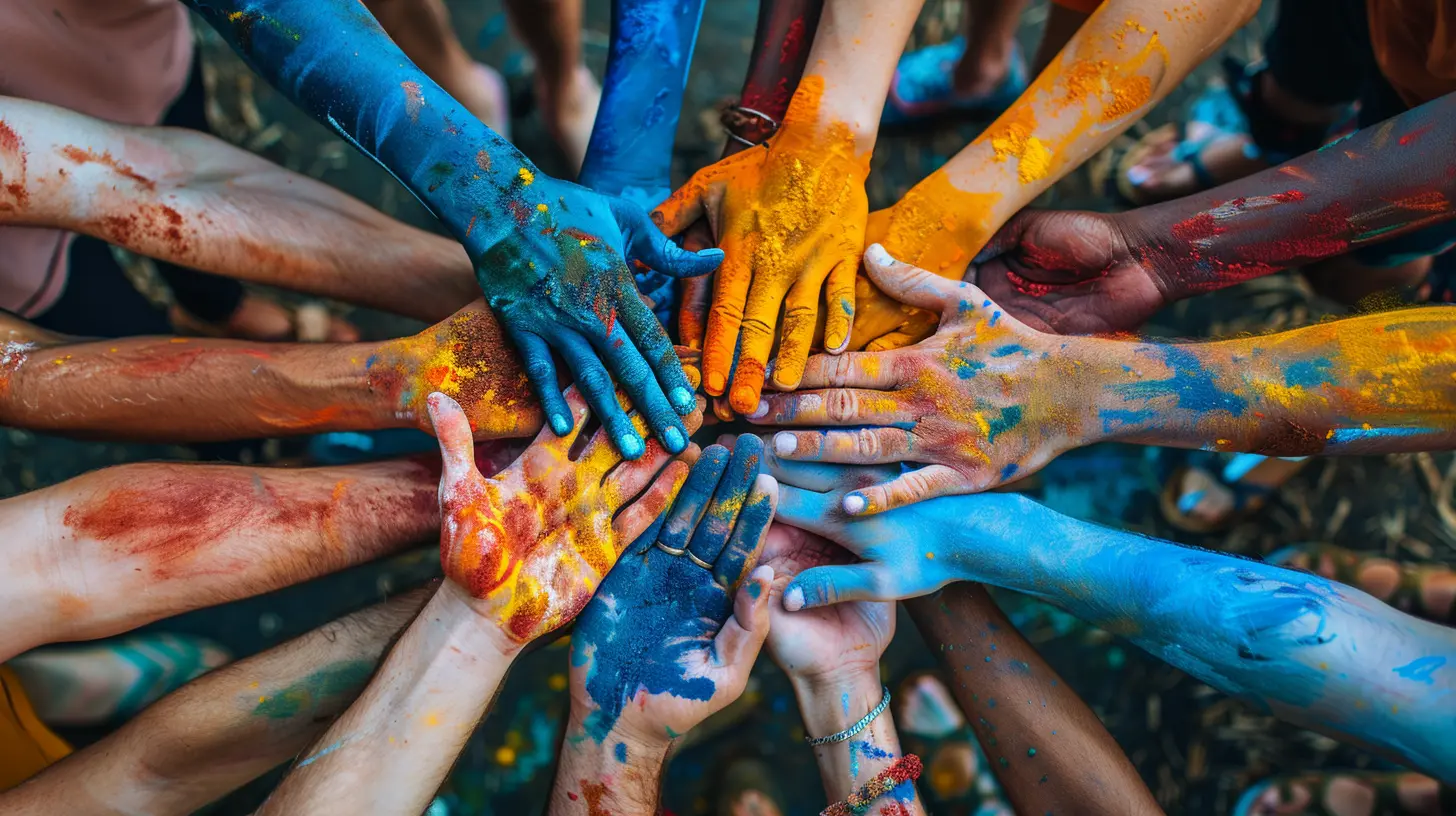
3. Use Structured Collaborative Activities
Throwing students into groups without structure often leads to one person doing all the work while others stay silent. To avoid this, use structured activities that ensure equal participation.Effective Collaborative Activities:
Think-Pair-Share
1. Students think about a question on their own.2. They pair up and discuss their thoughts.
3. They share their discussion with the class.
This ensures that every student processes the concept before engaging in discussion.
Jigsaw Method
1. Divide a topic into sections.2. Assign each student a section to become an "expert."
3. Students teach their section to their group.
This encourages accountability because each student plays a key role.
Group Investigations
- Assign students to research a topic together and present their findings.- Give each student a clear role (researcher, note-taker, presenter) to balance the workload.
When collaboration is structured, it eliminates confusion and leads to deeper engagement with the material.
4. Incorporate Technology for Collaboration
In today's digital world, technology can enhance peer-to-peer collaboration in exciting and interactive ways.Tools That Encourage Collaboration:
- Google Docs & Slides – Students can work together in real-time, making collaboration seamless.- Padlet – A digital bulletin board where students can post ideas, questions, and responses.
- Flipgrid – Students can record and share video responses, encouraging more thoughtful discussions.
Using technology keeps collaboration dynamic and accessible, even in remote or hybrid learning environments.
5. Teach Conflict Resolution Skills
Collaboration isn’t always smooth sailing—disagreements will happen. But instead of avoiding conflict, teach students how to navigate it productively.How to Handle Conflict in Groups:
- Teach Active Listening – Encourage students to listen without interrupting and restate what they heard.- Promote Empathy – Ask students to consider the other person’s perspective before reacting.
- Provide Sentence Starters – Give students respectful phrases like:
- “I see your point, but I feel…”
- “What if we considered this approach?”
Disagreements can actually lead to valuable learning moments—if handled the right way.
6. Rotate Group Roles Regularly
When students work in groups, they often fall into patterns: the same student leads, the same student stays quiet. Breaking these habits ensures everyone contributes.How to Manage Roles:
- Rotate responsibilities such as:- Facilitator – Keeps the group on task.
- Recorder – Takes notes and summarizes discussions.
- Timekeeper – Ensures the group manages discussion time effectively.
- Presenter – Shares the group’s ideas with the class.
By switching roles, students develop different skills and avoid the “passenger” mentality.
7. Reflect and Provide Feedback
Collaboration shouldn't end when the group task is over. Reflection is key to improving peer interactions over time.Ways to Encourage Reflection:
- Self-Assessment – Ask students to rate their own contribution and teamwork.- Peer Feedback – Let students provide constructive feedback to their teammates.
- Classroom Discussion – Have an open conversation about what worked well and what could be improved.
Reflection helps students see the value of collaboration and motivates them to engage fully.
8. Lead by Example
Finally, the best way to teach collaboration is to model it yourself. Show students how adults collaborate effectively—whether through team teaching, co-planning projects, or even brainstorming ideas with the class.Let students see that collaboration isn’t just a classroom requirement—it’s a lifelong skill that brings success in every aspect of life.
Final Thoughts
Meaningful peer-to-peer collaboration doesn’t just happen—it takes intentional effort from both teachers and students. By setting clear expectations, creating a safe environment, using structured activities, incorporating technology, and fostering reflection, teachers can turn group work into a powerful learning experience.Collaboration is more than a classroom strategy—it’s a skill that students will carry into their futures. And as their teacher, you have the power to give them the tools to succeed.
all images in this post were generated using AI tools
Category:
Collaborative LearningAuthor:

Bethany Hudson
Discussion
rate this article
2 comments
Parisa Hahn
Encouraging meaningful peer-to-peer collaboration in the classroom fosters a sense of community and shared responsibility among students. By implementing structured activities that promote open dialogue and diverse perspectives, teachers can empower students to learn from one another, enhancing critical thinking and building valuable interpersonal skills essential for lifelong success.
February 27, 2026 at 11:53 AM
Bethany Hudson
Thank you for your insightful comment! I completely agree that fostering peer-to-peer collaboration is vital for building community and enhancing critical skills in students. Structured activities can indeed empower meaningful dialogue and diverse interactions.
Otto Martin
Great insights on fostering peer collaboration! Encouraging open communication and structured group activities can significantly enhance student engagement and deepen understanding. Practical strategies like these empower both teachers and learners.
February 18, 2026 at 2:02 PM
Bethany Hudson
Thank you for your feedback! I'm glad you found the strategies helpful in enhancing collaboration and engagement among students.