How to Build a Safe and Supportive School for Students with Disabilities
2 June 2026
Creating an inclusive and empowering environment isn't just about ticking boxes—it's about real people, real lives, and real growth. For students with disabilities, school shouldn’t be a place of struggle; it should be a sanctuary where they feel seen, heard, and supported. If we truly want to foster a sense of belonging and success, we need to look beyond ramps and policies. We need to build a culture that thrives on empathy, patience, and understanding.
Let’s break this down and talk about what really matters—how you can play a part in shaping a school that's not only safe for students with disabilities, but genuinely uplifting.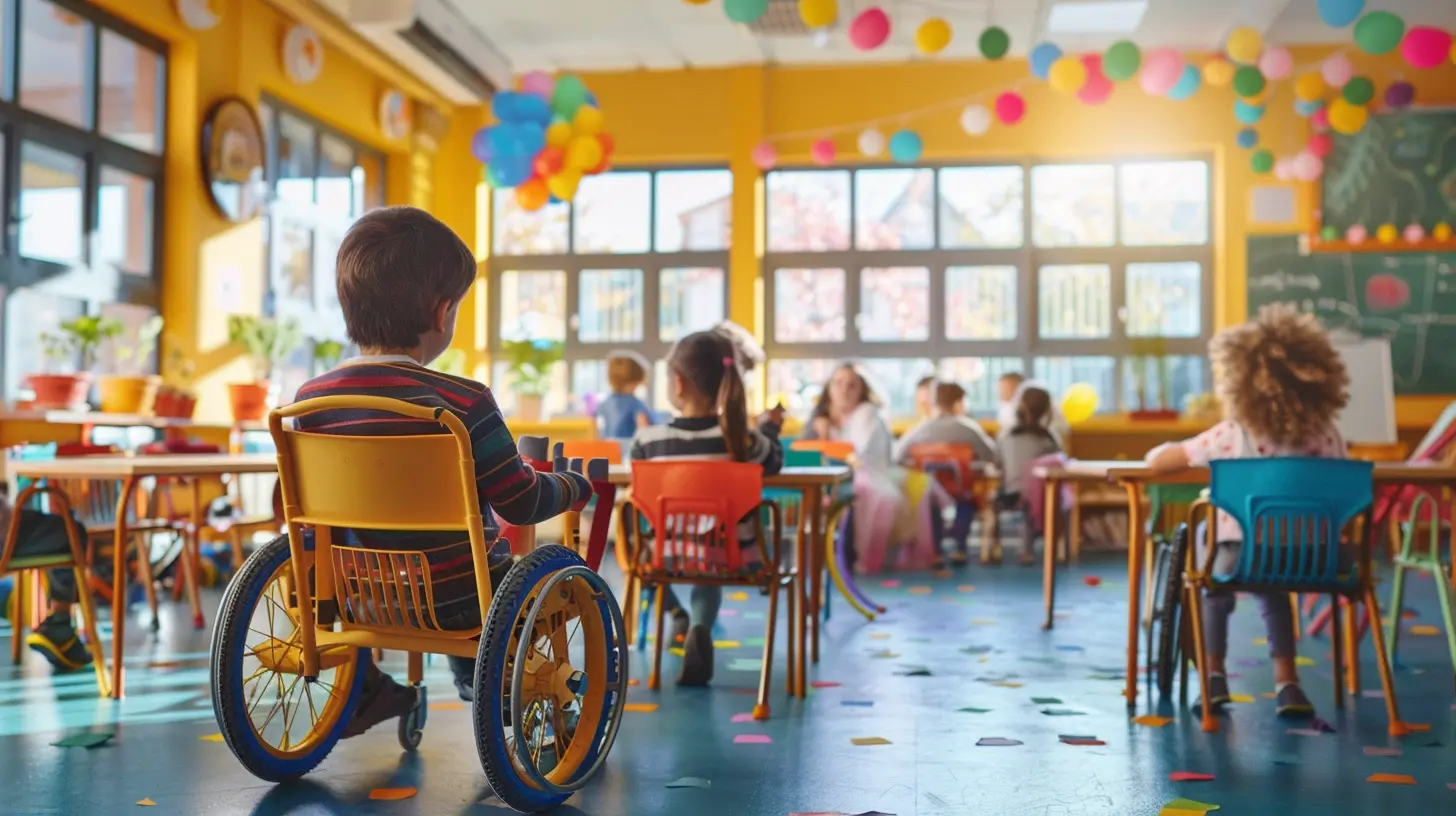
Why It Matters: The Heart of Inclusion
Let’s face it—school plays a huge role in a child’s life. It's where they learn, grow, and build friendships. Now imagine being in that space and constantly facing barriers. Would you feel confident? Accepted? Probably not.Students with disabilities often face challenges that go beyond textbooks. Whether it's physical barriers, communication issues, or social stigma, these obstacles can make school feel like more of a battlefield than a nurturing environment. This is why building a supportive and safe school isn't just a "nice thing to do"—it's essential.
When we get it right, we unlock massive potential in these students. We help them thrive, not just survive. And believe me, that changes lives.
Start with Mindsets: Change Begins in the Heart
Before we talk about buildings and policies, let’s talk about people. A safe and supportive school starts with mindset. If teachers, administrators, and even students don't understand or value inclusion, nothing else really matters.Encourage Empathy Over Sympathy
Empathy builds connection. Sympathy? Not so much. We don’t want to just “feel sorry” for students with disabilities—we want to understand their experiences and support them like equals.Train staff to listen actively, show respect, and treat every student as a whole person, not just a diagnosis.
Break the Stereotypes
Disability isn’t a tragedy—it’s diversity. Start challenging outdated stereotypes in your school community. Celebrate the strengths and unique abilities of every student. Normalize conversations around disability so it’s not something hidden or whispered about.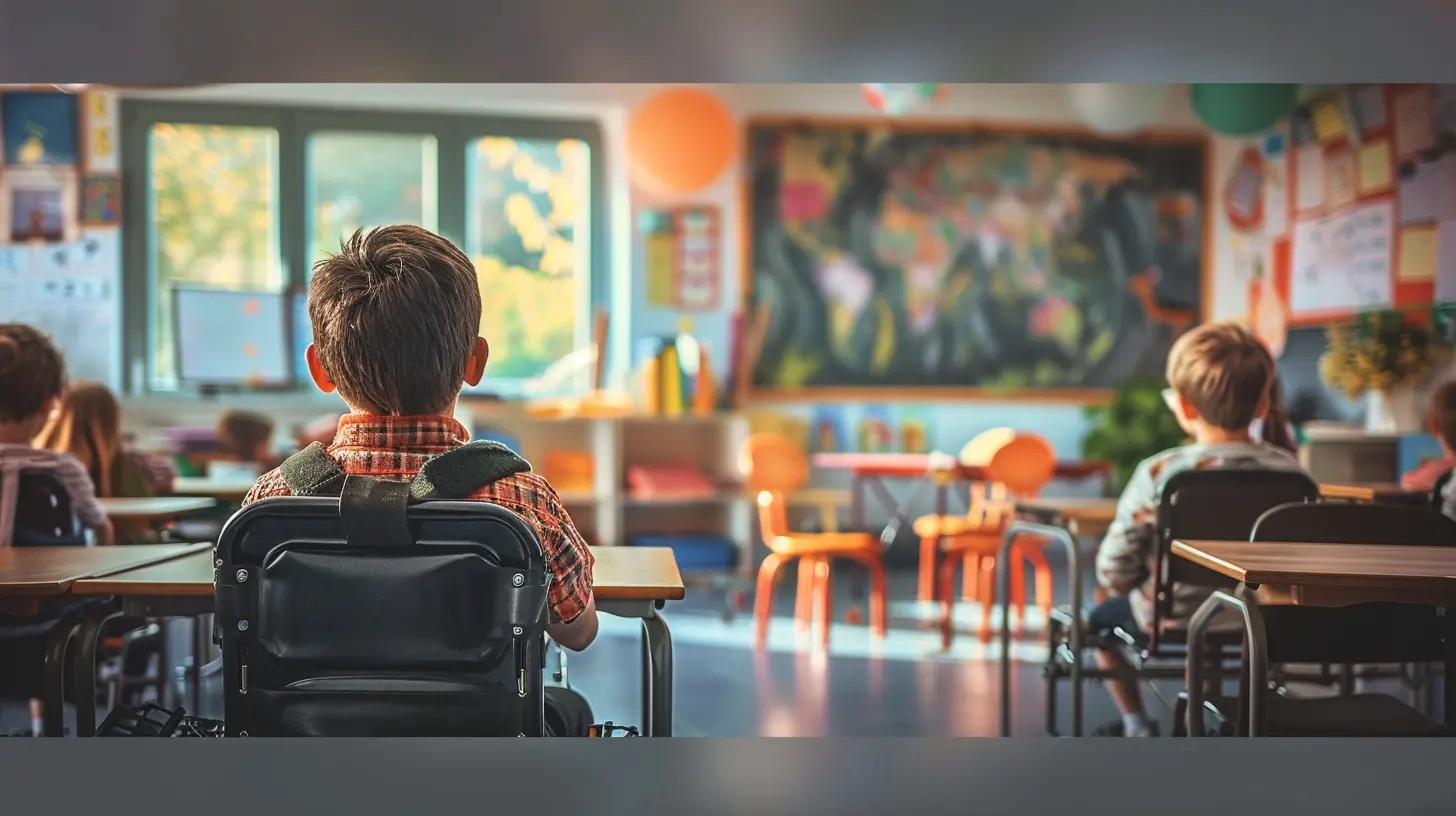
Build Accessible Physical Spaces
Alright, now let’s talk about the bricks and mortar. Accessibility isn’t just about adding ramps and elevators (though those are crucial!). It’s about making every part of the school usable by every student.Ensure Physical Accessibility
- Wide doorways and hallways- Ramps next to all stairways
- Elevators for multi-level buildings
- Accessible restrooms
- Clear signage with braille and visual cues
Think of accessibility like Wi-Fi—everyone needs it, even if they don’t realize it. Make physical spaces that work for all, and you’ll see fewer barriers and more belonging.
Create Sensory-Friendly Environments
Some students with autism or sensory processing disorders can get overwhelmed by noise, light, or even crowded hallways. Offering quiet zones or sensory rooms can be a game-changer.Use calming colors, provide noise-canceling headphones, and keep lighting adjustable. These small changes can lead to big relief.
Inclusive Curriculum and Teaching Methods
A supportive school adapts—not the student. That’s the golden rule. Teaching should reflect diverse learning needs.Use Universal Design for Learning (UDL)
UDL is all about offering multiple ways for students to access information and demonstrate what they’ve learned.- Provide audio and visual materials
- Allow different types of assignments (essays, videos, presentations)
- Use hands-on and tech-based activities
This approach actually benefits every student, not just those with disabilities. Think of it as building a highway instead of a narrow path—more people can travel safely and confidently.
Assistive Technology is Your Friend
From speech-to-text apps to screen readers, there’s a ton of tech that can help students with disabilities learn more comfortably. Schools should invest in these tools and train teachers to use them effectively.Don’t be afraid of tech—it’s not replacing learning, it’s enhancing it.
One-on-One Support Makes a Huge Difference
Let’s not underestimate the power of support. Individualized support plans and trained aides can make a massive difference in a student’s day-to-day experience.Individualized Education Programs (IEPs)
Schools must develop solid IEPs that are truly tailored. That means involving the student, their family, educators, and specialists in the planning. Then actually following through—because a plan is only as good as its implementation.Check in regularly. Update it. Keep it alive.
Train the Teachers
Teachers are the frontline warriors. Equip them with tools and training to support all learners. Regular workshops on different disabilities, behavior management, and inclusive pedagogy should be the norm, not the exception.Foster Peer Relationships and Social Inclusion
You know what hurts the most? Feeling alone. Social isolation is real for many students with disabilities, but we can fix that.Buddy Programs and Peer Mentoring
Set up buddy systems, where students with and without disabilities partner up for projects, lunch breaks, or study sessions. Peer mentoring not only breaks social barriers but builds empathy and leadership.It’s like having a built-in support system—and who doesn’t need one?
Encourage Disability Awareness Activities
Host inclusion days, disability simulations, or guest speaker events. Talk about disability as a form of diversity, not a defect. When awareness goes up, bullying and exclusion often go down.Involve Families and Communities
Families are a student’s first and life-long support system. Their insights, hopes, and concerns matter—big time.Keep Communication Open
Make sure parents and caregivers are kept in the loop. Use emails, calls, and face-to-face meetings to stay connected about the student’s progress and needs.It’s a team effort—don’t leave family members on the sidelines.
Build Strong Partnerships with Specialists
From occupational therapists to speech-language pathologists, these experts bring valuable insights. Schools should welcome their collaboration, not see it as "extra."It's like having a pit crew for each student—everyone plays a role in keeping things running smoothly.
Address Mental Health and Emotional Well-being
Students with disabilities often face anxiety, low self-esteem, or depression—not always because of their condition, but because of how society treats them. Let’s shift that.Provide On-Campus Counseling
Having accessible mental health services in school offers a safe place for students to express themselves. Whether it’s stress, bullying, or personal issues—it helps when someone listens without judgment.Promote Self-Advocacy and Empowerment
Teach students to speak up for their needs. When they know their rights and how to express themselves, they gain confidence. Think of it as giving them a microphone—so they’re not just heard, but understood.Keep Safety at the Core—Always
A truly safe environment goes beyond physical safety. Students must feel emotionally safe too.Have a Zero-Tolerance Policy for Bullying
Enforce anti-bullying policies specifically aimed at protecting students with disabilities. Train staff and peers to recognize and respond to bullying quickly and effectively.Practice Emergency Preparedness for All Abilities
Fire drills and lockdown procedures should include all students. Make sure evacuation plans work for kids in wheelchairs or those who need extra assistance. Safety isn’t complete if it leaves someone behind.Celebrate Achievements—Big and Small
Sometimes we get caught up chasing test scores and forget to acknowledge the quieter victories. For students with disabilities, every milestone matters.Whether it’s learning to tie a shoe, improve communication, or make a new friend—celebrate it! Recognition fuels motivation.
Host achievement days, give out inclusive awards, and let every student see that they matter. Because they do.
Final Thoughts: It’s All About Heart
So, how do you build a safe and supportive school for students with disabilities?Simple: care deeply, act intentionally, and commit fully.
Not one person, school, or system has all the answers. But when we come together with open hearts and open minds, magic happens. We start to see not just the disability, but the person behind it—their dreams, their strengths, their limitless potential.
And that’s a school worth building.
all images in this post were generated using AI tools
Category:
School SafetyAuthor:
Bethany Hudson
Discussion
rate this article
1 comments
Linnea McCloud
Creating a safe and supportive school starts with understanding individual needs. It's crucial to foster an inclusive environment where every student feels valued and empowered to thrive academically and socially.
June 8, 2026 at 2:57 AM
Bethany Hudson
Absolutely. Recognizing and addressing individual needs is key to building an inclusive school where all students can succeed and feel valued.