How to Build Confidence in Students with Learning Disabilities
1 August 2026
Confidence isn't just a nice-to-have—it's a must-have, especially for students facing learning challenges. When students with learning disabilities feel confident, they're more likely to take risks, ask questions, and believe in their ability to overcome hurdles. But… let's be real. Building confidence in students with learning disabilities doesn't happen overnight. It takes time, patience, and the right approach.
So, if you're a teacher, parent, or support professional looking to uplift and empower these amazing learners—you're in the right place.
Let’s break it down, have fun with it, and keep it real.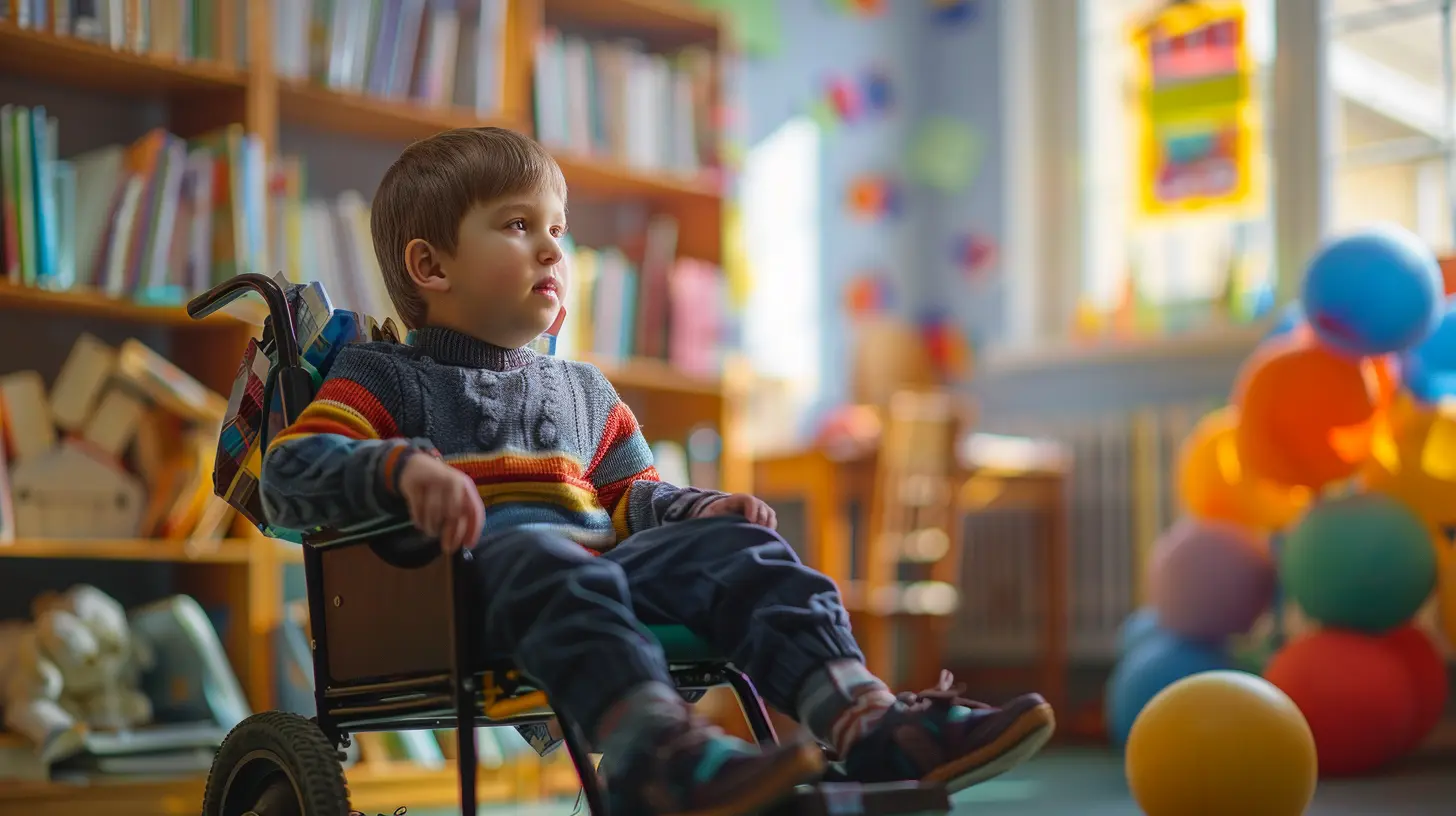
? Understanding Learning Disabilities First
Before we dive into strategies, we need to understand the landscape. Learning disabilities (LDs) are neurological differences that affect how a person processes information. They’re NOT a reflection of intelligence or capability.Some common learning disabilities include:
- Dyslexia – Reading difficulties
- Dyscalculia – Struggles with math
- Dysgraphia – Trouble with writing
- ADHD – Difficulty with focus and attention
Here’s the thing: These students can learn. They just do it differently. Imagine trying to listen to music with a speaker that keeps cutting out—you’d still hear the beat, but you'd need more effort, right? That’s what learning can feel like for these students every single day.
? Why Confidence is Key
Confidence fuels motivation. When a student believes they can do something, they're more likely to keep trying—even when things get tough.But when confidence is low? Oof… they might:
- Avoid challenges
- Feel ashamed or “less than”
- Stop trying altogether
Confidence acts like a shield and a ladder—it both protects and lifts them. That’s why it’s so crucial to nurture it consistently.
? Start with a Strength-Based Mindset
Let’s flip the script. Instead of zooming in on what students can’t do, let’s spotlight what they can do—and do well!Every student has something they rock at. It might be storytelling, drawing, coding, building, solving puzzles, or making people laugh. Find that golden nugget and build from there.
Ask yourself:
- What makes this student light up?
- When do they seem most engaged?
- What compliments make them smile?
Once you've got your answers, weave those strengths into their learning. Use them as a launchpad for growth. A student who’s a visual thinker might love mind maps for organizing thoughts. A strong verbal communicator? They might thrive in discussion-based learning.
? Set Achievable, Bite-Sized Goals
Have you ever tried to climb a mountain in flip-flops? That’s what it feels like when goals are too big or unclear.Instead, break things down into small, achievable steps. Think of each goal as a stepping stone across a river. One step at a time, and suddenly—they’re across!
Some tips:
- Use checklists (who doesn’t love ticking boxes?)
- Celebrate mini victories
- Reframe failure as feedback
Let students experience success early and often. Success breeds confidence. It’s like feeding the fire that keeps them going.
? Celebrate Effort, Not Just Results
Here’s a powerful mindset shift: praise the process, not just the product.Instead of saying, "Great job on the test!" say, "You worked really hard studying, and it paid off!" This reinforces that effort matters.
Effort-based praise helps students:
- Develop a growth mindset
- Feel in control of their progress
- Stay motivated, even when results aren’t perfect
Let’s normalize the struggle. Let’s cheer for persistence, resilience, and courage. That’s where the real growth hides.
?️ Use Positive Language (And Avoid Labels!)
Words matter. Like, a lot.Be mindful of how you talk about disabilities—both with students and around them. Say things like:
- “Different learning style” instead of “problem”
- “You’re figuring it out” instead of “You’re wrong”
- “Progress” instead of “behind”
Also, steer clear of labels like “lazy” or “slow.” Replace them with curiosity: “What’s making this tough for you today?”
Positivity isn't about sugarcoating. It’s about choosing words that lift, not limit.
? Build Strong Relationships
You know what really builds confidence? Feeling understood.For students with learning disabilities, it’s powerful to know someone gets them. That someone could be a teacher, a parent, or even a peer.
Take time to:
- Listen to their concerns
- Show empathy
- Ask what support they need
A simple, “I see how hard you’re working, and I’m proud of you,” can work wonders. It’s like giving their self-esteem a high-five.
? Create a Safe, Supportive Environment
No one thrives when they feel judged or unsafe. For students with learning disabilities, the fear of being wrong—or worse, laughed at—can shut everything down.So let’s build a classroom (or home) that says:
- “Mistakes are welcome.”
- “Everyone learns differently.”
- “You belong here.”
One way to do this? Normalize accommodations!
Make tools like audiobooks, speech-to-text software, or fidget tools feel normal. When everyone’s using what they need, no one feels “different.” And that’s huge for confidence.
? Use Technology as a Confidence Booster
Technology is a superhero for students with learning disabilities. It can level the playing field and make learning feel more accessible—and heck, even fun.Here are a few tools that rock:
- Text-to-speech software (like NaturalReader or Read&Write)
- Speech-to-text apps (hello, voice typing!)
- Graphic organizers for writing support
- Gamified learning platforms to keep things engaging
Want a pro tip? Let students explore and choose the tools that work best for them. Giving them that control builds independence and, yep—you guessed it—confidence.
?♀️ Teach Emotional Regulation Skills
Sometimes, the biggest block to confidence isn’t the material—it’s the emotions around it. Struggles with anxiety, frustration, or fear of failure are common.Teaching students tools to manage emotions can be a game-changer.
Try things like:
- Deep breathing exercises
- Mindfulness activities
- Journaling
- Talking about emotions openly
Let students know it’s normal to feel overwhelmed—and more importantly, that there are tools to work through it.
?? Encourage Self-Advocacy Skills
Here’s a truth bomb: Students will eventually need to speak up for themselves.That’s why teaching self-advocacy early on is so powerful. It puts them in the driver’s seat of their own learning journey.
Help students understand:
- What their learning disabilities are
- What strategies help them succeed
- How to ask for those supports
Role-play conversations. Celebrate when they speak up. Make it cool—and courageous—to know what you need.
? Promote Peer Support and Collaboration
Confidence doesn’t grow in isolation.Encourage group activities, peer tutoring, or buddy systems. Sometimes, students connect better with each other than with adults (we’ve all been there).
Peer support builds:
- Belonging
- Empathy
- Confidence-sharing (yep, it’s contagious!)
Imagine confidence as a warm hug. The more it’s shared, the more it spreads.
? Get Creative with Expression
Not everyone thrives in traditional academic expressions like writing essays or answering multiple-choice questions.Give students options to show what they know:
- Art projects
- Oral presentations
- Digital storytelling
- Music, drama, or role-play
When students can express themselves in ways that align with their strengths, confidence skyrockets.
? Keep the Conversation Going
Finally, make sure the door is always open—figuratively and literally. Keep talking. Keep listening. Keep checking in.Confidence isn’t a one-time injection. It needs regular refilling. Small gestures—a smile, a sticky note, a fist bump—can be surprisingly powerful.
Sometimes, just knowing someone believes in you is all it takes.
✨ Final Thoughts
Confidence is the engine that powers possibility. For students with learning disabilities, it's not just about learning math or reading skills—it’s about believing they’re capable of learning anything.Whether you're a parent, educator, or ally—your support matters more than you know. Be their cheerleader. Be their guide. Be the voice that says, “You’ve got this,” even when they don’t believe it yet.
Because when confidence grows, everything else follows.
all images in this post were generated using AI tools
Category:
Learning DisabilitiesAuthor:

Bethany Hudson
Discussion
rate this article
1 comments
Mindy Barker
Building confidence in students with learning disabilities requires tailored support and understanding. Encouraging their unique strengths and providing constructive feedback can foster a positive learning environment. Highlighting small achievements can motivate students, helping them recognize their potential and become more engaged in their education journey.
August 1, 2026 at 3:29 AM
Bethany Hudson
I completely agree. Recognizing and celebrating small wins is key. It helps students see their progress and boosts their confidence, making learning a more positive experience.