How to Create a Calming Classroom Environment for Reduced Stress
25 June 2026
Creating a calming classroom environment is more than just arranging desks and decorating the bulletin board—it's about fostering a space where students feel safe, focused, and stress-free. With the increasing demands of academic life, both students and teachers can benefit from a peaceful atmosphere that promotes learning without unnecessary tension.
But how do you turn a potentially chaotic classroom into a sanctuary of calm? In this guide, we’ll break down actionable strategies to create a stress-free learning environment that enhances focus, productivity, and emotional well-being.
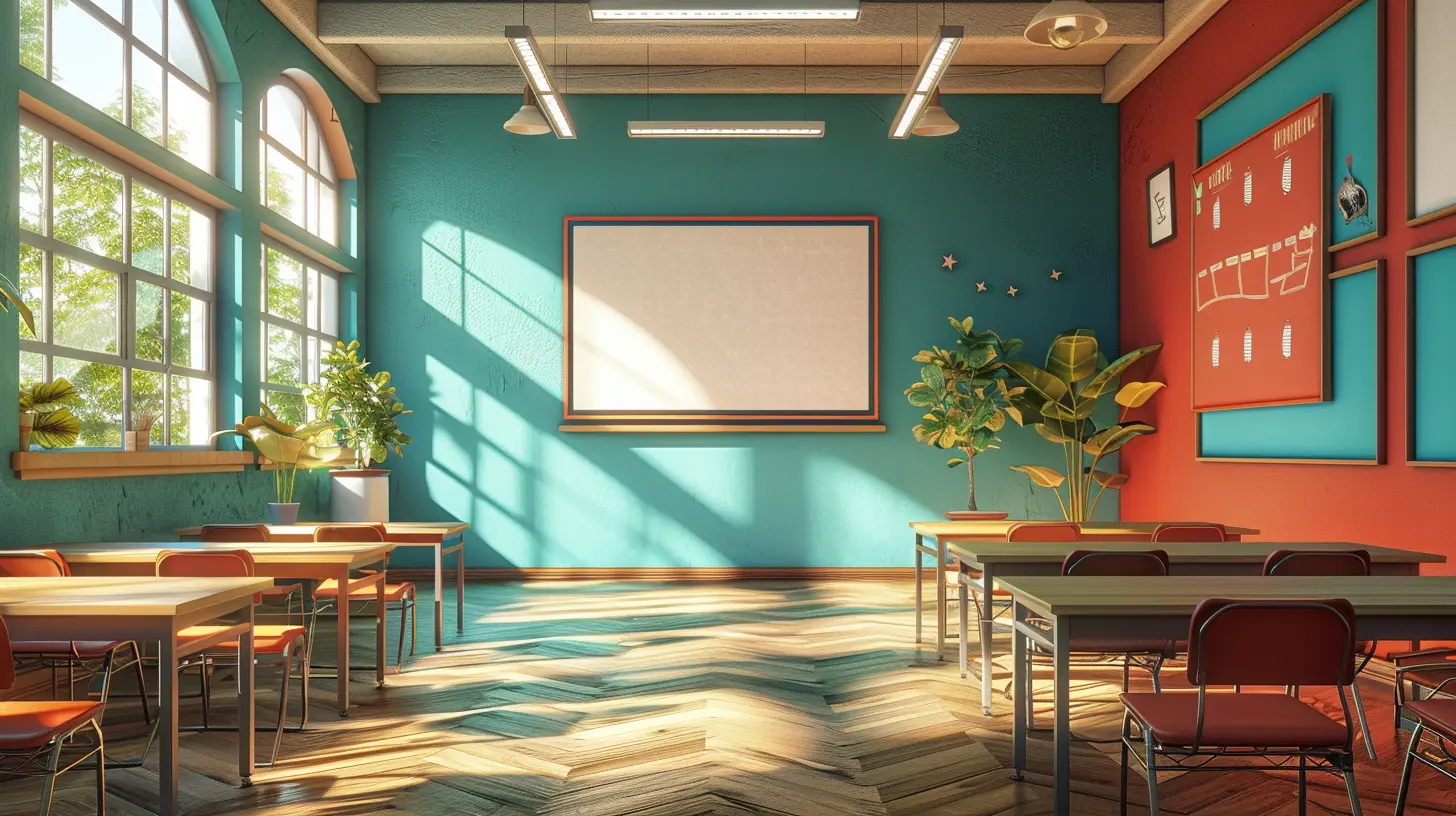
Why a Calming Classroom Matters
Before diving into the "how," let’s talk about the "why." A well-designed, stress-free classroom isn’t just aesthetically pleasing; it directly impacts students' ability to concentrate, retain information, and enjoy the learning process.Think about it—how likely are students to absorb lessons if they’re overwhelmed by noise, clutter, or anxiety? A tense environment can heighten stress and reduce cognitive function. On the other hand, a calming space:
- Encourages better focus and engagement
- Reduces behavioral issues
- Improves overall classroom morale
- Enhances emotional regulation
- Creates a positive learning experience
Now that we understand its importance, let’s dive into how to achieve a tranquil classroom setting.

1. Optimize the Classroom Layout
Believe it or not, the way you arrange desks, chairs, and open spaces significantly affects classroom energy. A cluttered or disorganized space can create unnecessary stress and distractions.Consider These Layout Tips:
- Declutter the Room – Get rid of unnecessary materials and keep the classroom tidy.- Optimize Seating Arrangements – Arrange desks to encourage both collaboration and individual focus.
- Designate Quiet Areas – A cozy reading nook or a mindfulness corner can give students a break when needed.
- Use Flexible Seating – Offer a mix of seating options (floor cushions, standing desks, group tables) to enhance comfort.
A well-structured space naturally fosters a sense of order and calm, making it easier for students to stay on task.

2. Incorporate Natural Elements
We often underestimate the power of nature in reducing stress. Introducing natural elements into your classroom can drastically improve students’ mood and focus.Ways to Bring Nature Indoors:
- Plants and Greenery – Adding live plants improves air quality and creates a soothing atmosphere.- Natural Light – Keep windows open for fresh air and natural sunlight whenever possible.
- Soft Colors Inspired by Nature – Use calming colors like blues, greens, and neutrals in decor and wall paint.
Studies have shown that exposure to nature—even in small doses—lowers cortisol levels (the stress hormone) and increases feelings of relaxation.
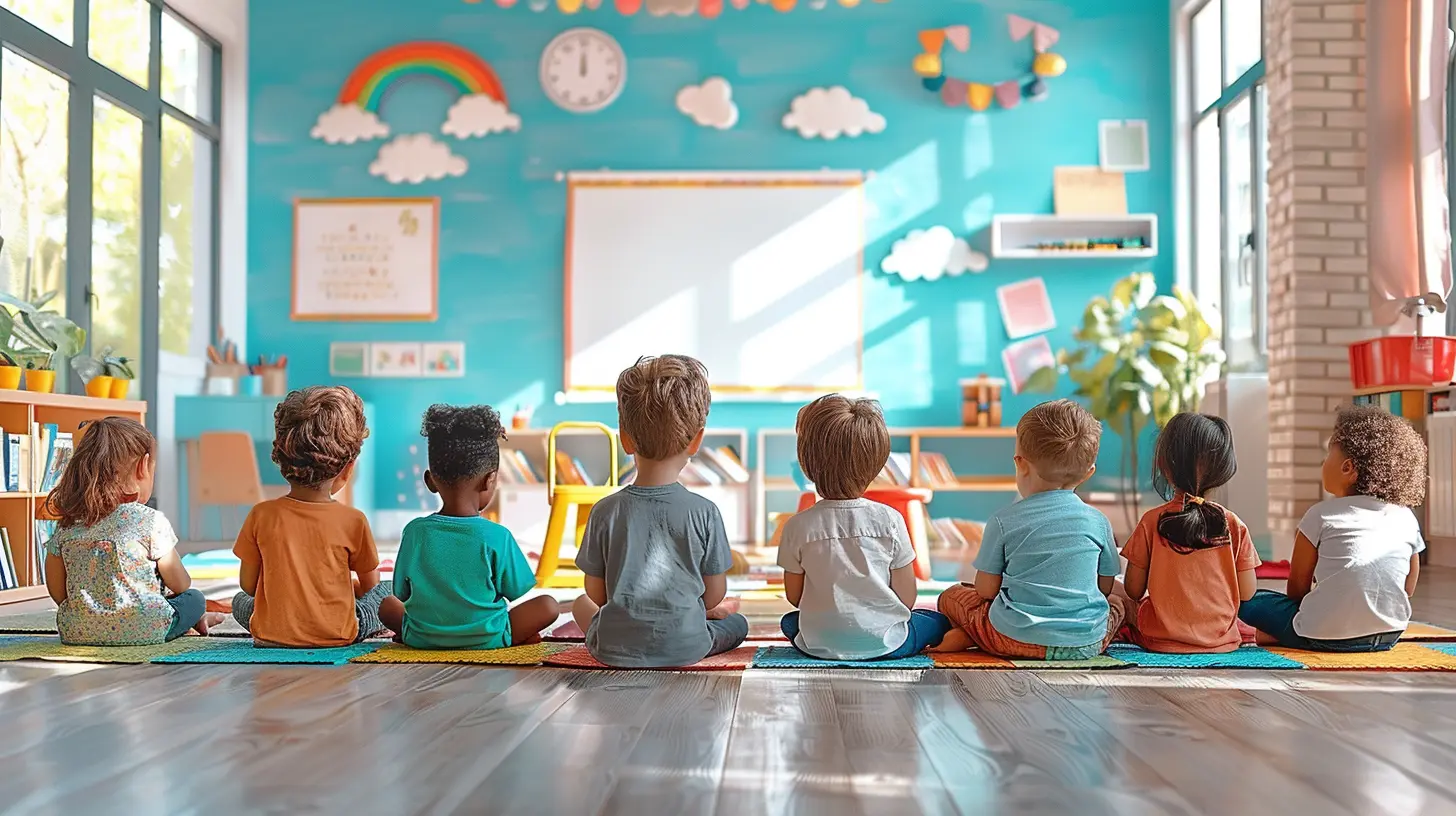
3. Use Soft Lighting and Colors
Harsh fluorescent lights can strain eyes and contribute to stress, while bright, chaotic colors can overstimulate students. To counteract this, aim for soft lighting and a calming color scheme.Tips for a More Soothing Visual Environment:
- Use Warm, Soft Lights – If possible, replace harsh lighting with softer, warmer-toned bulbs or fairy lights.- Stick to a Muted Color Palette – Shades of blue, green, and soft pastels create a more serene space.
- Limit Overwhelming Decorations – Too many posters, bright visuals, or cluttered walls can be distracting rather than helpful.
Your goal is to create a balanced environment that feels welcoming without being overstimulating.
4. Minimize Noise Disruptions
Noise is one of the biggest stressors in a classroom. While some noise is unavoidable, controlling unnecessary distractions can significantly improve focus and reduce anxiety.How to Reduce Noise in Your Classroom:
- Use Soft Materials – Rugs, curtains, and fabric-covered furniture absorb sound and reduce echoes.- Create a Noise-Free Zone – Establish a quiet corner where students can refocus.
- Introduce Background Music – Playing soft instrumental music or nature sounds can improve concentration.
- Use a Noise Chart – Visual cues can help students self-regulate their volume levels.
By managing noise levels, you create a more peaceful and focused environment for both teaching and learning.
5. Encourage Mindfulness and Relaxation Techniques
Stress isn’t just about external factors—it’s also about how students handle emotions internally. Incorporating mindfulness techniques can help students feel more in control of their stress levels.Easy Ways to Incorporate Mindfulness:
- Start the Day with Deep Breathing Exercises- Introduce Short Meditation Sessions
- Practice Gratitude Reflections
- Encourage Journaling or Quiet Time
Even dedicating just a few minutes each day to mindfulness can make a noticeable difference in students’ stress levels.
6. Foster Positive Relationships and Emotional Safety
A calming classroom isn’t just about decor—it’s also about the emotional environment. When students feel emotionally safe, they’re more likely to engage in learning without anxiety.How to Build a Positive Classroom Culture:
- Encourage Open Communication – Let students know they can express themselves without fear of judgment.- Implement a "Kindness Policy" – Reward acts of kindness and foster a respectful community.
- Practice Conflict Resolution Techniques – Teach students how to handle disagreements calmly and respectfully.
- Be a Calm Role Model – Your energy sets the tone for the class, so practice patience and composure.
A supportive and kind classroom environment greatly reduces stress levels and encourages a love for learning.
7. Allow for Movement and Breaks
Sitting still for long periods can be frustrating and exhausting for students. Offering movement breaks helps refresh their focus and reduce tension.Ways to Integrate Movement into the Classroom:
- Use Brain Breaks – Short, fun activities like stretching or dancing can help reset students' energy.- Incorporate Standing or Walking Lessons – Movement-based learning keeps students engaged.
- Offer Fidget Tools – Small items like stress balls or fidget spinners can help restless students focus.
A classroom that allows movement naturally feels more dynamic and less stressful.
8. Create a Predictable and Structured Routine
Uncertainty can create stress, so establishing clear expectations and a predictable routine helps reduce anxiety.How to Build a Reliable Routine:
- Start with a Morning Check-In – A simple question like "How are you feeling today?" sets a welcoming tone.- Have Clear Daily Schedules – Post a visual schedule so students know what to expect.
- Use Transition Cues – Give students warnings before switching activities to ease transitions.
When students know what to expect, they feel more secure and ready to learn.
Final Thoughts
Creating a calming classroom environment isn’t just about aesthetics—it’s about cultivating a space where students and teachers feel at ease, engaged, and ready to learn. A well-planned, peaceful classroom can transform the learning experience by reducing stress and fostering a more positive atmosphere.Small changes, like adjusting lighting, managing noise levels, and incorporating mindfulness practices, can have a massive impact. By prioritizing a stress-free environment, you’re setting your students up for success—not just academically, but emotionally as well.
So, why not start making those adjustments today? A little effort can go a long way in turning your classroom into a sanctuary of focus, comfort, and calm.
all images in this post were generated using AI tools
Category:
Teacher Burnout PreventionAuthor:

Bethany Hudson
Discussion
rate this article
1 comments
Kimberly Riggs
Creating a calming classroom is essential for reducing stress. Incorporating soft colors, natural light, and quiet zones can foster a peaceful atmosphere. Simple mindfulness activities can also encourage relaxation and focus, benefiting both students and teachers.
July 1, 2026 at 11:13 AM