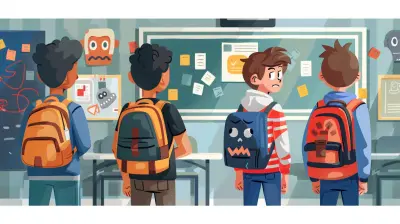
How to Create an Inclusive Learning Environment for Children with Disabilities
8 July 2026
Creating an inclusive learning environment for children with disabilities isn't just about meeting legal requirements—it's about fostering a space where every child feels valued, empowered, and capable of reaching their full potential. When we build an environment that caters to all learning needs, we not only help students with disabilities but also create a culture of empathy, patience, and respect among peers.
So, how can we make our classrooms more inclusive? Let’s break it down step by step.
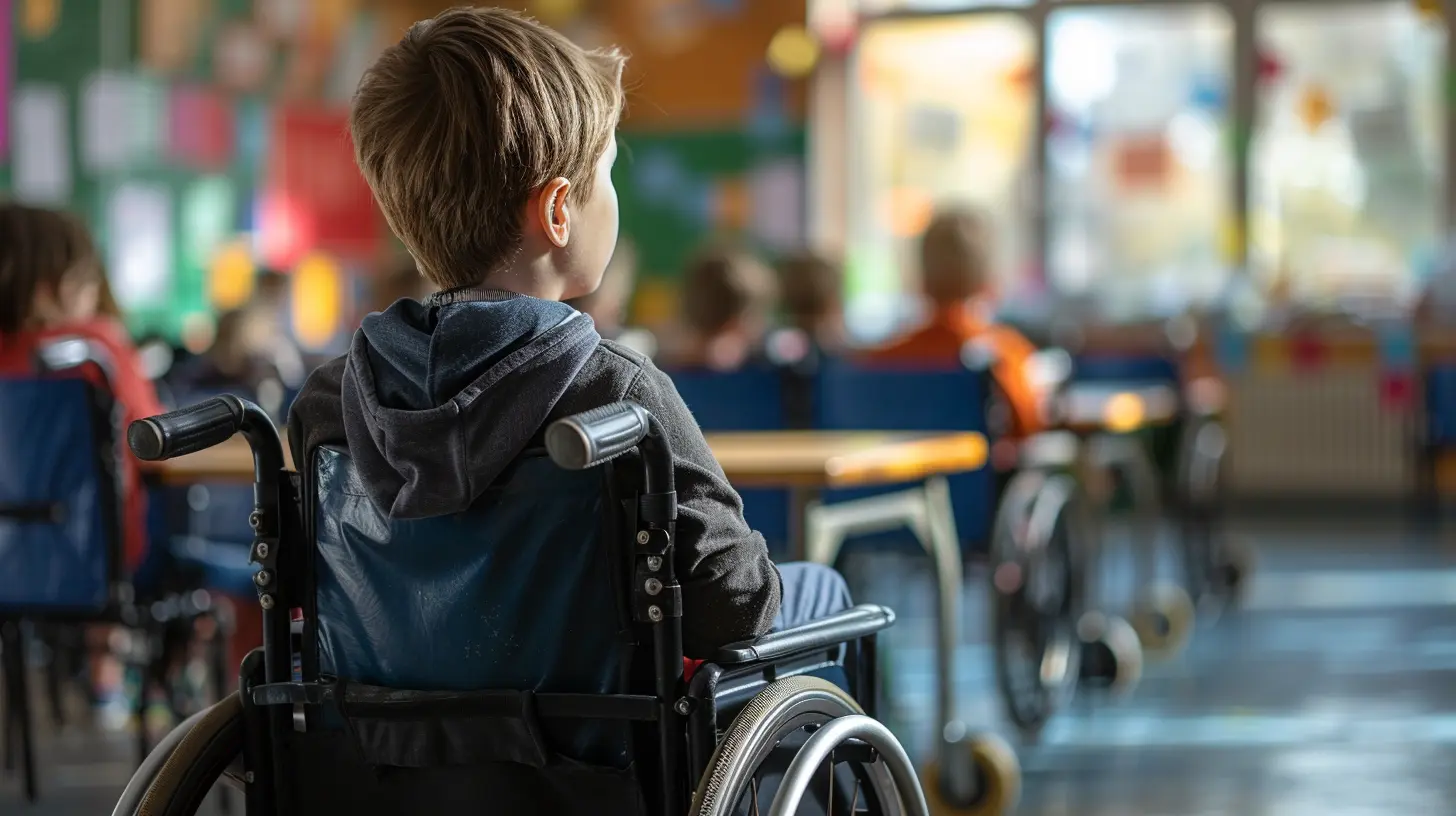
Understanding Inclusion in Education
Inclusion in education means ensuring that all students, regardless of their abilities or disabilities, have equal access to learning. It’s not just about placing children with disabilities in the same classroom as their peers—it's about giving them the right tools, support, and strategies to thrive.An inclusive classroom does not isolate or exclude; instead, it welcomes diversity and adapts to individual needs.
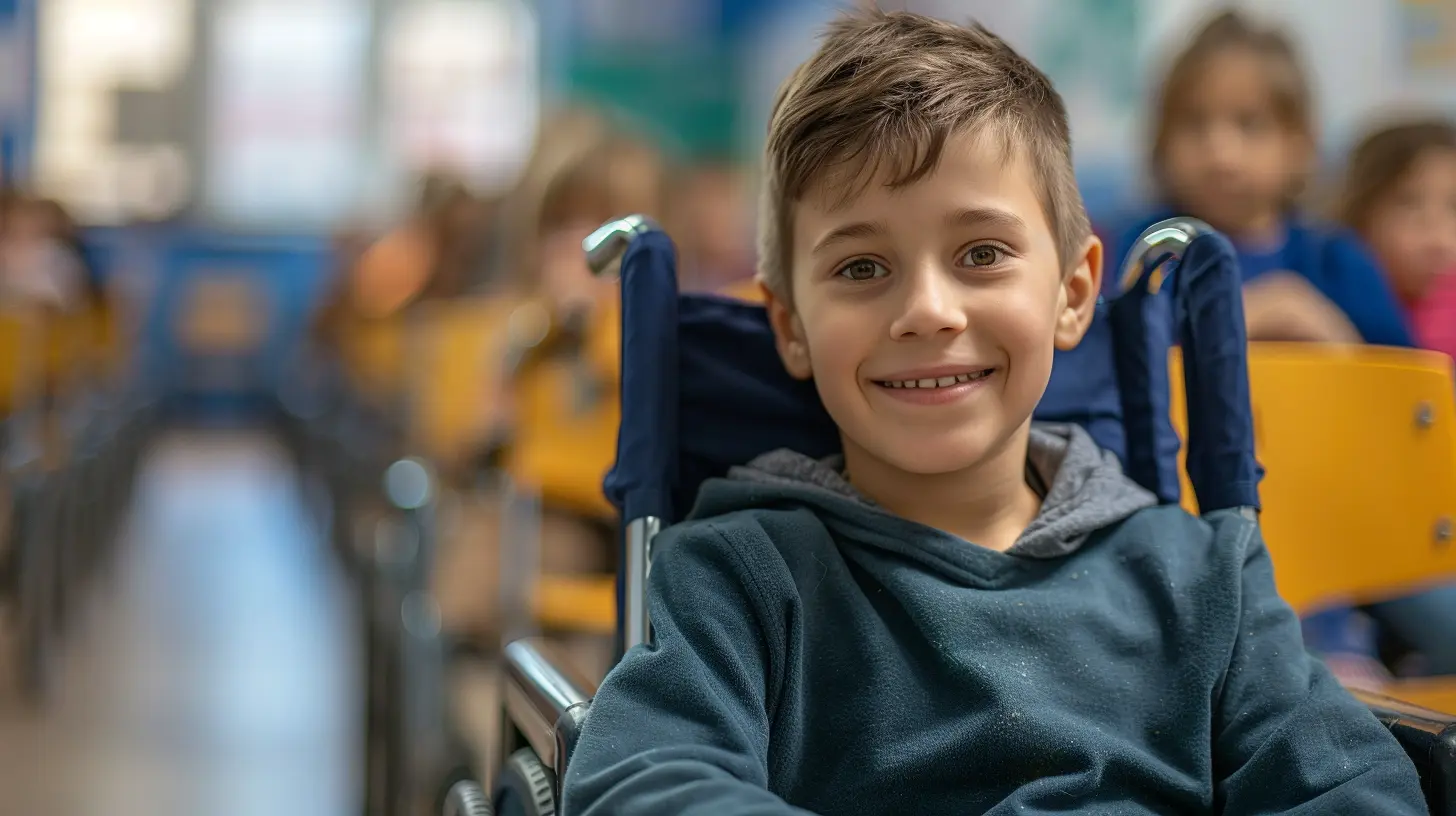
Why Inclusive Education Matters
Imagine being in a room where no one understands your language. You would feel frustrated, isolated, and disconnected. That’s how many children with disabilities feel in traditional classrooms that don’t accommodate their needs.An inclusive learning space benefits everyone by:
- Encouraging empathy and understanding among students.
- Providing diverse ways to learn, which benefits all learners.
- Helping students with disabilities develop confidence and independence.
- Equipping teachers with strategies to teach effectively to a wide range of abilities.
Now that we understand why it’s important, let’s dive into how we can build an inclusive learning environment.
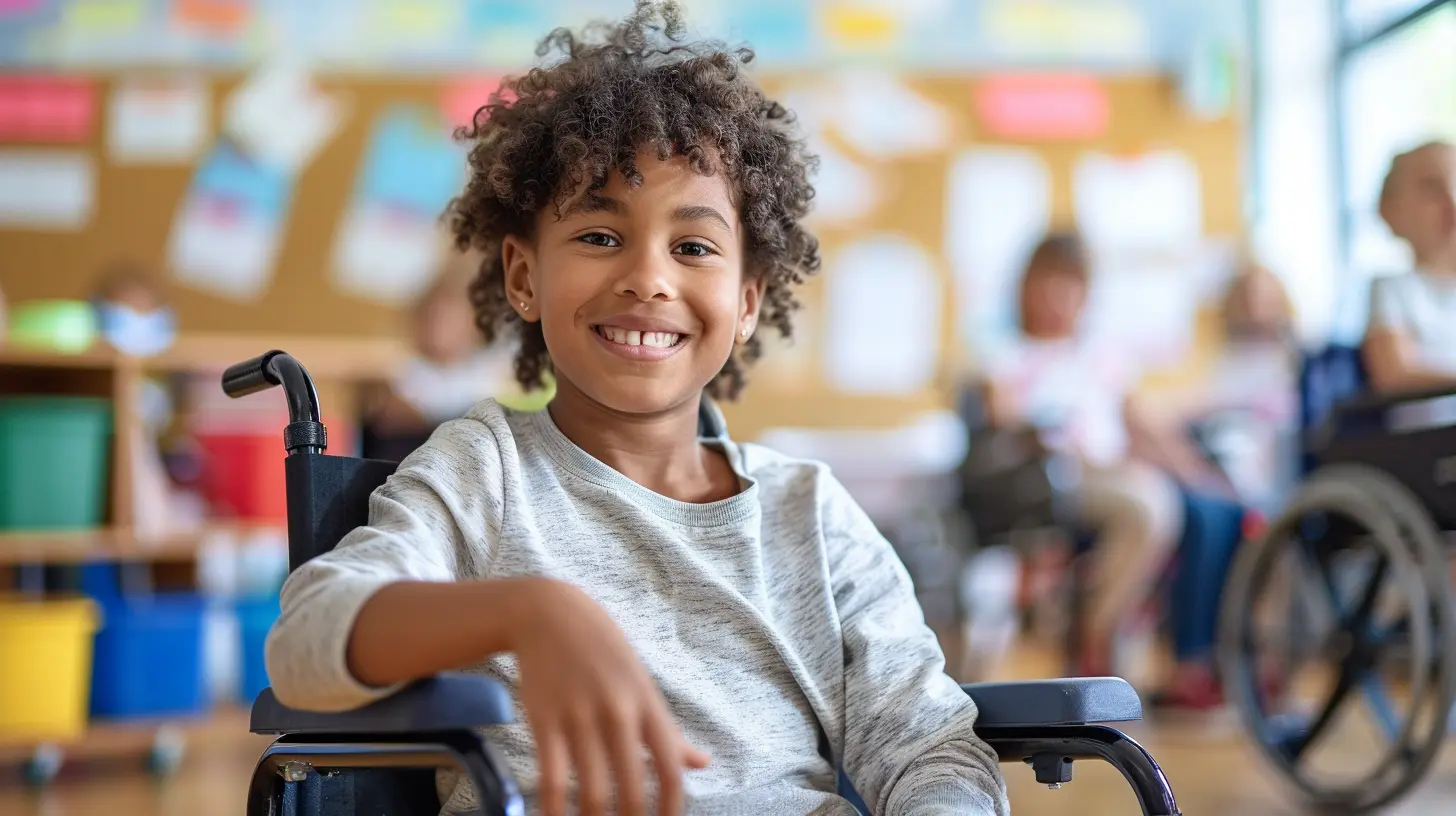
1. Foster a Positive Classroom Culture
Students pick up on the attitudes and behaviors of their teachers. If you embrace inclusion wholeheartedly, your students will too.Encourage Peer Support
Pairing students with and without disabilities for activities can help foster natural friendships. When students work together, they learn to appreciate differences and support one another rather than focusing on limitations.Use Inclusive Language
Words matter. Using respectful language and avoiding terms that emphasize a child's disability over their identity can make a world of difference. Instead of saying "disabled child," say "a child with a disability." This small shift in language puts the focus on the child rather than their condition.Celebrate Every Achievement
Every child learns at their own pace. Recognize and celebrate progress, no matter how big or small. Doing so boosts motivation and self-esteem.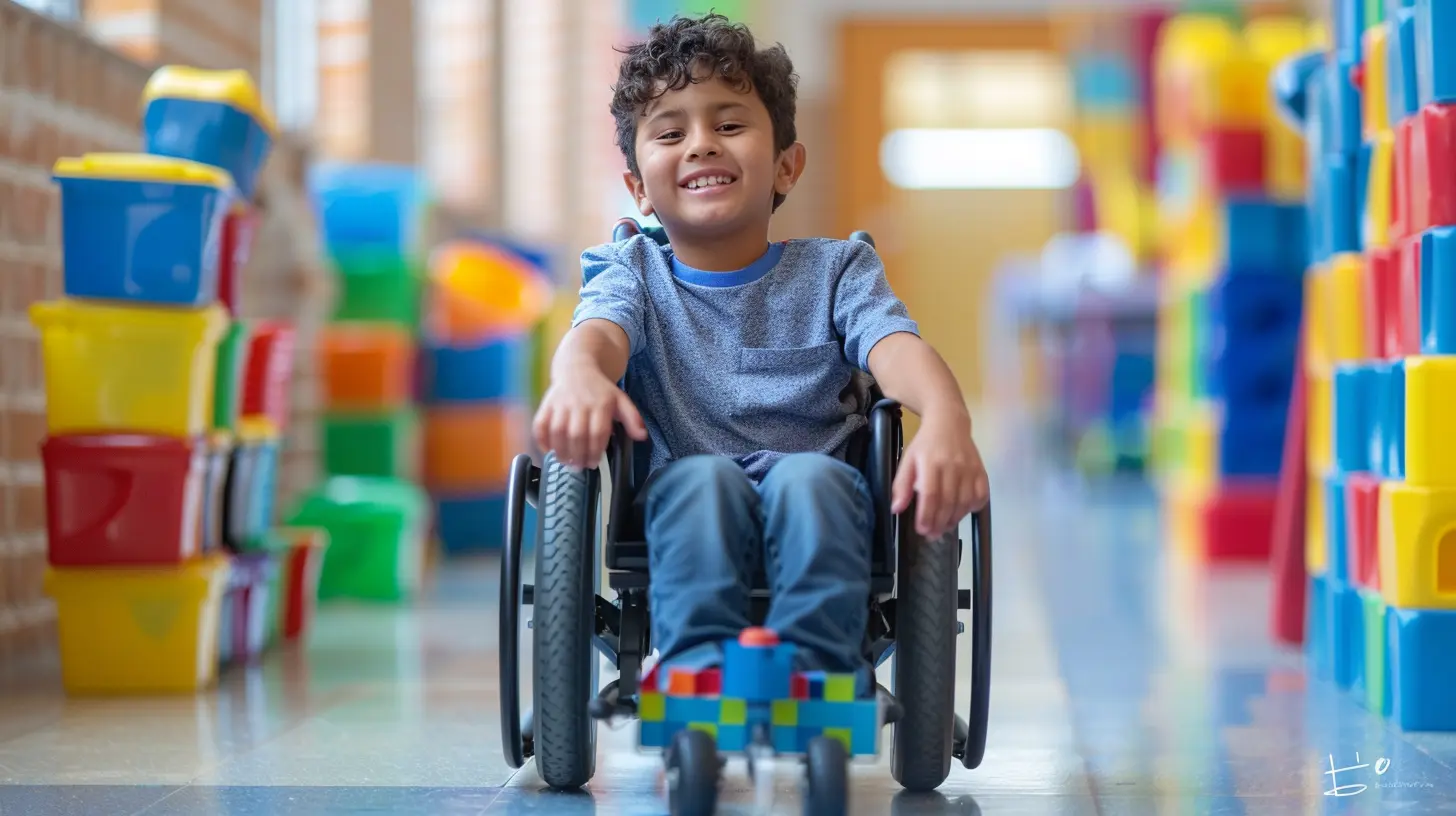
2. Adapt Teaching Strategies
No two learners are the same, and that’s especially true for students with disabilities. A one-size-fits-all approach to teaching just doesn't work.Differentiate Instruction
Some students learn best with visuals, while others need hands-on experiences or verbal instructions. Providing multiple ways for students to engage with the material ensures that everyone gets a fair shot at learning.For example, if you're teaching a history lesson, combine reading, videos, storytelling, and even role-playing to make it accessible to different learning styles.
Use Assistive Technology
Technology has revolutionized inclusive education. There are countless assistive tools designed to help students with disabilities engage in learning, such as:- Screen readers for visually impaired students.
- Speech-to-text software for those with writing difficulties.
- Interactive whiteboards that make lessons more engaging.
- Audiobooks and captions for students with hearing impairments.
Provide Clear Instructions
Keep directions simple, clear, and concise. Breaking tasks into smaller steps and providing visual aids when necessary can help students follow along more easily.3. Modify the Classroom Environment
The physical setup of a classroom plays a crucial role in making learning accessible.Ensure Accessibility
Make sure your classroom is easy to navigate for students with mobility challenges. Desks and pathways should be wide enough for wheelchair users, and classroom resources should be within reach.Create Sensory-Friendly Spaces
Some children with disabilities, particularly those with autism, have sensory sensitivities. Having a quiet corner where students can take a break from overstimulating environments can be incredibly helpful.Use Flexible Seating Options
Some students focus better when they aren’t confined to a traditional desk and chair. Providing options like standing desks, bean bags, or floor cushions can make learning more comfortable.
4. Encourage Parental and Community Involvement
Inclusive education works best when parents, teachers, and the community come together.Communicate with Parents
Parents are an invaluable resource when it comes to understanding a child's needs. Regularly checking in with them and working together ensures that the child receives the best support both at school and at home.Promote Awareness Programs
Hosting workshops and activities that highlight the importance of inclusion can help foster a more accepting and understanding school environment. When the entire community is educated about disabilities, stigma and discrimination go down.5. Train Teachers in Inclusive Practices
Even with the best intentions, teachers need training in order to effectively support students with disabilities.Provide Professional Development
Schools should invest in ongoing training programs to equip teachers with skills in:- Differentiated instruction
- Behavior management strategies
- Using assistive technology
- Supporting social and emotional learning
Encourage Collaboration
No teacher should have to do it alone. Encouraging collaboration between general educators, special education teachers, and support staff ensures that students receive well-rounded support.
6. Address Social and Emotional Needs
A truly inclusive learning environment goes beyond academics—it also supports students' emotional and social well-being.Teach Social Skills
Some students with disabilities struggle with communication and social interaction. Incorporating lessons on empathy, teamwork, and conflict resolution can help them develop these essential skills.Create a Bully-Free Zone
Bullying can severely impact the confidence and academic success of students with disabilities. Establishing a zero-tolerance policy and educating students about kindness and respect can create a safer learning space.Conclusion
Creating an inclusive learning environment for children with disabilities isn’t a one-time effort—it’s an ongoing commitment to ensuring that every child, regardless of their challenges, has the opportunity to succeed. When we make our classrooms inclusive, we build a world that is more accepting, compassionate, and supportive for everyone.If you're an educator, administrator, or parent, take a step today toward making education accessible for all. Because when we lift each other up, everyone wins.
all images in this post were generated using AI tools
Category:
Learning DisabilitiesAuthor:

Bethany Hudson
Discussion
rate this article
1 comments
Juliet Maddox
Creating an inclusive learning environment is essential for supporting all children. With the right strategies and understanding, we can empower children with disabilities to thrive in school.
July 12, 2026 at 12:08 PM
Bethany Hudson
Absolutely, fostering inclusivity truly empowers every child to reach their full potential. It's all about understanding and adapting to their unique needs.