How to Design Collaborative Learning Activities that Motivate Students
8 April 2026
Collaborative learning isn't just a trend in modern education; it's a powerful tool that can transform the way students engage with content, with each other, and with their own learning processes. But let's be honest, just because we put students in groups doesn’t mean they’ll automatically work well together or stay motivated. That’s why it’s crucial to design collaborative learning activities that not only encourage teamwork but also keep students engaged and motivated to learn. So, how do we do that? Well, you're in the right place to find out!
In this article, we'll explore how you can design collaborative learning activities that motivate students by using effective strategies, incorporating technology, and understanding the psychology behind motivation. Let's dive in!
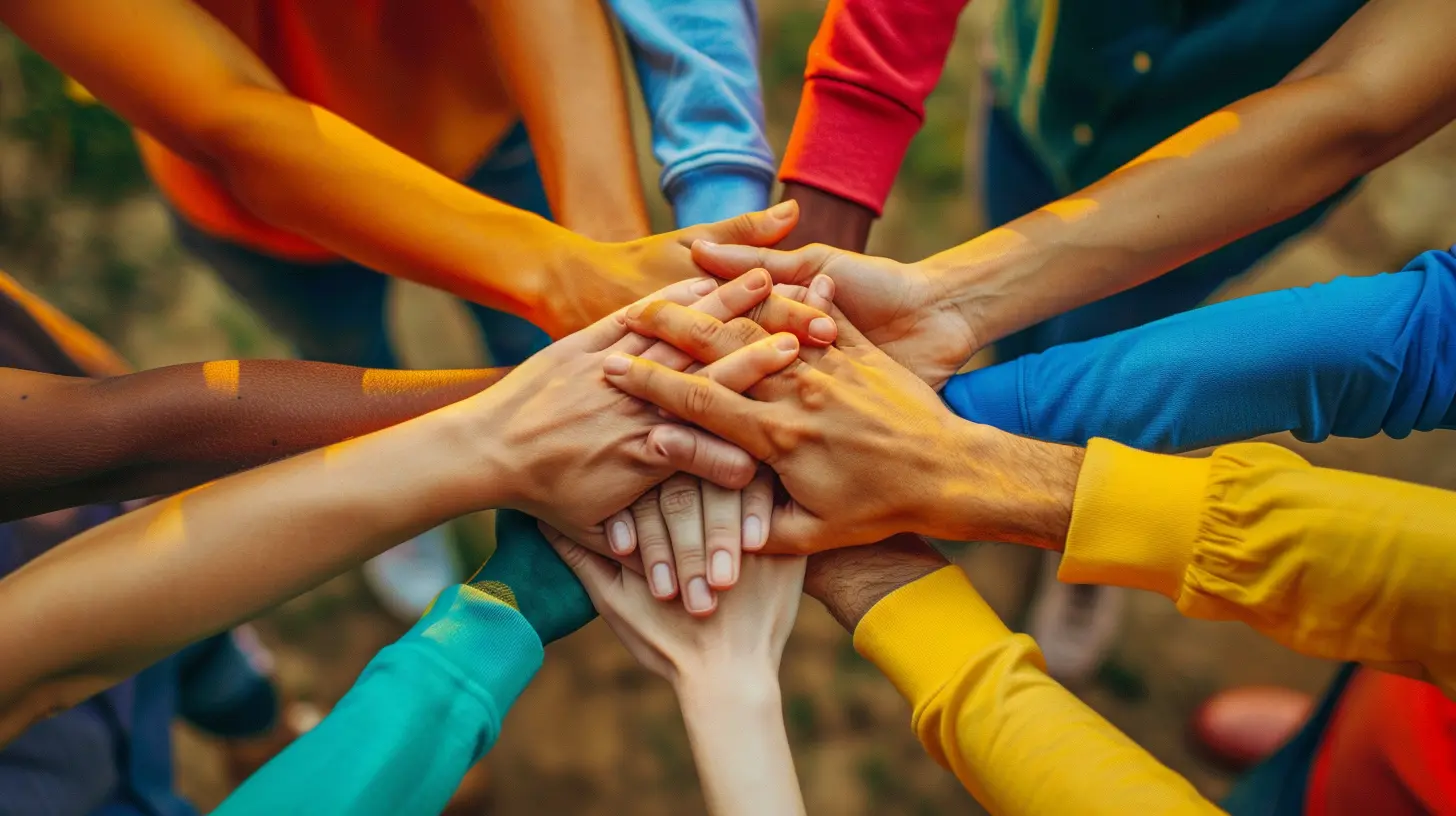
Why Collaborative Learning?
Before we jump into the "how," let’s talk about the "why." Why should we even bother with collaborative learning?Collaborative learning is more than just group work. When done right, it fosters deeper understanding, enhances critical thinking, builds social skills, and can even make learning more fun. Think about it: learning in isolation can feel like a marathon, but when you’re part of a team, it’s more like a relay race. You’re still working hard, but you’ve got others running alongside you, sharing the load and offering new perspectives.
The trick, though, is ensuring students are motivated to participate — because we all know how painful group work can be when some members are disengaged.

What Motivates Students in Collaborative Learning?
Before designing any activity, we need to understand what actually motivates students to collaborate. What makes them say, "Hey, I want to be part of this"?1. Autonomy – Students love having a say in how they work. Give them some control over how the group functions, and you'll see motivation soar.
2. Mastery – When students feel like they’re getting better at something, they’re more likely to stay engaged. Collaborative learning lets them see their progress through peer feedback.
3. Purpose – What’s the bigger picture? Students want to know how what they’re doing fits into their lives or future careers. If they don’t see the relevance, they’ll check out.
4. Relatedness – Humans are wired to connect. Collaborative learning taps into our need for social interaction. When students feel connected to the group, they’re more likely to stay motivated.
Keeping these motivators in mind is crucial when you’re designing your activities. So, how do you actually go about creating activities that tap into these motivators? Let’s break it down.
Step 1: Establish Clear Objectives
Why Objectives Matter
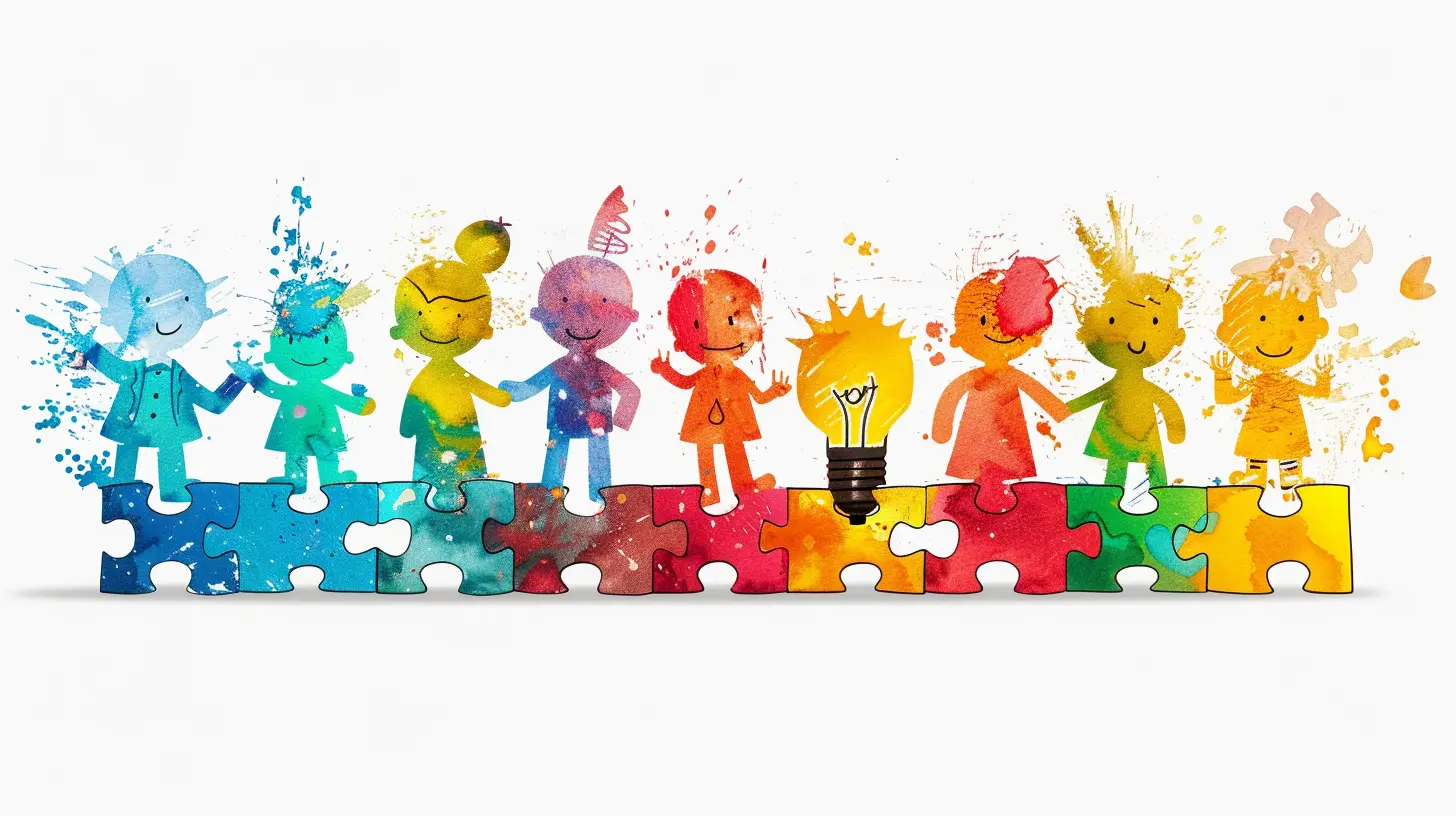
Imagine walking into a room with a puzzle but no picture of what the finished puzzle is supposed to look like. Frustrating, right? The same goes for collaborative learning activities without clear objectives. If students don't have a clear goal or know what they’re supposed to achieve, they’ll feel lost and unmotivated.How to Set Objectives
Start by defining what you want students to achieve by the end of the activity. Are they solving a problem, creating something, or debating a topic? Write these objectives in simple, student-friendly language. This way, everyone knows what success looks like from the beginning.- Example: "By the end of this project, your group should be able to explain the key causes of climate change and propose three viable solutions."

Step 2: Create Meaningful Tasks
Why Meaning Matters
You know that question every student asks at least once: "When am I ever going to use this in real life?" If your collaborative activities feel pointless or disconnected from the real world, students are going to lose interest. The key is to craft meaningful tasks — tasks that feel relevant to their lives or future careers.How to Make Tasks Meaningful
Design tasks that mimic real-world scenarios. For example, if you’re teaching marketing, have students work together to create a marketing campaign for a product. If you’re teaching history, have them debate historical decisions as if they were policymakers.- Example: In a science class, instead of just reading about ecosystems, students could work together to create a campaign that educates their community about protecting local habitats.
Step 3: Encourage Group Roles and Responsibilities
Why Roles Matter
Ever been in a group project where one person did all the work, and the others just sat back? Yeah, it’s the worst. One way to avoid this common pitfall is by assigning specific roles and responsibilities within the group. This not only keeps everyone accountable but also helps students feel like they’re making a valuable contribution.How to Assign Roles
You can assign roles like the facilitator, note-taker, researcher, and presenter. But don’t stop there. Rotate these roles periodically so that each student has a chance to practice different skills.- Example: In a literature class, one student could be the summarizer (providing a brief summary of the text), another the questioner (posing discussion questions), and another the connector (relating the text to current events or personal experiences).
Step 4: Incorporate Technology
Why Technology Matters
Let’s face it — we live in a digital age. Students are more engaged when they can use tools and platforms that they’re already familiar with. Plus, technology can make collaboration easier, especially if students are working remotely or asynchronously.How to Use Technology
There are tons of collaborative tools out there, like Google Docs, Padlet, or Trello, that allow students to work together in real-time or over time. You can even use discussion boards or Zoom breakout rooms to facilitate communication.- Example: For a geography project, students could use Google Maps to collaboratively mark locations and add information about different countries.
Step 5: Build in Opportunities for Reflection
Why Reflection Matters
Reflection isn’t just for yoga class — it’s essential for learning too. When students take time to reflect on what they’ve done, they’re more likely to remember and apply it in the future. Plus, reflecting on their group dynamics can help them improve their collaboration skills.How to Incorporate Reflection
At the end of the activity, ask students to reflect on both the content and the process. What did they learn? How did their group work together? What could they improve next time? You can do this through individual reflection journals or group discussions.- Example: After a history debate, ask students to reflect on how well they supported their arguments and how effectively they worked as a team.
Step 6: Use Gamification to Boost Engagement
Why Gamification Works
Gamification turns learning into a game, and who doesn’t love a good game? Adding elements like points, badges, or leaderboards can make the learning process more engaging and competitive (in a good way). When students feel like they’re playing a game, they’re more likely to stay motivated.How to Gamify Collaborative Learning
You can assign points for completing tasks, offer badges for exceptional teamwork, or have groups "level up" as they hit milestones in the project. Just be sure to keep the competition friendly — you don’t want to create tension within groups.- Example: Create a points system where groups earn points for completing parts of a project. The group with the most points at the end could get a small prize or extra credit.
Step 7: Provide Ongoing Feedback
Why Feedback is Crucial
Feedback is like the GPS of learning — it tells students if they’re on the right track or if they need to make a U-turn. Without feedback, students may feel lost or unsure of their progress, which can kill motivation.How to Offer Effective Feedback
Provide ongoing, formative feedback throughout the activity. Don’t wait until the end to give students input. Instead, give them feedback at key points in the project, so they can make adjustments as they go.- Example: Halfway through a group project, provide written or verbal feedback on how well the group is collaborating and how they’re progressing towards the final goal.
Step 8: Celebrate Successes
Why Celebrating Matters
Who doesn’t love a little recognition? Celebrating successes, no matter how small, can boost students' motivation and encourage them to keep going. Whether it’s finishing a difficult task or working well as a team, it’s important to acknowledge these wins.How to Celebrate
You don’t need to throw a party (although, hey, why not?), but simple things like a round of applause, a positive note, or even posting their work to a class website can go a long way in building motivation.- Example: At the end of the project, showcase the best group presentations or hold a mini-award ceremony for categories like "Best Team Player" or "Most Creative Solution."
Conclusion
Designing collaborative learning activities that motivate students isn’t rocket science, but it does require thoughtful planning. By setting clear objectives, creating meaningful tasks, assigning roles, incorporating technology, and providing opportunities for reflection and feedback, you can create experiences that not only teach content but also foster key life skills like teamwork and critical thinking.Remember, it’s not just about putting students in groups and hoping for the best. It’s about creating an environment where collaboration is meaningful, engaging, and — most importantly — motivating.
all images in this post were generated using AI tools
Category:
Collaborative LearningAuthor:

Bethany Hudson
Discussion
rate this article
2 comments
Anna Garcia
This article offers valuable insights into creating engaging collaborative learning experiences. The practical strategies highlighted are essential for educators aiming to enhance student motivation and foster a more interactive classroom environment. Great read!
April 26, 2026 at 11:12 AM
Bethany Hudson
Thank you for the thoughtful comment! I'm glad you found the strategies useful for enhancing collaboration and motivation in the classroom.
Theodora Powell
Great insights on fostering collaboration in the classroom! I particularly liked your emphasis on student choice and varied roles within groups. Incorporating technology tools can also enhance engagement. Looking forward to trying out some of these strategies in my own lessons!
April 12, 2026 at 2:47 AM
Bethany Hudson
Thanks for your kind words! I'm glad you found the ideas helpful. Incorporating student choice and technology can really make a difference. Excited for you to try them out!