How to Encourage Peer Acceptance of Students with Learning Disabilities
31 December 2025
Let’s face it—school can be tough. From learning decimals to navigating the lunchroom social scene, students already juggle a lot. Now, imagine adding a learning disability to the mix. For students facing unique learning challenges, feeling included and accepted by peers can make all the difference in their school experience—and life in general.
This guide is here to help teachers, parents, and even students themselves create a more inclusive school environment. One where everyone, regardless of their learning style, feels like they belong.
Let’s dive in and talk about how to encourage peer acceptance of students with learning disabilities, with heart, humor, and a whole lot of practical advice.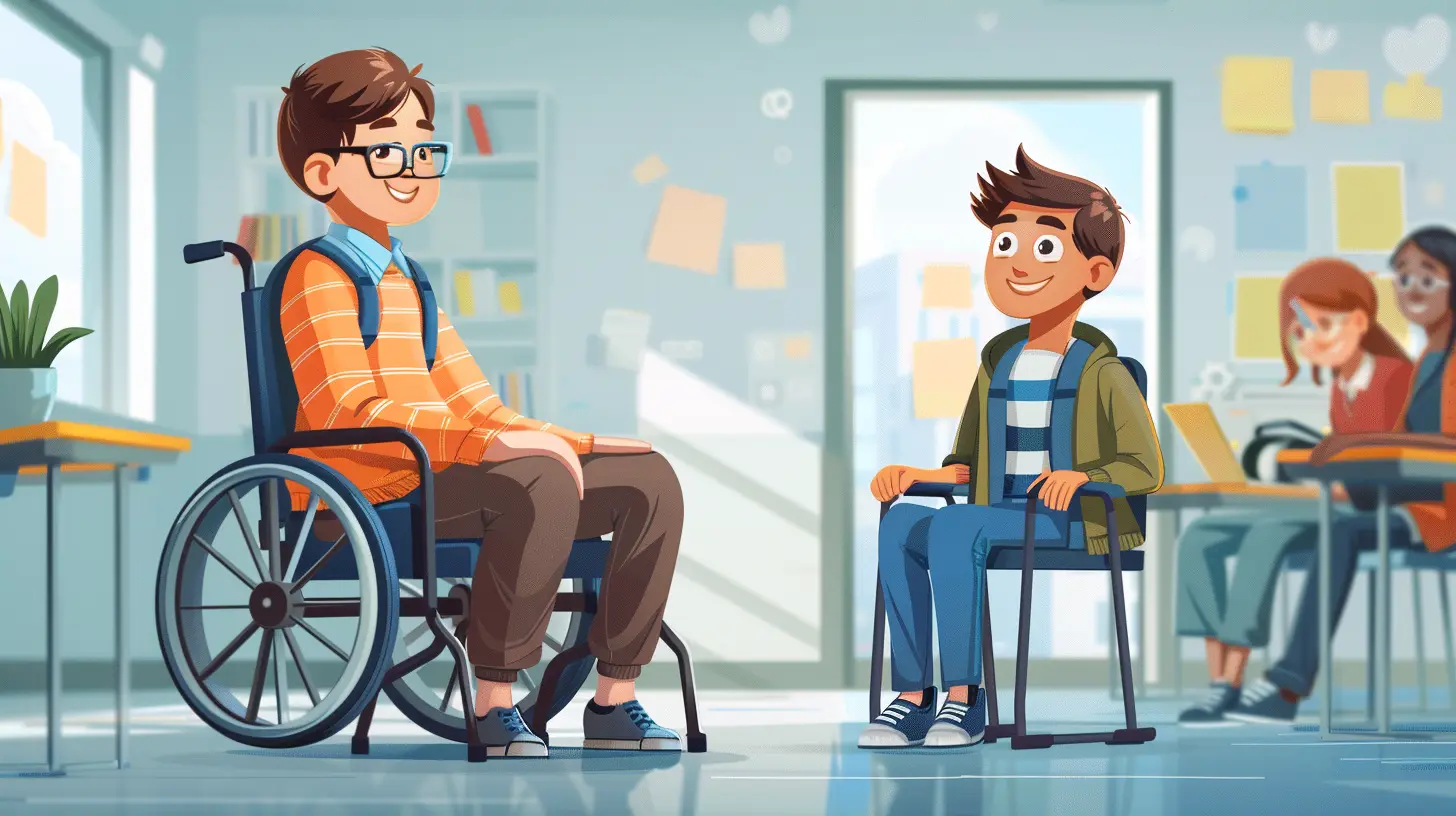
Understanding the Basics: What Are Learning Disabilities?
Before we can talk about acceptance, let’s clear up some basics. Learning disabilities (LDs) are neurologically-based processing problems. In plain English? The brain works a bit differently when taking in, processing, or expressing information.This doesn’t mean kids with LDs are less intelligent (not even close!). It just means they learn differently. Common learning disabilities include dyslexia (trouble reading), dyscalculia (math struggles), and ADHD (attention challenges). These kids often need more time, different strategies, or accommodations, and that’s totally okay.
Imagine trying to watch TV with the volume down and no subtitles. That’s kind of what school can feel like for someone with a learning disability. They can still understand the plot eventually—they just need it presented differently!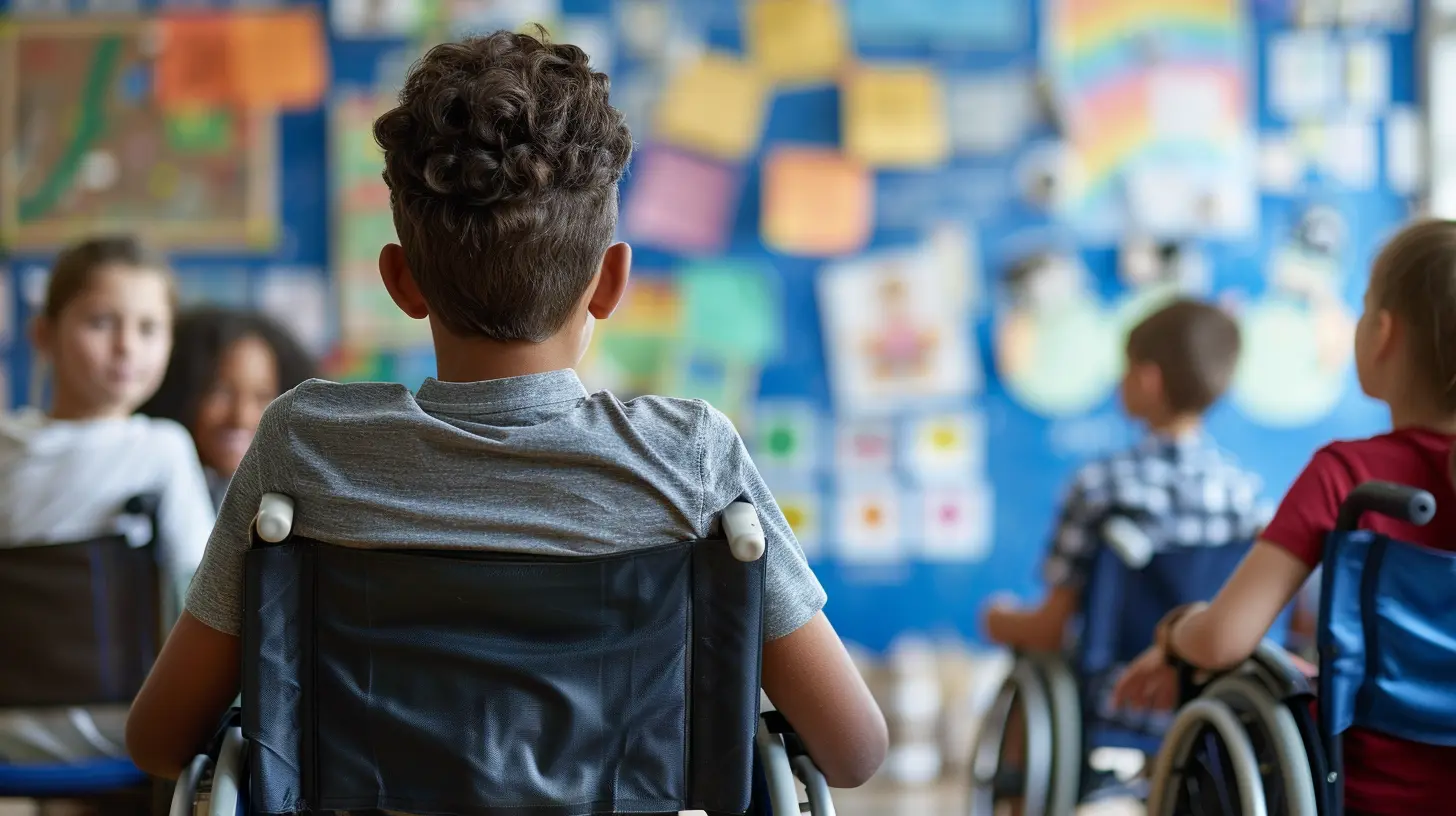
Why Peer Acceptance Matters
Here’s the thing: academic success is important, but so is emotional well-being. Students who feel accepted by their classmates are more confident, motivated, and engaged.On the flip side, being left out or bullied can severely affect self-esteem and mental health. And let’s not sugar-coat it: kids with LDs are often at higher risk for exclusion.
So, creating a classroom culture that celebrates differences instead of mocking them? That’s not just nice. It’s necessary.
Step 1: Build Awareness Through Empathy
First things first—kids won’t accept what they don’t understand. That’s why awareness is such a huge part of the puzzle. But don’t worry, this isn’t a preachy "sit and listen to a lecture" moment. We’re talking fun, hands-on, eye-opening experiences.Try This: Simulations and Roleplaying
Ever have your students try to write with their non-dominant hand or read mirrored text? It’s tricky, frustrating, and exactly the kind of activity that builds empathy fast.These kinds of simulations help students understand the daily challenges their peers with LDs face. Afterward, open the floor for discussion. Ask:
- How did that make you feel?
- Was it hard? Why?
- Can you imagine feeling like that in every class?
It’s amazing how quickly attitudes shift when kids "get it."
Step 2: Normalize Talking About Differences
Let’s be real—kids notice differences. And when adults treat those things like they’re taboo, it only adds to the mystery and stigma.Instead, encourage open, age-appropriate conversations. Normalize the idea that everyone learns in their own way. You can even use yourself as an example. Maybe say, “I always mix up my left and right,” or “I need to write things down to remember them.”
When classroom dialogue includes phrases like "That’s just how his brain works" or "She learns best with pictures," acceptance becomes second nature.
Step 3: Promote Strength-Based Thinking
Too often, learning disabilities get framed entirely in terms of what a kid can’t do.Let’s flip the script.
Every student—LD or not—has strengths, talents, and interests. Maybe Sam struggles with reading out loud but he’s a math whiz. Maybe Jess zones out sometimes but draws like a pro. Highlighting these abilities builds confidence and helps classmates see the full picture.
Start using phrases like:
- “Everyone’s good at something.”
- “We all have our own superpowers.”
And when someone shines in their area of strength? Celebrate it! Make it a classroom moment.
Step 4: Buddy Up!
Ever notice how kids are more likely to try something new (or scary) if a friend is doing it too?Creating buddy systems or peer partners helps build genuine relationships. Pair students with and without LDs for collaborative work, projects, or even just recess.
But here’s the trick—don’t force it. Choose activities or partnerships based on shared interests. If both kids love dinosaurs, put them on that fossil research project together. Common ground builds natural bonds.
And always check in. Ask both students how the buddy situation is going and adjust as needed.
Step 5: Encourage Curiosity Without Judgment
Kids ask questions. Lots of them. And that’s okay!Instead of shutting down a curious question like, “Why does Jamie get extra time on the test?” try responding with something like:
“Great question! Everyone learns differently, and Jamie’s brain needs more time to show what he knows. That’s fair, just like wearing glasses helps someone see better.”
Use comparisons that kids understand. Tie in fairness, not equality. Fair means giving people what they need, not treating everyone exactly the same.
Step 6: Get Families Involved
The classroom is important, but acceptance doesn’t end when the bell rings. Families play a huge role, too.Host events where parents can learn about different learning needs. Send home newsletters or videos that discuss inclusion. Foster a connection between school and home that promotes kindness and understanding.
When families hear the same message about acceptance, it reinforces the culture you’re creating in your classroom.
Step 7: Model Inclusive Language Every Day
Let’s face it: kids are sponges. They pick up on how adults talk, even when we don’t realize it.Use inclusive, kind, and positive language around learning differences. Avoid labels like “slow” or “struggling.” Instead, say things like:
- “He learns in a different way.”
- “She’s working on building her confidence with reading.”
- “Everyone’s brain works uniquely.”
Your language sets the tone. Kids will follow your lead.
Step 8: Use Books, Movies, and Media to Spark Conversations
Stories are powerful. When kids see characters like themselves—or different from themselves—it helps build compassion and understanding.Look for books and films that feature characters with learning disabilities in a positive light. Then, use them as jumping-off points for classroom discussion.
Ask:
- How did the main character feel?
- What challenges did they face?
- How did their friends treat them?
You might be surprised at how deep your students are willing to go when guided by a good story.
Step 9: Celebrate Differences All Year (Not Just on Special Days)
Sure, Disability Awareness Month is great—but true inclusion happens every day.Incorporate diversity and acceptance into everyday classroom activities. Celebrate all kinds of intelligence: musical, athletic, linguistic, spatial, emotional, and more.
Acknowledge accomplishments of students with LDs publicly, just as you would for any student. Make it a habit, not a holiday.
Step 10: Keep It Real—Mistakes Are Okay
Even with all the best intentions, slips, awkward moments, and uncomfortable conversations will happen. That’s part of the process.Encourage students (and yourself!) to own mistakes. If someone says something insensitive, use it as a teachable moment. Stay calm and keep it positive.
Try something like:
“Hmm, I heard what you said, and I want to talk about why that might be hurtful. Let’s think it through together.”
Growth doesn’t come from perfection—it comes from trying, falling, learning, and trying again.
Wrapping It Up: Small Steps, Big Impact
Encouraging peer acceptance of students with learning disabilities isn’t about grand gestures. It’s about the small, intentional choices we make each day. The way we speak. The partners we choose. The stories we tell. The empathy we nurture.When we make space for everyone at the table, we don’t just help students with LDs—we create classrooms where everyone feels safe, seen, and supported.
So, whether you’re a teacher, parent, or just a person out here trying to make the world a little kinder—thank you. You're helping build a better, more inclusive future.
And hey, doesn’t that sound like a pretty great legacy to leave behind?
all images in this post were generated using AI tools
Category:
Learning DisabilitiesAuthor:
Bethany Hudson
Discussion
rate this article
2 comments
Sari Bellamy
This article adeptly highlights the importance of fostering empathy and understanding among peers. By implementing inclusive practices and promoting diverse interactions, educators can significantly enhance acceptance of students with learning disabilities, ultimately creating a more supportive and collaborative learning environment.
January 29, 2026 at 11:29 AM
Bethany Hudson
Thank you for your insightful comment! I agree that fostering empathy and inclusion is crucial for creating a supportive environment for all students.
Delia Anderson
This article provides valuable insights on fostering peer acceptance for students with learning disabilities. Creating an inclusive environment not only enhances social connections but also enriches the learning experience for everyone.
January 8, 2026 at 3:46 AM
Bethany Hudson
Thank you for your feedback! I'm glad you found the insights valuable and recognize the importance of an inclusive environment for all students.