How to Handle Power Struggles with Students
5 April 2026
Ah yes, the classic power struggle — the teacher says “jump,” and the student says, “make me.” Sound familiar? Whether you’re a seasoned educator or fresh outta college with your shiny teaching degree, power struggles are part of the gig. No one signs up for them, but every classroom has at least one student who will test your patience, push every button you’ve got, and challenge your authority on what feels like a spiritual level.
So what do you do? Throw in the towel? Lock the classroom door and cry into your coffee? Nope. You buckle up, channel your inner boss, and learn how to handle those power struggles like a pro.
Let’s break it down, shall we?
First Things First: What Even IS a Power Struggle?
Let’s not overcomplicate it. A power struggle happens when a student challenges your authority — openly, repeatedly, and usually with some side-eye and sarcasm. It’s a control tug-of-war. You say “no phones,” they respond by texting under the desk with Olympic-level stealth. You ask them to sit down, they take two steps and then suddenly need to sharpen their pencil — again.It’s exhausting. But here’s the thing: it’s not about you. Power struggles are usually students' way of expressing control in a world where they feel they have none. Their behavior is the tip of the iceberg — what’s beneath is what really matters.
Why Do Students Engage in Power Struggles?
Let’s get into the psychology for a second — and don’t worry, I’ll make it painless.💡 It’s Not About You (Seriously)
I know, it feels personal. But more often than not, that student giving you grief is battling something else — maybe something at home, maybe a learning difficulty, maybe just being 14 and full of hormonal chaos.🧠 They’re Wired for Autonomy
Students — especially tweens and teens — are on a mission to define themselves. They crave independence, and sometimes that translates into questioning (read: challenging) your rules.💔 Control = Comfort
For some kids, controlling the classroom is their way of creating predictability. It’s a safety net.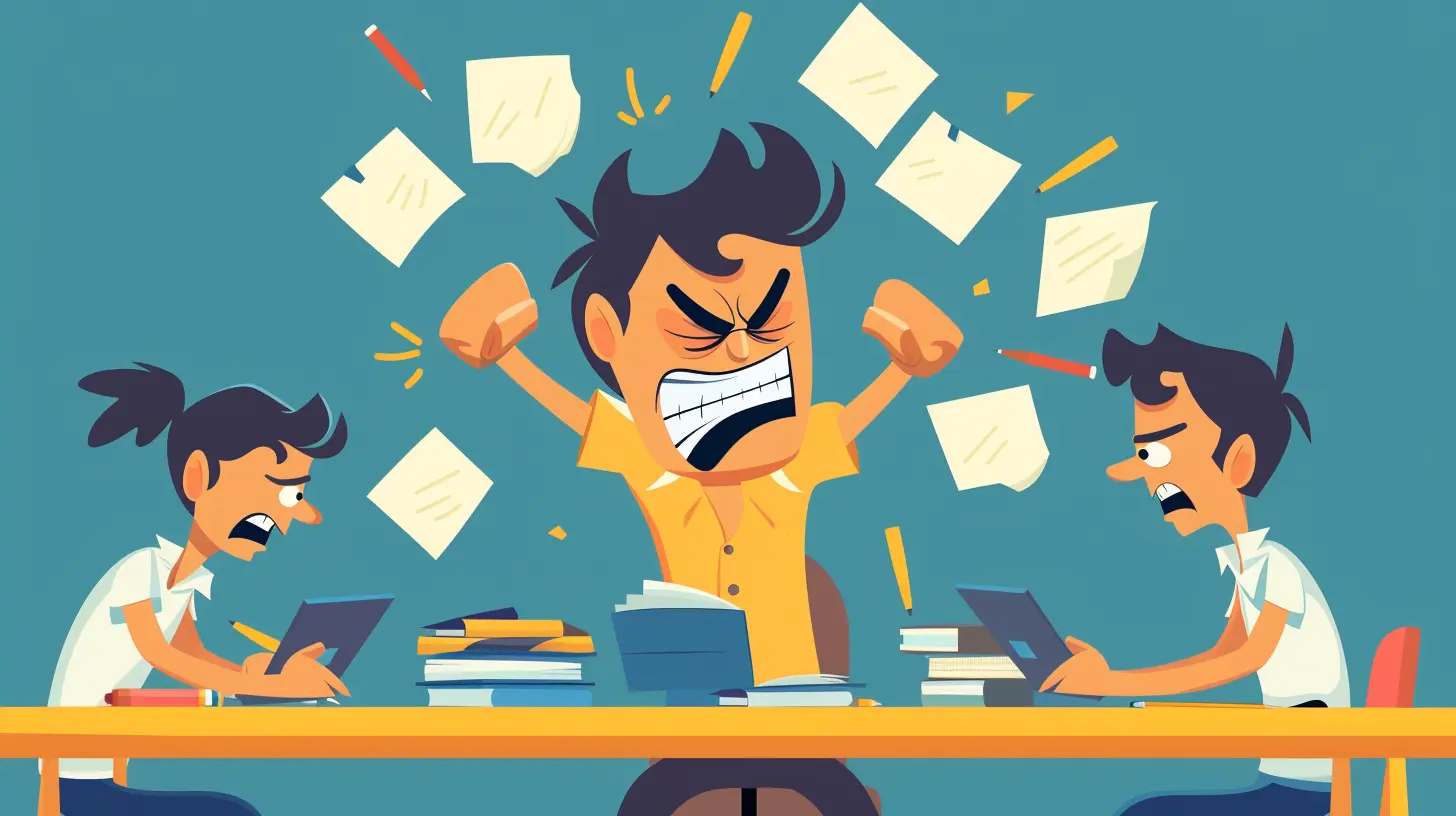
The Golden Rule: Don’t Take the Bait
This one’s hard — I won’t sugarcoat it. When a student rolls their eyes and mutters under their breath, your gut might scream: “Excuse me?!” And I get it. But responding emotionally is the fastest way to pour gas on the fire.💬 Keep It Cool, Always
Power struggles feed off your reaction. If you get mad, they win. If you stay calm, collected, and a little bit unbothered? You’re suddenly in control without having to wrestle for it.Think of it like this: Power struggles are like a game of tug-of-war — drop the rope, and the game ends.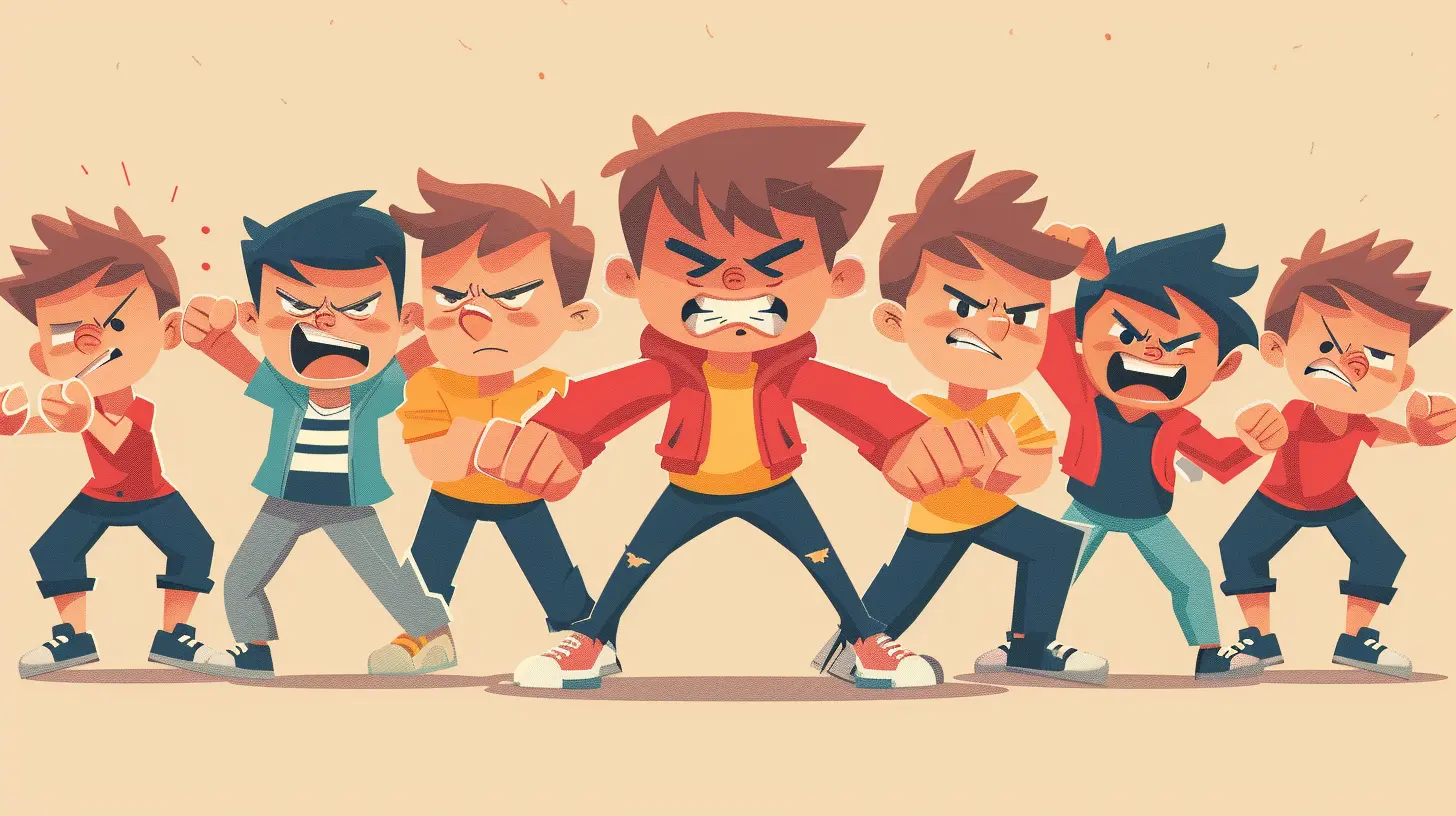
Set the Vibe Early (Prevention is 🔑)
An ounce of prevention is worth a metric ton of classroom meltdowns.📏 Set Clear Expectations
Say what you mean, and mean what you say. Spend the first few days of school laying down the law (respectfully, of course). Be clear, be consistent, and make sure students understand the “why” behind your classroom rules.🎯 Consistency is Queen
Kids know when you’re bluffing. Don’t say, “If you talk again, you'll get a consequence,” and then let it slide 12 times. Follow through — every. single. time.🧠 Teach Self-Regulation
Model emotional control. Brainstorm coping strategies as a class. Practice mindfulness or quick breathing exercises. When students have tools to manage their emotions, they’re less likely to lash out or challenge you.Know Your Triggers (Yep, You’ve Got ‘Em)
We all have that one behavior that drives us absolutely nuts. Maybe it’s backtalk. Maybe it’s chronic lateness. Maybe it’s that one kid clicking their pen until your eye twitches. Whatever it is, know it — and prepare for it.Why? Because self-awareness is half the battle. If you're aware of what sets you off, you're better equipped to manage your response and not escalate the situation.
When It Happens Anyway… (Because It Will)
Okay, so despite your best efforts, Johnny’s declared open war over seating arrangements. What now?1. 🧊 Stay Calm and Unbothered
Easier said than done, I know. But the moment you're visibly rattled, the student wins the power game. Take a breath. Speak slowly, softly, and confidently.2. ⏱ Delay the Conversation
You don’t have to solve everything right now. In fact, addressing the issue privately later is usually more effective. Say, “We’ll talk after class” and keep it movin’. Public shaming? Bad idea. Always.3. 🧩 Play the Curiosity Card
Try this: “That’s not like you. What’s really going on today?” You’d be surprised how a little empathy can crack even the hardest shell. Sometimes what looks like defiance is just a cry for help.4. 🔁 Offer Choices — But Make Them Smart
Here’s a little trick: Give them a sense of control without actually handing them the reins.Instead of saying, “Sit down now!” try, “Do you want to sit here or by the window?” Boom — you’re still in charge, but they get to choose how to follow the rule. Jedi mind-tricks for the win.
5. 📝 Document Like a Boss
If a situation keeps repeating, keep records. Dates, behaviors, your responses, outcomes. Not only does this help with parent meetings, admin support, or IEP updates, but it can help you spot patterns you might miss in the moment.Build Relationships Like It’s Your Job (Because, Well, It Is)
Here’s the tea: students are far less likely to fight with someone they respect and feel connected to.🖤 Get Personal (Within Reason)
Learn their names fast. Ask about their interests. Laugh at their corny jokes. Show up for their basketball games or comment on their creative writing. You don’t have to be their best friend, but they should know you care.👏 Celebrate Successes
Catch them being good. Praise effort. A little recognition goes a long way. Even your most defiant student has a secret soft spot for positive attention.Bring in Backup When Needed
Sometimes, despite all your patience, expertise, and charm, a student is still out here acting like they run the school.🧑🏫 Don’t Be Afraid to Loop in Support
Call home (and not just for the bad stuff). Talk to the counselor. Ask admin for advice. It takes a village — and there’s no shame in calling the village elders for reinforcements.What NOT to Do (Seriously, Just Don’t)
🚫 Don’t escalate the moment.🚫 Don’t argue in front of the class.
🚫 Don’t issue ultimatums you aren’t prepared to follow through on.
🚫 Don’t take it personally.
🚫 And whatever you do, don’t try to win. This isn’t about domination. It’s about leadership.
The Long Game: Shaping a Respectful Classroom Culture
Handling power struggles isn’t just about putting out fires — it’s about fireproofing the whole dang classroom.How? With empathy. With consistency. With good humor and respectful boundaries. With the firm belief that every student can succeed — even the ones who challenge you daily.
Power struggles can be draining, but they’re also opportunities. Moments to teach grit, to model grace under pressure, and to prove that you do see your students, even when they’re at their most unlovable.
You’ve got the power — not just to control the class, but to change lives.
So go on, teacher. Pick up that whiteboard marker, straighten your superhero cape, and walk back into that classroom like the boss you are.
Quick Recap Checklist: How to Handle Power Struggles Like a Pro
✅ Stay calm, always✅ Set expectations early and clearly
✅ Avoid public showdowns
✅ Offer choices to maintain control
✅ Build real relationships
✅ Recognize your own triggers
✅ Document and seek support when needed
✅ Never, ever take it personally
Final Thoughts (AKA Pep Talk Time)
Every teacher deals with power struggles. You're not failing because a student challenged you — you're learning, adapting, and growing. Each time you navigate a conflict with grace, you're not just managing behavior — you're teaching life skills.So stand tall, stay cool, and remember: the strongest leaders lead with compassion, not control.
And hey, next time that power-struggle storm hits — you’ll dance in the rain instead of scrambling for cover.
all images in this post were generated using AI tools
Category:
Classroom ManagementAuthor:

Bethany Hudson
Discussion
rate this article
2 comments
Marissa McGonagle
Power struggles in the classroom can be as elusive as shadows at dusk. Understanding the hidden dynamics at play may unlock the path to resolution. Are we merely reacting, or is there a deeper connection waiting to be discovered beneath the surface?
April 23, 2026 at 2:43 AM
Bethany Hudson
Absolutely! Recognizing the underlying dynamics is key. By fostering open communication and empathy, we can transform power struggles into opportunities for growth and understanding.
Niko Roberson
Great insights! Balancing authority and empathy is key to resolving power struggles effectively in the classroom.
April 6, 2026 at 4:41 AM
Bethany Hudson
Thanks for your feedback! Balancing authority and empathy truly makes a difference in those challenging moments.