How to Incorporate Movement Breaks to Support Students with ADHD
26 July 2026
We’ve all been there. Staring at a screen or whiteboard for what feels like forever, our thoughts slowly drifting to outer space. Now, imagine that feeling—but on turbo speed. That’s often the reality for students with ADHD. Sitting still for hours? Yeah, that’s asking a lot. Movement isn’t just helpful for these students—it’s essential.
In this article, we’re diving into the why and how of incorporating movement breaks into your school day to better support students with ADHD. Spoiler alert: It’s easier (and a lot more fun) than you might think.
Why Movement Matters for Students with ADHD
Before we jump into the how-tos, let’s talk about the why. The brains of kids with ADHD are wired a little differently. They’re often buzzing with energy, creative ideas, and the need to move. Sitting still and focusing for long stretches can feel like trying to hold back a waterfall with a paper cup.The Brain-Body Connection
Here’s the deal: Movement actually helps regulate the brain. Physical activity increases dopamine and norepinephrine—those lovely little neurotransmitters that help boost attention and mood. Basically, movement acts like a mini-reset button for the ADHD brain.So when a student with ADHD gets up to stretch, dance, or just wiggle around, they’re not being disruptive—they’re helping themselves refocus. It's kind of like shaking an Etch A Sketch to start fresh.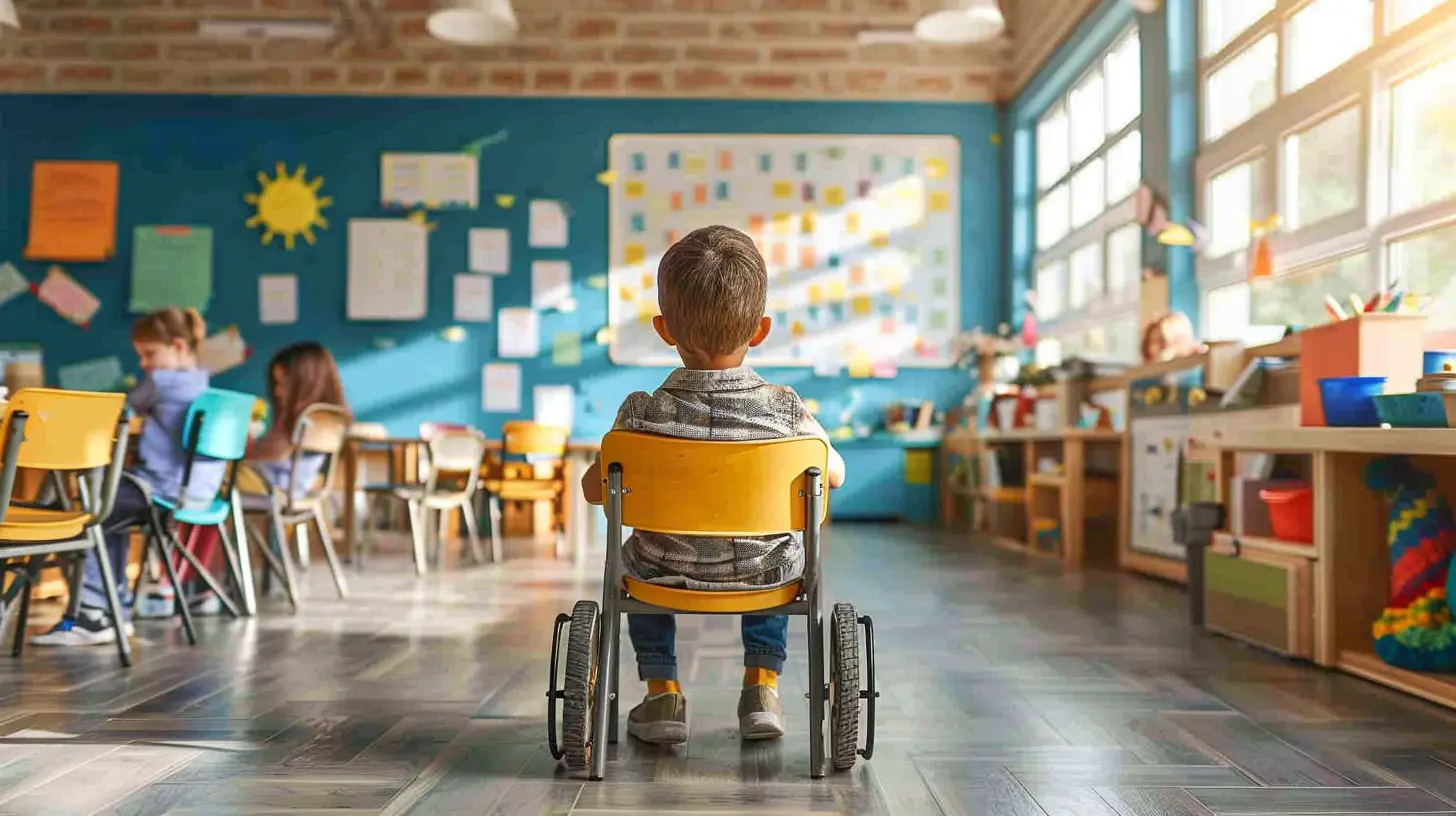
What Exactly Are Movement Breaks?
Think of movement breaks as mental pit stops. They’re short, planned moments that allow kids to move their bodies so they can recharge their minds. We're not talking about full-blown gym class here. Just a few minutes of intentional movement can do wonders.Types of Movement Breaks
- Structured breaks: These are built into the schedule. Think: after every 20 minutes of instruction, kids stand up, stretch, do some jumping jacks, or follow a short activity.- Unstructured breaks: These are more spontaneous. You notice kids getting restless, so you pause and get everyone dancing to a silly song or doing a quick brain teaser that involves movement.
Either way, the goal is the same—to re-engage the brain and reduce the mental fog.
The Benefits of Movement Breaks (Spoiler: There Are Lots)
Adding movement breaks isn’t just a “nice-to-have”—it’s a total game-changer. Here’s how they help:1. Boost Focus and Attention
After a short break, students often return more ready to listen and learn. It’s like hitting the reset button on their concentration. Quick, strategic physical activity wakes up the brain and body.2. Improve Behavior
Ever notice how a fidgety student might start acting out more as they get bored or restless? Movement lets them get that extra energy out in a positive way—before it explodes into mischief.3. Increase Academic Performance
Yep, you read that right. Studies have shown that consistent movement breaks can actually improve academic outcomes. When students’ brains are refreshed, they absorb information better.4. Support Emotional Regulation
Kids with ADHD often struggle with managing emotions. A little movement can help them get back on track. It's like emotional first aid—you’re giving them a safe, healthy way to process frustration or anxiety.
When to Use Movement Breaks
Timing is key. You don’t want to wait until your class is bouncing off the walls before inviting a break. Here are some golden opportunities to sprinkle them in:- Between transitions (like from math to reading)
- After long instructions or lectures
- When you notice glazed-over eyes
- Before a big test or assignment
- Anytime a student is showing signs of restlessness or stress
Remember: Proactive is better than reactive. If you wait too long, that fidgety energy might start bubbling over.
Movement Break Ideas for the Classroom
Alright, let’s get to the good stuff. Here are a bunch of movement break ideas that require little to no equipment and can be done right in the classroom:1. Brain Gym Exercises
These involve simple movements like cross-body reaches, arm stretches, and neck rolls. They’re quick, gentle, and perfect for refocusing.2. GoNoodle
This free online platform offers short and silly movement videos that kids love. Dancing tacos? Energetic llamas? Count us in.3. Simon Says—with a Twist
Play a quick round but add in educational elements. “Simon says hop on one foot if 2 + 2 = 4!” It’s learning and moving—multitasking at its finest.4. Desk Drumming
Let students drum on their desks or legs to the beat of a favorite song (within reason, of course). It’s a great way to release energy without leaving their seats.5. Movement Stations
Set up simple stations around the classroom. One with jumping jacks, another with hula hoops (if you’re brave), and maybe one with yoga poses. Rotate students every minute.6. Freeze Dance
Play music and stop it randomly—students must freeze when it stops. It’s a hit with younger kids and a great way to break up a long lesson.7. Animal Walks
Have students move across the room like animals—crab walk, bear crawl, frog jumps—you get the idea. Bonus: It gets their imaginations going, too.Implementing Movement Breaks Without Losing Control
We get it—movement sounds great in theory, but what about in practice? Won’t it just make your classroom wild?Not if you set the tone and lay the ground rules. Here’s how to keep things smooth:
Be Consistent
Make movement breaks a regular part of the day so students expect and respect them. Predictability helps manage behavior.Set Clear Expectations
Let students know what’s okay and what’s not. For example, “We move our bodies, but we don’t touch others. We return to our seats when the time is up.”Use Cues
Have a fun signal (like a chime or hand clap pattern) to start and stop the movement break. This makes it easier to regain attention.Keep It Short
2–5 minutes is usually enough. Just enough to refresh—without derailing the lesson.Movement Breaks for Different Age Groups
Not all breaks are one-size-fits-all. What works for kindergarteners might tank with high schoolers. Tailor your breaks to the age of your students:Elementary School
- Dance parties- Balloon volleyball
- Wiggle songs
- Yoga for kids
Middle School
- Stretch routines- Desk drumming
- Mystery movement cards (each with a quick challenge)
- Short partner games
High School
- Bodyweight exercises (planks, lunges, etc.)- Walking discussions (have students talk in pairs while walking the hall)
- Breathing and mindfulness with light stretching
Yes, even teens need movement—trust me, they’ll thank you (eventually).
Movement Breaks in Remote or Hybrid Learning
Stuck behind a screen? Movement breaks are just as important when learning remotely. Here’s how to make it happen—even through Zoom:- Encourage kids to stand up and stretch between tasks
- Lead a virtual dance or stretch break
- Use activity dice or spinners on-screen
- Play online movement games like charades
- Have them create their own movement routines and share with the class
Screen fatigue is real. A burst of movement now and then helps keep students engaged and sane.
Collaborating with Parents and Support Staff
You’re not alone in supporting students with ADHD. Work with parents, aides, and counselors to create consistent routines across settings.- Share your favorite movement break ideas with parents
- Ask for feedback on what works best for that student at home
- Coordinate with support staff to do similar activities during pull-out sessions
This team effort creates a more predictable and supportive environment for the student.
Making Movement Part of the Culture
The ultimate goal? Normalize movement. Help students feel like getting up and moving is just part of how we learn—not a punishment or special treatment.Celebrate it. Make it fun. And most of all—model it. If you get up to stretch and move, your students will follow your lead. Movement isn’t just for kids with ADHD—it benefits everyone.
Final Thoughts
Supporting students with ADHD doesn’t require fancy equipment or massive changes to your day. Just a few short, consistent movement breaks can drastically improve focus, behavior, and overall well-being. So go ahead—shake things up (literally). Your students will thank you—with brighter eyes, happier hearts, and way more engagement in your lessons.And hey, you might even find yourself enjoying those breaks too. Teaching is a marathon, not a sprint—you deserve a reset now and then, too.
all images in this post were generated using AI tools
Category:
Learning DisabilitiesAuthor:

Bethany Hudson
Discussion
rate this article
1 comments
Astoria McKeever
Incorporating movement breaks is a fantastic way to boost focus and energy for students with ADHD. Small changes can lead to big improvements in learning and engagement. Keep it up!
July 26, 2026 at 3:53 AM