How to Inspire Eco-Activism in Young Students
8 August 2026
Let’s be real—our planet needs help, and the clock is ticking. From rising global temperatures to plastic-choked oceans, the signs are everywhere. But here’s the good news: the next generation is fired up, passionate, and ready to make a difference. The only thing standing in the way? Igniting that first spark. That’s where you come in.
If you're a teacher, parent, or youth leader scratching your head wondering how to inspire eco-activism in young students, you’re in the right place. It’s not about preaching facts. It’s about plugging into their natural curiosity, enthusiasm, and desire to do good. Let's dive into the how-to, step by step.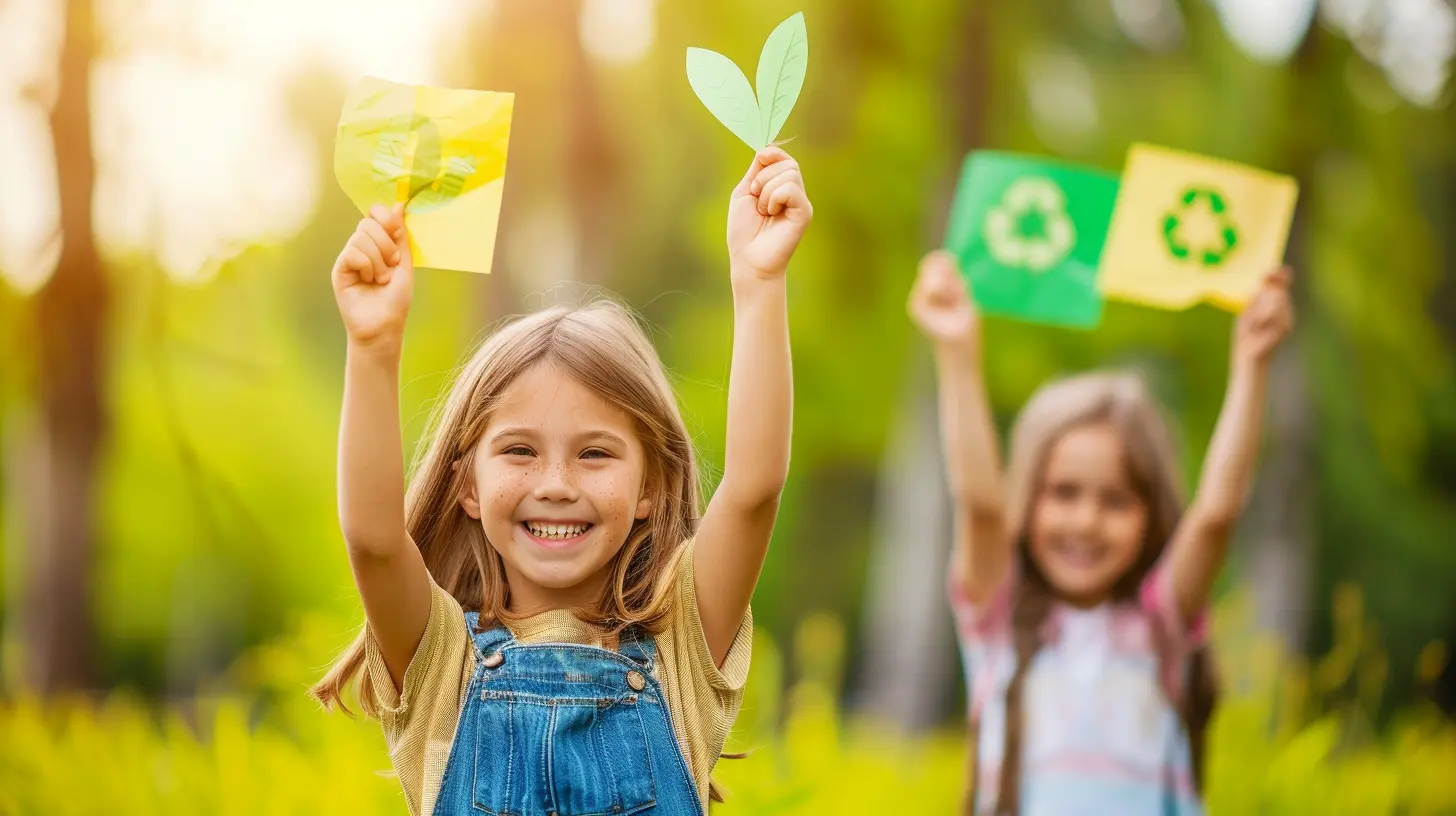
Why Eco-Activism Matters for Students
Before we jump into strategies, let's go back to basics—why does eco-activism even matter for kids? Well, besides the obvious "we kind of need Earth to survive" bit, eco-activism teaches more than just environmental awareness. It builds empathy, responsibility, leadership, and teamwork. When students channel their energy into helping the environment, they become change-makers, not just rule-followers.They also get this priceless gift: Hope. When you're young and watching climate news that sounds like the trailer for a disaster movie, the world can feel pretty heavy. But activism flips that script—it’s about action, not anxiety.
Start with the "Why": Connecting Emotionally
Kids won’t care about something unless it hits home. It’s true—they need to feel the problem before they act on it. So, skip the boring lectures and start with a story. Watch a documentary like "My Octopus Teacher" or "A Life on Our Planet" and then just talk. How did it make them feel? What do they think we should do?Take them outside. Let them see a bug struggling through a puddle of oil, or a park littered with trash. Let the problem get under their skin. Emotions are the door; facts are the furniture.
Make It Personal: Tie It to Their Lives
Let’s be honest—telling a 10-year-old that coral reefs are dying isn’t exactly relatable, especially if they’ve never seen the ocean. But telling them that their favorite park might be too polluted to play in next summer? That hits different.Try this:
- Have students list things they love about nature.
- Ask them how they'd feel if those things disappeared.
- Encourage them to think of small ways to protect those things.
The more personal it gets, the more powerfully they'll respond.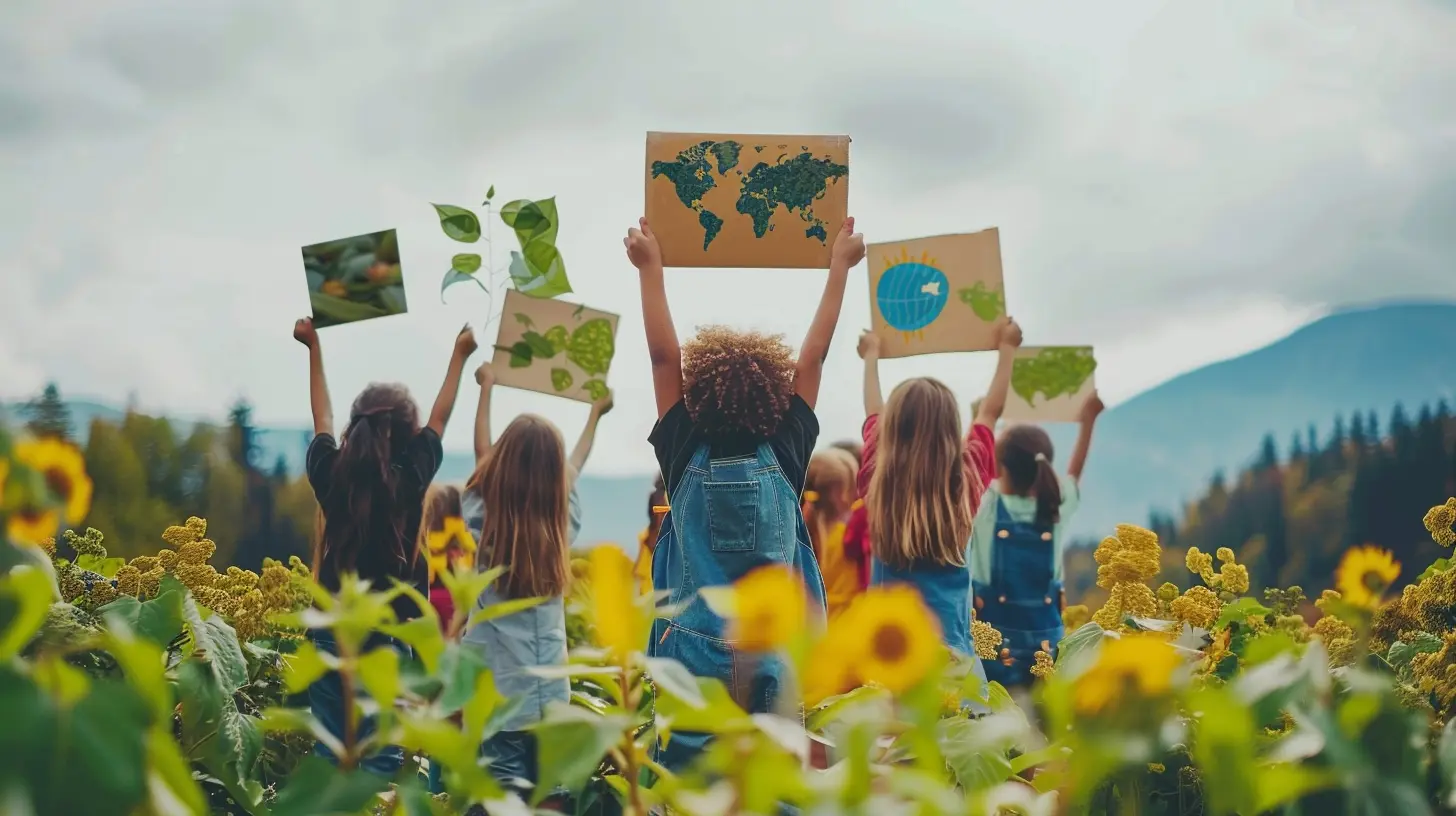
Get Hands-On: Action Over Abstraction
Talking only gets you so far. Kids need to do. So, roll up those sleeves and jump into eco-friendly projects:- Start a school recycling program
- Plant a vegetable or pollinator garden
- Hold a "Trash Pickup Challenge" in your local area
- Create art from reused materials
- Make DIY upcycled gifts for holidays
These hands-on experiences build skills and confidence. Plus, they’re fun. Kind of like science fair meets community service.
Use Social Media for Good
Let’s not pretend students aren’t on TikTok or Instagram every day—because they are. But what if they used those platforms to spread awareness instead of just scroll? Teach them to become digital eco-warriors.They could:
- Create short videos about zero-waste swaps
- Post before-and-after clips of a park cleanup
- Share eco-tips in a fun, relatable way (“Things I stopped buying to save the planet!”)
By combining activism with creativity, you turn climate anxiety into content creation with a purpose. Win-win.
Invite Inspiring Guest Speakers
Ever noticed how students perk up when someone new walks in the room? Bring in a young environmentalist or local activist to speak. Real-life role models who don’t have gray hair and scientific degrees are way more inspiring than textbooks.And don’t limit it to school visits. You can connect through virtual calls, YouTube Q&As, or even podcasts. The goal? Show students they don't need to wait until they’re older to make a difference—they can do it right now.
Encourage Group Projects That Make a Real Impact
Individual actions are great, but teamwork can take activism to the next level. Let students brainstorm problems in their community and come up with creative solutions together.Maybe:
- They start a campaign to ban plastic water bottles at school
- Create original songs or skits to raise awareness
- Write persuasive letters to local government officials
The bigger the challenge, the more proud they’ll feel when they see actual results. Let them lead. You just steer the ship.
Use the Power of Storytelling
We’re wired to remember stories, not spreadsheets. So why not tap into that?Challenge students to:
- Write eco-themed short stories or poems
- Design comic strips where heroes fight climate change
- Start a classroom podcast about local environmental news
This allows students to process heavy topics in a creative, less intimidating way. Plus, they learn communication skills that are gold for any kind of advocacy work.
Celebrate Wins (Even the Small Ones)
You’d be amazed how far a gold star or high-five can go. Recognize every step students take, no matter how minor. Whether it’s bringing a reusable water bottle or organizing a community event, it matters.Create classroom “Eco Hero” awards. Share their milestones during announcements. Let their parents know when they’ve done something awesome. Building a culture of encouragement will keep the momentum going.
Normalize Sustainability in Everyday School Life
If we want eco-activism to stick, it can't just be a "project." It has to be part of the culture. So, make sustainability visible and normal across your school or organization.Some ideas:
- Use green supplies and reusable materials
- Host waste-free lunch days
- Add sustainability tips to the morning announcements
- Decorate classrooms with student-made eco-posters
When students are surrounded by signs that their efforts matter, they’re more likely to keep going.
Be Honest, But Stay Hopeful
Yes, the climate crisis is serious. But doom-and-gloom doesn’t inspire action—it paralyzes it. Be honest about the challenges, but always, always leave room for hope.Frame the conversation like this:
"We have problems—but we have power. The future is still unwritten, and you have the pen."
The goal is to teach them resilience, not resignation.
Keep Learning Together
You don’t need to be Greta Thunberg or a Ph.D. scientist to mentor young eco-activists. Just be open to learning. Read books, watch documentaries, attend webinars—together.Let your curiosity match theirs. Share what you learn. Ask questions. You’re not just teaching them—you’re growing with them.
Final Thoughts: Plant the Seed, Watch it Grow ?
Inspiring eco-activism in young students isn’t about forcing them into activism. It’s about giving them the tools, confidence, and opportunities to care, speak up, and act.Think of it like planting a seed. You water it with experiences, sunlight it with encouragement, and watch it bloom into something beautiful. Some kids might become passionate leaders, while others might just make better daily choices. Either way? You're building a greener future—one student at a time.
Quick Recap: Key Strategies to Spark Eco-Activism
- Start with emotional connection- Make it personal and relatable
- Encourage hands-on projects
- Use social media for awareness
- Bring in young role models
- Foster teamwork and real-world impact
- Use stories and creative expression
- Celebrate small wins
- Embed sustainability in school culture
- Be honest, stay hopeful
- Keep learning and growing together
all images in this post were generated using AI tools
Category:
Environmental EducationAuthor:

Bethany Hudson
Discussion
rate this article
1 comments
Selene Mendez
Why did the tree hugger break up with the plastic bottle? Because it just couldn't commit! If we want young students to be eco-activists, we should make it fun. Let's turn recycling into a game and show them that saving the planet can be a blast... literally!
August 9, 2026 at 4:42 AM