How to Navigate Conflicts in Collaborative Learning Environments
17 July 2026
Collaboration is a crucial part of learning. Whether you’re working on a group project, engaging in peer discussions, or brainstorming innovative ideas, teamwork helps develop essential life skills. But let’s be honest—working with others isn't always smooth sailing. Disagreements happen, miscommunications arise, and sometimes, personalities clash.
So, how do you handle conflicts in a collaborative learning environment without derailing productivity or creating long-term resentment? In this article, we'll dive deep into effective strategies to manage and resolve conflicts so that every group member feels valued and heard. 
? Understanding Conflict in Collaborative Learning
Conflict is a natural part of teamwork. Whenever individuals with different perspectives, ideas, and approaches come together, some level of disagreement is inevitable. But here’s the good news—conflict doesn’t have to be destructive. In fact, when managed correctly, it can foster creativity, critical thinking, and even stronger team bonds.? Why Do Conflicts Occur?
Before you can solve any problem, you need to understand what’s causing it. Here are some of the most common reasons conflicts arise in collaborative learning environments:- Differing Opinions – People have unique viewpoints, and sometimes they clash.
- Miscommunication – A simple misunderstanding can escalate quickly.
- Unequal Participation – When some team members contribute more than others, resentment can build.
- Personality Differences – Not everyone sees eye-to-eye because of their personality traits.
- Unclear Roles & Responsibilities – Confusion over who’s doing what can lead to frustration.
Recognizing these triggers early on can help prevent conflicts from spiraling out of control. 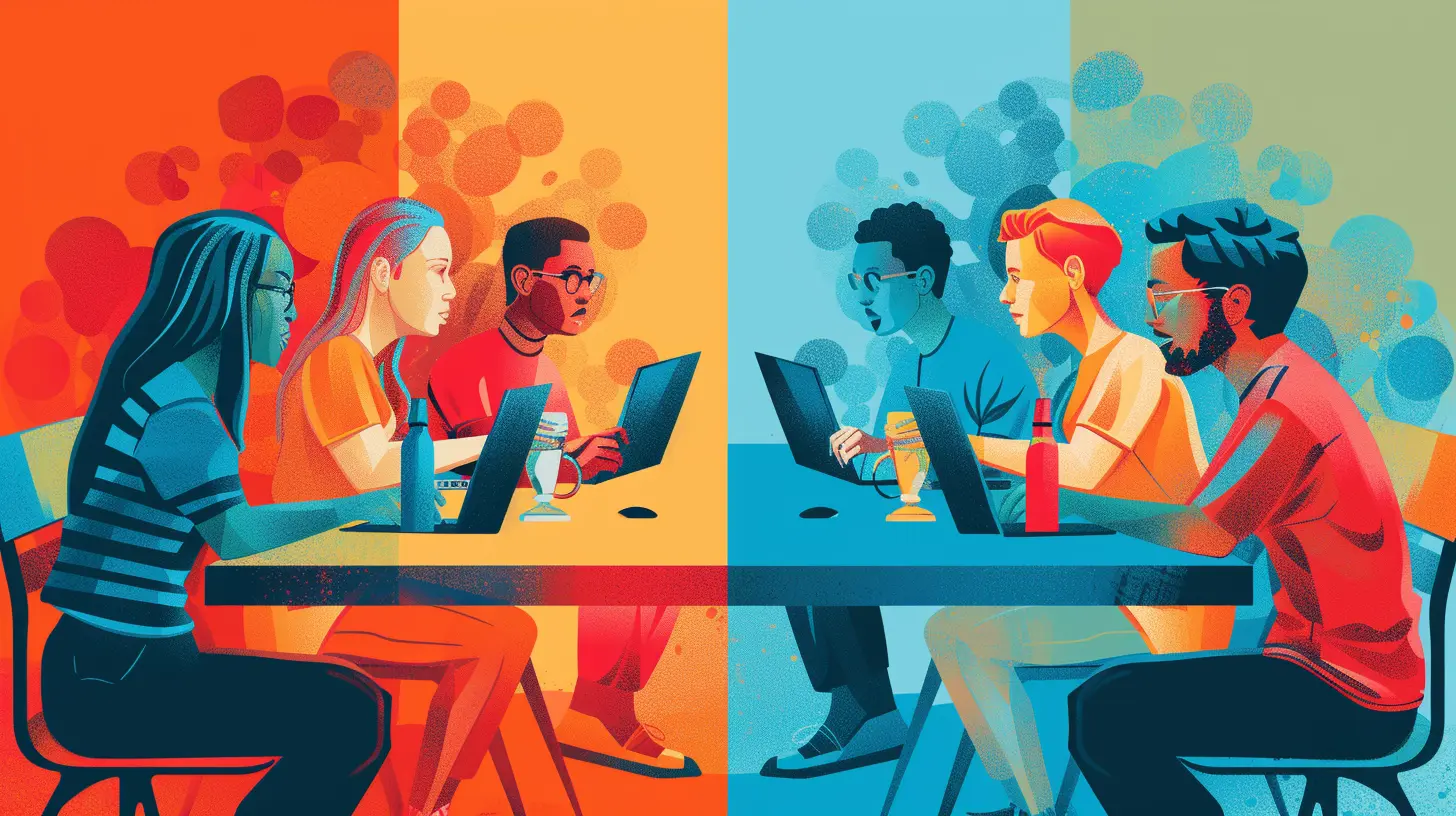
? Identifying Types of Conflict
Not all conflicts are the same. Some disagreements are minor bumps in the road, while others require serious intervention.1. Task-Based Conflicts
These arise when team members have different ideas about how to complete a task. For example, one person might prefer a structured approach, while another prefers a more flexible, creative method.2. Relationship Conflicts
These stem from personal disagreements or personality clashes. Maybe one team member has a dominant personality that makes others feel unheard.3. Process Conflicts
These are about how the group operates. Are deadlines not being met? Is communication ineffective? Process conflicts often stem from logistical issues rather than personal disagreements.By identifying the type of conflict, you can apply the right resolution techniques to address the root cause effectively. 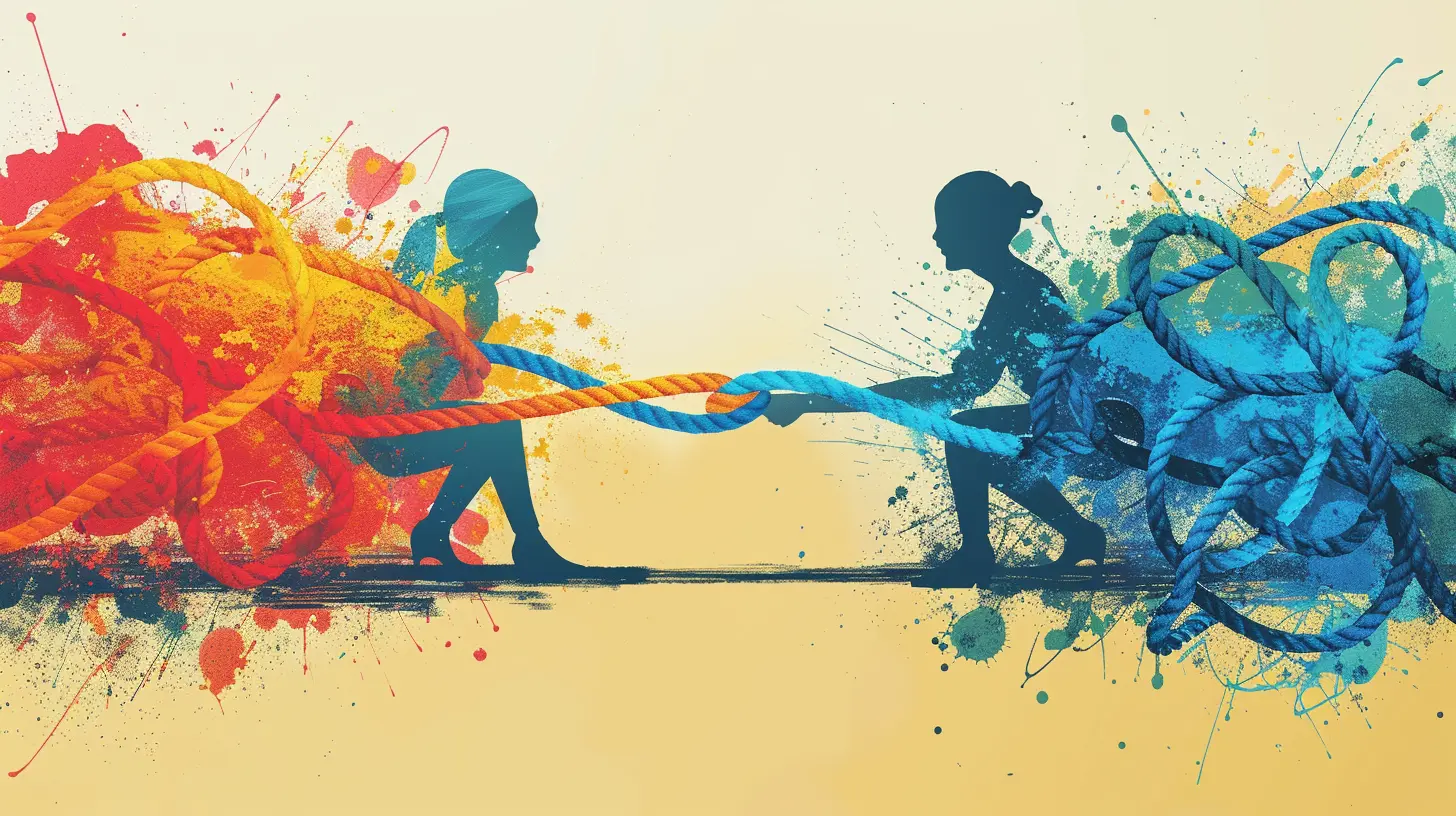
? Strategies for Navigating Conflict in Group Learning
1. Foster Open Communication
Want to prevent small misunderstandings from turning into massive arguments? Encourage open and honest communication from the start.- Set up clear communication channels (like group chats or shared documents).
- Promote active listening – make sure everyone gets a chance to speak and be heard.
- Use “I” statements instead of blaming others (e.g., “I feel overwhelmed when deadlines aren’t met” instead of “You’re always late!”).
When people feel heard and respected, conflicts tend to de-escalate naturally.
2. Establish Ground Rules Early On
Group work becomes a nightmare when expectations aren’t clear. That’s why setting ground rules at the beginning is essential.- How will decisions be made—by consensus or a majority vote?
- What happens if a member doesn’t contribute equally?
- How will disagreements be resolved?
Defining these ground rules fosters a sense of accountability and prevents conflicts before they begin.
3. Encourage Compromise & Collaboration
In a perfect world, everyone would agree on everything. But in reality, compromise is key. Encourage a mindset where team members seek solutions together rather than pushing their own agendas.Here’s how:
- Brainstorm multiple solutions and vote on the best option.
- Merge different ideas to form a middle-ground approach.
- Rotate responsibilities so that everyone gets a fair share.
Think of it like mixing ingredients for a recipe—each element brings something unique, and together, they create something better than the sum of their parts.
4. Mediate When Necessary
Sometimes, conflicts escalate to the point where a neutral third party is needed. If things get heated, don’t hesitate to bring in a mediator—this could be a teacher, advisor, or even a trusted peer.A mediator can:
- Help ensure all sides of the argument are fairly heard.
- Offer objective solutions that benefit everyone.
- Reduce emotional tension and keep the discussion productive.
Mediation prevents conflicts from escalating into long-term hostility.
5. Encourage Feedback & Reflection
Once the conflict is resolved, take time to reflect on what happened. Ask questions like:- What did we do well in handling this disagreement?
- What could we have done differently?
- How can we prevent similar conflicts in the future?
Reflection helps teams grow stronger and become better at handling conflicts down the road. It’s like a post-game analysis—learning from mistakes leads to improvement. 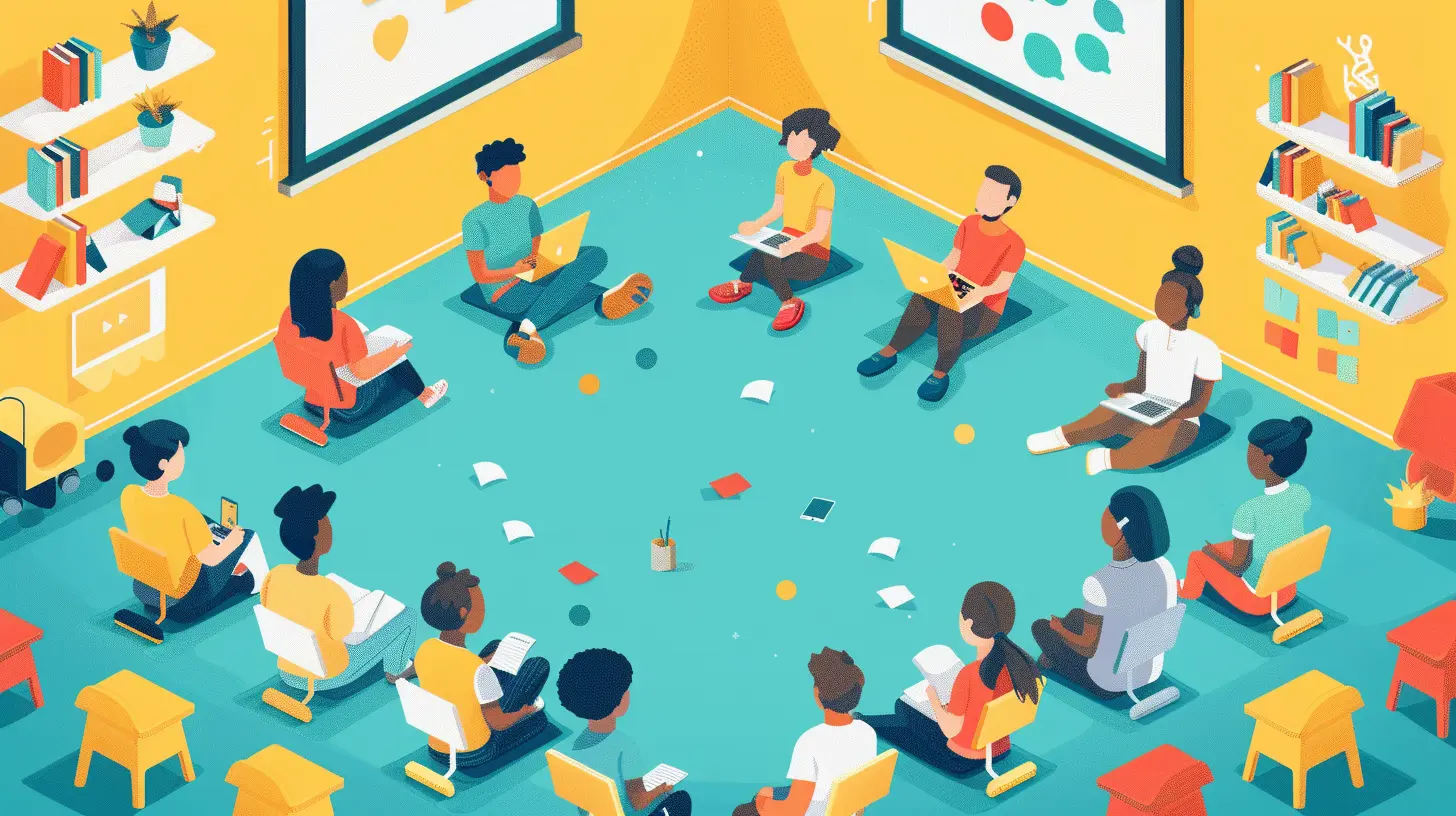
? Turning Conflict into a Learning Opportunity
Instead of dreading conflict, look at it as an opportunity! When handled correctly, conflicts teach valuable skills like communication, problem-solving, and emotional intelligence.Remember, disagreement doesn’t mean failure—it’s a stepping stone to better collaboration. The key is approaching conflicts with respect, empathy, and a willingness to find a solution together.
So, the next time you find yourself in a group conflict, take a deep breath, apply these strategies, and turn the challenge into a chance to grow.
? Final Thoughts
Navigating conflicts in collaborative learning environments isn't about avoiding disagreements altogether—it’s about handling them effectively. By fostering open communication, setting clear expectations, and approaching conflicts with a problem-solving mindset, you can transform disagreements into opportunities for growth.Remember, teamwork is a journey, not a destination. The more you practice conflict resolution, the better you’ll become at working harmoniously with others—both in academics and beyond.
### Have you ever faced a conflict in group learning? How did you resolve it? Let us know in the comments!
all images in this post were generated using AI tools
Category:
Collaborative LearningAuthor:

Bethany Hudson
Discussion
rate this article
1 comments
Michelle McCord
This article offers valuable insights for anyone working in collaborative settings. Conflict can be challenging, but it also presents opportunities for growth and understanding. Embracing these experiences can lead to stronger relationships and enhanced teamwork. Remember, communication is key, and every perspective has something to teach us. Keep learning!
July 27, 2026 at 3:20 AM
Bethany Hudson
Thanks for your thoughtful comment! I completely agree that embracing conflict can foster growth and improve teamwork. Let's keep the conversation going!