How to Support Students in Unsafe Home Environments
18 March 2026
We often think of school as a safe space, a place where kids can learn, make friends, and grow. But for some students, school is the only place where they feel safe. At home, they might be dealing with neglect, abuse, or other unsafe conditions that make life incredibly tough.
As teachers, counselors, or even peers, we can't always change what happens behind closed doors. But we can be a source of support, hope, and stability for students who desperately need it. So, how can we make a difference?
Let’s dive into practical ways to support students in unsafe home environments. 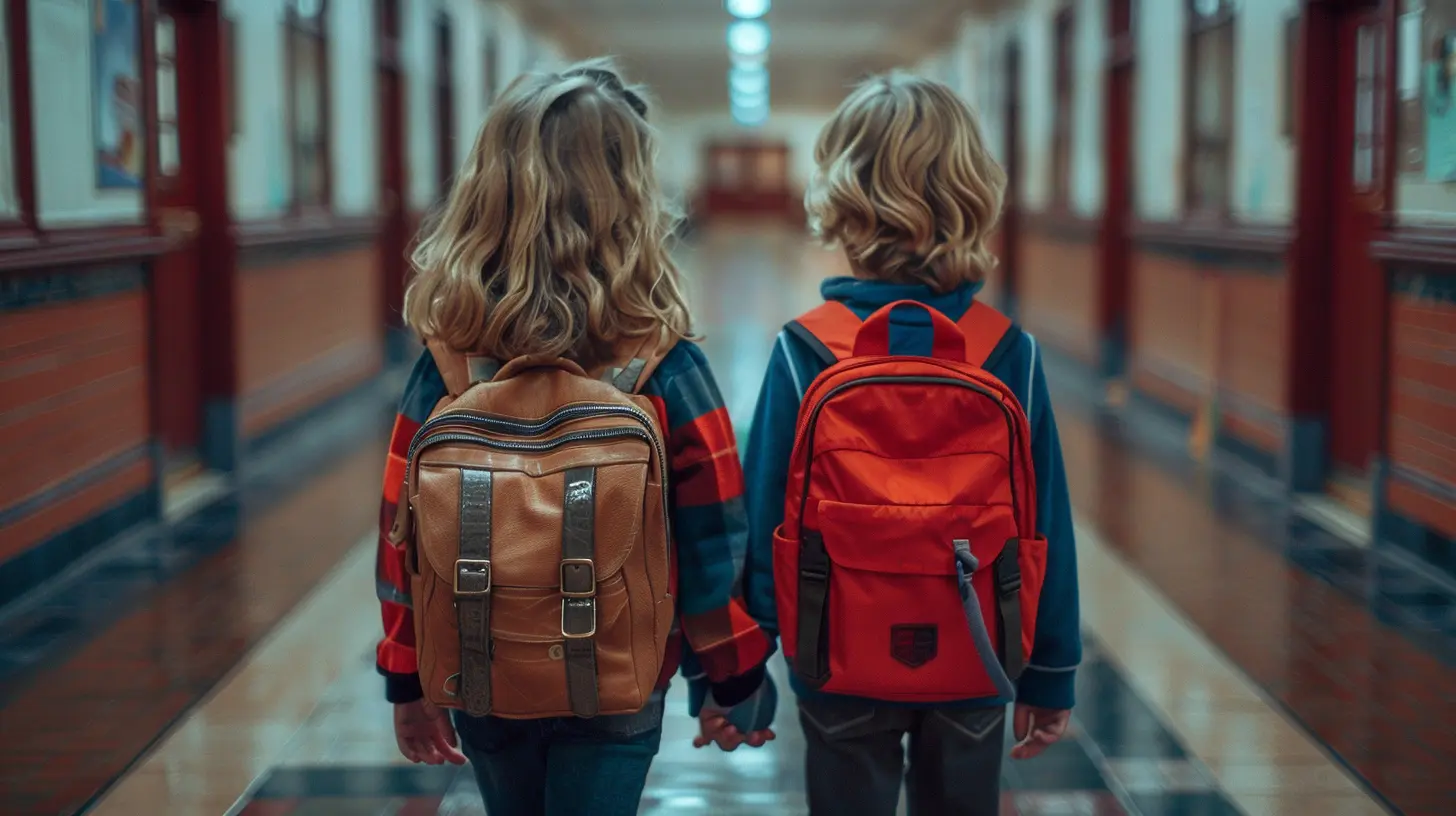
Recognizing the Signs of an Unsafe Home
Before we can help, we need to recognize when something is wrong. Many kids won’t openly talk about their struggles at home—either because they’re scared, ashamed, or don’t even realize their situation is abnormal.Here are some common warning signs:
1. Physical Signs
- Unexplained bruises, burns, or injuries- Frequent hunger or malnutrition
- Poor hygiene and unwashed clothes
2. Emotional & Behavioral Signs
- Extreme mood swings or aggression- Anxiety, depression, or withdrawal from social activities
- Fearful reactions to certain topics or people
- Sudden drop in academic performance
3. Social Signs
- Avoiding conversations about home life- Frequent absences or tardiness
- Lack of participation in extracurricular activities
If you’re noticing these patterns, it may be time to step in and offer support. 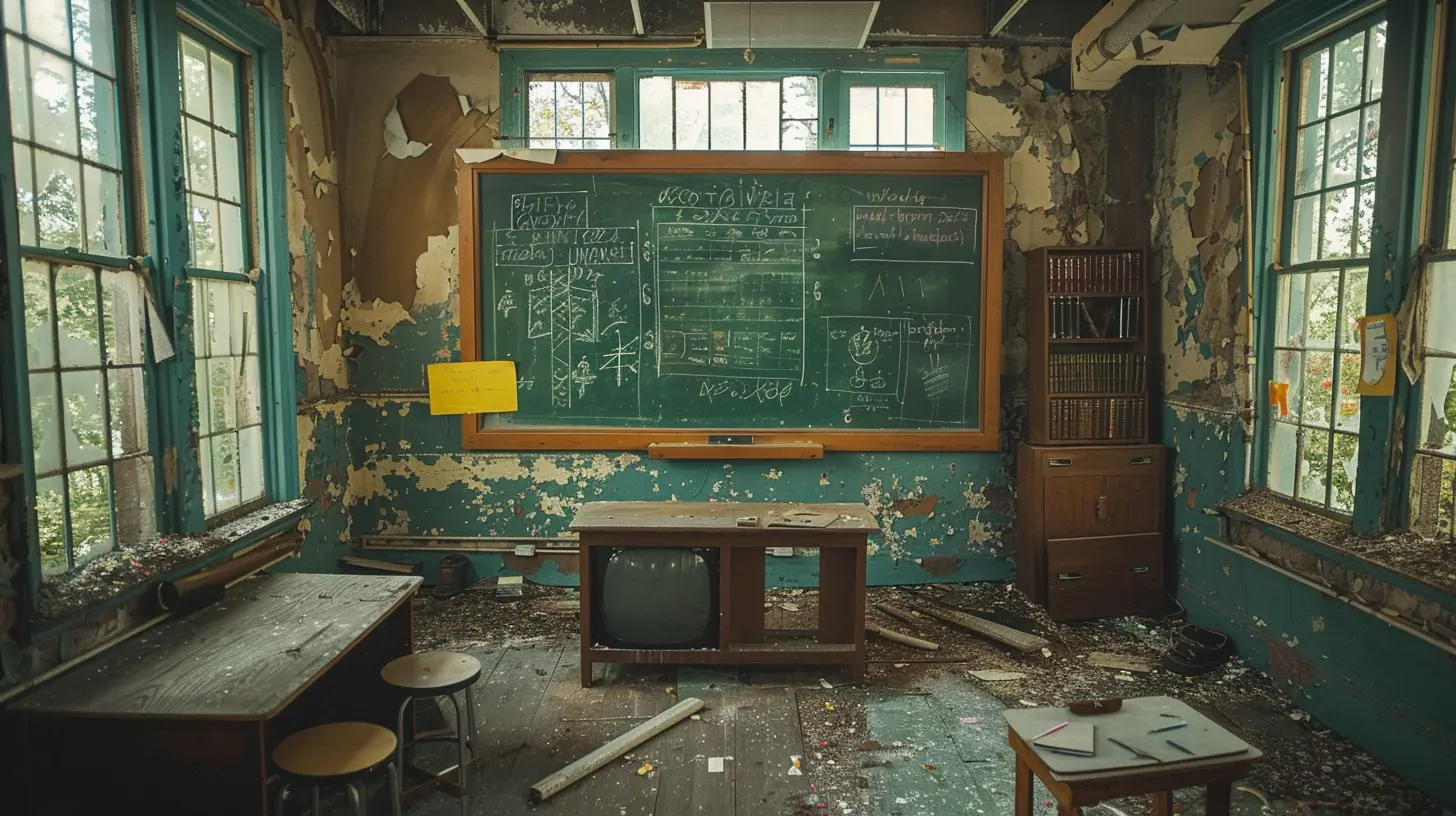
Building Trust and Creating a Safe Space
For students in unsafe home environments, trust can be a fragile thing. They might be hesitant to open up, afraid of being judged, or worried about consequences.1. Be a Safe Person
The first step? Let them know you're a safe person to talk to. This means being approachable, non-judgmental, and patient. If they open up, listen without interrupting or offering immediate solutions. Sometimes, they just need to be heard.2. Keep Conversations Private
Confidentiality is key. While there are legal responsibilities when it comes to cases of abuse or neglect, students need to feel secure in confiding in you. Assure them that their privacy is important, but also be clear that if they’re in immediate danger, you may need to involve others.3. Show Genuine Care
Simple gestures—remembering their birthday, asking about their weekend, or just checking in daily—can go a long way in making them feel valued and supported.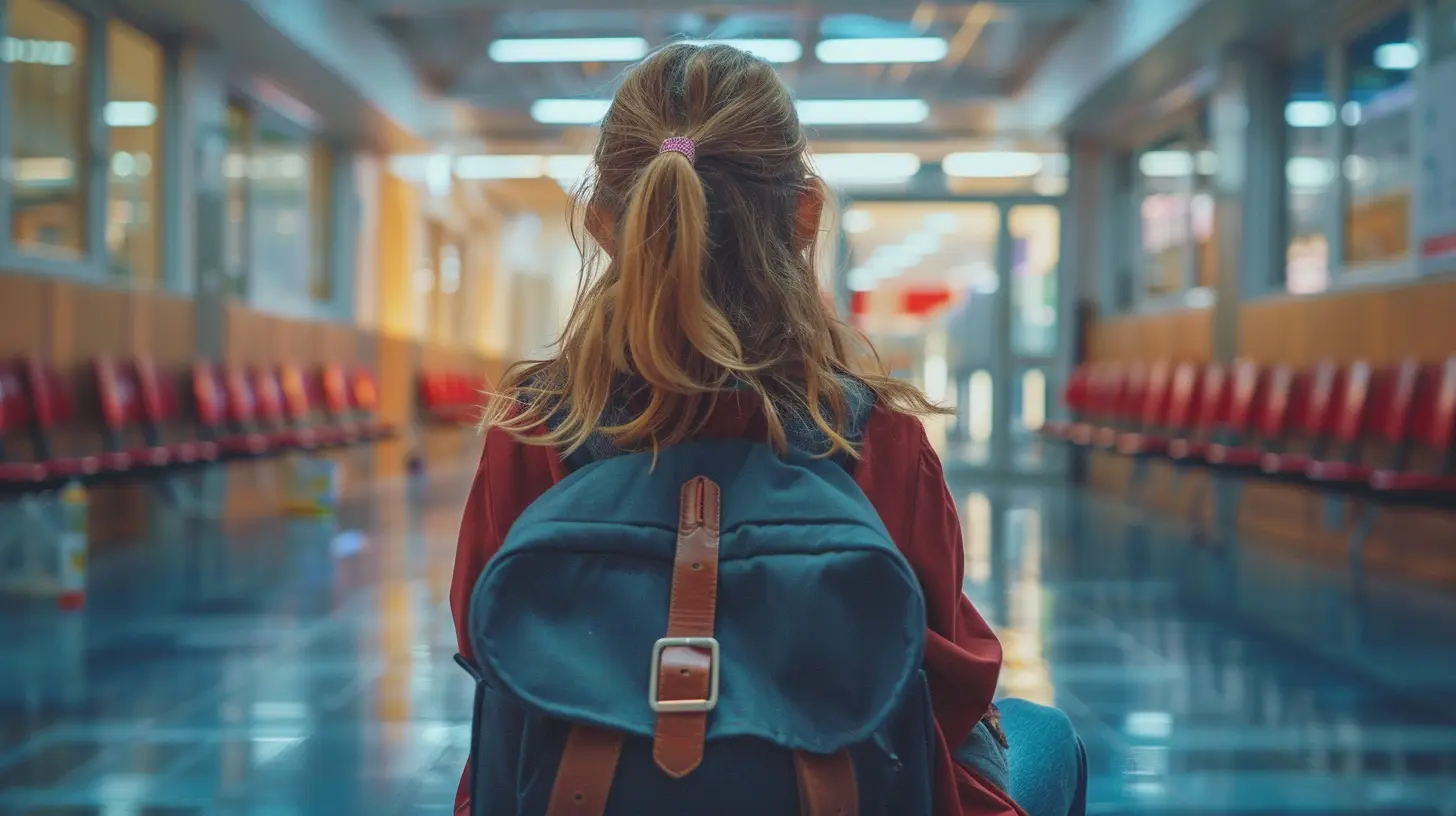
Providing Practical Support
Support isn't just about emotional reassurance—it’s also about taking concrete actions to help them navigate their challenges.1. Connect Them with Resources
Many schools have counselors, social workers, or community programs that can provide assistance. Make sure students know where to go and who to talk to if they need help.- Food Assistance: If a child is frequently hungry, consider discreetly connecting them with a free meal program at school.
- Mental Health Support: School counselors or therapy services can provide emotional support in a safe and professional setting.
- Shelter and Safety Services: If a student is in immediate danger, knowing the right authorities or shelters to contact is crucial.
2. Advocate for Their Needs
Sometimes, students struggle academically because of their home environment. They might not have a quiet place to study, access to technology, or even basic school supplies.Advocating for flexible deadlines, arranging tutoring support, or providing extra materials can help level the playing field.
3. Create Safe Spaces at School
For students in unsafe homes, school might be the one place they can breathe. Consider ways to make the school environment feel more secure:- Allow them to spend lunches in a safe classroom rather than going home or outside.
- Set up a mentorship program where they have a trusted adult to check in with regularly.
- Encourage participation in after-school programs to keep them engaged and out of harmful environments. 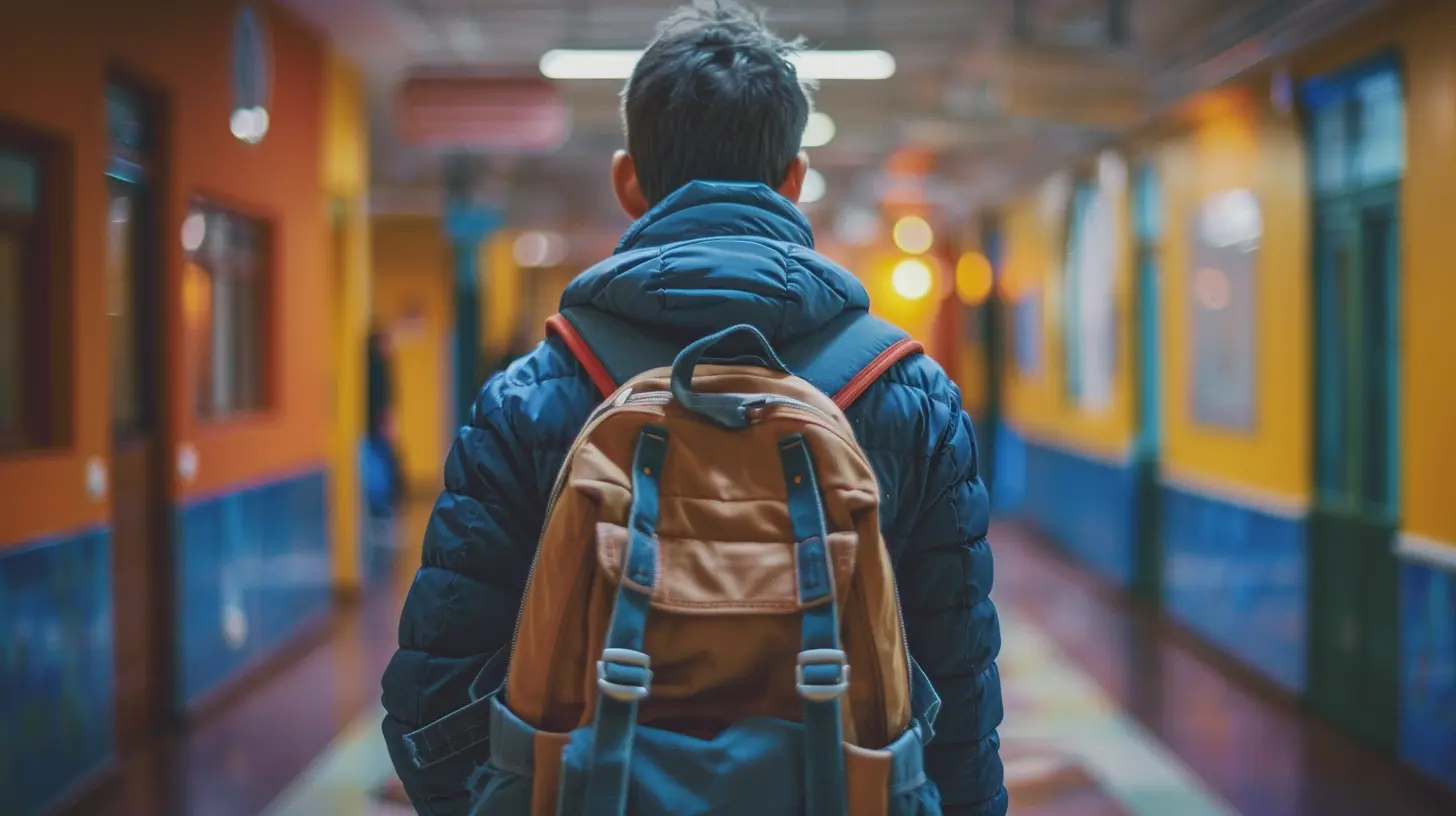
Handling Disclosure and Reporting Abuse
As much as we want to help, there are legal and ethical boundaries when it comes to child abuse and neglect. If a student confides in you about abuse, do not promise secrecy. Instead, assure them that you will do everything you can to help while following the proper protocols.1. Know Your Legal Responsibilities
In most places, teachers and school staff are legally required mandated reporters. This means if you suspect abuse or neglect, you must report it to the proper authorities.- Who to Contact? This often includes Child Protective Services (CPS) or local law enforcement.
- What to Document? Keep detailed notes of any concerning incidents or statements from the student.
- How to Report? Follow your school district’s reporting protocols to ensure the student gets the help they need.
2. Support the Student After Reporting
Filing a report doesn't mean your involvement ends. In fact, some kids may feel angry, scared, or betrayed when authorities step in. Continue offering kindness and support, reassuring them that they are not alone.Encouraging Peer Support
Students often feel more comfortable talking to friends than adults. Encouraging a culture of kindness and peer support can make a massive difference.1. Encourage Empathy Among Students
Teach students about empathy, active listening, and the importance of reaching out to friends who might be struggling. A simple "Are you okay?" from a peer can sometimes mean the world.2. Train Student Leaders
Programs like peer counseling or student mentorships can empower older students to look out for their younger peers.3. Create Anti-Bullying and Support Groups
Having student-led initiatives, such as mental health clubs or safe spaces, can provide additional layers of support for those who need it.Final Thoughts
No child should have to live in an unsafe home, but the heartbreaking reality is that many do. While we can’t single-handedly change their circumstances overnight, we can be the stable, supportive presence they need.That might mean listening without judgment. It might mean connecting them with resources. Or it might mean simply showing up and reminding them they are not alone.
Every small effort counts. And sometimes, that one caring adult can make all the difference in a child’s life.
If you're in a position to help, please do. Because every student deserves to feel safe, supported, and seen.
all images in this post were generated using AI tools
Category:
School SafetyAuthor:

Bethany Hudson
Discussion
rate this article
2 comments
Layne McPherson
Great insights! Supporting students in challenging home situations is crucial. Let's be their champions, offering warmth, understanding, and a safe space to thrive. Together, we can make a difference!
April 6, 2026 at 4:41 AM
Bethany Hudson
Thank you! I wholeheartedly agree—creating a supportive environment is essential for helping students thrive. Let's keep championing their needs together!
Troy McHugh
Thank you for addressing this critical issue; fostering a supportive environment is essential for students.
March 21, 2026 at 3:36 AM
Bethany Hudson
You're welcome! Creating a safe space for students really makes a difference.