How to Teach Biodiversity and Its Importance in Classrooms
13 April 2026
Biodiversity is the variety of life on Earth. From the tiniest microorganisms to the largest mammals, every living thing plays a crucial role in maintaining the balance of ecosystems. Teaching biodiversity in classrooms isn’t just about memorizing facts—it’s about helping students appreciate the beauty and importance of life around them.
But how do we make it engaging, relevant, and fun? Let’s dive into effective strategies to teach biodiversity and why it matters.
Why Is Biodiversity Important?
Before jumping into teaching methods, it’s essential to understand why biodiversity is a big deal.- Maintains Ecosystem Balance – Every species has a role, and removing even one can disrupt the entire ecosystem.
- Supports Human Life – Biodiversity provides food, medicine, and raw materials. Many life-saving drugs come from plants and microorganisms!
- Encourages Resilience – More diverse ecosystems recover faster from disasters and climate changes.
- Enhances Nature’s Beauty – Imagine a world with only one type of tree or flower. Not very exciting, right?
Now that we know why biodiversity matters, let’s explore some engaging ways to teach it in the classroom.
1. Make It Real with Hands-On Activities
Students grasp concepts better when they experience them firsthand. Here are some interactive activities to bring biodiversity to life:Nature Walks
Take students outside to a park, school garden, or even just around the block. Ask them to list all the plants, animals, and insects they see. This makes biodiversity tangible and sparks curiosity.Micro-Habitat Exploration
Have students collect soil samples and examine them under a magnifying glass. They’d be amazed at the small organisms living in just a handful of dirt!Classroom Ecosystem
Create a small terrarium or aquarium in the classroom. Let students take turns maintaining it. Watching an ecosystem function up close helps them understand interdependence.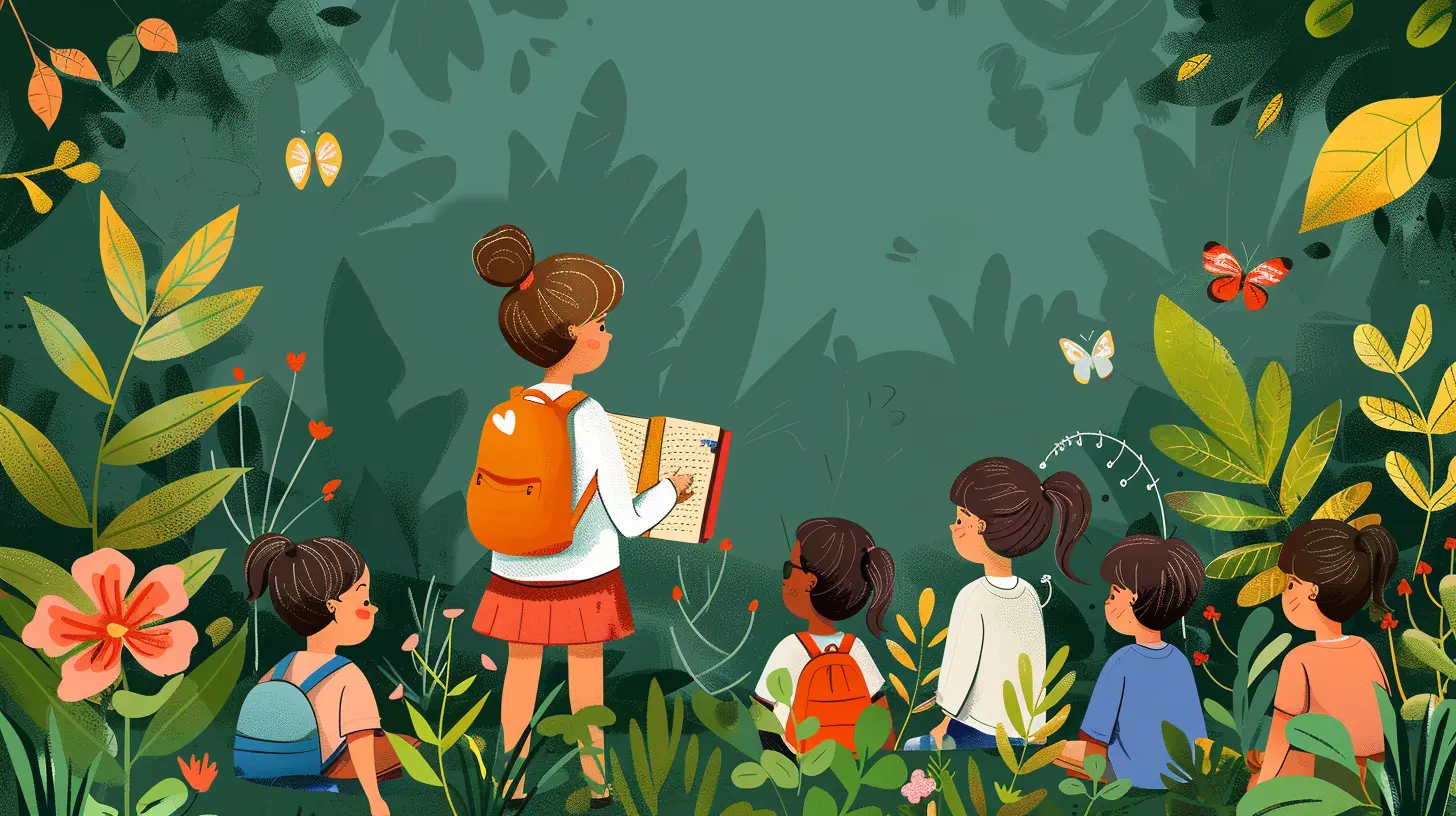
2. Use Engaging Visuals and Media
A picture is worth a thousand words, right? Visual tools make complex topics easier to grasp.Videos and Documentaries
Show engaging clips about biodiversity. National Geographic, BBC Earth, and other educational sources offer fantastic content.Interactive Infographics
Use infographics to illustrate biodiversity hotspots, food chains, and the impacts of biodiversity loss. Websites like Canva or Piktochart allow you to create custom visual aids.Virtual Reality (VR) and Augmented Reality (AR)
If your school has access to VR headsets, immerse students in rainforests, oceans, or coral reefs. AR apps can turn classrooms into interactive ecosystems.
3. Relate It to Their Daily Lives
Students connect better with topics that affect them personally. Show them how biodiversity impacts their everyday lives.- Food Chain Connection – Ask what they had for breakfast. Show how each item (cereal, fruit, eggs) depends on biodiversity.
- Medicine and Health – Explain how medicines like aspirin (from willow trees) and antibiotics (from fungi) come from nature.
- Pollinators and Agriculture – Discuss how bees and butterflies help pollinate the plants that produce their favorite fruits.
Real-world connections help students see biodiversity as more than a textbook topic.
4. Encourage Inquiry-Based Learning
Let students ask questions and discover answers through research and discussions.Organize Debates
Divide the class into groups and have them debate topics like:- Should we ban plastic to protect biodiversity?
- Should zoos exist?
- What’s more important—economic growth or biodiversity conservation?
Research Projects
Let students choose a biodiversity-related topic to research. They can present their findings through posters, slide presentations, or even skits.Citizen Science Participation
Encourage students to get involved in citizen science projects like:- iNaturalist – Take pictures of plants and animals to contribute to global biodiversity data.
- The Great Backyard Bird Count – Identify and record bird species in their area.
These activities help students feel personally involved in biodiversity conservation.
5. Promote Conservation Actions
Teaching biodiversity isn’t just about knowledge—it’s about inspiring action!Start a School Garden
Growing a garden with native plants can attract pollinators and show students how different species interact.Reduce, Reuse, Recycle
Discuss how waste impacts biodiversity. Organize a recycling challenge in the classroom.Adopt a Wildlife Fundraiser
Raise money for organizations working to protect endangered species. Schools can "adopt" an animal symbolically through wildlife conservation programs.Introduce Sustainable Practices
Encourage students to use less plastic, conserve water, and support sustainable products. Small changes lead to a big impact!6. Storytelling and Creative Writing
Who doesn’t love a good story? Let students unleash their creativity while learning about biodiversity.Write from an Animal’s Perspective
Ask students to write a short story from the viewpoint of an endangered animal. How does habitat destruction affect them?Create Comics or Posters
Have students design posters or comic strips illustrating biodiversity threats and solutions.Read Books on Biodiversity
Introduce books that highlight biodiversity, like The Lorax by Dr. Seuss or The Jungle Book by Rudyard Kipling.Stories make biodiversity relatable and memorable.
7. Use Role-Playing and Simulations
Role-playing helps students understand challenges related to biodiversity.Biodiversity Crisis Role-Play
Assign students different roles—scientists, government officials, conservationists, farmers, and industrialists. Have them discuss a real-world biodiversity crisis and find solutions.Food Web Game
Create a web using string to represent connections between animals, plants, and decomposers. If one species is removed, students can see how the entire web collapses.8. Incorporate Technology and Gamification
Kids love technology, so why not use it to teach biodiversity?Online Educational Games
Websites like National Geographic Kids and WWF offer interactive biodiversity games.Kahoot! Quizzes
Create fun biodiversity quizzes using platforms like Kahoot! to boost engagement.Podcasts and Audiobooks
Introduce biodiversity-themed podcasts students can listen to at home. Some popular ones include The Wild and Earth Rangers Podcast.
9. Take Advantage of Field Trips
Field trips leave lasting impressions. If possible, organize visits to:- Zoos and wildlife sanctuaries
- Botanical gardens
- Science museums with biodiversity exhibits
- Organic farms
If physical trips aren’t possible, try virtual field trips through platforms like Discovery Education.
Final Thoughts
Teaching biodiversity doesn’t have to be boring! With hands-on activities, storytelling, and tech-driven learning, students can develop a deep appreciation for the rich variety of life on Earth. More than just a science lesson, biodiversity education fosters responsibility and inspires future environmental stewards.So, what’s your next step? Pick one of these strategies and start making biodiversity come alive in your classroom!
all images in this post were generated using AI tools
Category:
Environmental EducationAuthor:

Bethany Hudson
Discussion
rate this article
2 comments
Zelda McVaney
Teaching biodiversity in classrooms fosters appreciation for ecosystems, promotes conservation awareness, and encourages critical thinking about environmental issues.
April 28, 2026 at 10:48 AM
Bethany Hudson
Absolutely! Teaching biodiversity is essential for nurturing a sense of responsibility toward our planet and its diverse ecosystems.
Astoria McGovern
Engaging methods foster appreciation for biodiversity.
April 26, 2026 at 2:50 AM
Bethany Hudson
Absolutely! Engaging methods really help students connect with nature and understand its value. It makes learning about biodiversity memorable and impactful.