How Urban Schools Can Adapt to Teach Environmental Awareness
18 January 2026
It’s no secret that our planet is facing significant environmental challenges. From climate change to deforestation, these issues affect everyone, no matter where they live. Yet, when we think of environmental awareness, we often picture rural areas or nature reserves. But here's a thought: What about urban schools? Cities are home to the majority of the world’s population, and urban schools have an incredible opportunity to play a pivotal role in teaching environmental awareness. But how, you ask? Let’s dive into it.
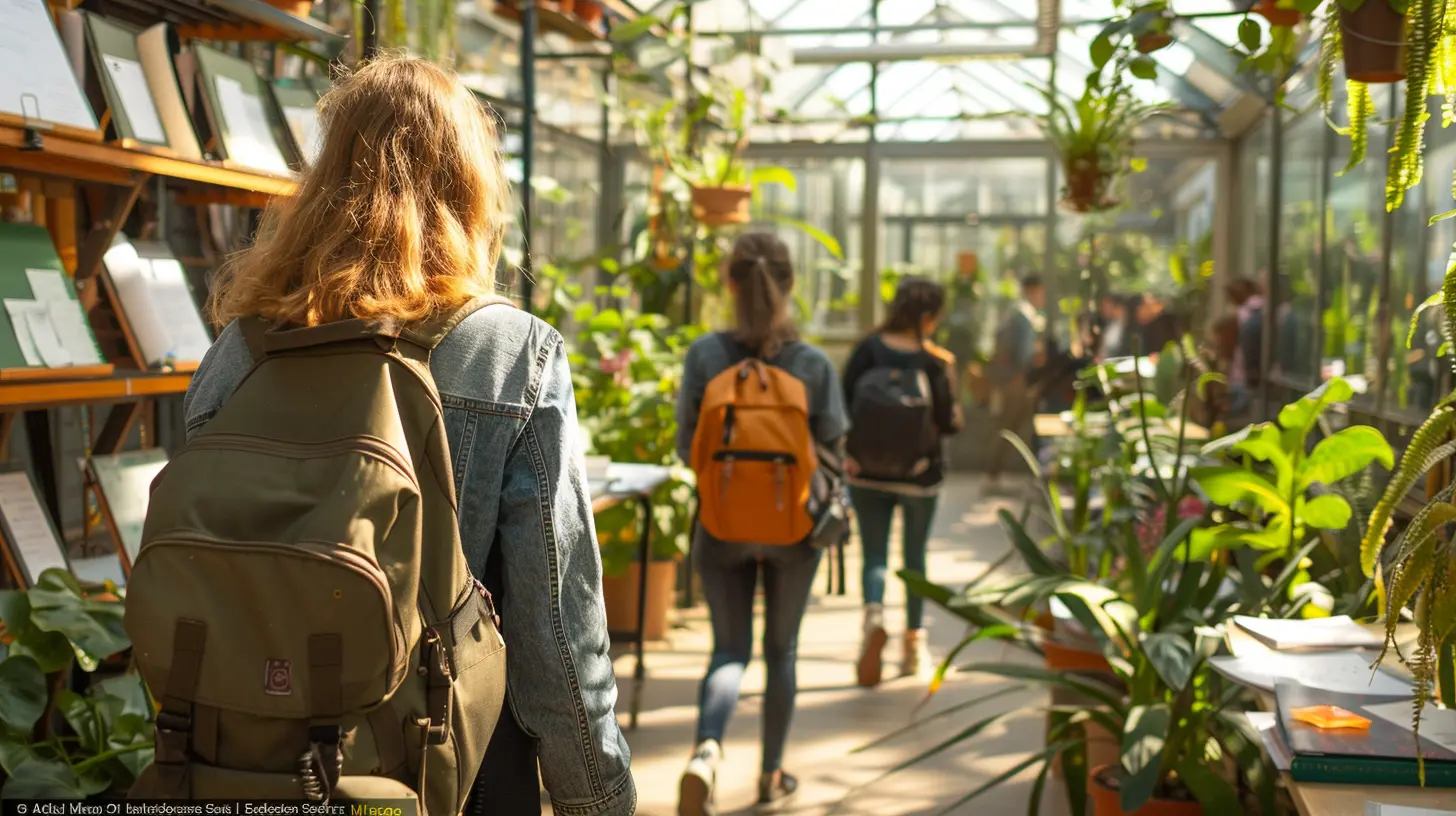
Why Environmental Awareness is Important for Urban Schools
Environmental education isn't just for kids living near forests or mountains. Urban students, despite being surrounded by concrete and skyscrapers, are still affected by environmental issues. In fact, they may experience them even more acutely. Think about it: air pollution from traffic, waste issues, and the urban heat island effect—all of these are critical environmental challenges that city dwellers face daily.But urban schools often struggle to incorporate environmental education into their curriculum. They might feel disconnected from nature or believe they don't have the resources to teach such complex topics. However, that’s far from the truth. Adapting to teach environmental awareness isn’t just possible in urban schools; it's essential. And with the right strategies, it can be done in a way that's engaging, impactful, and, most importantly, accessible.
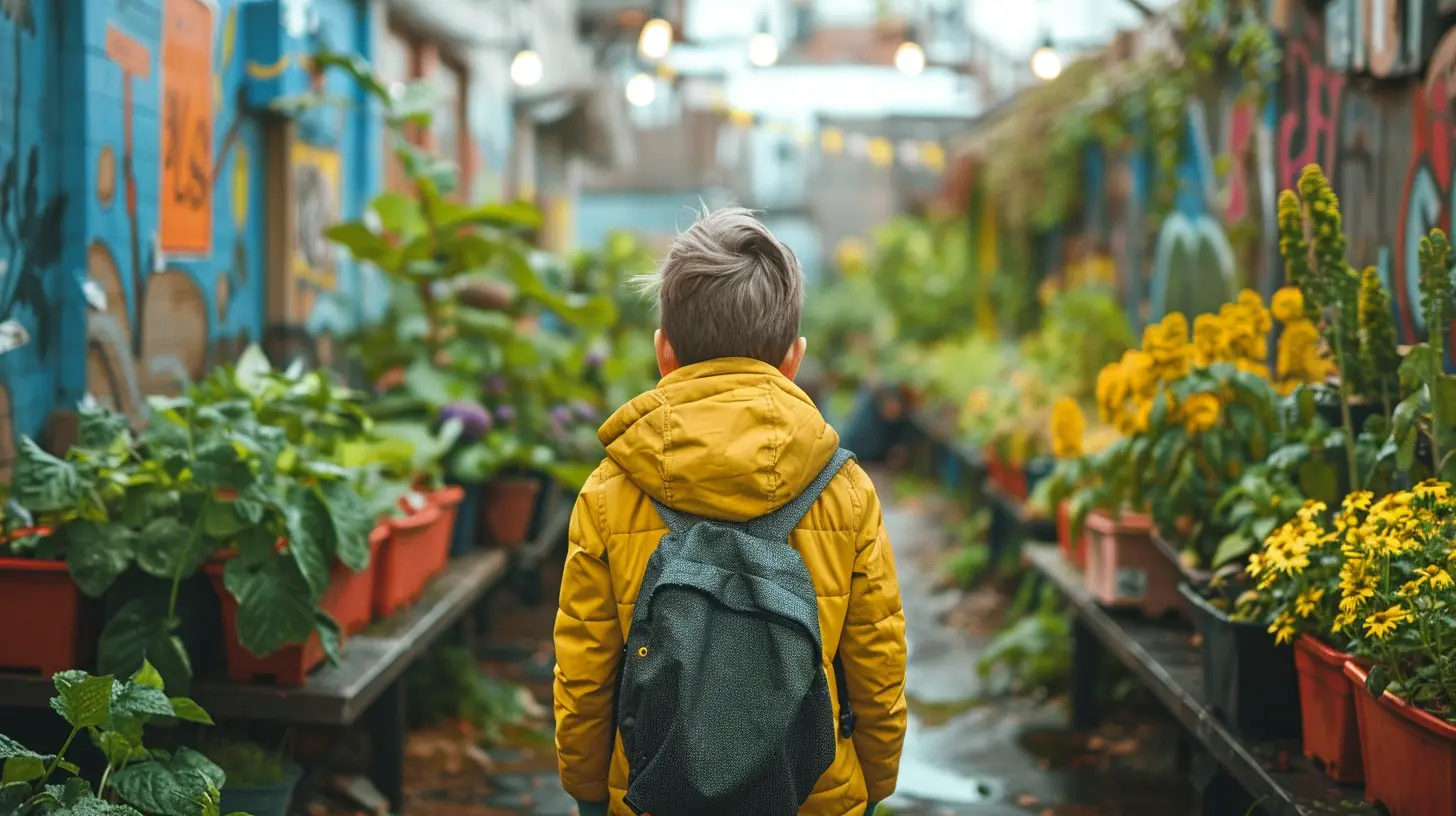
The Urban School Challenge: No Green Spaces? No Problem!
One of the biggest hurdles for urban schools is the lack of green spaces. Unlike suburban or rural schools, urban ones don’t typically have sprawling fields or nearby forests. But that doesn't mean they can’t teach students about the environment. In fact, many of the most pressing environmental challenges are happening in cities.Embrace the City as a Learning Laboratory
Cities are like living organisms—they breathe, grow, and change. Urban schools can use the city itself as a classroom. Teach students about air pollution by measuring the air quality around their school. Discuss the importance of clean water by exploring how a city’s water system works. Use the local park, no matter how small, to talk about biodiversity and the importance of green spaces in urban areas.In other words, the city is your laboratory. It may not have towering trees, but it offers a wealth of environmental lessons right at your doorstep.
Engage Students with Real-World Problems
Teaching environmental awareness in urban schools can be incredibly relevant when you tie lessons to students' everyday lives. Do they walk by litter on the way to school? That’s an opportunity to discuss waste management and recycling. Are they sweating through heatwaves in the summer? That’s a perfect segue into climate change and the urban heat island effect.By linking environmental topics to students’ lived experiences, you make the lessons more tangible and relatable. Students are more likely to engage when they see how the environment affects them directly.
Incorporating Environmental Awareness into the Urban Curriculum
It might sound daunting at first, but incorporating environmental awareness into an urban school curriculum doesn't require a complete overhaul. Here are some actionable steps schools can take to integrate environmental education seamlessly into their existing programs.1. Interdisciplinary Approaches
Environmental education doesn’t have to be confined to science class. In fact, one of the best ways to teach it is by integrating it across various subjects. For example:- Math: Students can calculate their carbon footprint or track changes in local temperature over time.
- Social Studies: Explore how environmental policies affect different communities, especially marginalized ones.
- English: Have students read and write about environmental issues or even develop campaigns advocating for change.
Using an interdisciplinary approach ensures that environmental education doesn’t feel like an "add-on" but rather a natural part of everyday learning.
2. Project-Based Learning
Nothing gets students more involved than hands-on projects. Project-based learning (PBL) is a fantastic way to teach environmental awareness in a dynamic, engaging way. For instance:- Community Clean-Up Projects: Organize a school-wide initiative to clean up a local park or street. This not only teaches students about waste management but also fosters a sense of community responsibility.
- School Gardens: Even in tight urban spaces, creating a small garden can teach students about sustainable agriculture, food systems, and biodiversity. Raised beds or vertical gardens can work wonders in small spaces.
- Energy Audits: Have students conduct an energy audit of the school, identifying areas where energy is being wasted and proposing solutions to make the building more eco-friendly.
By giving students ownership over these projects, you make learning active, not passive. And honestly, who doesn’t love getting their hands dirty (metaphorically or literally)?
3. Bring in Experts and Leverage Technology
Urban schools might not have access to sprawling nature reserves, but they do have access to professionals and technology. Bring in local environmental experts—scientists, urban planners, or even waste management professionals—to speak to students. These guest speakers can provide real-world context and inspire students to think about careers in environmental fields.Additionally, leverage technology. Virtual reality (VR) can transport students to rainforests, oceans, or even space—all from the comfort of their classroom. Online simulations, documentaries, and interactive apps can make environmental lessons come to life, even in the heart of a busy city.
4. Create Eco-Friendly School Policies
Schools can lead by example. Implementing eco-friendly policies within the school itself is a great way to teach students about sustainability in action. Some initiatives could include:- Reducing single-use plastics in the cafeteria.
- Starting a recycling or composting program.
- Installing solar panels or energy-efficient lighting.
- Creating “green teams” of students who advocate for sustainable practices within the school.
When students see their school making an effort to go green, they’re more likely to internalize the importance of environmental stewardship.
Building Lifelong Environmental Stewards
The ultimate goal of teaching environmental awareness isn’t just to pass a test. It’s to build a generation of environmental stewards—students who care about the planet and are equipped with the knowledge and skills to protect it. But how do you foster that mindset in an urban environment?1. Cultivate a Sense of Wonder
One of the first steps in building environmental stewards is to cultivate a sense of wonder about the natural world, even in an urban setting. Take students on nature walks in local parks, encourage birdwatching, or create a small rooftop garden. Even if students are surrounded by concrete, there are still pockets of nature to explore.The more students feel connected to the environment, the more they’ll care about protecting it.
2. Empower Students to Take Action
Knowledge is vital, but action is even more powerful. Encourage students to take what they’ve learned and apply it in real-world contexts. Whether it’s starting a recycling drive, advocating for greener policies in their neighborhood, or simply making more eco-friendly choices in their own lives, students need to feel empowered to make a difference.In urban schools, this could mean organizing a city-wide environmental awareness campaign or working with local officials on sustainability projects. The key is to show students that their voices and actions matter.
3. Connect Environmental Issues to Social Justice
Many environmental issues disproportionately affect marginalized communities, particularly in urban areas. When teaching environmental awareness, it’s essential to connect the dots between environmentalism and social justice.For example, discuss how poor air quality often impacts low-income neighborhoods more severely. Or explore the concept of environmental racism—how certain communities bear the brunt of environmental hazards because of their race or socioeconomic status. These discussions not only deepen students’ understanding but also inspire them to fight for both environmental and social equity.
Conclusion: The Future of Environmental Education in Urban Schools
Urban schools may face unique challenges when it comes to teaching environmental awareness, but with the right strategies, they can turn those challenges into opportunities. By embracing the city as a learning laboratory, incorporating interdisciplinary and project-based learning, and fostering a sense of wonder and action, urban schools can create environmental stewards who are ready to tackle the challenges of tomorrow.The world needs more young people who care deeply about the planet. Urban schools have the power to shape that future—and the time to start is now.
all images in this post were generated using AI tools
Category:
Environmental EducationAuthor:

Bethany Hudson
Discussion
rate this article
2 comments
Matilda McFarlin
Thank you for this insightful article! It's crucial for urban schools to integrate environmental awareness into their curricula. By fostering a sense of responsibility towards our planet, we can empower students to become proactive change-makers in their communities. Looking forward to seeing more innovative strategies in action!
February 12, 2026 at 4:31 AM
Bethany Hudson
Thank you for your thoughtful comment! I completely agree that integrating environmental awareness is essential for empowering future change-makers. Excited to explore more strategies together!
Talia Hill
Thank you for this insightful article! It’s crucial for urban schools to integrate environmental awareness into their curricula. Empowering students with this knowledge will foster a generation ready to tackle pressing ecological challenges.
January 18, 2026 at 12:32 PM
Bethany Hudson
Thank you for your thoughtful comment! I completely agree—empowering students with environmental knowledge is vital for their future and our planet.