Incorporating Indigenous Knowledge into Environmental Education
9 July 2026
When we talk about saving our planet, it's easy to jump straight into scientific data, complicated jargon, and futuristic technology. But what if we turned our attention backward—toward the rich, time-tested wisdom of Indigenous communities that have been caretakers of the Earth for generations? Yep, we’re talking about incorporating Indigenous knowledge into environmental education. And let me tell you, it’s not just a “nice-to-have”—it’s a must.
Why This Matters More Than Ever
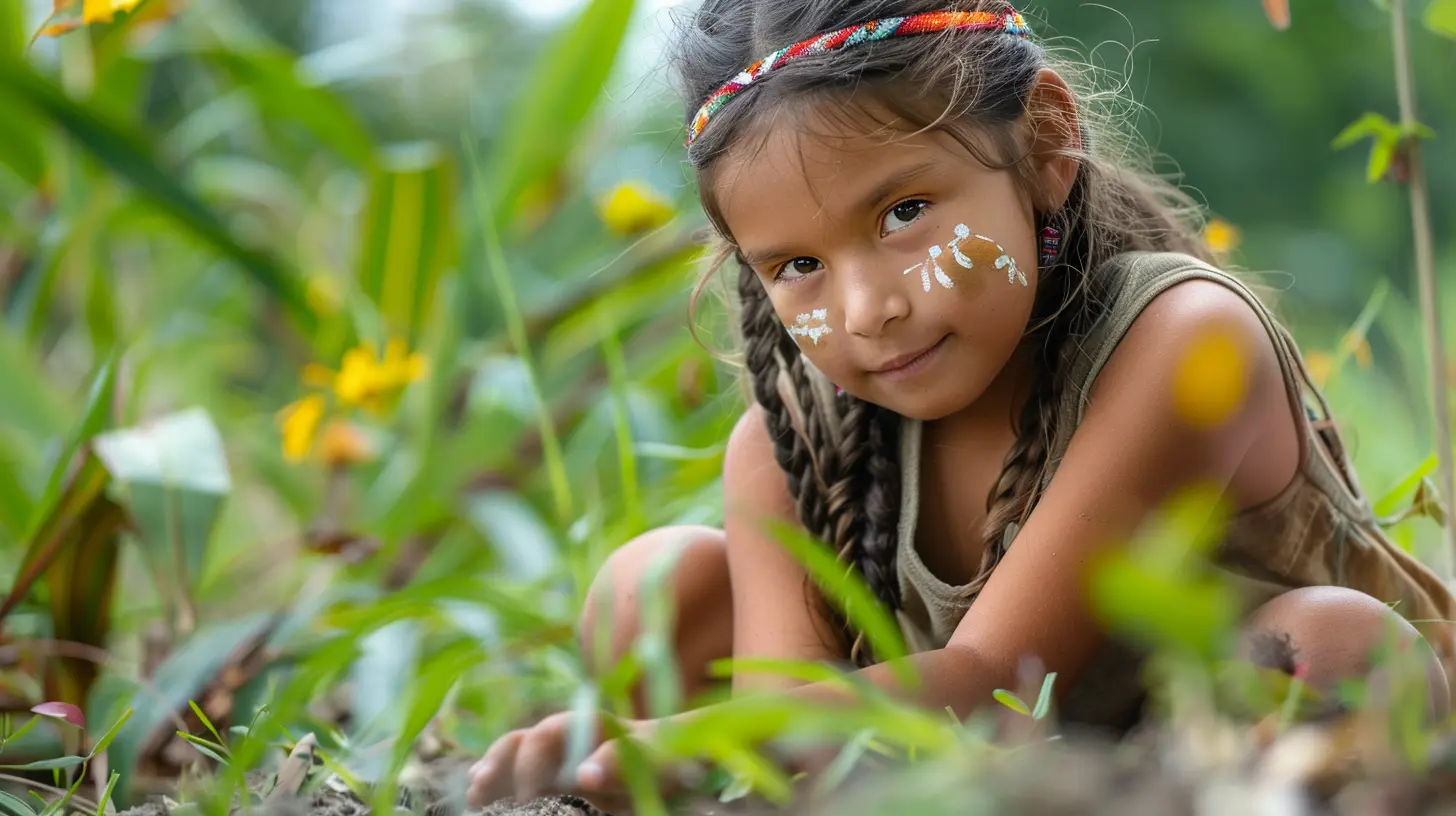
Let’s be real: we’re in the middle of a global environmental crisis. Climate change, biodiversity loss, deforestation—you name it. Traditional methods of teaching environmental science often miss a crucial piece of the puzzle: the deep-rooted connection Indigenous cultures have with the land. These communities don’t just "talk the talk” of sustainability, they’ve “walked the walk” for centuries.Incorporating Indigenous knowledge into environmental education isn’t just about honoring history. It's about bridging gaps, solving real-world problems, and nurturing a generation that respects and protects Mother Earth—not just in theory, but in every action they take.
What Is Indigenous Knowledge, Anyway?
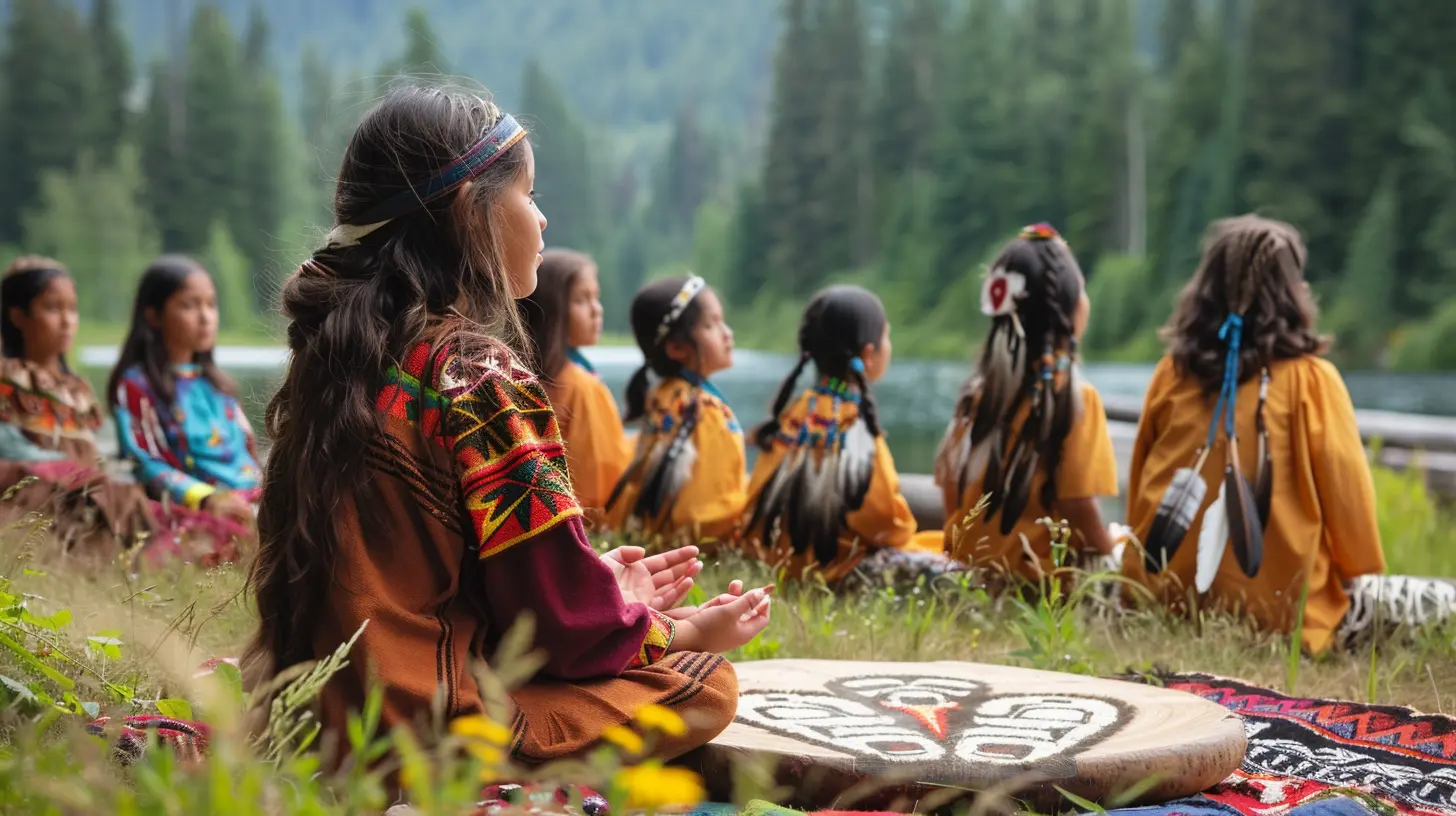
Before we dive deeper, let’s clear up what we mean by “Indigenous knowledge.”Indigenous knowledge is the understanding, skills, and philosophies developed by societies with long histories of interaction with their natural surroundings. It's often passed down orally through stories, rituals, songs, and practical experiences. It includes everything from how to predict weather patterns and manage land sustainably to understanding medicinal plants and animal behaviors.
Think of it as a living library—a storehouse of information not found in textbooks, but in cultural traditions and generations of lived experiences.
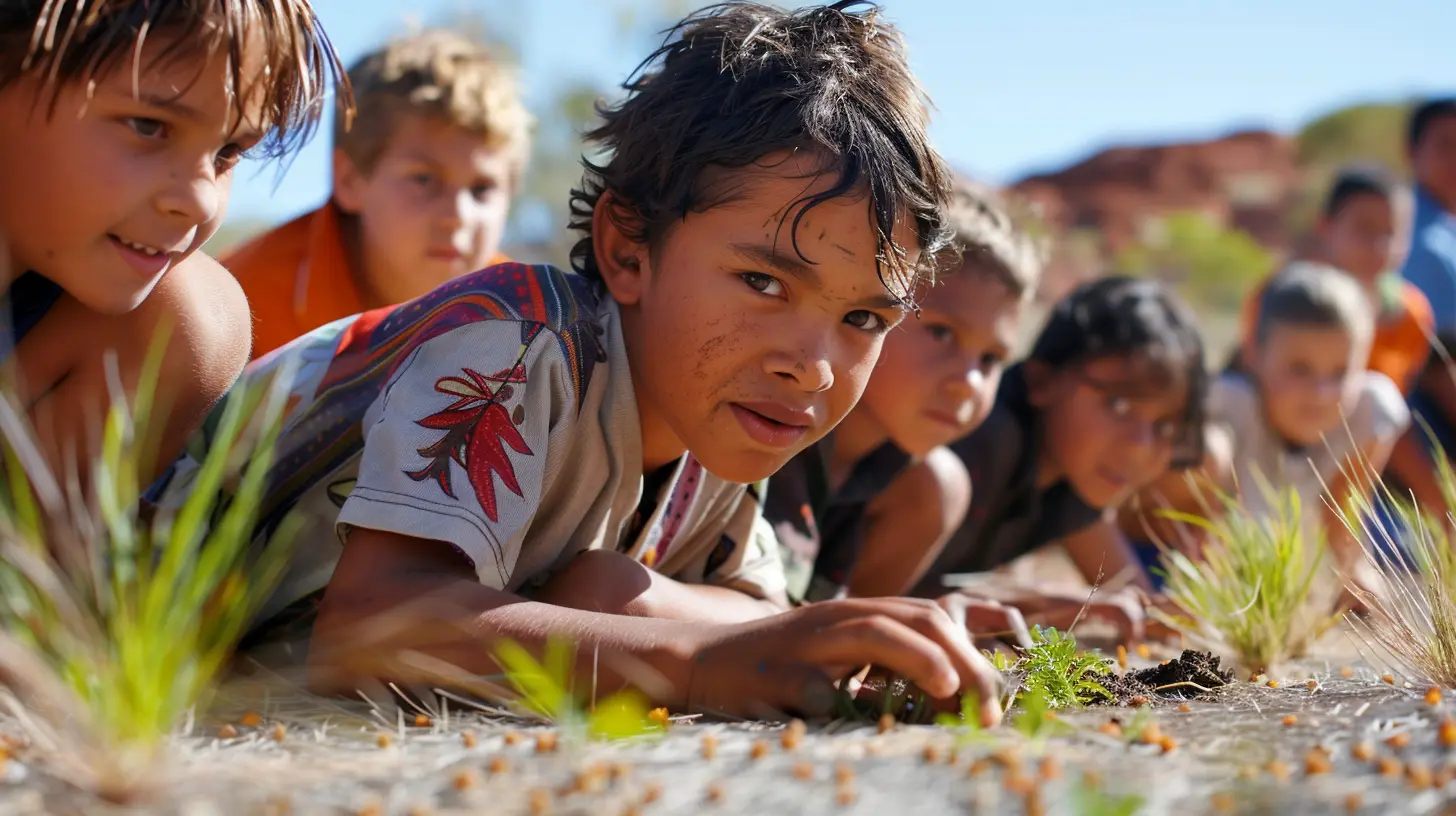
A Different Way of Seeing the World
What sets Indigenous knowledge apart from Western scientific knowledge is its holistic approach.While the modern scientific method often isolates variables, Indigenous knowledge sees the bigger picture. It looks at ecosystems as interconnected systems—much like a spider’s web. Tug one corner and the whole web reacts. This interconnectedness is something we’re starting to understand more in mainstream science, but Indigenous communities have known it all along.
Indigenous people see themselves as part of nature, not separate from it. That’s a powerful mindset shift. Imagine if every student learned not just the science of forests but also the spiritual, cultural, and emotional connections people have with them. That’s a game-changer.
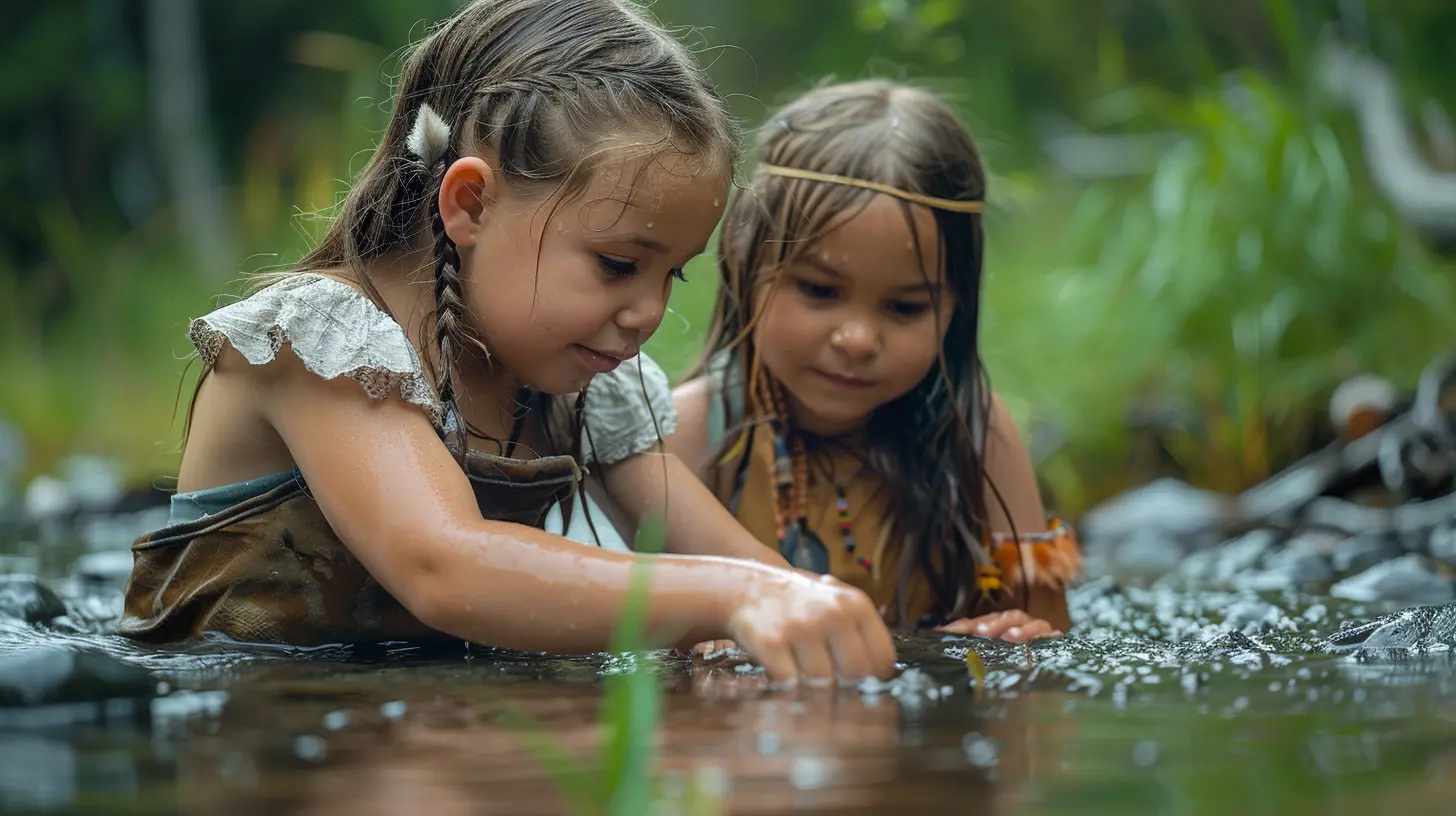
Why Traditional Environmental Education Falls Short
Let’s face it. Traditional environmental education often leans heavily on data, charts, and Western-centric ideas. While that’s all important, it can feel… well, dry. Detached. And sometimes even elitist.Most environmental curricula completely ignore Indigenous contributions to environmental stewardship. That’s not just an oversight—it’s a lost opportunity. We're missing out on centuries of expertise, wisdom, and lived experience that could help us tackle today’s environmental challenges in a much more holistic and culturally respectful way.
When students only learn one perspective, they don’t get the full story. And in a world that desperately needs creative, inclusive solutions, that's a big problem.
Benefits of Incorporating Indigenous Knowledge
Alright, let’s get into the nitty-gritty. Why should we bring Indigenous knowledge into the classroom when teaching environmental education? Here are some solid reasons:1. Bridging Cultural Gaps
Introducing Indigenous knowledge helps foster respect for diverse cultures. And let’s be honest—we need more empathy and understanding in today’s world.When students learn from Indigenous perspectives, they start to appreciate the value of different worldviews. That leads to more inclusive, respectful communities, both inside and outside of the classroom.
2. Promoting Sustainability... for Real
Indigenous practices are rooted in sustainable living. These aren’t just theories—they’re time-tested ways of surviving and thriving without harming the planet. From controlled burns to rotational farming to sustainable fishing practices, there's a treasure trove of strategies that actually work. Spoiler alert: many modern environmental policies are just now catching up.3. Making Learning More Engaging
Let’s be honest: environmental education can feel abstract. But bring in a story about how the Inuit read the wind and ice to predict sea changes, or how Australian Aboriginals conduct controlled burns to prevent wildfires, and suddenly you’ve got students leaning in.Indigenous knowledge brings texture and depth to lessons. It turns black-and-white concepts into rich, colorful narratives that stick with students long after the bell rings.
4. Supporting Indigenous Communities
Integrating Indigenous perspectives into education gives voice and value to Indigenous communities. It’s a way to honor their contributions and ensure their knowledge doesn’t vanish. It also opens up opportunities for Indigenous educators to lead, inspire, and shape the future of teaching.
Real-World Examples of Indigenous Knowledge in Action
Wondering how this looks in practice? Let’s take a quick world tour.The Maori of New Zealand
The Maori concept of kaitiakitanga (guardianship) teaches that people have a duty to protect the environment. In New Zealand, this philosophy is influencing national conservation policies and is even showing up in textbooks.The Sámi in Northern Europe
The Sámi people, Indigenous to parts of Norway, Sweden, and Finland, have a deep understanding of reindeer migration, snow patterns, and seasonal cycles. Their knowledge helps monitor climate change in Arctic regions.The Anishinaabe in North America
Among the Anishinaabe people, the concept of "Seven Generations" encourages decisions that benefit people seven generations into the future. Think about how different the world would be if every policy maker lived by that rule!How to Start Incorporating Indigenous Knowledge in Environmental Education
So we’ve convinced you—awesome. But now you're asking, "How do we actually do this?" Great question. Here’s a roadmap:1. Build Genuine Partnerships
This is key. Indigenous knowledge isn’t something you can just Google and toss into a lesson plan. Reach out to local communities, elders, and leaders. Build relationships. Ask questions. Listen more than you speak. This process takes time, but the trust and collaboration you build will be worth it.2. Bring Indigenous Educators Into the Classroom
Why not let Indigenous voices speak for themselves? Invite Indigenous educators, storytellers, and environmentalists to share their perspectives directly with students. It doesn't just enrich learning—it makes it real.3. Use Storytelling as a Teaching Tool
Indigenous knowledge is often shared through stories. Embrace that. Forget dry PowerPoints—engage students with myths, legends, and testimonies that teach ecological concepts in a powerful and memorable way.4. Adapt the Curriculum
You don’t need to throw out your current curriculum—just enrich it. Look for opportunities to add Indigenous case studies, readings, and practices that complement existing lessons on ecology, sustainability, or climate science.5. Encourage Hands-On Learning
Many Indigenous practices are learned by doing. Think gardening, fishing, mapping, or land stewardship activities. Get students outside. Let them get their hands dirty and their minds curious.
Challenges to Be Aware Of
Let’s not sugarcoat it—this isn’t always easy. Incorporating Indigenous knowledge into education comes with its own set of challenges.- Cultural sensitivity: You must avoid tokenism or misrepresenting traditions.
- Access to resources: Not every school has connections to Indigenous communities.
- Systemic barriers: Existing educational frameworks don't always allow room for non-Western perspectives.
But here’s the thing: these obstacles aren’t reasons to quit. They're reasons to try harder. With respect, effort, and openness, we can overcome them.
A Better Path Forward
We’re at a crossroads. Do we keep relying solely on the same environmental playbook that’s gotten us into this mess? Or do we open our eyes to the ancient, yet still-living wisdom that Indigenous cultures offer?By incorporating Indigenous knowledge into environmental education, we’re not just adding diversity for the sake of it. We’re adding depth, effectiveness, and humanity. We’re creating a future generation that sees the Earth not as a resource to use, but as a relative to honor.
So next time you're planning a lesson—or just thinking about the planet—remember: sometimes, the oldest answers are the best ones.
Final Thoughts
Environmental education is evolving. And as it does, it must become more inclusive, respectful, and holistic. Indigenous knowledge is not just an “alternative perspective”—it’s an essential one. When we bring it into classrooms, field trips, and academic curricula, we do more than teach students about the planet—we teach them how to live in harmony with it.So, let’s walk forward while listening back.
all images in this post were generated using AI tools
Category:
Environmental EducationAuthor:

Bethany Hudson
Discussion
rate this article
1 comments
Miranda Yates
Essential for holistic perspectives and sustainable solutions.
July 15, 2026 at 2:30 AM
Bethany Hudson
I completely agree. Integrating indigenous knowledge is vital for fostering a comprehensive understanding and creating lasting solutions. Thanks for your insight!