Promoting Cyber Safety for Students and Educators
4 July 2026
Let’s be honest—technology is amazing. It lets us connect, learn, share, and grow like never before. But with all these incredible benefits comes one big question: Are we staying safe while doing it? For students and educators, cyber safety isn’t just a good idea; it’s a must.
In today’s digital world, schools are no longer just about textbooks and blackboards. Students and teachers are using devices every day, accessing resources online, and interacting on platforms that didn’t even exist a few years ago. But here’s the thing—these tools open up a door to both opportunity and risk. And that’s exactly why promoting cyber safety for students and educators needs to be a top priority.
Let’s dive into why cyber safety matters, the challenges we face, and how we can all do our part to build a secure, supportive digital environment.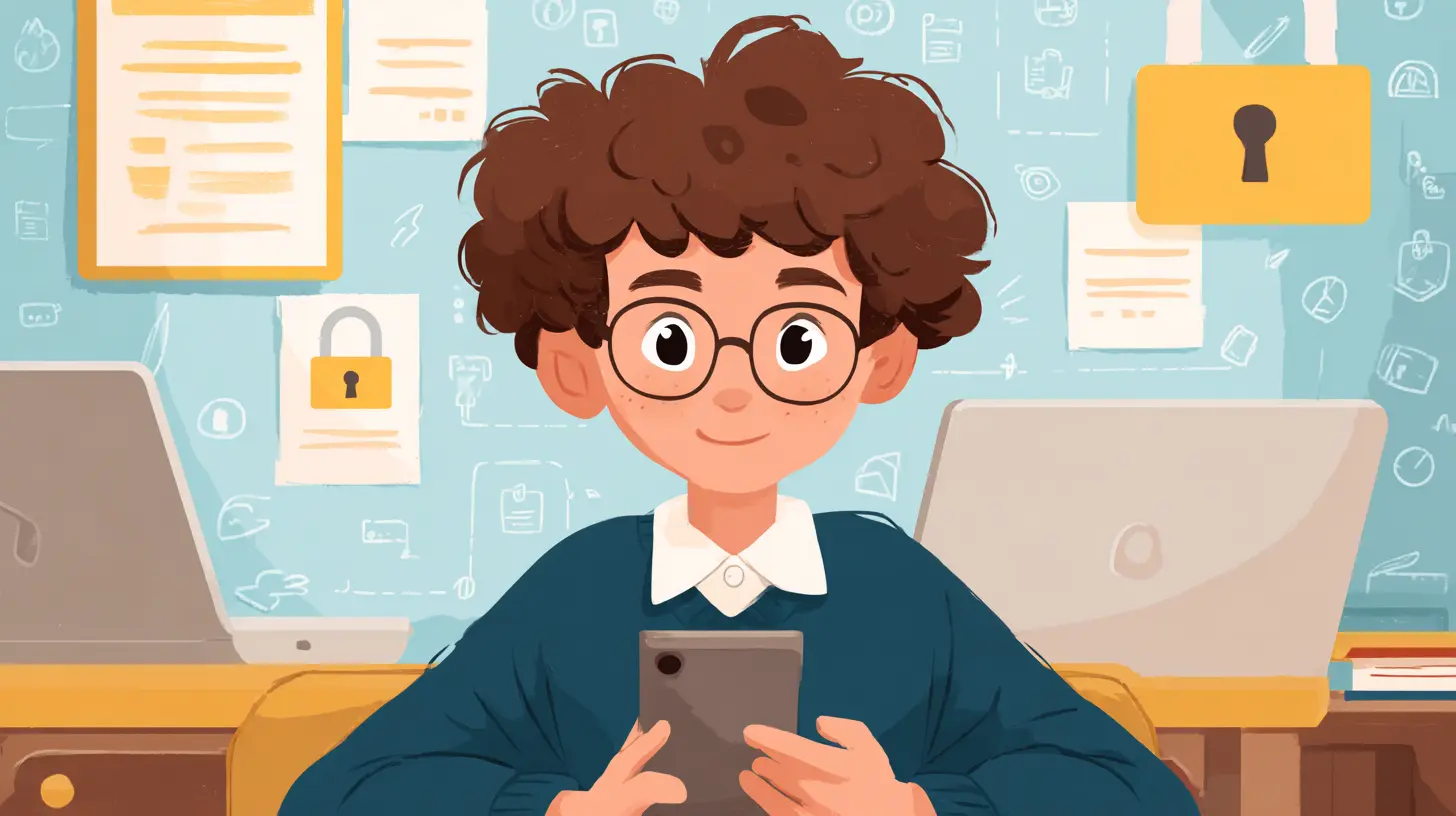
Why Cyber Safety Matters More Than Ever
Think about how much time we all spend online. Now multiply that when it comes to schools using virtual classrooms, learning management systems, and online collaboration tools. It’s not just about social media anymore; it’s about everything.Cyber threats aren’t just scary headlines—they’re real. From phishing emails to data breaches and cyberbullying, the risks are varied and sometimes invisible. It's kind of like walking into a jungle. The beauty is there, but if you're not prepared, you're in trouble.
So, what’s at stake?
- Personal data — Students and teachers often share a ton of personal info online.
- Mental health — Cyberbullying and inappropriate content can seriously affect emotional well-being.
- Learning disruption — Malware or hacking can shut down classrooms in seconds.
- Reputation damage — A single post can affect someone’s image forever.
That’s a lot on the line, isn’t it?
Common Cyber Threats in Education
Now, before we figure out how to promote cyber safety, we need to know what we’re up against. It’s not just “hackers” sitting in dark rooms. Some of the biggest threats are hiding in plain sight.1. Phishing Attacks
You’ve probably seen them—emails that look legit but aren’t. They pretend to be from the school or a trusted source, asking for passwords or personal info. One wrong click and boom! You're compromised.2. Malware and Ransomware
Clicking on the wrong link can infect an entire school network. Some malware even holds data hostage until a ransom is paid. Imagine losing access to all lesson plans, grades, and student records overnight.3. Cyberbullying
It doesn’t just happen in the hallways anymore. Bullying has moved online. And the effects? Just as harmful, if not worse. Students can face harassment through messages, comments, or even fake profiles.4. Inappropriate Content
The internet doesn’t filter itself. Without proper controls, students can stumble across violent, explicit, or even radical content. That’s definitely not what we want in a learning space.5. Identity Theft
Students and teachers alike are juicy targets for identity thieves. Why? Because school systems often store tons of sensitive data that’s not always well-protected.
Who's Responsible for Cyber Safety?
Here’s the truth—cyber safety isn’t just an IT department issue. It’s a team effort. Everyone from school administrators to students to parents plays a role. Think of it like a football team; if one player doesn’t guard their post, the whole team’s vulnerable.So, let’s break it down.
- School officials need to set policies and invest in secure infrastructure.
- Teachers should model safe practices and spread awareness.
- Students must learn digital responsibility.
- Parents should stay informed and keep an open line of communication.
When everyone’s on board, we build a much stronger defense.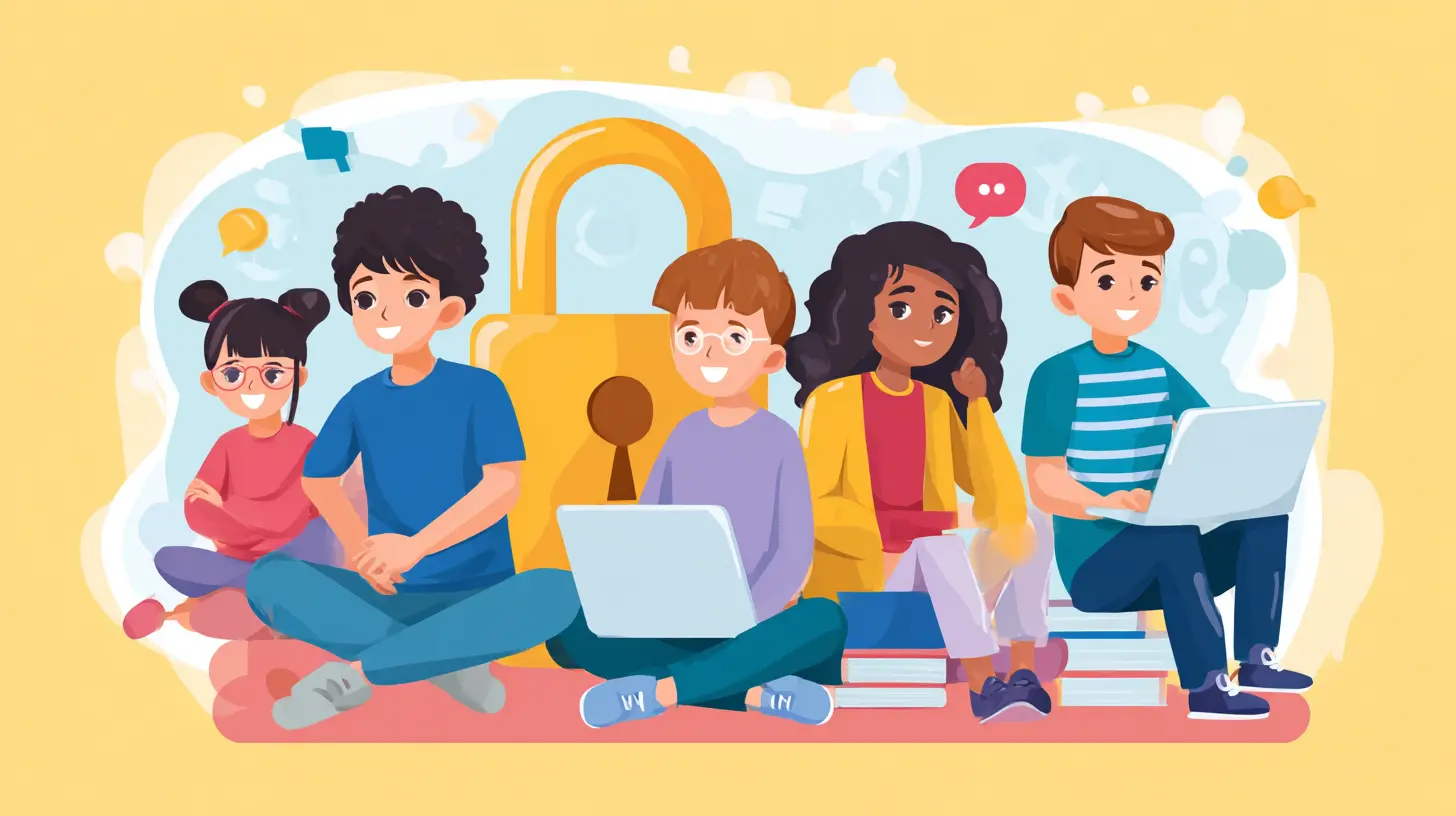
How Educators Can Promote Cyber Safety
Teachers—you’re on the front lines. You’re not just educating students academically, but digitally too. And your influence? It’s huge. Here are some effective ways you can step up the cyber safety game.1. Integrate Digital Literacy Into the Curriculum
Let’s make cyber safety part of the lesson plan, not an afterthought. Teach students how to spot scams, protect passwords, and use privacy settings. By building this into everyday learning, it becomes second nature.2. Use Strong Password Practices
A password like “12345” won’t cut it anymore. Teach students to create strong, unique passwords—and to never share them. Ever. Bonus points if you show them how to use a password manager.3. Encourage Two-Factor Authentication
Two-step verification is super effective. Encourage your school to adopt it for everything from email to learning platforms. It’s like adding a deadbolt to your digital front door.4. Monitor Online Behavior
This isn’t about spying. It's about creating a safe space. Use monitoring tools responsibly to spot warning signs early—whether it’s bullying, self-harm threats, or harmful content.5. Set Clear Guidelines for Online Conduct
Define what’s acceptable and what’s not when using school tech. Set boundaries. Make a digital code of conduct and stick to it. If students know what’s expected, they’re less likely to cross a line.What Students Need to Know
Students are digital natives, but that doesn’t mean they know how to stay safe. They scroll fast, click faster, and sometimes don’t realize what’s risky. So let’s help them wise up.1. Think Before You Click
Not every pop-up or DM is harmless. If something looks fishy—it probably is. Encourage students to pause, double-check URLs, and never download something from an unknown source.2. Keep Personal Info Private
Oversharing is a big problem. Remind students not to post addresses, phone numbers, school names, or photos with location data. Once it's online, it’s out of your hands.3. Report Suspicious Activity
If something feels off, don't ignore it. Students need to know it’s okay to speak up. Whether it’s a weird message or someone being targeted online, their silence could do harm.4. Respect Others
Digital respect is just as important as real-life courtesy. Remind students that there are real people behind the screens. No trolling, bullying, or shaming allowed.The Role of Parents in Cyber Safety
Parents—yep, you’re part of the equation too. Your child’s digital safety doesn’t end at school. What happens at home matters just as much.1. Be Involved
Stay curious. Ask about the apps your child uses. Sit down together during screen time now and then. You don’t need to be techy—just present.2. Set Boundaries
Use parental controls where needed. Set limits on screen time. Create “tech-free” times, like during dinner or before bed. A little structure goes a long way.3. Keep the Conversation Going
Kids should feel safe talking to parents when something goes wrong. Make sure you’re approachable, not judgmental. Open dialogue is key to trust and prevention.School Policies and Digital Infrastructure
It’s not just about individuals—it’s about systems too. Schools need to invest in strong digital foundations. Because let's face it: you can’t teach cyber safety in a cyber mess.1. Secure Networks
Use firewalls, antivirus software, and regular software updates. Make sure student data is encrypted and access is strictly monitored.2. Conduct Cyber Safety Training
Teachers and staff should receive regular training on the latest best practices and trending threats. The digital landscape changes fast—staying up to date is crucial.3. Develop an Incident Response Plan
If something does go wrong (and at some point, it will), schools need to have a game plan. Quick action can mean the difference between a minor glitch and a major crisis.Building a Culture of Cyber Awareness
At the end of the day, cyber safety isn’t just a set of rules—it’s a mindset. It’s about creating a culture where safety is part of the daily conversation, not just a once-a-year assembly.Start a “Digital Wellness Week.” Create peer-led tech groups. Celebrate good digital citizenship. When safety is cool, more students buy in.
Conclusion
Promoting cyber safety for students and educators isn’t just about avoiding bad stuff—it’s about empowering everyone to use technology confidently and responsibly. We're not just trying to avoid problems; we're trying to build a better, smarter digital community.Imagine a school where students feel protected, teachers aren’t stressed about tech risks, and parents can breathe easy. That’s not just possible—it’s doable. But it takes teamwork, awareness, and a little bit of effort from all sides.
So, next time you pick up a device, ask yourself: Am I being cyber safe? If we can all say “yes” more often than not, we’re on the right path.
all images in this post were generated using AI tools
Category:
School SafetyAuthor:

Bethany Hudson
Discussion
rate this article
1 comments
Faelan Collins
If you think cyber safety is just about avoiding suspicious emails, try explaining it to your dog. He'll stare at you like you've just asked him to write a thesis. Remember, the only thing that should be hacked is your snack stash!
July 29, 2026 at 5:03 AM