Safe School Transportation: What Schools and Parents Should Know
15 August 2026
Sending kids to school is a daily routine for millions of families. But have you ever stopped to think about the safety of school transportation? Whether it’s the iconic yellow school bus, walking, biking, or carpooling, every journey should be safe and reliable.
For both schools and parents, ensuring safe school transportation isn't just a responsibility—it’s a necessity. So, let's dive into everything you need to know about keeping students safe on their way to and from school! 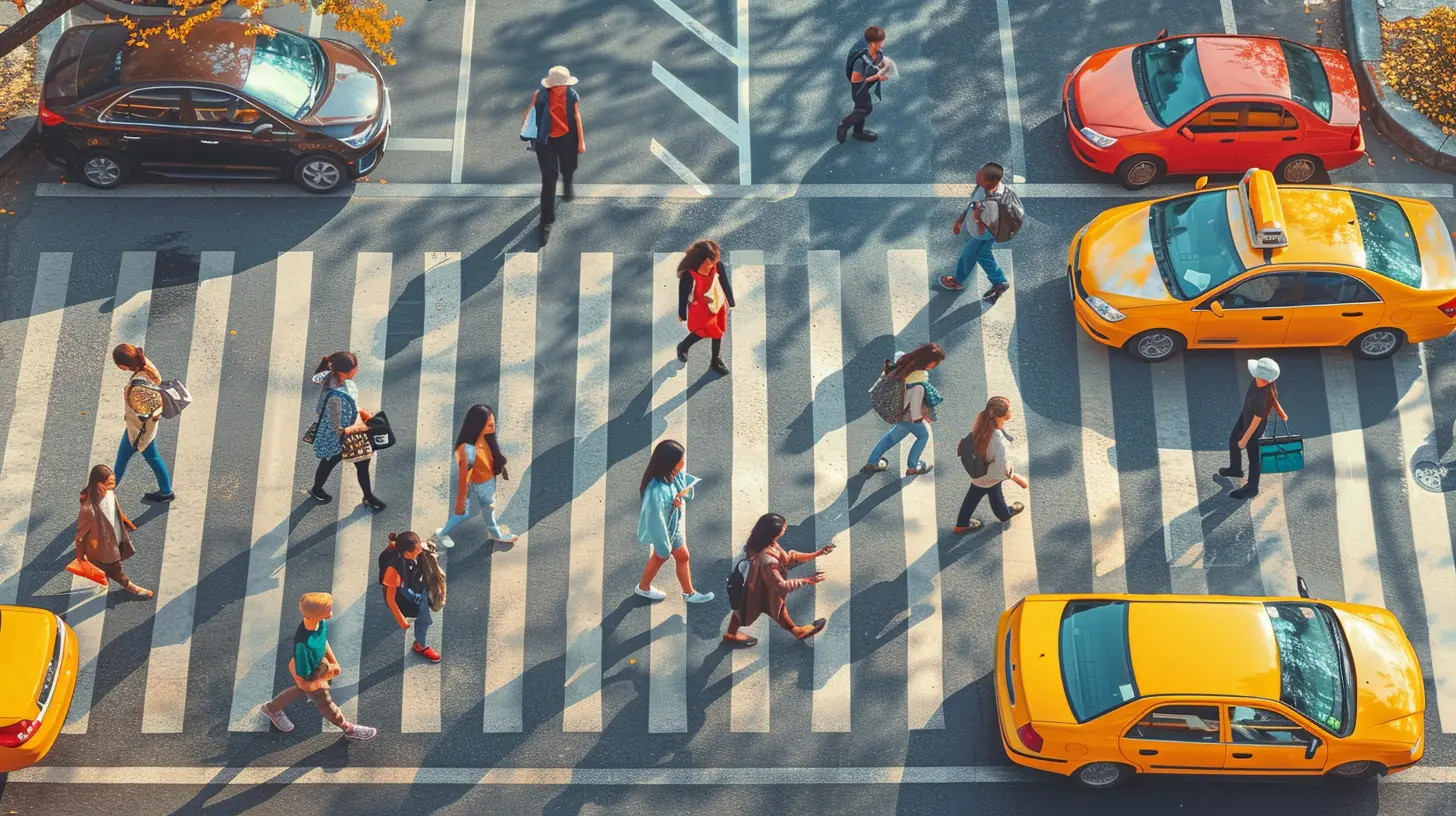
? Why Safe School Transportation Matters
Safety isn’t just about avoiding accidents; it’s about creating a secure environment where parents feel confident, and kids arrive at school ready to focus. According to the National Highway Traffic Safety Administration (NHTSA), school buses are one of the safest ways for children to travel, but risks still exist.From distracted driving to unsafe drop-off zones, many factors can impact the safety of school transportation. Addressing these concerns means fewer accidents and a better school experience for students. 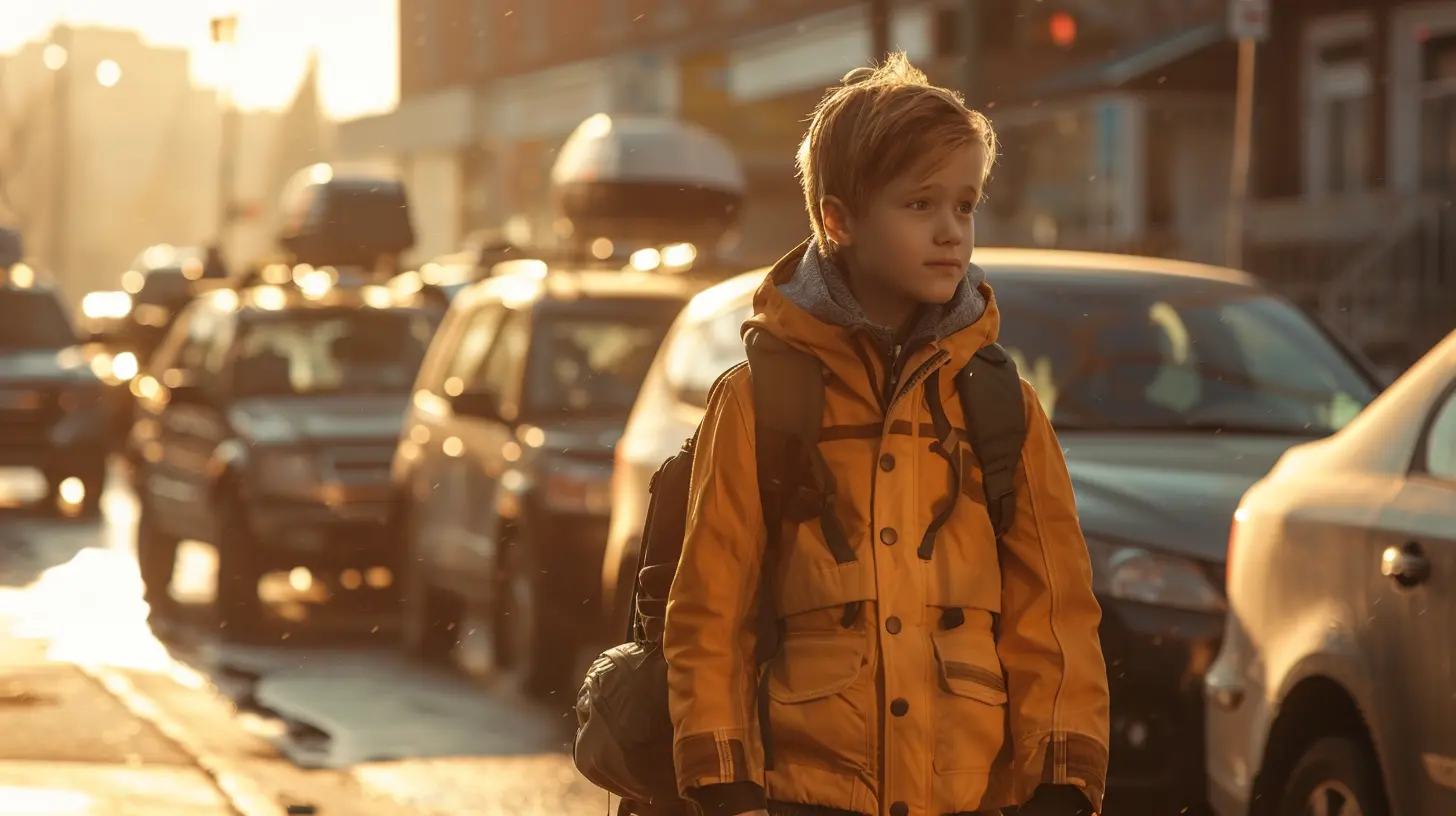
? School Transportation Options: Which One is the Safest?
There are several ways students get to school each day. Let’s break them down:1. School Buses: The Gold Standard of Safety
School buses are statistically the safest mode of transportation for kids. They are specifically designed to protect passengers with:✅ High seat backs and padded seats to absorb impact.
✅ Flashing lights to alert other drivers.
✅ Stop arms to ensure vehicles stop when kids board or exit.
✅ Strict regulations on speed, maintenance, and driver training.
But safety doesn’t stop with the bus itself! Proper behavior on the bus also plays a crucial role in preventing accidents.
? School Bus Safety Tips for Kids:
- Stay seated at all times.
- Keep hands and heads inside the bus.
- Never cross the street behind the bus.
? For Parents and Schools:
- Ensure kids arrive at the bus stop early.
- Remind drivers to stop for flashing red bus lights.
2. Walking to School: A Healthy, But Risky Choice
Walking to school is a great way to encourage exercise and independence. However, safety hazards like reckless drivers and unsafe crosswalks can pose risks.? Walking Safety Tips:
✅ Use sidewalks and crosswalks whenever possible.
✅ Teach kids to look left, right, then left again before crossing.
✅ Encourage walking in groups for added safety.
✅ Wear bright or reflective clothing to be visible.
? For Schools: Collaborate with local authorities to establish safe walking routes and pedestrian-friendly zones.
3. Biking to School: Freedom on Two Wheels
Biking is another fantastic way for kids to get to school, but it comes with its own safety concerns.? Biking Safety Tips:
✔ Always wear a properly fitted helmet (it’s a lifesaver!).
✔ Follow traffic signals and ride in bike lanes.
✔ Avoid distractions like phones or headphones.
✔ Equip bikes with lights and reflectors, especially in winter when it’s darker.
? For Schools: Implement bike racks and designated bike areas to encourage safe storage and organization.
4. Carpooling & Parent Drop-Offs: Convenient but Tricky
Carpooling is great for convenience and reducing traffic, but it can become chaotic without proper rules.? Carpool & Drop-Off Safety Tips:
✔ Use designated drop-off zones—no sudden stops in random areas.
✔ Ensure kids exit curbside, away from traffic.
✔ Avoid distractions like texting while in school zones.
✔ Obey the school's speed limits and watch for crossing students.
? For Schools: Create clear signs and designated areas to streamline traffic flow and prioritize student safety. 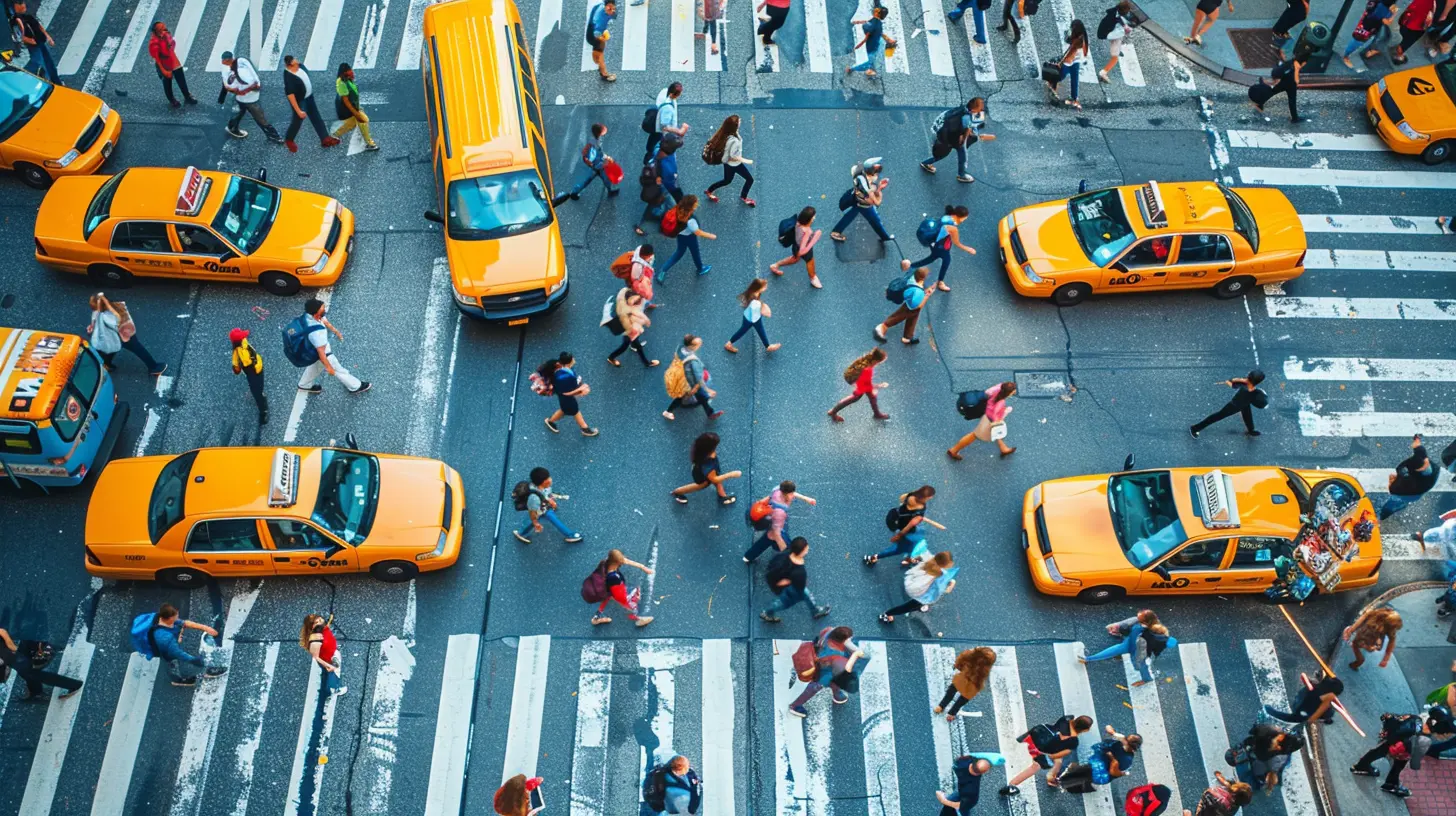
? The Role of Schools in Ensuring Safe Transportation
Schools have a significant role in shaping safe transportation habits. It's not just about buses—it's about an overall culture of safety!1. Implement Strict Safety Policies
A strong transportation policy should include:✅ Clear bus routes and schedules.
✅ Trained drivers with background checks.
✅ Emergency drills for students and staff.
2. Regular Vehicle Inspections
Buses and school vehicles should be checked for:? Brake functionality.
? Working headlights and signals.
? Seatbelt integrity (where applicable).
? Emergency exits accessibility.
3. School Zone Improvements
Simple changes can drastically improve safety:? Install better crosswalks.
? Add flashing speed signs in school zones.
? Assign crossing guards for high-traffic areas.
? How Parents Can Promote Transportation Safety
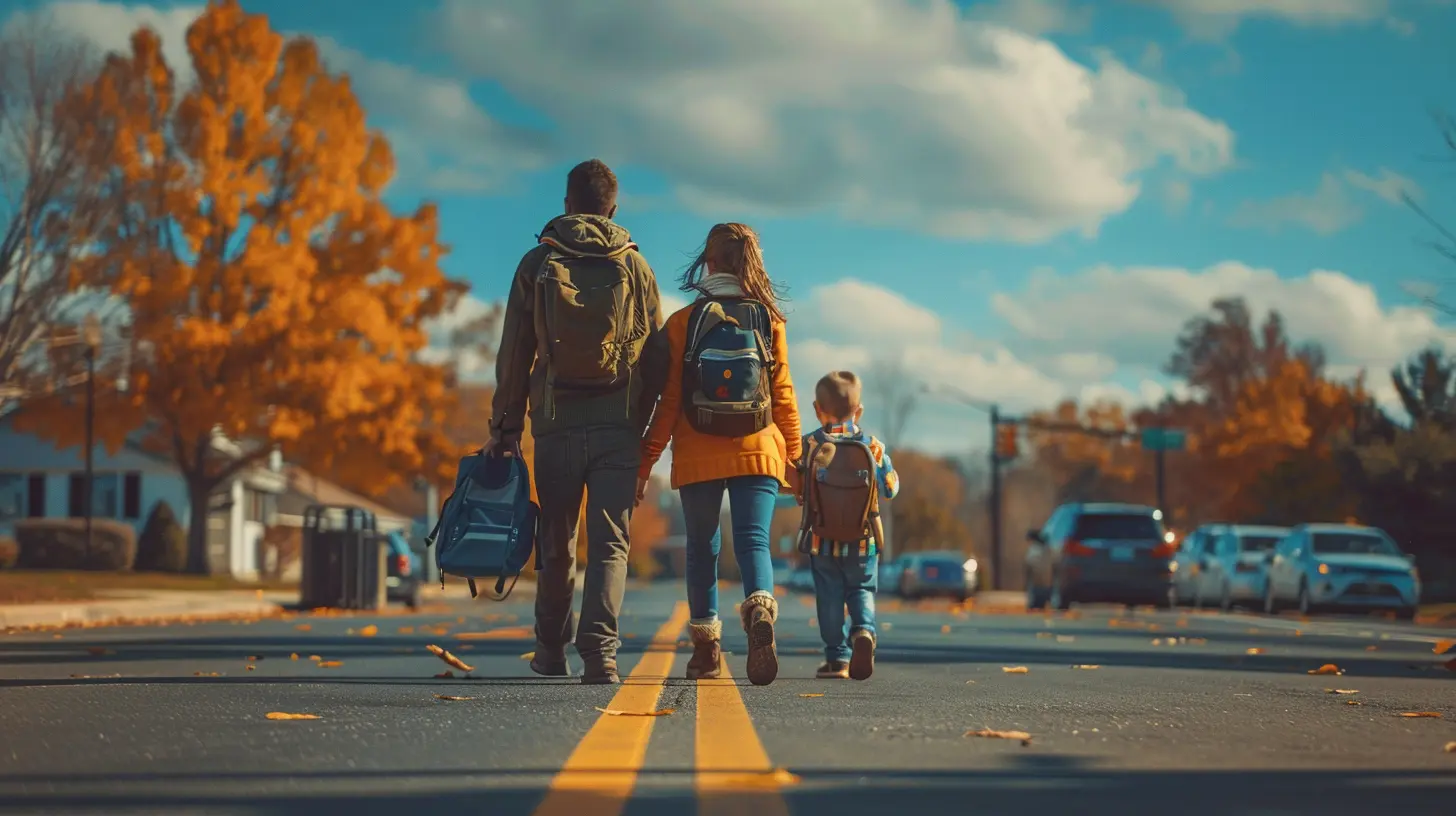
Parents play a key role in teaching and reinforcing safety habits. Here’s how:1. Teach Kids About Road Safety Early
Start road safety lessons young. Kids should understand traffic signs, signals, and pedestrian rules before they start walking alone.2. Stay Involved in School Transportation Plans
Join PTA meetings and discuss transportation concerns. Schools often make changes based on parent feedback, so your voice matters!3. Lead by Example
Your kids watch you. If they see you jaywalking or texting while driving, they’ll think it’s okay. Model safe behaviors, and they will follow.? Common School Transportation Dangers & How to Avoid Them
While school transportation is generally safe, dangers still exist. Here are some common risks and how to prevent them:? Danger #1: Distracted Driving in School Zones
? Solution: Enforce no-phone policies while driving near schools. Schools can also work with local police to implement stricter penalties for violations.? Danger #2: Students Not Following Safety Rules
? Solution: Schools should hold safety workshops, and parents should regularly remind kids about road safety.? Danger #3: Poorly Lit Streets & Crosswalks
? Solution: Advocate for better lighting, clear crosswalk markings, and pedestrian signals in school zones.? Danger #4: Weather-Related Hazards
? Solution: Encourage weather-specific safety measures—like dressing appropriately, reducing speeds, and preparing for icy sidewalks.? Final Thoughts: Safe Journeys Start with Us!
When it comes to school transportation, safety is a team effort. From schools enforcing strict regulations to parents teaching responsible habits, everyone plays a role in keeping students safe.By focusing on education, proper planning, and safety-first mindsets, we can ensure that every child’s journey to and from school is secure, smooth, and stress-free!
? What safety measures does your school or community have in place? Share in the comments below!
all images in this post were generated using AI tools
Category:
School SafetyAuthor:

Bethany Hudson
Discussion
rate this article
2 comments
Quillan McLaughlin
This article addresses an essential issue. Schools and parents must collaborate to create safer transportation solutions, prioritizing student safety over convenience. Effective communication is key to ensuring all stakeholders are engaged.
August 24, 2026 at 2:27 AM
Primrose McVicar
Safe school transportation is crucial for student well-being. Parents and schools must collaborate on strategies, ensuring children understand safety rules and drivers are trained. Awareness and communication can significantly reduce risks and enhance safety for all students.
August 21, 2026 at 4:24 AM