Social Media Safety Tips for Schools and Students
8 February 2026
Social media is everywhere. It's on our phones, tablets, and laptops—and chances are, it's in your classroom too. Whether you're a teacher, administrator, parent, or student, social media plays a huge role in modern education. But like any powerful tool, it comes with risks. From cyberbullying to data privacy concerns, the digital playground can get messy fast.
So, how do we keep it safe? That’s exactly what we’ll unpack in this guide. Buckle in!
Why Social Media Safety Matters in Schools
Let’s call it what it is—social media isn’t going anywhere. Instagram, TikTok, Snapchat, and even Facebook (yes, some students still use it!) are deeply woven into students’ daily lives. They’re platforms for connection, creativity, and, sometimes, chaos.Now, you may think: “Isn’t social media a personal thing?” Fair question. But here’s why schools need skin in this game:
- Cyberbullying happens most often online
- Students overshare personal info
- Teachers are getting doxxed or impersonated
- Inappropriate content spreads like wildfire
- Academic focus takes a nosedive during social scrolling
If schools embrace digital tools, they also need to set solid boundaries and educate users on staying safe.
Understanding the Risks: Not Just Kid Stuff
Let’s take a snapshot of the risks before diving into solutions.1. Cyberbullying Is More Than Just Mean Comments
Forget passing notes in class—now insults are sliding into DMs and comment sections. Cyberbullying can involve:- Harassment or threats via messages
- Exclusion from social groups
- Public shaming through posts or shares
And what’s worse? It can happen 24/7.
2. Personal Info Is Way Too Easy to Share
Ever seen a teen’s bio loaded with their school name, birthday, hometown, and favorite Starbucks drink? Yeah, so have predators and scammers. Oversharing is a major vulnerability.3. Fake Profiles Are Running Wild
Students and teachers are both at risk of being impersonated online. One fake profile can ruin reputations and stir up drama that spills into the hallways.4. Addiction and Mental Health Issues
Social media platforms are designed to be addictive. The endless scroll, the likes, the FOMO—it’s all engineered to keep us hooked, and students are particularly affected. Long-term exposure can lead to anxiety, depression, and low self-esteem.
Social Media Safety Tips for Students
Alright, students—this section’s for you. Staying safe on social media doesn’t mean you have to ditch it entirely. It’s about being smart, alert, and intentional with how you use it.1. Think Before You Post
Would you say it out loud in front of your grandma? No? Then maybe don’t post it.Once something is online, it’s out there for good—screenshots, shares, or cached posts mean you can't always "delete and forget." Your future college or boss could stumble upon that party pic or shady tweet.
2. Private Accounts Should Actually Be Private
It’s tempting to follow everyone and accept all follower requests. But if your account is private, treat it like your private space!Only approve people you really know. That cute “mutual” follower? Could be a bot or a scammer.
3. Don’t Overshare Personal Details
Keep your birthdate, home address, school, daily routine, and phone number off your public profile. These tiny breadcrumbs are all shady characters need to track you down or guess your passwords.4. Turn Off Location Sharing
Snapchat’s Snap Map may seem harmless, but it tells people exactly where you are. Want to avoid creepy encounters? Toggle off location-sharing features in your apps.5. Be Kind—Digital Karma Is Real
What you put out there comes back around. Be the positive influence, not the one dropping hate. You never know what someone’s going through behind that screen.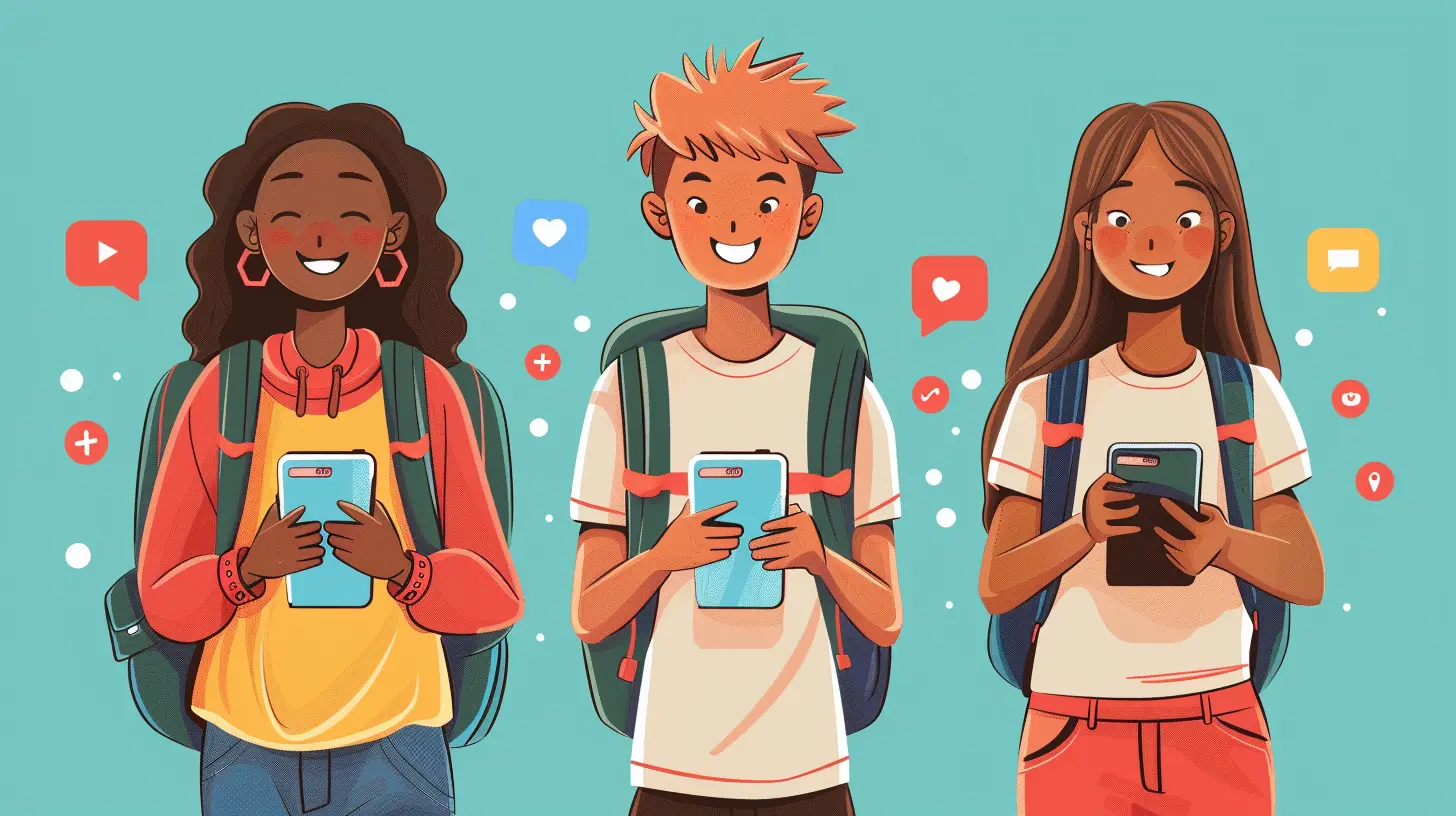
Social Media Safety Tips for Schools
Educators and school leaders—this part’s on you. You don’t have to monitor every tweet or Instagram story, but balancing trust and safety is key.1. Establish a Clear Social Media Policy
It all starts with clear rules. Not a 40-page legal doc, but a simple, digestible set of guidelines. Your policy should cover:- What’s okay to post (and what’s not)
- Rules about interacting with students online
- Reporting, monitoring, and disciplinary steps
- Device usage during school hours
Make the policy accessible and revise it annually based on new trends or incidents.
2. Educate Students on Digital Citizenship
Don’t just hand kids tech and hope for the best. Teach them how to navigate social media ethically and responsibly.Run workshops, bring in digital safety speakers, or integrate digital literacy into your curriculum. Students should know how to:
- Spot fake news and scams
- Report harassment or inappropriate content
- Handle peer pressure online
3. Train Staff on Online Conduct
Teachers aren’t off the hook. They too need boundaries and best practices when it comes to using social platforms.- Keep personal and professional accounts separate
- Avoid friending current students
- Don’t post identifiable images of students without permission
And remember—your digital footprint matters just as much as your real-life reputation.
4. Engage Parents
Parents are the third pillar in this safety triangle. Host parent-focused sessions to help them understand:- The apps their kids are using
- How to monitor or guide usage without being overbearing
- What red flags to look for (behavioral changes, secretive phone habits)
An informed parent can be a child’s best ally in the digital world.
Smart Tools & Apps for Social Media Monitoring
Want to be proactive without going full Big Brother? Several apps can help monitor and guide safe social media usage.- Bark – Alerts parents/schools about potentially harmful content
- GoGuardian – Offers school-wide filtering and monitoring
- Linewize – Supports classroom digital safety with real-time insights
- NetSupport DNA – Helps manage and monitor school devices securely
But remember: these tools aren’t a substitute for conversations. They’re just the booster, not the engine.
Real-Life Scenarios: Lessons Worth Sharing
Let’s break this down with a few real-world stories (names changed, of course):Case #1: The Fake Teacher Profile
Mr. Lewis, a beloved math teacher, found a fake Instagram account pretending to be him—posting embarrassing memes and making rude comments. It spread like wildfire before he could report it.Lesson: Staff should regularly search their names on platforms, and schools should respond quickly to impersonation.
Case #2: The Overshared Field Trip
A student went live on TikTok during a school trip, accidentally revealing the hotel location. That evening, strangers showed up claiming to be friends. Talk about a wake-up call.Lesson: Field trip and event policies should include social media safety measures—no live streaming, no geo-tags, and media checks.
The Role of Peer Leadership
Here's a little secret sauce—students listen to each other way more than to adults. Schools can harness this by:- Starting digital ambassador programs
- Hosting student-led assemblies about online etiquette
- Promoting student role models who use social media responsibly
Think of it like a buddy system for the internet. When students feel ownership, they police themselves better than any software ever could.
Creating a Culture of Trust and Transparency
At the end of the day, safety isn’t about surveillance—it’s about trust. When students know they can report issues without fear of judgment or punishment, you create a culture where safety breeds naturally.Empathy. Communication. Consistency. That’s the real formula.
Final Thoughts: Don’t Fear Social Media—Tame It
We’re not here to vilify social media. It’s fun, it’s powerful, and for students, it’s part of life. But like crossing the street, it requires awareness, rules, and a little common sense.If schools, students, and parents all play their part, social media becomes less of a minefield—and more of a meaningful way to connect, share, and grow.
So here’s the challenge: Be intentional. Be alert. Be kind. And always, always keep your digital head on straight.
Because while the internet may forget, screenshots don’t.
all images in this post were generated using AI tools
Category:
School SafetyAuthor:

Bethany Hudson
Discussion
rate this article
2 comments
Vireo Becker
Thank you for this insightful article! Promoting social media safety is essential for empowering students and fostering a secure learning environment.
February 26, 2026 at 11:46 AM
Bethany Hudson
Thank you for your kind words! I'm glad you found the article helpful in promoting social media safety.
Tiffany McAdoo
Great tips! Empowering students ensures a safer online experience.
February 8, 2026 at 11:35 AM
Bethany Hudson
Thank you! Empowering students is indeed key to fostering a safer online environment.