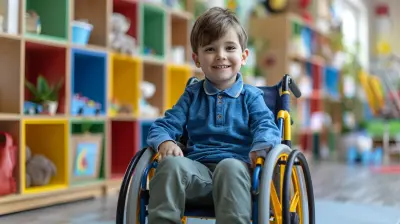
Social Skills Training for Children with Learning Disabilities
25 August 2026
Let’s be real—raising or teaching a child with learning disabilities (LD) isn't a walk in the park. There’s homework battles, communication hurdles, and emotional ups and downs that can leave you drained. Now mix that with social struggles, and it gets even trickier. Many kids with LD struggle to pick up on those unspoken social rules that most people learn without even thinking. That’s where social skills training comes in—game changer, honestly.
In this post, we’ll dive into what social skills training is, why it’s crucial for children with LD, and how you (yes, you!) can help make socializing a more manageable, even enjoyable, experience for them. Ready? Let’s go.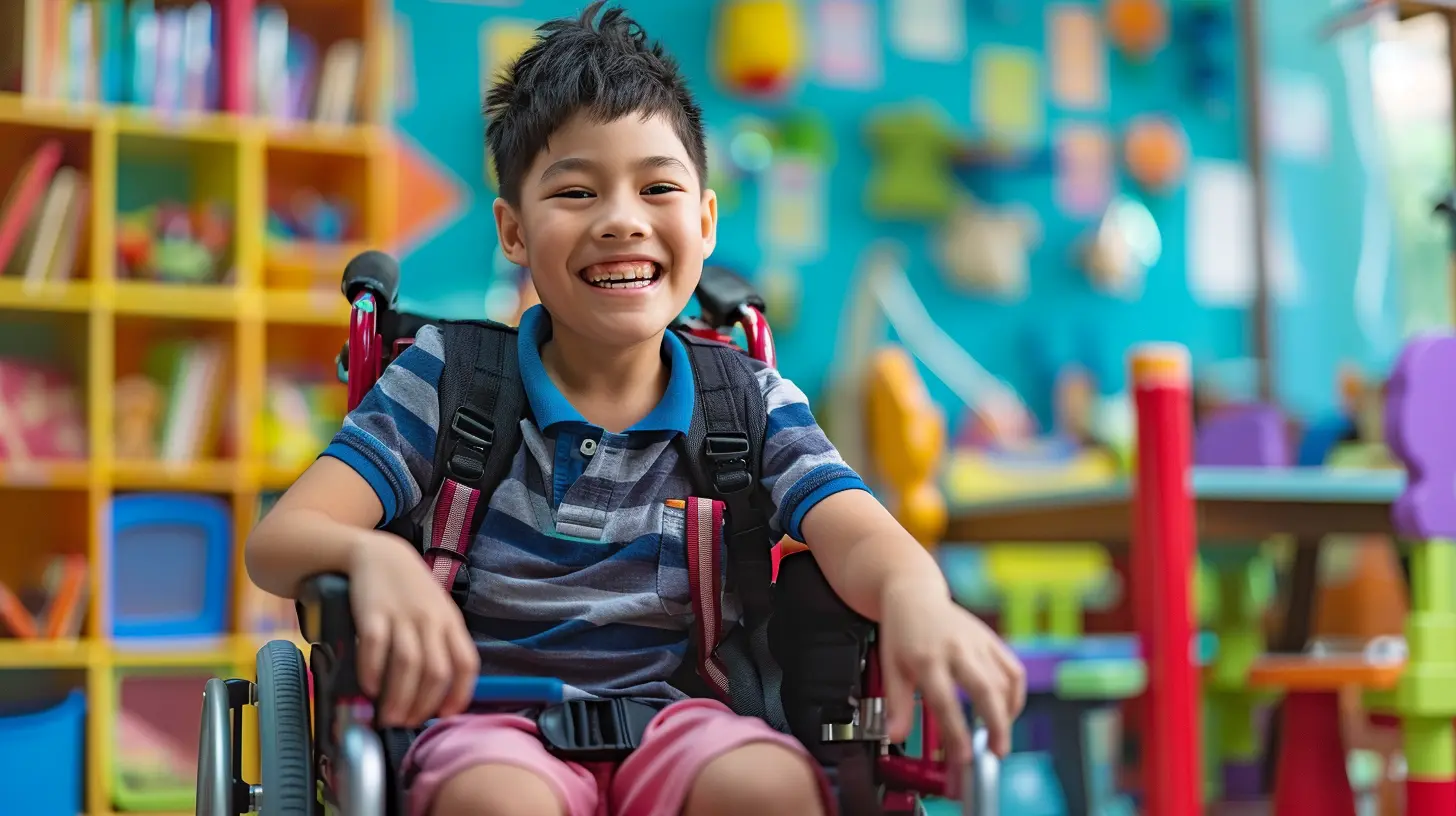
What Is Social Skills Training?
Social Skills Training (SST) is like giving kids a "social toolbox." It’s a structured approach that teaches children how to communicate, interact, and behave in socially appropriate ways. We're talking about basic stuff like making eye contact, starting conversations, sharing, and recognizing emotions in others.Now, these things might come naturally for most kids, but for those with LD? Not so much. They often miss social cues or struggle to express themselves, which can lead to frustration, isolation, or even behavioral issues.
That’s why SST is SO important—it helps fill in those missing gaps step-by-step, like teaching someone how to dance by breaking down each move instead of just tossing them onto the dance floor.
Why Social Skills Matter for Kids with Learning Disabilities
Okay, quick question—have you ever felt left out at a party, work meeting, or group setting? It sucks, right? Now imagine feeling like that all the time because you can’t keep up socially with your peers. That’s the daily reality for many children with learning disabilities.Here’s why building social skills is a big deal:
- Improves Self-Esteem: When kids successfully interact with others, they feel more confident.
- Encourages Friendships: Let’s face it, kids NEED friends. They learn empathy, cooperation, and teamwork through social play.
- Reduces Behavioral Issues: Kids who can express themselves tend to have fewer meltdowns or conflicts.
- Supports Academic Success: Group projects, classroom discussions, teamwork activities—all of these rely on social interaction.
Social success = academic and emotional success. It’s all connected.
Common Social Struggles for Kids with LD
Not all learning challenges are alike, but many children with LD exhibit similar social difficulties. Let’s break some of them down:1. Misreading Social Cues
Some kids can't tell when someone is bored, annoyed, or joking. They may talk too much or say things at the wrong time, not realizing it’s inappropriate.2. Struggles with Conversation Skills
They might talk off-topic, interrupt, or not know how to start or maintain a conversation. Small talk? Practically a foreign language.3. Trouble with Emotional Regulation
A lot of kids with LD have a hard time managing emotions. They may get frustrated quickly or overreact to minor issues.4. Difficulty with Perspective-Taking
Putting themselves in someone else’s shoes? Not easy. This can lead to misunderstandings or coming off as insensitive.If any of this sounds familiar, you’re not alone. And more importantly, there’s help.
What Does Social Skills Training Look Like?
Social Skills Training isn’t just sitting in a classroom learning from a textbook (although structured teaching is part of it). It’s hands-on, interactive, and tailored to the child’s needs. Here's how it typically goes down:1. Assessment
First things first—identify what the child struggles with. This could involve:- Observations
- Conversations with parents and teachers
- Standardized assessments
2. Setting Goals
Once you have the “social pain points,” set small, achievable goals. Think:- “Make eye contact for three seconds during a conversation.”
- “Ask a peer one question during recess.”
Keep it realistic and measurable.
3. Role-Playing and Modeling
Here’s where it gets fun. Kids act out social situations, like asking to join a game or dealing with teasing. The adult (teacher, therapist, even you) models the behavior, then the child tries it out.Think of it like rehearsing for a play—you practice again and again until it becomes second nature.
4. Positive Reinforcement
Don’t skimp on praise. When a child successfully uses a social skill, reward it. This could be verbal ("Great job listening!") or tangible (stickers, tokens, etc.). The more positive connections you build, the more likely those skills will stick.5. Real World Practice
Eventually, the goal is to use these skills in real-life settings—school, playgrounds, family gatherings. The more practice, the better.Effective Strategies That Actually Work
Every child is unique, but some strategies are just tried-and-true. Here’s a toolbox of techniques anyone can use:1. Social Stories
These are short, personalized stories that teach specific behaviors. For example:> “When I want to play with my friends, I can say, ‘Can I join?’ If they say yes, I can smile and play. If they say no, it’s okay. I can ask someone else or try again later.”
Simple, relatable, and super effective.
2. Visual Cues and Charts
Use pictures, flashcards, or posters to teach emotions, facial expressions, or social steps. Visual learners soak this stuff up like a sponge.3. Social Skills Groups
Sometimes peer support is the best support. Many schools and clinics offer small group training where kids can learn and practice together.4. Games and Apps
Turn learning into play! Board games like “The Socially Speaking Game” or apps like “Peppy Pals” help kids practice in fun, low-pressure situations.5. Video Modeling
Show kids short videos of someone demonstrating the target behavior. Then discuss it. It’s like giving them a movie trailer for how to behave.Role of Parents and Teachers in Social Skills Training
You don’t need a PhD to help a child with social skills. Your everyday interactions are powerful teaching moments if you keep a few things in mind:Be a Social Coach
Catch teachable moments. For instance, if your child interrupts a conversation, gently say, “Let’s wait for a pause before we talk, okay?”Encourage Playdates
Small, structured playdates are a golden opportunity for social growth. Keep 'em short and sweet at first, and always prep your child with what to expect.Label Emotions
Help kids put feelings into words. Say things like, “You look upset. Are you frustrated because of the game?” This boosts both empathy and self-awareness.Don’t Do It For Them
It’s tempting to rescue your kid from awkward moments, but let them try—even fail. That’s where growth happens. Be nearby, support them, but let them handle it.When to Seek Professional Help
Sometimes, despite our best efforts, things feel stuck. That’s okay. Professionals—like speech-language pathologists, psychologists, or special education teachers—bring specialized tools and experience to the table.Red flags that suggest you might want backup:
- Your child avoids all social interaction
- They’re being bullied or excluded regularly
- Emotional meltdowns during social events
- Anxiety or school refusal
The earlier the intervention, the better. Don’t wait it out—get help and get your kid the support they need.
Building a Brighter Social Future
Social skills may not be taught in every classroom, but they’re essential to a child’s success and happiness. The good news? With consistent support, patience, and the right approach, kids with learning disabilities can blossom socially—more than you might expect.This isn’t about turning your child into a social butterfly overnight. It's about helping them feel competent and connected. That's the goal. Every step counts, and every little win builds momentum.
So whether you’re a parent, teacher, or someone who just cares deeply, take the time to invest in social skills training. It may not be glamorous, but it’s life-changing.
And the best part? You don’t have to do it alone.
all images in this post were generated using AI tools
Category:
Learning DisabilitiesAuthor:

Bethany Hudson
Discussion
rate this article
2 comments
Sabina McKinstry
Social skills matter... Let's make it fun!
September 12, 2026 at 3:14 AM
Bethany Hudson
Absolutely! Making social skills training enjoyable can really help kids engage and grow. Let's do this!
Georgina Wallace
This article offers valuable insights for nurturing social skills in children with learning disabilities. A compassionate and essential read for parents and educators.
September 2, 2026 at 2:36 AM
Bethany Hudson
Thank you for your kind words! I'm glad you found the article helpful for supporting children with learning disabilities.