Supporting Special Education in a Blended Learning Environment
3 December 2025
Education is constantly evolving, and blended learning has taken center stage as one of the most effective ways to meet diverse learning needs. But what about students in special education? How can we ensure they receive the support they need in a learning model that mixes in-person and online experiences?
That’s exactly what we’ll dive into today! If you're a teacher, parent, or just someone passionate about inclusive education, stick around. We’ll explore strategies, best practices, and tools to make blended learning work for special education students.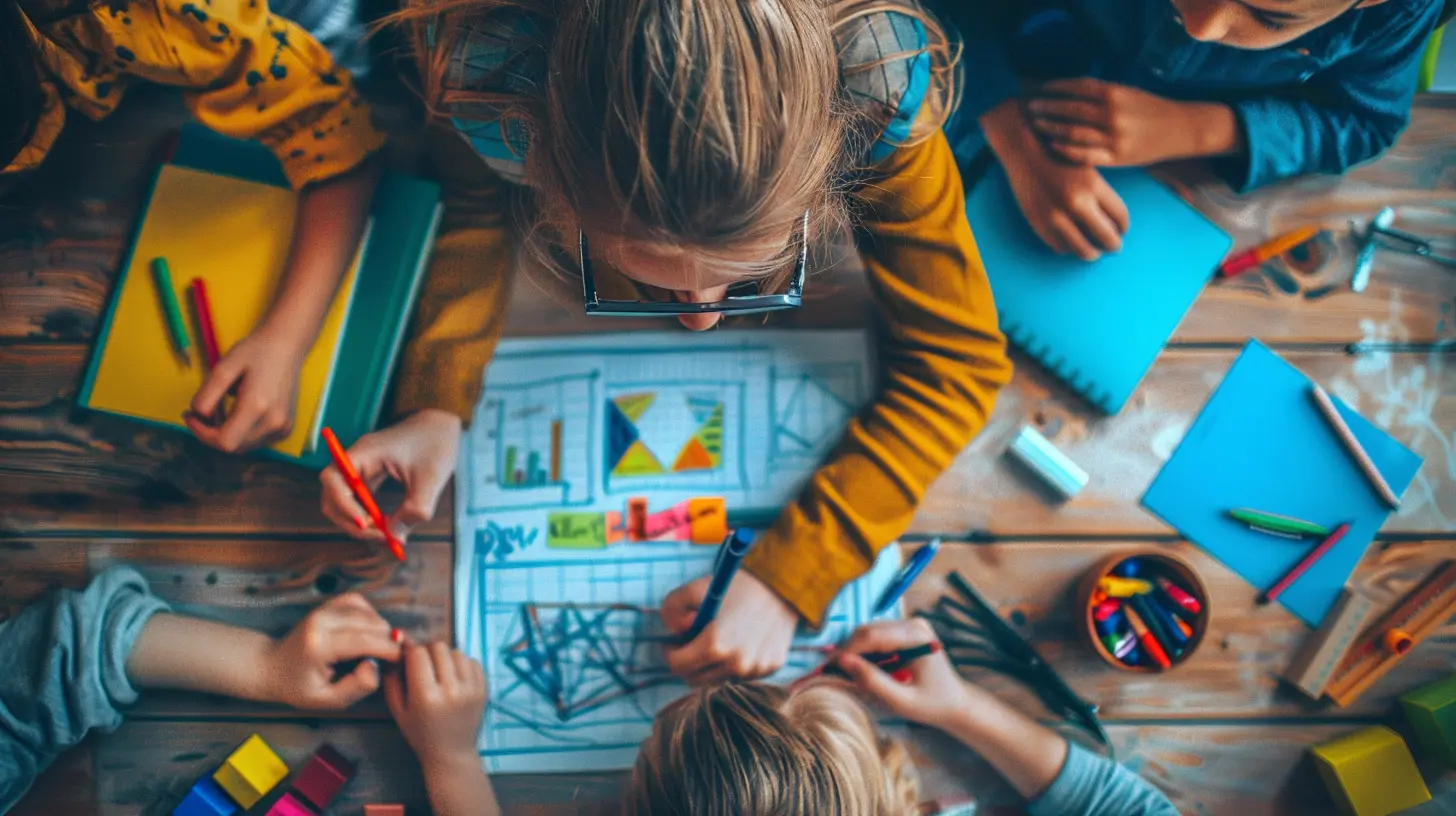
What Is Blended Learning?
Blended learning is a mix of face-to-face instruction and online learning. It’s a flexible approach that combines the best of both worlds—traditional teaching and digital resources. Students can engage with lessons in a classroom setting while also using technology to reinforce their learning at their own pace.For students with disabilities, blended learning presents both challenges and incredible opportunities. When done right, it creates a highly personalized learning environment that caters to individual strengths and needs.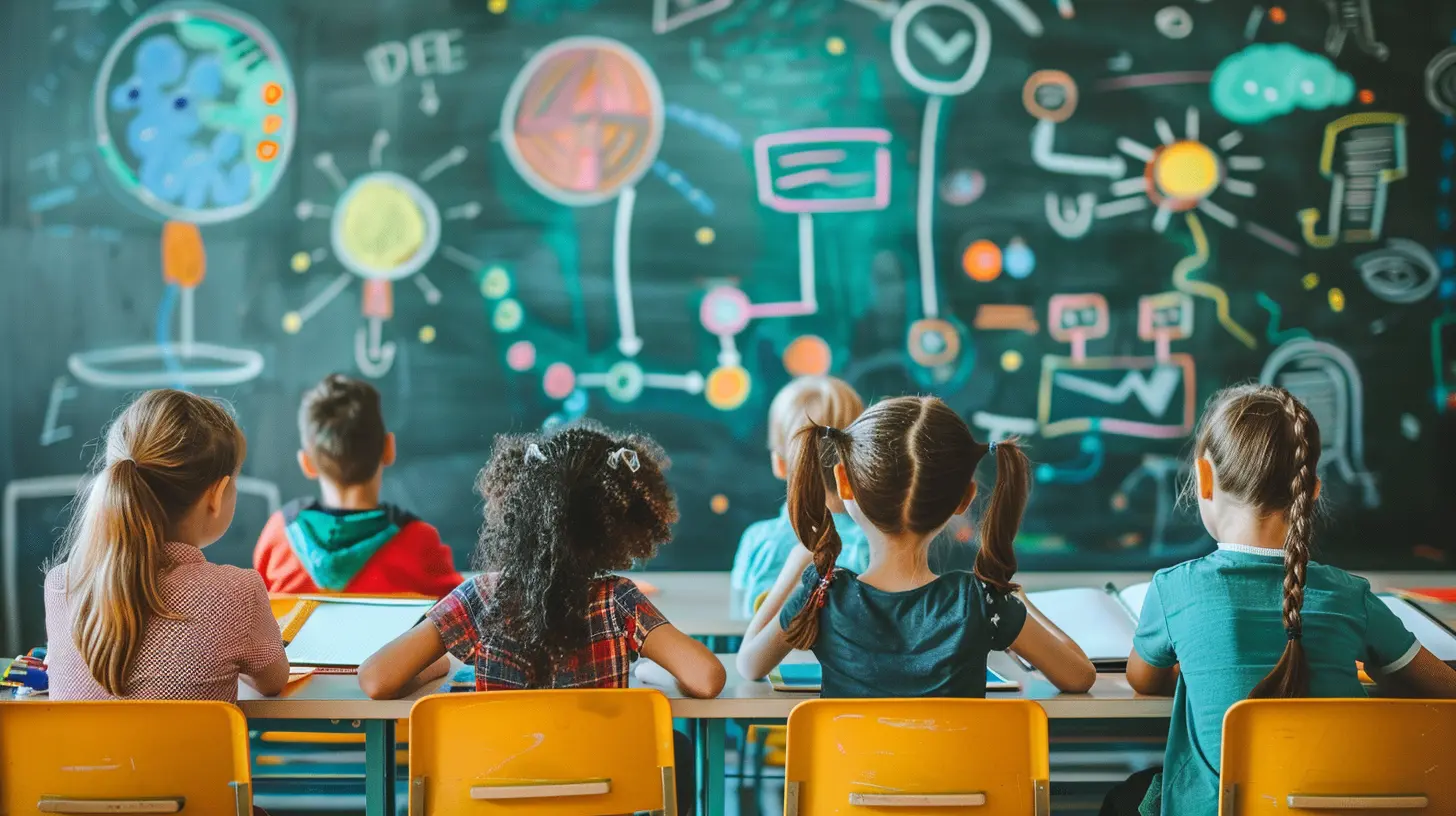
Challenges Special Education Faces in a Blended Learning Model
Let’s be real—blended learning is not a one-size-fits-all solution. Special education students often require more than just a mix of online and offline learning. They need extra support, guidance, and accommodations to thrive. Here are some challenges they might face:1. Technology Accessibility Issues
Not all special education students have the necessary tools or tech skills to navigate online learning platforms. Some may struggle with screen fatigue, while others need assistive technologies that aren't easily integrated into standard learning platforms.2. Lack of Personalized Support
In a traditional classroom, teachers can offer one-on-one support. But with blended learning, there’s a risk that students may feel lost if they don’t receive immediate feedback or assistance.3. Maintaining Engagement and Motivation
Many students with disabilities need structured environments to stay engaged. The online part of blended learning can sometimes feel isolating, making it harder for them to stay motivated.4. Parental Support and Training
Blended learning often requires parents to step in and help with online components. However, not all parents have the time or resources to assist their children adequately.5. Socialization Challenges
For students with special needs, social interaction is key to developing communication and emotional skills. Too much screen time can limit these opportunities.Now that we've looked at the hurdles, let's talk about solutions!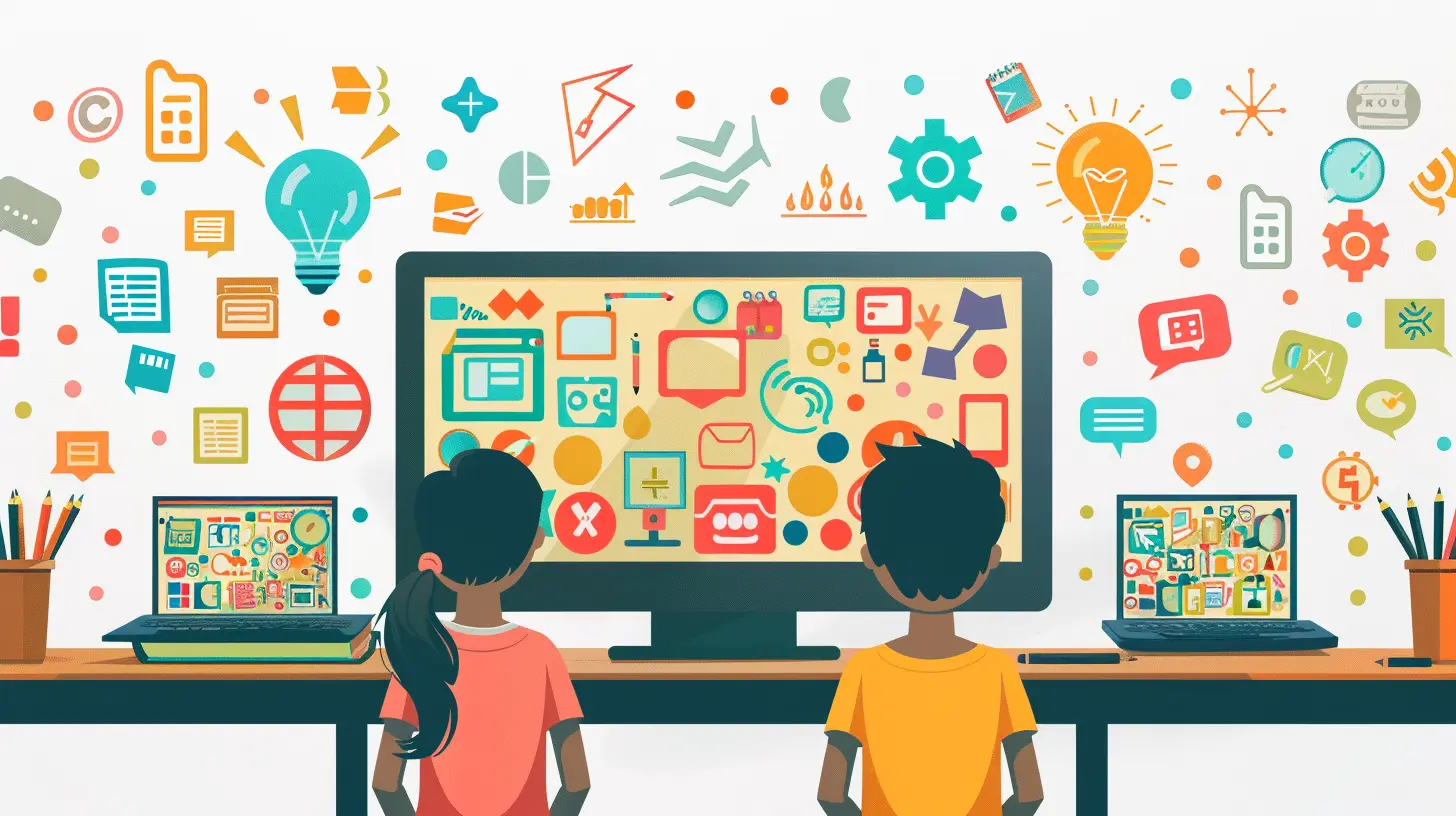
Strategies for Supporting Special Education in a Blended Learning Environment
Despite the challenges, blended learning can be a game-changer for special education if implemented thoughtfully. Here are some tried-and-true strategies to ensure every student thrives.1. Use Assistive Technology
Technology should be an enabler, not a barrier. Tools like speech-to-text software, audiobooks, screen readers, and communication apps can make online learning more accessible.- For students with dyslexia: Tools like Google Read&Write can help with reading and writing tasks.
- For visually impaired students: Screen readers like JAWS or VoiceOver make navigating digital content easier.
- For students with limited mobility: Adaptive keyboards and speech recognition software can aid in communication.
2. Offer Personalized Learning Paths
One of the biggest perks of blended learning is the ability to customize lessons based on a student’s needs. Special education students benefit from self-paced learning modules, recorded lectures, and interactive games.Try:
✅ Using adaptive learning platforms like Khan Academy or IXL.
✅ Creating individualized education plans (IEPs) that balance online and in-person learning.
✅ Letting students choose the format they learn best with—videos, text, or hands-on activities.
3. Ensure Strong Teacher-Student Interaction
A blended classroom shouldn’t mean less interaction. In fact, it should increase meaningful teacher-student engagement. Live sessions, video calls, and online check-ins provide essential guidance.Best Practices:
✔️ Schedule regular virtual meetings for personalized support.
✔️ Use discussion forums for students to ask questions anytime.
✔️ Provide real-time feedback to keep students on track.
4. Make Content Engaging & Interactive
Long blocks of text and static lessons can be overwhelming for special education students. Instead, make learning dynamic with interactive elements.Engaging Content Ideas:
🎥 Incorporate videos and animations to explain tricky concepts.
🎮 Use gamified learning to encourage participation.
📚 Introduce hands-on projects that bridge online and offline learning.
Remember, the more interactive the lesson, the better students will retain information!
5. Encourage Peer Interaction and Collaboration
Socialization is key, even in a blended environment. Special education students need plenty of peer interaction to develop communication and teamwork skills.Ways to Promote Socialization:
👥 Group projects that combine online and in-person collaboration.
🎙️ Virtual discussion groups where students can express their thoughts.
🎭 Role-playing exercises to build confidence in communication.
6. Provide Clear Structure & Routine
Many special education students thrive on structure. Unpredictable schedules and unclear expectations can lead to stress and anxiety.How to Add Structure:
📅 Use a consistent schedule for online and offline learning.
📝 Post clear instructions for each activity.
🔔 Set regular reminders and timers for tasks.
These small adjustments can make a big difference in helping students feel secure and focused.
7. Train Parents & Caregivers
Parents play a crucial role in a child's learning journey, especially in a blended environment. However, they often need a little support themselves!Simple Steps to Help Parents:
👩🏫 Provide short training sessions on using online platforms.
📘 Share easy-to-follow guides with troubleshooting tips.
📞 Set up a support system where parents can reach out for help.
When parents feel confident, they can better assist their children in navigating blended learning.
The Role of Teachers & Educators
Teachers are the backbone of any successful special education program. In a blended learning environment, their role shifts slightly but remains just as vital.👩🏫 How Teachers Can Make a Difference:
- Be flexible: Adapt lessons based on student progress.- Use multiple teaching methods: Combine visuals, audio, and hands-on activities.
- Provide emotional support: Some students may find online learning confusing or intimidating. Encouragement goes a long way!
- Offer one-on-one tutoring: Virtual or in-person sessions can help reinforce learning.
When teachers embrace blended learning with an open mind, they create an inclusive classroom where every student, regardless of ability, has a chance to shine.
Wrapping It Up
Blended learning isn’t just a trend—it’s the future of education. When we tailor it to meet the needs of special education students, we create a more inclusive, flexible, and effective learning environment.By combining the right tools, strategies, and teaching methods, we can ensure that all students, regardless of their learning challenges, thrive in both online and in-person settings.
At the end of the day, education isn’t about fitting students into a system—it’s about shaping the system to fit the students. With patience, creativity, and a bit of tech-savviness, we can make blended learning an enriching experience for everyone.
What are your thoughts? If you’re an educator or parent, how have you supported special education students in a blended classroom? Let’s chat in the comments below!
all images in this post were generated using AI tools
Category:
Blended LearningAuthor:
Bethany Hudson
Discussion
rate this article
2 comments
Tank McVicar
Fascinating insights! How can we further integrate personalized strategies in blended learning for diverse learners?
December 8, 2025 at 12:51 PM
Bethany Hudson
Thank you! Personalized strategies can be integrated by using adaptive learning technologies, regularly assessing individual progress, and encouraging student agency to tailor learning experiences to their unique needs and preferences.
Clarissa Lane
Unlocking potential in shadows: what hidden challenges lie beneath blended learning's surface?
December 5, 2025 at 3:40 AM
Bethany Hudson
Blended learning offers great potential for special education, but challenges such as accessibility, individualized support, and technology disparities often remain hidden beneath its surface. Addressing these issues is crucial for maximizing its benefits.