Teaching Environmental Advocacy: Giving Students a Voice
25 October 2026
Let’s be real for a second—our planet’s crying out for help. Climate change is no longer some distant storm on the horizon; it’s here, rumbling through wildfires, floods, and melting ice caps. So, who’s going to fix it? Politicians? Corporations? Sure, maybe. But what if the greatest hope we have lies in our classrooms—in the hearts and voices of our students?
Teaching environmental advocacy isn’t just another checkbox in a lesson plan. It’s a mission. It's about giving students the tools, the courage, and the platform to stand up and speak out for our planet. Not when they’re older—right now.
This article dives deep into how we, as educators, parents, and mentors, can empower students to become passionate defenders of the Earth. Ready to give young voices the mic? Let's go.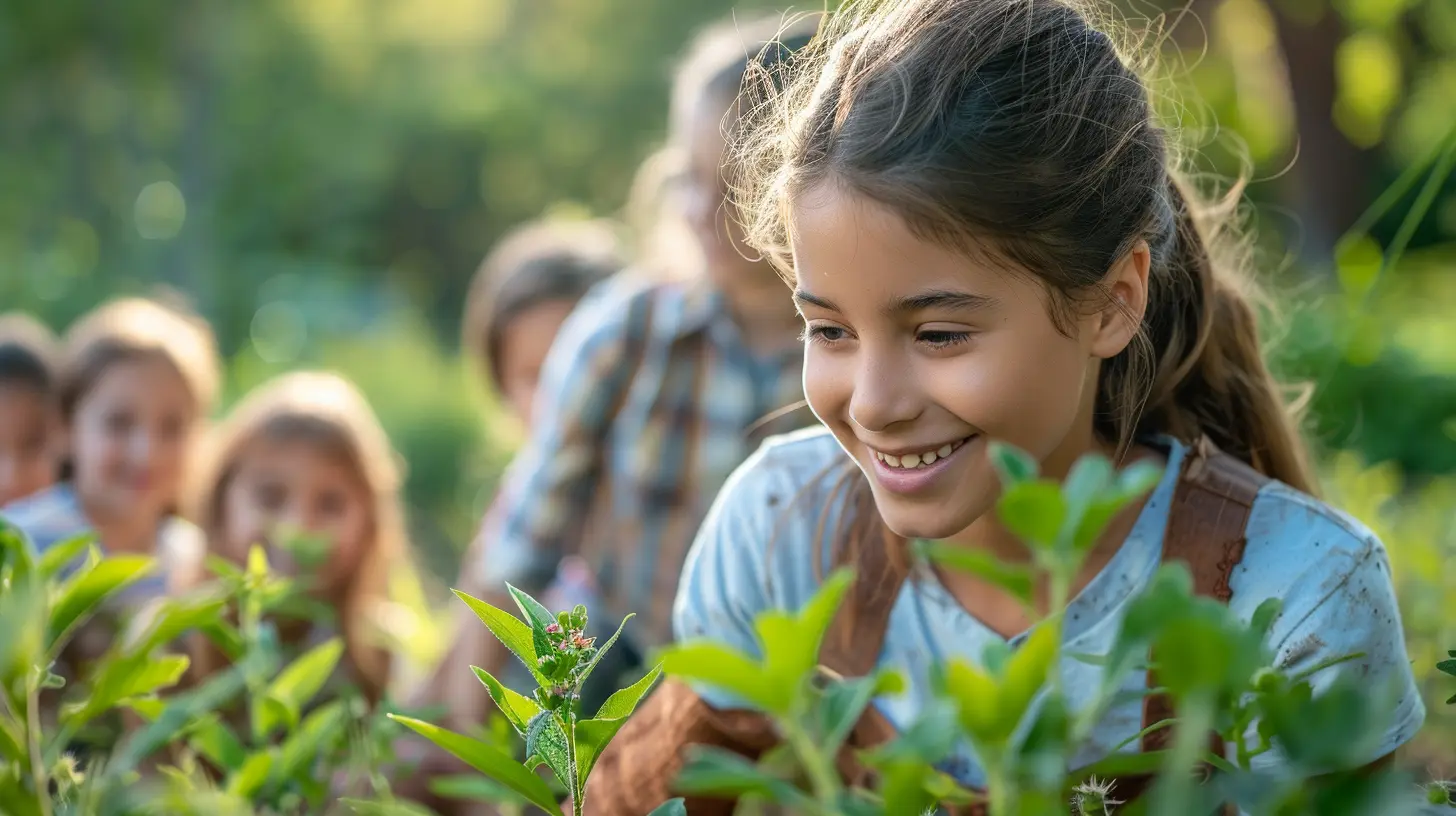
Why Environmental Advocacy Needs a Seat in Every Classroom
Let’s start with the basic truth—students care. They see what's going on. They scroll past disaster headlines on Instagram. They hear the anxiety in adult voices when we talk about future generations. And they want to do something.But here’s the catch: without guidance, all that care can just become silent worry. Teaching environmental advocacy turns passive awareness into action.
It’s More Than Science—It’s Social, Emotional, and Political
Environmental education isn't just a bunch of facts about recycling or carbon footprints. Sure, science is crucial, but advocacy ties in history, government, ethics, and even mental health. It helps students emotionally process what’s happening and channels their energy toward solutions rather than spirals of helplessness.When we teach them advocacy, we’re really teaching them how to own their power.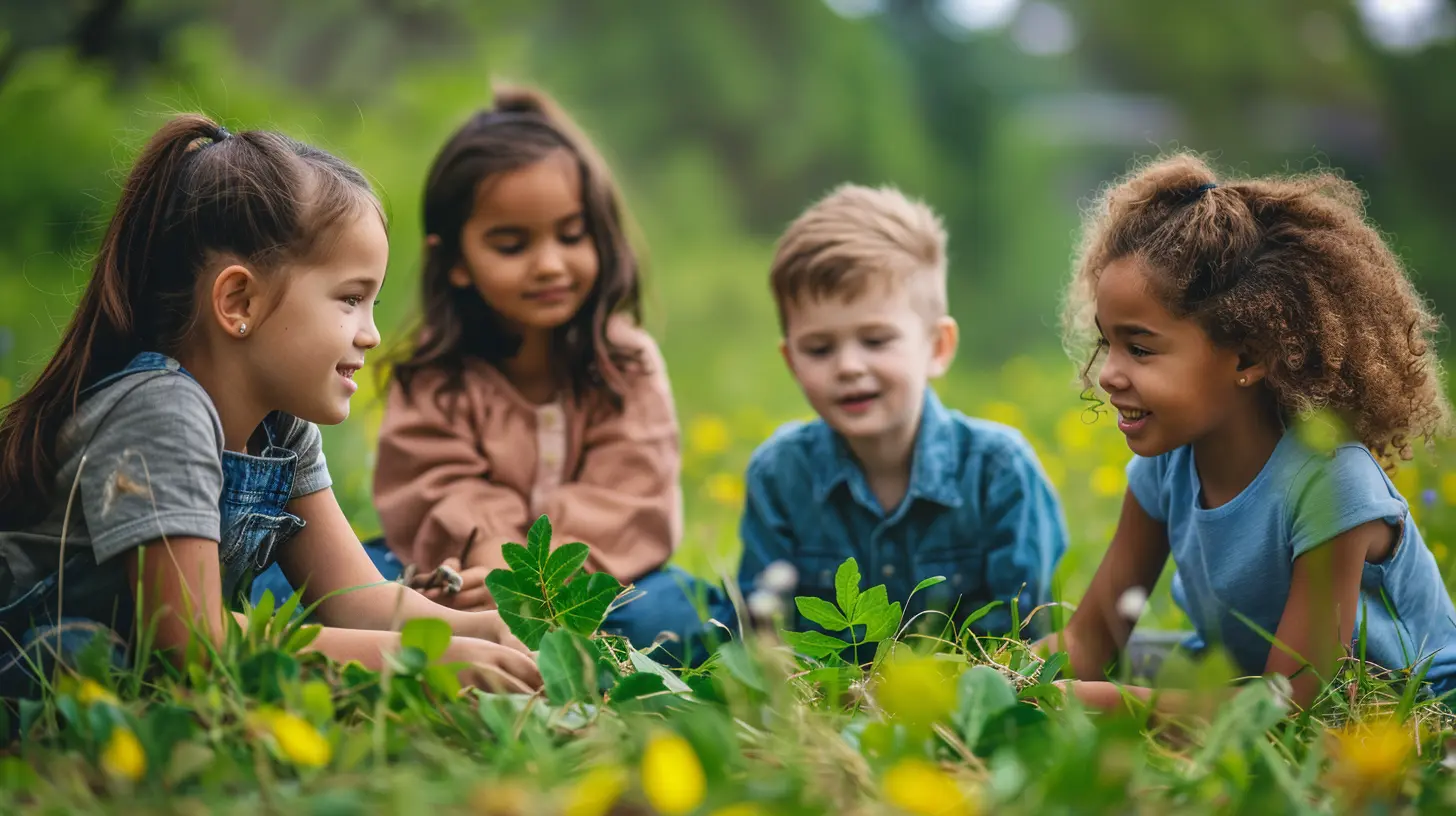
Start with the Heart: Building Empathy for the Earth
Let’s be honest—no one gets fired up to protect something they don’t love. Before you can teach students to advocate for the planet, you’ve got to help them feel connected to it.Bring Nature Into the Classroom
No, you don’t need a forest in the hallway. But even small changes make a big impact. Open the blinds, grow a class plant, share nature documentaries, or decorate the room with pictures of wild landscapes.Better yet—get outside. Nature walks, park cleanups, or even just sitting in the grass can ground students in the real, raw beauty of our Earth.
Share Emotional Stories
Facts matter, but stories change hearts. Share narratives of people affected by climate change—farmers struggling with drought, communities displaced by floods, or kids in other countries fighting for clean water.When students hear these real stories, they don’t just understand the issue—they feel it.
Fueling the Fire: Teaching the How-To of Advocacy
Once students care, they’ll crave a way to do something. This is where we step in with the tools.Teach the Power of Voice
Let them know their voice matters. Show them how youth-led movements—like Fridays for Future or Zero Hour—have sparked global attention. Help them believe that age doesn’t limit impact.Start Small, Think Big
Teach students that advocacy doesn’t have to mean marching in protests (unless they want to). It can be as small as writing a letter to a local official, starting a school recycling program, or hosting a climate-awareness day.Small actions are like sparks. Enough of them together? Wildfire.
Get Creative With It
Let students choose how they want to advocate. Maybe someone writes poetry about deforestation. Another creates an Instagram page about eco-friendly habits. One designs posters or writes news articles.Let them lean into their talents. Advocacy isn’t one-size-fits-all.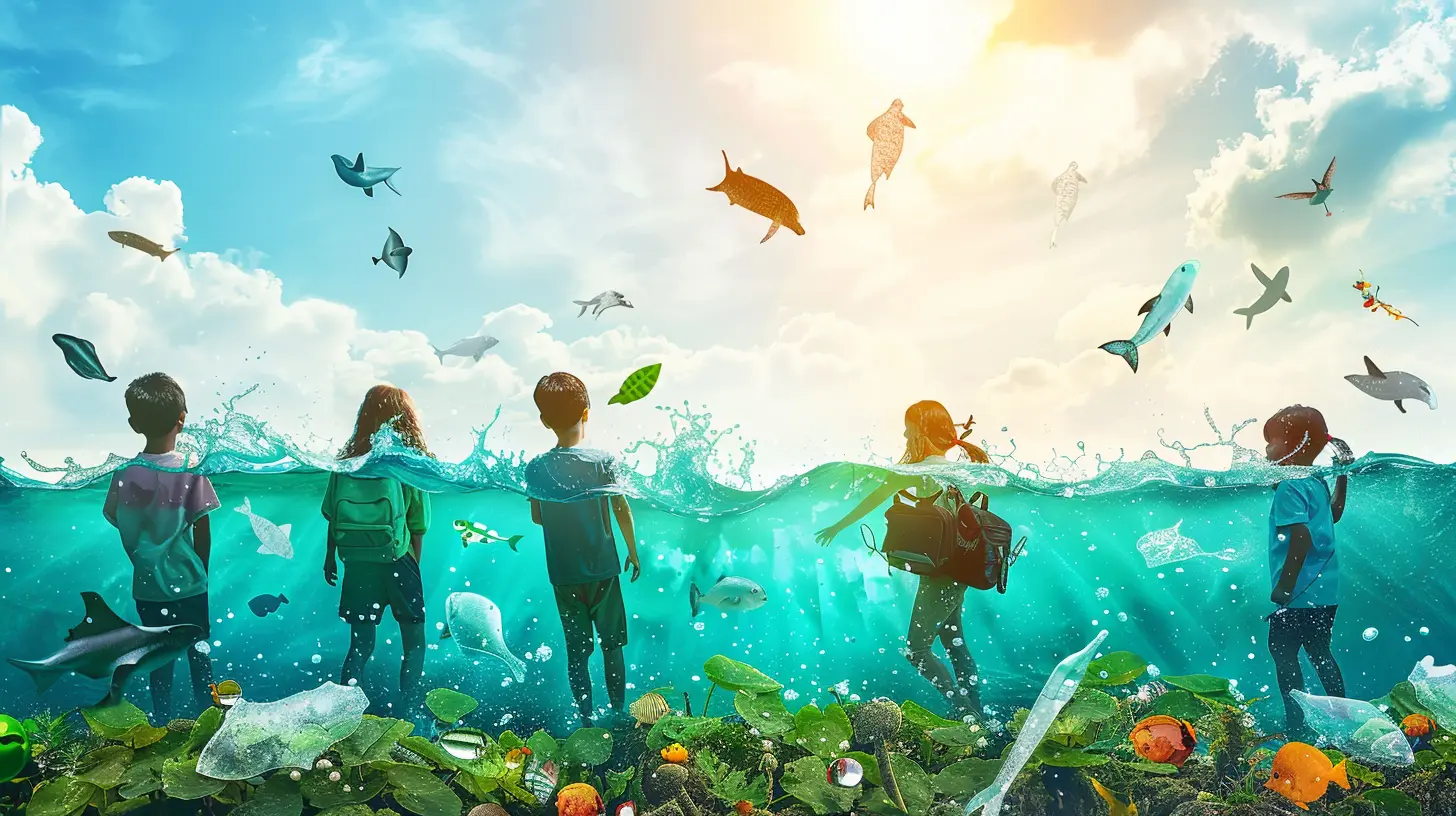
Integrate Advocacy Into the Curriculum (Yep, It’s Totally Doable)
You don’t need to gut your curriculum to make room for environmental advocacy. It can live inside your existing subjects.In English: Analyze Eco-Lit and Write Persuasively
Use literature like “The Lorax” or “Silent Spring.” Let students write their own environmental pieces—op-eds, blog posts, or speeches.In Science: Dive into Real Data
Explore climate graphs, pollution statistics, or biodiversity loss. Teach students how to research and interpret environmental data, then use it to build a case for action.In Social Studies: Examine Environmental Justice
Explore how marginalized communities are often hit hardest by environmental problems. Talk about environmental racism, policy change, and global inequalities.In Art: Make It Visual
Art is a powerful medium for advocacy. Let students paint, draw, sculpt, or even design infographics about environmental issues that touch their hearts.Make It Personal: Let Students Choose Their Cause
Here’s the deal—not every kid is going to care about the same issue. And that’s okay.Instead, give them options. Let them explore different topics: ocean plastic, endangered species, food waste, air pollution, green energy, fast fashion—you name it.
When they choose something that speaks to them, their passion becomes unstoppable.
Create a Safe Space for Tough Conversations
Environmental issues can be heavy. Climate anxiety? It’s real. Students can feel overwhelmed, scared, even hopeless.So be real with them. Acknowledge the fear, then guide them through it. Let them talk. Let them question. Let them cry if they need to.
Remind them: we don’t need one person doing everything perfectly. We need a whole lot of people doing something.
Empower Through Project-Based Learning
Wanna see students really take off? Hand them the reins.Let them design real-world projects with real impact. Think:
- Starting an eco-club at school
- Creating a community garden
- Hosting a climate film night
- Organizing a local clean-up event
- Launching a petition to ban single-use plastics in the school cafeteria
Let them brainstorm. Guide them. Cheer them on. Then stand back and watch what they build.
Connect With the Global Movement
Your classroom is a piece of the global puzzle. Help students see how they fit into the wider movement.Encourage them to:
- Join global campaigns (like Earth Day or World Environment Day)
- Connect with youth activists on social media
- Attend virtual summits or webinars
- Share their projects online and invite feedback
Let them see that they’re not alone in this fight—they’re part of a worldwide community that’s rising together.
Be the Role Model They Need
The truth? Students are always watching. If we ask them to care about the planet, we need to show that we do too.No need to be perfect. But do your best to:
- Reduce paper waste in class
- Bring reusable items
- Talk openly about your values
- Share your own struggles and efforts
Authenticity is powerful. When you walk the walk, they will too.
Celebrate the Wins (No Matter How Small)
Advocacy is hard work. Sometimes it feels like shouting into the void. So when students take action—any action—celebrate it.Throw a party for their project launch. Print certificates. Write positive notes home. Post their work on the school website.
Let them feel proud. Let them feel seen.
Prepare for Pushback (And Face It With Grace)
Not everyone will agree with your efforts. Some parents, administrators, or community members might question “getting political in the classroom.”Be ready. Keep your focus on education, not persuasion. Frame your teaching around environmental literacy, student empowerment, and civic engagement.
Stay grounded. Stay respectful. But don’t back down from giving students their voice.
Keep the Momentum Going
The final bell rings, the school year ends—but advocacy doesn’t stop. Keep the spark alive by:- Giving summer reading or research suggestions
- Encouraging continued projects
- Connecting students with local organizations
- Inviting them to mentor younger peers in future programs
You might be planting seeds whose blooms you won’t see for years. But those roots? They run deep.
The Future Has a Voice—Let’s Make Sure It’s Heard
Teaching environmental advocacy is more than a subject—it’s a movement. A movement where young people find their voice, hone their power, and fight for the future they deserve.They don’t need to wait until they’re grown-ups to make a difference. They don’t need permission to care. They need guidance, support, and the freedom to activate their passion.
So, teachers, mentors, and changemakers—let’s give them the mic. Let’s turn today’s classroom into tomorrow’s revolution.
Are you in?
all images in this post were generated using AI tools
Category:
Environmental EducationAuthor:

Bethany Hudson