Teaching Sustainability: Empowering the Next Generation
14 August 2026
Sustainability is no longer a buzzword—it’s a necessity. As the global population grows and resources dwindle, the responsibility to preserve our planet falls heavily on future generations. But how do we make sure they’re ready for the challenge? The answer lies in education.
Teaching sustainability is about more than just recycling or turning off the lights when leaving a room. It’s about embedding environmental consciousness into everyday life and equipping students with the skills they need to make informed decisions. In this article, we'll dive deep into why sustainability education matters, how to integrate it into the classroom, and how it can inspire students to take action for a better future.
Why Teaching Sustainability Matters
Building Environmental Awareness
Many students grow up unaware of the true impact human activity has on the planet. They may hear terms like "climate change" and "carbon footprint," but do they truly understand what they mean? Teaching sustainability bridges this knowledge gap, helping students connect the dots between their actions and the environment.For example, instead of just telling students that plastic pollution is a problem, educators can show them real-world consequences—images of marine animals tangled in plastic waste or data on microplastics in our food chain. When students see these direct effects, they begin to care on a deeper level.
Encouraging Critical Thinking and Problem-Solving
Sustainability challenges require innovative solutions. By incorporating sustainability into education, teachers encourage students to think critically and develop problem-solving skills.Imagine a classroom activity where students must design a sustainable city. They’ll have to consider renewable energy sources, water conservation, waste management, and green spaces. This kind of exercise forces them to apply their knowledge creatively and prepares them to tackle real-world problems.
Instilling Responsible Habits Early
The earlier children learn sustainable practices, the more likely they are to carry them into adulthood. Simple habits—such as reducing waste, conserving energy, and making eco-friendly choices—become second nature when introduced early.Schools can set an example by implementing sustainable practices, such as reducing paper usage, promoting reusable lunch containers, and starting composting programs. When children see these efforts in action, they’re more likely to adopt them in their own lives.
How to Integrate Sustainability into Education
Incorporating Sustainability Across Subjects
Sustainability education doesn’t have to be confined to science class. It can—and should—be woven into every subject:- Math: Teach students how to calculate carbon footprints or analyze data related to climate change.
- Literature: Read and discuss books about environmental issues, like The Lorax by Dr. Seuss or Silent Spring by Rachel Carson.
- History: Study the impact of industrialization, deforestation, and natural resource exploitation throughout history.
- Art: Create projects using recycled materials or depict environmental themes through painting and sculpture.
By integrating sustainability into different subjects, educators can show students that it’s relevant to all aspects of life.
Hands-On Learning and Outdoor Education
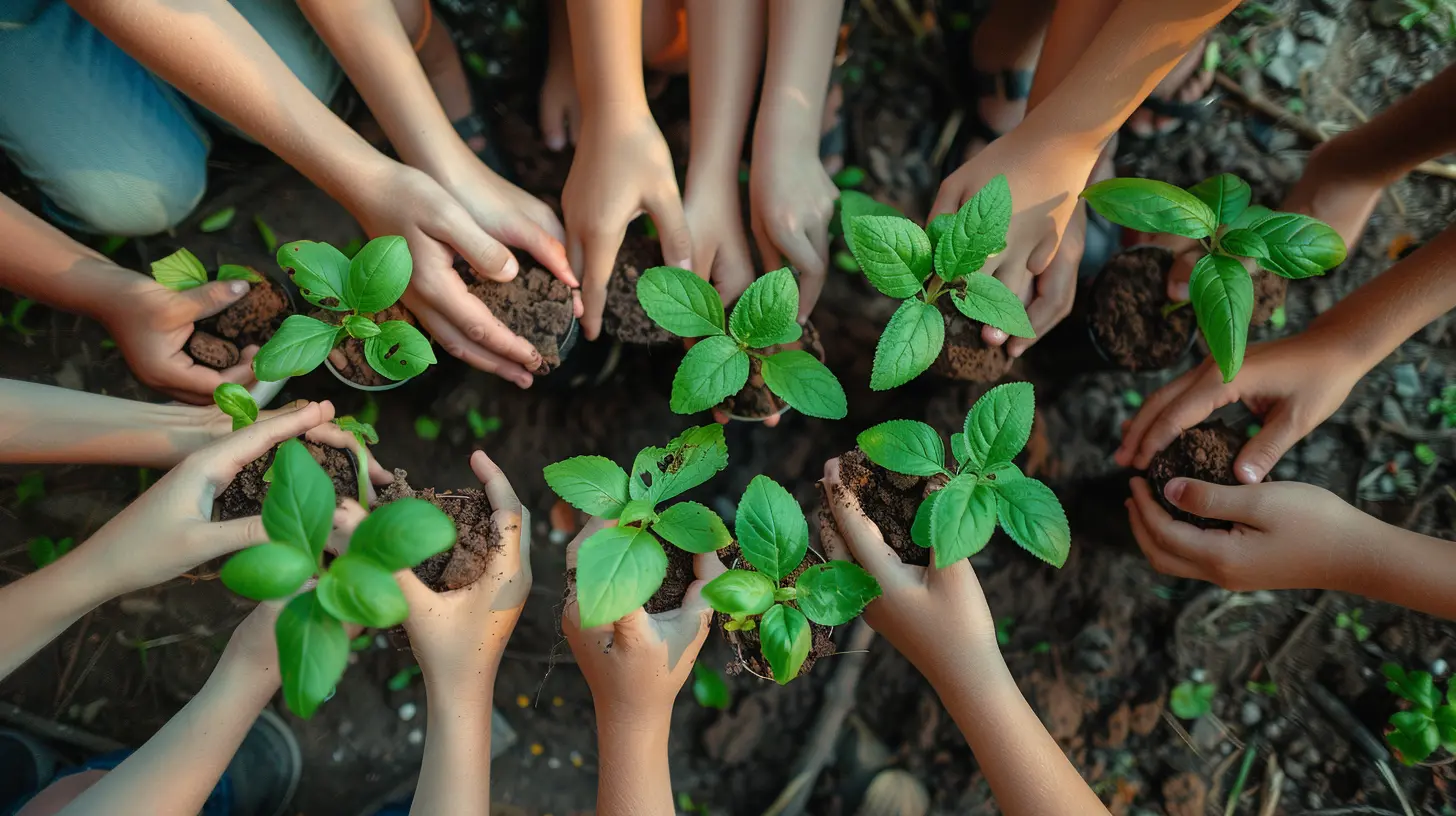
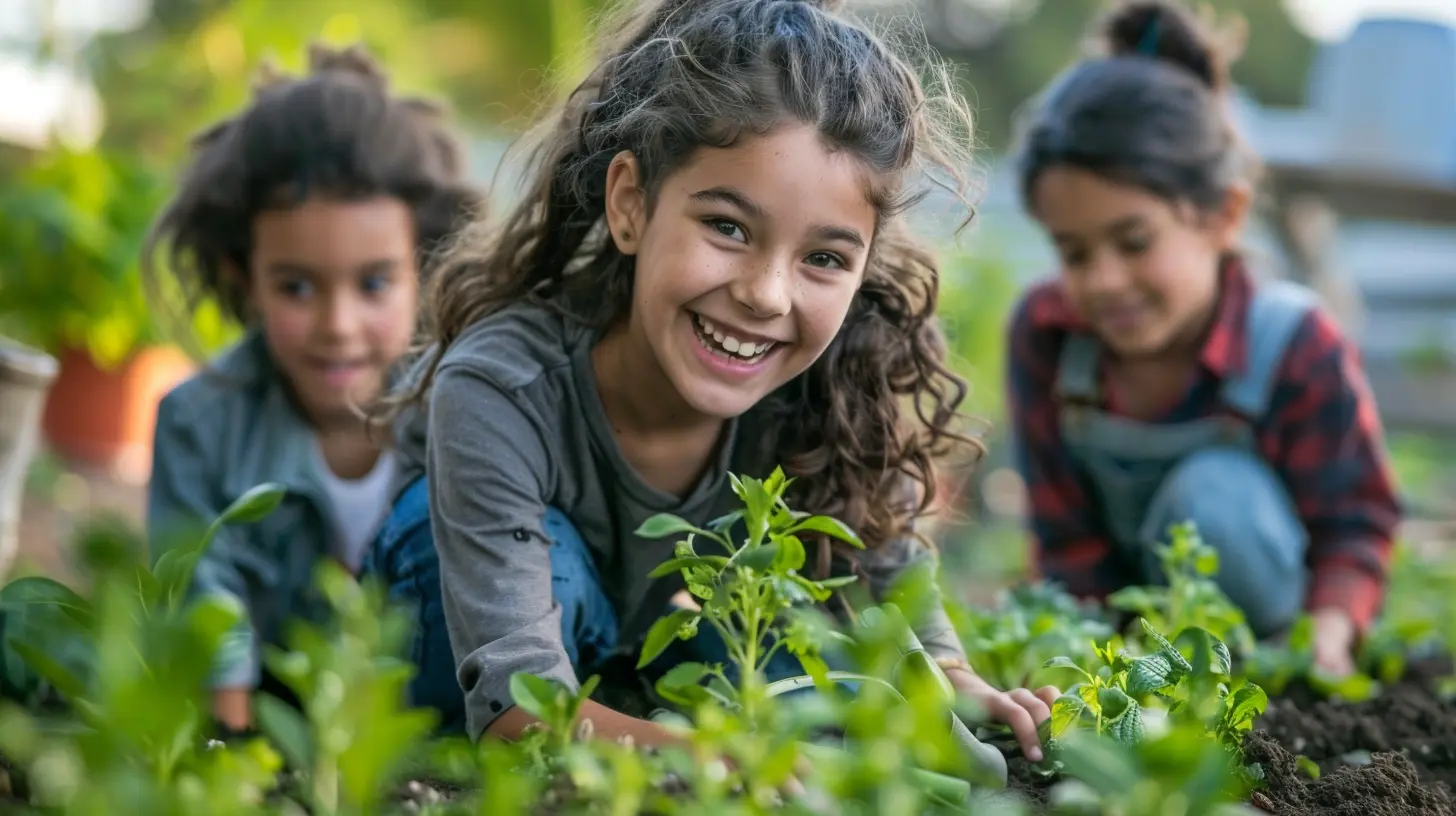
Learning about sustainability in a textbook is one thing—experiencing it firsthand is another. Taking students outside and engaging them in hands-on activities can make a lasting impact.- Gardening Programs: Schools can create vegetable gardens to teach students about food production, composting, and biodiversity.
- Field Trips: Visits to recycling centers, nature reserves, or organic farms can give students a tangible understanding of sustainability in action.
- Citizen Science Projects: Students can participate in local environmental initiatives, such as tracking wildlife, testing water quality, or planting trees.
These activities not only reinforce lessons but also give students a sense of responsibility and connection to their environment.
Promoting Sustainable Lifestyle Choices
Education should extend beyond the classroom and into daily habits. Schools can encourage students to adopt sustainable lifestyles by promoting small but meaningful changes:- Using refillable water bottles instead of disposable plastic ones
- Choosing reusable bags and containers for lunches
- Reducing food waste by only taking what they’ll eat
- Biking or walking to school instead of relying on cars when possible
When students see these behaviors normalized, they’re more likely to adopt them in their own lives.
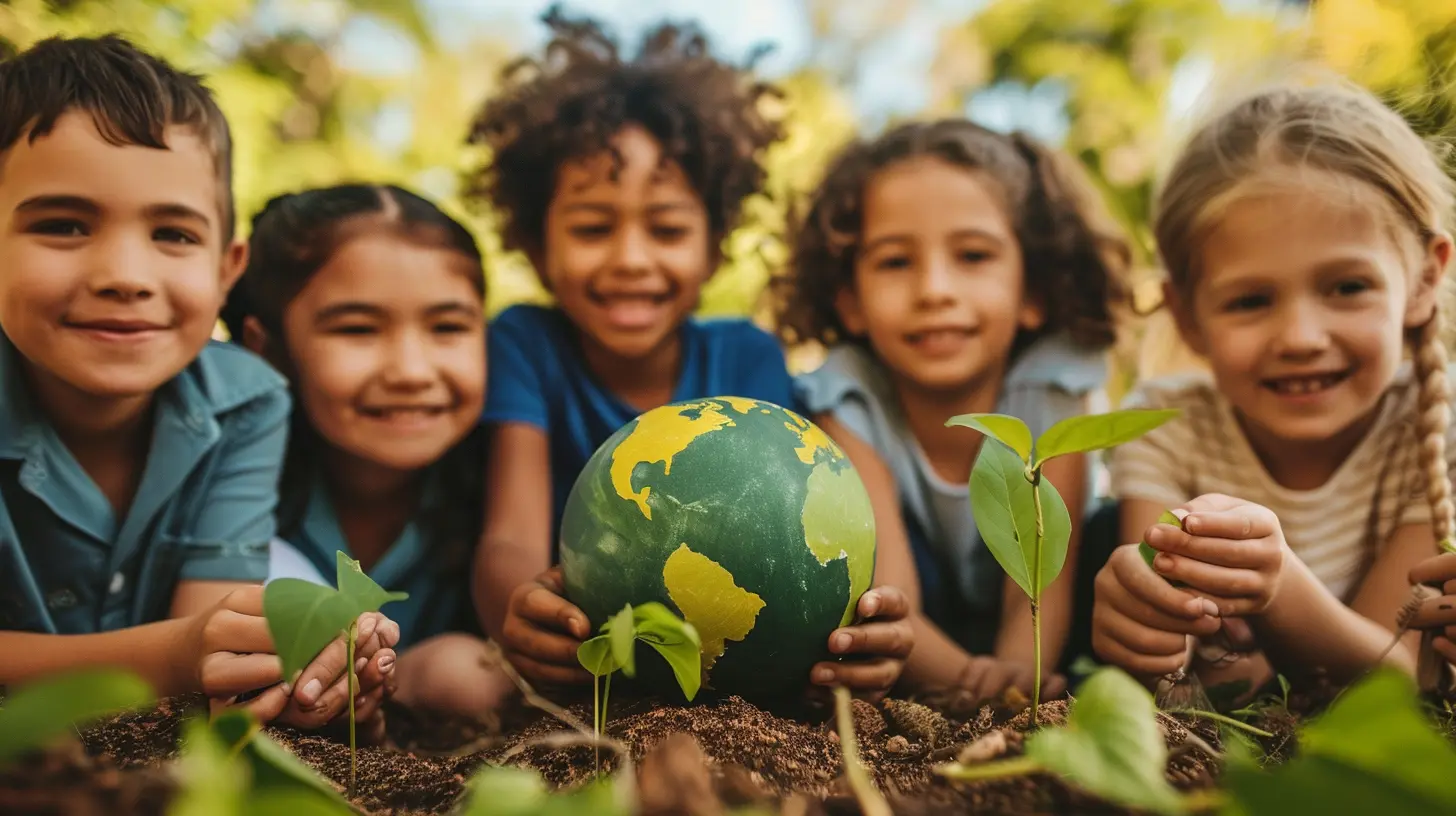
Inspiring Students to Take Action
Encouraging Student-Led Initiatives
One of the best ways to engage students in sustainability is to let them take the lead. When they feel like their voices matter, they’re more motivated to make a difference.- Green Clubs: Students can form environmental clubs that organize eco-friendly initiatives, like campus clean-ups and tree-planting events.
- Sustainability Challenges: Schools can host competitions, such as "Zero Waste Week," to promote awareness and action.
- Advocacy Projects: Older students can engage in activism by writing letters to policymakers or launching social media campaigns on sustainability issues.
Giving students the space to lead not only bolsters their confidence but also teaches them that they have the power to create change.
Leveraging Technology for Sustainability Education
Technology can be a powerful tool in sustainability education. From interactive apps to virtual reality experiences, digital resources can make learning about the environment more engaging.- Eco-Friendly Apps: Apps like "JouleBug" and "Oroeco" gamify sustainable living by rewarding eco-friendly choices.
- Virtual Field Trips: If in-person trips aren’t feasible, virtual reality can transport students to rainforests, coral reefs, and endangered habitats.
- Online Challenges: Students can participate in global sustainability challenges, tracking their progress and connecting with peers around the world.
By integrating technology, educators can make sustainability both fun and educational.
The Role of Educators and Parents
Teachers as Role Models
Students look up to their teachers, so educators must lead by example. Simple actions—bringing a reusable coffee cup, turning off unused lights, or biking to work—send a powerful message.Moreover, teachers should cultivate an open dialogue about sustainability, encouraging students to ask questions and challenge existing norms. A classroom culture that values curiosity and action can have a lasting impact.
Parental Involvement
Education doesn’t stop at school doors. Parents play a crucial role in reinforcing sustainable practices at home. Schools can involve families through:- Eco-friendly challenges that encourage sustainable actions at home
- Workshops and community events on sustainability topics
- Educational newsletters with tips for reducing waste and conserving energy
When students see sustainability embraced at home, they’re more likely to adopt these values permanently.
Conclusion
Teaching sustainability is about more than memorizing facts—it’s about fostering responsibility, creativity, and action. By integrating sustainability into education, we empower the next generation to protect the planet and drive meaningful change.Educators, parents, and students all have a role in this mission. Whether it’s through engaging lessons, hands-on experiences, or personal lifestyle changes, every small effort counts. The future of our planet depends on the knowledge and actions of today’s learners. Are we ready to give them the tools they need?
all images in this post were generated using AI tools
Category:
Environmental EducationAuthor:

Bethany Hudson
Discussion
rate this article
2 comments
Maxine Griffin
Empowering youth in sustainability is crucial for future resilience.
August 24, 2026 at 2:27 AM
Bethany Hudson
Absolutely, empowering youth in sustainability is key to building a resilient future. Their actions today shape our world tomorrow.
Makayla McGill
This article captures the essence of nurturing a sustainable mindset in our youth. It is inspiring to see how educators can empower the next generation to take meaningful action. Together, we can instill hope and responsibility for a healthier planet in all our students.
August 18, 2026 at 12:30 PM
Bethany Hudson
Thank you for your thoughtful comment! I'm glad the article resonated with you. Together, we can truly make a difference in shaping a sustainable future for our youth.