The Benefits of Regular Safety Training for School Staff
10 July 2026
Let’s be real—schools are meant to be safe spaces. Kids are supposed to learn math, not emergency protocols, and teachers should focus more on lesson plans than lockdown drills. But, we live in a complex world, and let’s face it—things happen. From minor injuries on the playground to major emergencies like fires or intruders, school staff need to be prepared. And that’s where regular safety training steps in.
Now, regular safety training might sound like another box to tick off, but stick with me. It’s actually a game-changer—not just for the staff but for the kids, too.
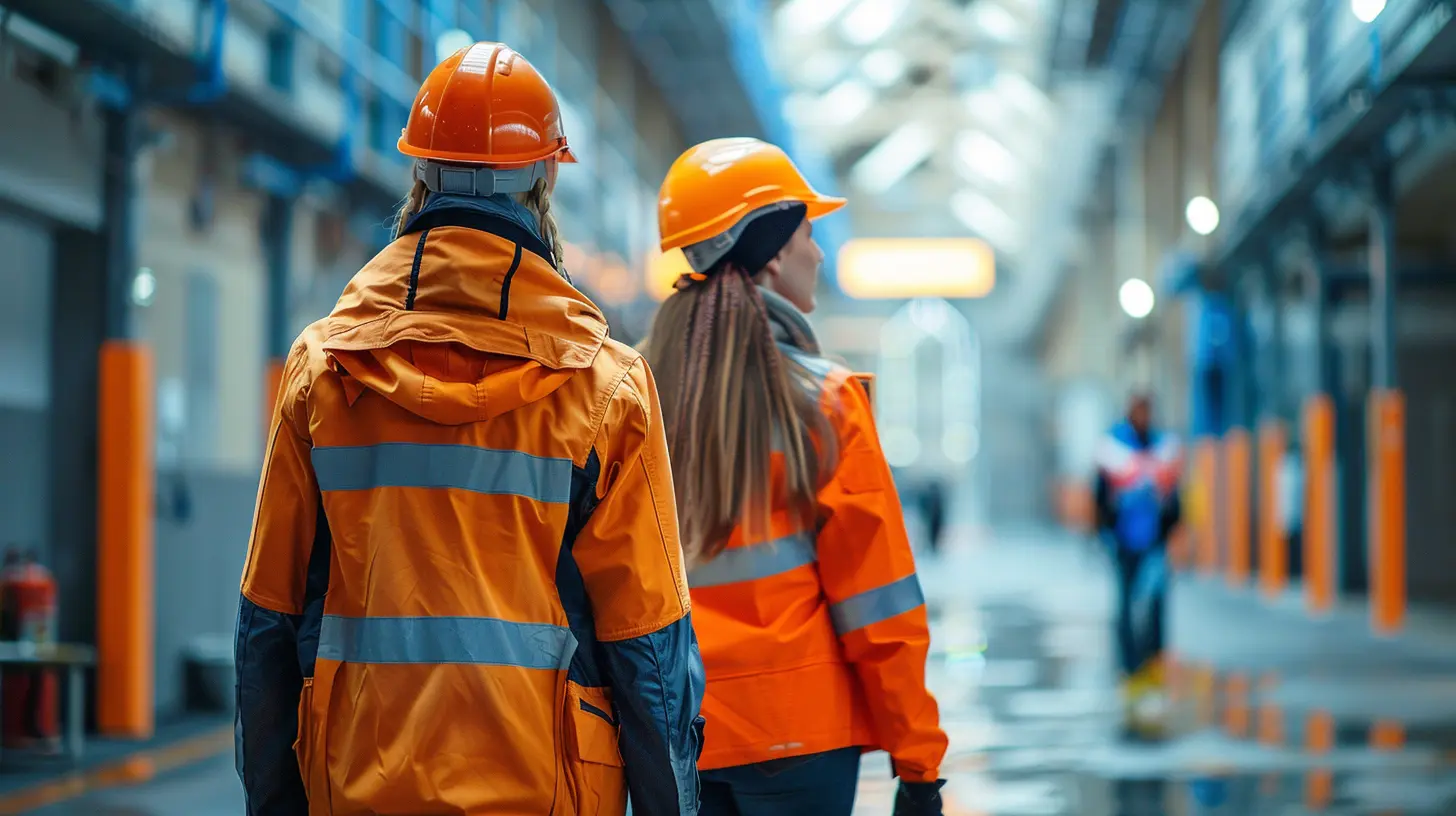
Why Safety Training Should Be More Than Just an Annual Check-In
You know how your phone needs regular updates to perform its best? Safety training works the same way. Doing it just once isn’t enough. Protocols change. New threats emerge. People forget things (we're all human, right?). That’s why it needs to be a regular, ongoing thing.Staying Sharp in an Emergency
Let’s be honest—no one thinks clearly when panic kicks in. When there's a fire alarm blaring or a student has a medical emergency, adrenaline takes over. Regular safety training helps staff react on instinct rather than freeze in fear. Think of it as muscle memory—it kicks in when you need it most.Creating a Culture of Preparedness
People often say “culture eats strategy for breakfast.” When safety becomes part of your school's everyday culture, it becomes second nature. Teachers feel more confident. Students feel more secure. And parents? Well, they can breathe a little easier knowing their child's school takes safety seriously.
What’s Included in Safety Training? (Hint: It’s More Than Just Fire Drills)
Safety training isn’t all about flashing lights and evacuation routes. It’s a mix of practical skills, strategic planning, and even emotional education. Here’s a rundown of just some of the areas it can cover:Emergency Response Drills
Fire drills, lockdowns, and evacuations fall into this category. Staff need to know their roles—who does what, who checks the classrooms, where to go. Rehearsing these things is crucial. If it sounds repetitive, good. That’s the point.First Aid and CPR Training
Got a staff member who knows CPR? That’s peace of mind right there. Choking hazards, allergic reactions, playground accidents—these things happen. Fast response can make all the difference. Regular training ensures those lifesaving skills don’t fade over time.Mental Health Awareness
Let’s not forget the emotional side of safety. Recognizing signs of anxiety, depression, or bullying is just as vital as knowing where the fire extinguisher is. Trained staff can be the lifeline a struggling student needs.Conflict De-escalation Techniques
Sometimes, it’s not about emergencies—it’s about everyday challenges. A student has a meltdown, or two kids get into a heated argument. Training in conflict resolution and de-escalation techniques can prevent situations from escalating into something more serious.Handling Visitors and Intruders
We all want schools to be open and welcoming. But they also need to be secure. Staff should know how to handle unfamiliar visitors, what to do if someone suspicious enters school grounds, and how to communicate effectively in these situations.
Tangible Benefits Of Regular Safety Training (Beyond the Obvious)
Alright, so we've talked about what safety training includes, but let’s dive into what this actually means in real-world terms. The benefits go way beyond the classroom.1. Faster Reaction Times
Time is everything in an emergency. With regular training, staff don’t waste precious minutes figuring things out. They know the routes, the procedures, and the protocols like the back of their hand.Ever timed how long it takes to tie a shoelace when you're calm versus when you're in a rush? That’s the difference training makes.
2. Reduced Accidents and Injuries
Prevention is the best protection. When staff know how to spot risks—like a slippery floor or a poorly stored science lab chemical—they can act before accidents happen. That means fewer injuries, fewer disruptions, and way fewer panic calls home.3. Improved Staff Confidence
There’s something empowering about knowing what to do in a crisis. Teachers and staff feel more in control and less anxious. That confidence trickles down to the students, making the whole school environment more stable.4. Legal and Insurance Perks
Yep, there are practical advantages too. Schools with a solid safety training program are less likely to face lawsuits or insurance issues. Plus, showing that training is a regular, structured thing helps if questions ever arise after an incident.5. Better Communication in Crises
When everyone’s trained, everyone knows the lingo. There’s less chaos and more coordination. It’s kind of like a football team—all players need to know the game plan if they want to score a touchdown, right?
Consistency is Key: Why Ongoing Training Beats One-and-Done
One-and-done training is like taking one piano lesson and expecting to play Beethoven. It’s not how learning—or safety—works.Information Gets Forgotten
Do you remember the fire safety tips you learned five years ago? Probably not. Without regular refreshers, knowledge fades. Regular training helps fight this natural “forgetting curve.”Staff Turnover is Real
Schools have staff come and go all the time. That means new people may not know the ropes. Ongoing training makes sure everyone stays on the same page—even the newbies.Policies and Threats Change
Ten years ago, cybersecurity wasn’t a major concern. Now, it's a huge one. Safety training needs to evolve with the times. Keeping it regular means staying relevant.Addressing the "But We Don’t Have Time" Argument
Look, educators are busy. Between grading papers, running clubs, and you know—teaching—there’s hardly time to breathe. So, adding more training might seem impossible.But here’s the thing: it doesn't have to be a big time-suck. Safety training can be split into bite-sized sessions. Online modules, lunchtime discussions, brief morning drills—it’s all about being flexible and intentional.
Think of it like brushing your teeth. You don’t skip it just because you’re busy—you find a way to fit it in because it's too important to miss.
Making Safety Training Engaging (Yes, It’s Possible!)
No one wants to sit through a snooze-fest PowerPoint. But training doesn’t have to be boring.Use Real-Life Scenarios
Run drills based on things that have actually happened in schools. Real stories grab attention and make the lessons stick.Gamify It
Quizzes, escape room-style drills, friendly competitions—you’d be amazed what people can learn when they’re having fun.Encourage Team Involvement
Let different staff members lead sessions. It creates a sense of ownership and keeps the content fresh.Impact on Students: A Ripple Effect of Calm and Confidence
When staff are well-trained, students benefit in big ways—some subtle, some not so subtle.They Feel Safer
Even if kids don’t understand every protocol, they can spot when adults are calm and in control. That sense of security helps them focus on learning, not worrying.They Learn by Example
Students watch how adults handle tough situations. Staff who stay composed and knowledgeable during emergencies are modeling resilience and responsibility.They Receive Quicker Help
Whether it’s a scraped knee or an emotional breakdown, kids get the support they need faster when staff know what they’re doing.Final Thoughts: Safety Training is an Investment, Not a Chore
Look, we all hope emergencies never happen. But hoping isn’t a strategy. Regular safety training is one of the most effective ways to protect everyone on campus—and it's worth every second.Think of it like a seatbelt. You wear it without thinking, not because you expect a crash, but because you know it could save your life if one happens.
So, the next time someone asks whether your school really needs regular safety training, the answer is simple: Absolutely.
Because when it comes to our schools, safety isn’t optional—it’s essential.
all images in this post were generated using AI tools
Category:
School SafetyAuthor:

Bethany Hudson
Discussion
rate this article
1 comments
Graham McVaney
Great insights! Regular safety training keeps our school community secure and boosts confidence among staff and students.
July 14, 2026 at 4:25 AM