The Connection Between Classroom Management and Student Achievement
2 March 2026
Classroom management—it's the backbone of every successful learning environment. Yet, many educators underestimate just how deeply it impacts student achievement. Imagine a chaotic classroom where students are constantly distracted, off-task, and disengaged. Now, picture a structured yet dynamic space where students thrive, participate, and excel. The difference? Rock-solid classroom management.
In this article, we'll break down how effective classroom management directly influences student success, the key strategies teachers can use, and why structure and discipline don’t mean sucking the joy out of learning. Let’s dive in! 
Why Classroom Management Is the Secret Sauce to Student Success
Think of a classroom like a well-oiled machine—every part needs to function smoothly to keep things running. If a teacher spends half their time managing disruptions, there’s less time for meaningful instruction. And less instruction? That’s a one-way ticket to lower student performance.Effective classroom management isn’t about strict rules and punishments; it’s about creating an environment where students feel safe, respected, and motivated to engage. When there’s consistency, structure, and positive reinforcement, students absorb more, stay focused longer, and actually enjoy learning. 
How Poor Classroom Management Wreaks Havoc on Student Achievement
Let’s be real—when a classroom is in chaos, learning takes a backseat. Here’s what happens when management is weak:1. Constant Disruptions = Less Learning Time
If students are constantly talking over the teacher, engaging in side conversations, or walking around aimlessly, instructional time shrinks. Teachers end up spending more time correcting behavior than actually teaching.
2. Lower Student Engagement
Without clear expectations, students don’t feel accountable. They may disengage, stop participating, or even act out simply because they don’t know what’s expected of them.
3. Increased Stress for Everyone
A mismanaged classroom is stressful—not just for teachers, but for students too. When students don’t feel in control of their environment, anxiety rises. And stress? It’s a major roadblock to learning.
4. Widening Achievement Gaps
The students who crave structure and support the most—often those from disadvantaged backgrounds—suffer the most in poorly managed classrooms. Without proper guidance, they fall further behind academically. 
Classroom Management Strategies That Drive Student Achievement
So, what does great classroom management look like? It’s not just about keeping students quiet; it’s about fostering an environment that supports focus, creativity, and productivity. Here are some key strategies that make a real difference:1. Establish Clear Rules and Expectations from Day One
The first week of school sets the tone for the rest of the year. Teachers who clearly communicate expectations for behavior, participation, and respect create a structured environment where students understand what’s expected of them.> Pro Tip: Make rules simple, clear, and easy to follow. Instead of a long list of "Don'ts," focus on "Do’s," like “Raise your hand before speaking” instead of “Don’t interrupt.”
2. Build Strong Relationships with Students
Students are far more likely to respect a teacher who genuinely cares about them. Getting to know students on a personal level creates trust, making classroom discipline more effective.> Analogy: Think of a great coach—one who pushes their team hard but also motivates and supports them. That’s the kind of teacher students respect and respond to.
3. Use Positive Reinforcement
Rather than just punishing bad behavior, reward good behavior. Praise students when they participate, stay focused, or help others. Small gestures—like a “Great job!” or a high-five—go a long way in reinforcing positive actions.> Example: A teacher who acknowledges a student’s effort instead of just their success builds confidence and motivation.
4. Keep Lessons Engaging and Interactive
Bored students become disruptive students. Engaging lessons keep students involved, reducing the likelihood of distractions. Incorporating hands-on activities, group discussions, and real-world applications makes learning exciting.> Pro Tip: Vary instructional methods—mix lectures, group work, multimedia, and interactive activities to keep students engaged.
5. Implement Consistent Discipline Strategies
Consistency is key. If rules are only enforced sometimes, students will push boundaries. Effective teachers maintain consistency in enforcing consequences, ensuring fairness and predictability.> Example: If one student gets a warning for talking out of turn, but another gets sent out of class for the same behavior, students will see the inconsistency and push back.
6. Create a Classroom Routine
A structured, predictable routine eliminates uncertainty and keeps the day flowing smoothly. When students know what to expect, transitions between activities become seamless, reducing downtime and distractions.> Example: Start each class with a quick warm-up activity while attendance is taken to immediately engage students.
7. Handle Disruptions Swiftly and Calmly
Address minor disruptions before they escalate. A simple nonverbal cue, like eye contact or a hand signal, can stop small behaviors without disrupting the flow of the lesson.> Analogy: Think of it like steering a ship—small course corrections early on prevent major storms later. 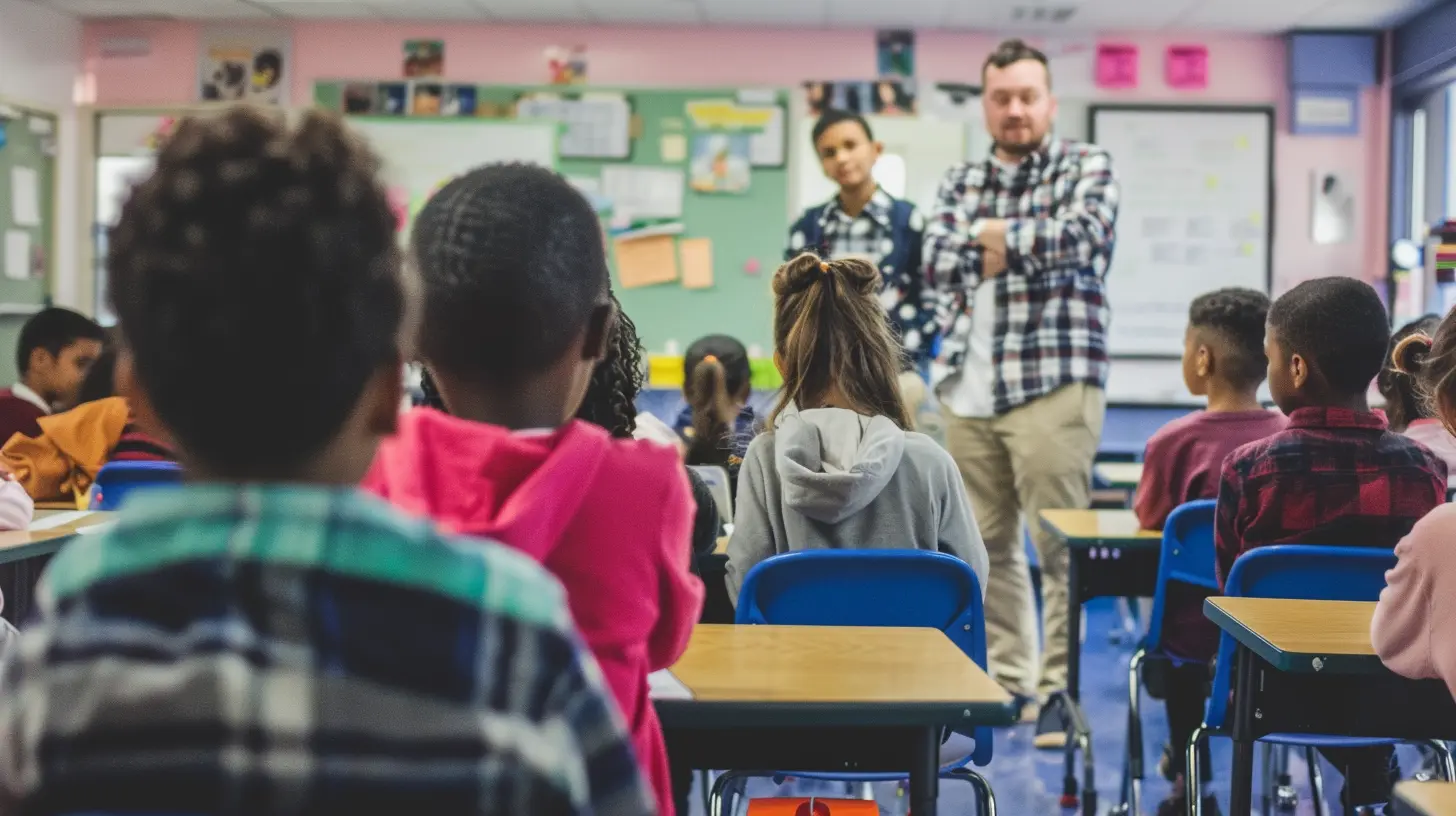
The Long-Term Impact of Effective Classroom Management
It’s not just about maintaining order for the day or the week—strong classroom management shapes students’ academic futures. Here’s how:- Higher Academic Achievement – When students are focused and engaged, they retain more information and perform better on assessments.
- Improved Social Skills – Structured environments teach students respect, responsibility, and cooperation—skills they’ll use far beyond the classroom.
- Greater Confidence and Independence – When students know their boundaries and expectations, they become more self-motivated and accountable for their own learning.
- Reduced Teacher Burnout – Let’s not forget about the teachers! Managing a well-behaved classroom is far less stressful, allowing educators to focus more on teaching and less on discipline.
Final Thoughts: It’s All Connected
Classroom management and student achievement aren’t separate issues—they’re two sides of the same coin. A well-managed classroom creates an environment where students can truly thrive, while a chaotic one holds them back.For teachers, mastering classroom management is like mastering an art. It takes patience, consistency, and a deep understanding of student behavior. But when done right? It transforms learning from a struggle into a success story.
So, whether you’re a teacher looking to refine your approach or a parent wondering how classroom dynamics affect your child, remember this: a well-managed classroom isn’t just about control. It’s about creating the perfect conditions for learning, growth, and success.
all images in this post were generated using AI tools
Category:
Classroom ManagementAuthor:

Bethany Hudson
Discussion
rate this article
2 comments
Haze Reilly
Effective classroom management fosters a positive learning environment, directly influencing student engagement and achievement outcomes.
March 20, 2026 at 1:57 PM
Bethany Hudson
I completely agree. When classroom management is effective, it sets the stage for students to thrive and engage, ultimately enhancing their learning outcomes.
Damon James
Thank you for highlighting the crucial link between classroom management and student achievement. Your insights emphasize the importance of creating a supportive learning environment.
March 2, 2026 at 4:28 AM
Bethany Hudson
Thank you for your thoughtful comment! I'm glad you found the connection between classroom management and student achievement valuable. Creating a supportive environment is key to fostering student success.