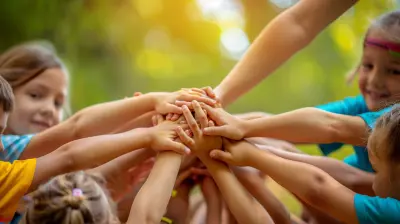
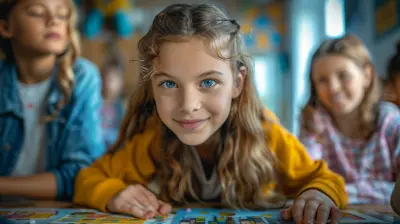
The Connection Between Collaborative Learning and Student Resilience
17 February 2026
Let’s face it—school is tough. From overwhelming homework assignments to nerve-wracking exams and constant pressure to succeed, students today face their fair share of academic and emotional challenges. So, how do some students bounce back stronger while others struggle to stay afloat?
The answer might lie in something you don’t expect: working together.
Collaborative learning, also known as group-based learning or peer learning, isn't just about sharing notes or splitting up a group project. It’s a powerful educational approach that builds more than just academic knowledge. It builds resilience—that inner grit, that bounce-back ability that helps students tackle learning roadblocks, social pressures, and the stress that comes with being a student in today’s world.
In this piece, we’re diving deep into the connection between collaborative learning and student resilience. Grab a seat, because this is going to change the way you look at group work forever.
What is Collaborative Learning, Really?
Let’s break it down. Collaborative learning isn't just sitting in a group and chatting. It’s a structured form of learning where students actively engage together, with each person bringing something valuable to the table. Think of it like a potluck dinner—everyone contributes something, and together, you feast.This approach encourages dialogue, mutual support, and shared problem-solving. The teacher steps back a bit, playing more of a facilitator's role, while students become co-creators of their learning experience.
Have you ever had a moment where a peer explained something better than a textbook ever could? That’s collaborative learning in action.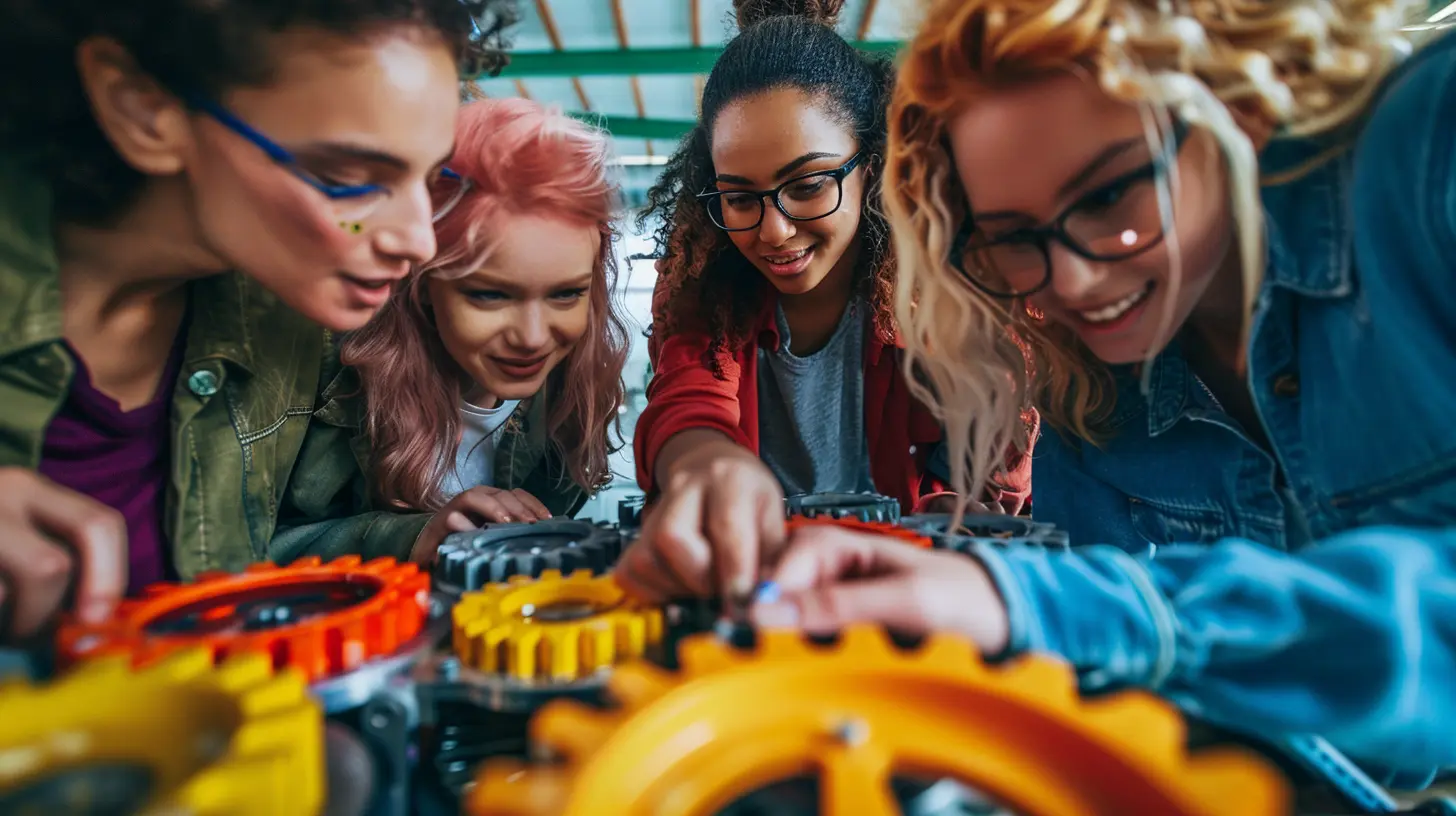
What Do We Mean by Student Resilience?
Now, resilience—what does that even mean in a classroom setting?In simple terms, student resilience is the ability to cope with setbacks, adapt to changes, and keep going despite challenges. It’s not about never failing; it’s about rising every time you do. Imagine resilience like a muscle; the more you exercise it, the stronger it gets.
In the academic world, a resilient student doesn’t crumble under the pressure of a failed test. Instead, they analyze what went wrong, bounce back, and try again with more determination. This mental toughness is essential not only for school success but also for life beyond the classroom.
So, Where’s the Connection?
Here’s where the magic happens.Collaborative learning naturally creates the kind of environment that fosters and strengthens resilience. When students work together, something shifts—empathy develops, problem-solving deepens, and emotional intelligence grows. They no longer face academic challenges alone. Instead, they face them side-by-side with peers who can motivate, empathize, and uplift.
Let’s break this connection down even further.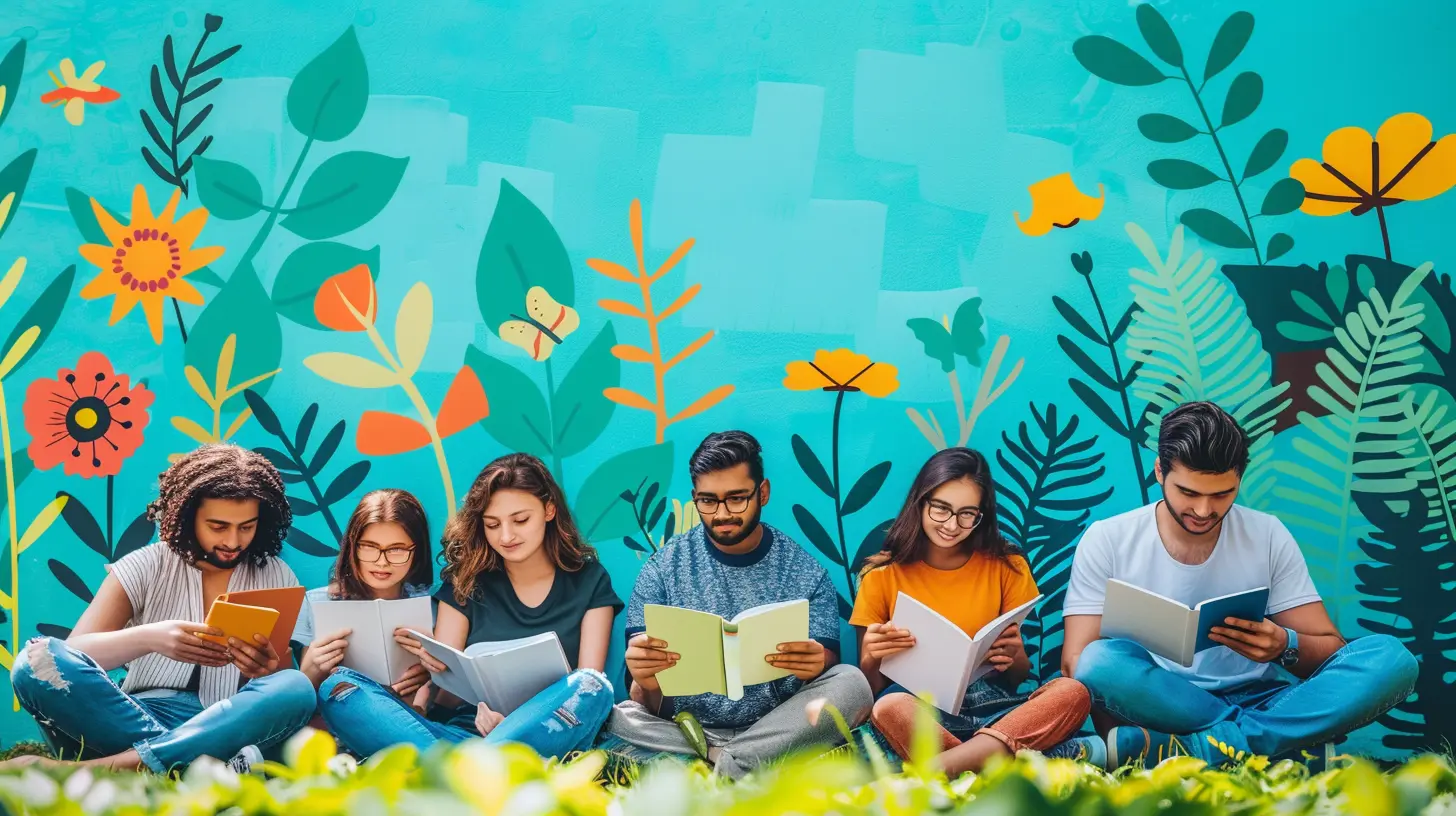
1. Shared Struggles = Shared Strength
Ever notice how struggling alone feels heavier than struggling with a friend?When students engage in collaborative learning, they quickly realize that they’re not the only ones who find things difficult. Whether it’s grasping a new concept in math or navigating a confusing essay prompt, working with others helps normalize the struggle.
Knowing that others are in the same boat builds a sense of solidarity. And guess what? That shared experience boosts confidence and makes it easier to bounce back after setbacks.
2. Peer Support Builds Emotional Safety
You can’t talk about resilience without talking about emotional safety. When students feel safe—emotionally and socially—they're more likely to take risks, speak up, and stretch beyond their comfort zones.In a collaborative setting, students get to know each other. They listen, they empathize, and they respect different perspectives. This creates a safe, encouraging space, where making mistakes isn't something to be feared but is seen as part of the journey.
And when students feel safe, resilience grows. They become more willing to fail, knowing they won’t be ridiculed or judged. That’s powerful.
3. Problem-Solving Together = Stronger Grit Muscles
Here's the thing—resilience isn't just emotional. It’s also cognitive. And collaborative learning is like a brain gym.When students work in groups, they face all kinds of problems and challenges that require cooperative thinking, creativity, and persistence. They learn to listen, negotiate, compromise, and most importantly, persist.
Even when the group hits a wall (and trust me, they will), the process of finding a solution as a team builds grit. It’s like leveling up in a video game—you fail a few times, learn the pattern, and finally beat the boss level.
4. Learning to Lead and Follow
One of the coolest things about collaboration? Students take turns stepping up and stepping back. One moment they’re explaining a concept, and the next, they’re listening and learning.This switching of roles fosters humility and confidence, two traits that are critical for resilience. Students learn that it’s okay not to know everything and that they can contribute even if they’re not the best at something.
That kind of mindset is gold when it comes to bouncing back from adversity.
5. Feedback in Real-Time
In typical learning, feedback often comes late—from a teacher, days after an assignment. In collaborative learning, feedback is instant and ongoing. Peers ask questions, offer insights, or help reframe a problem right there in the moment.This real-time feedback loop means students are constantly adapting, improving, and rethinking their strategies. It helps foster a growth mindset—another core ingredient in building resilience.
6. Social Connection = Emotional Resilience
Let’s not underestimate the power of human connection. We’re social creatures, after all. When students form bonds with peers, they build a support network they can lean on during academic stress, personal struggles, or just bad days.These relationships, formed through collaboration, act like emotional anchors. Just knowing that someone has your back can make all the difference in how a student processes and overcomes challenges.
7. Exposure to Diverse Perspectives Builds Mental Flexibility
Resilience also means being adaptable, and adaptability comes from seeing the world through more than one lens.In collaborative settings, students are exposed to a variety of perspectives, ideas, and problem-solving styles. This diversity helps them learn to think flexibly, an important trait for navigating life’s unpredictable ups and downs.
Instead of feeling stuck or rigid when faced with a challenge, they can draw on multiple ways of thinking to move forward.
Beyond the Classroom: Real-Life Resilience
Here’s the thing: the skills students build through collaborative learning don’t stay in the classroom. They spill over into the real world—into relationships, careers, and everyday life.From learning how to communicate with a team at work to bouncing back after a personal setback, resilience is a life skill, and collaborative learning is one of the best training grounds for it.
Imagine a generation of students who aren’t just academically smart, but emotionally and mentally tough, too. That’s the dream, right?
How Educators Can Foster This Connection
If you’re a teacher, parent, or school leader reading this, you might be wondering: “Okay, how do I actually encourage collaborative learning in a way that builds resilience?”Great question. Here are a few hands-on ideas:
🔹 Create Real-World, Team-Based Projects
Move beyond worksheets. Give students a real problem to solve together—something messy, something meaningful. Let them figure it out together. It’s not about right or wrong; it’s about the process.🔹 Encourage Reflection After Group Work
Resilience is built when students reflect on their experiences. After a group activity, ask questions like:- What was challenging?
- How did you overcome it?
- What did your peers do that helped you?
These conversations build emotional awareness and strengthen learning.
🔹 Celebrate Effort, Not Just Achievement
In collaborative settings, praise persistence, compromise, and teamwork—not just the final outcome. This nurtures a growth mindset and boosts confidence in the face of failure.🔹 Mix It Up!
Rotate group members often. Let students work with people outside their usual social circle. This builds adaptability and expands their comfort zones.Final Thoughts: Strength in Numbers
Let’s think back to that student who’s facing a tough test, a complicated project, or a confusing lesson. Alone, they might falter. But with the right team beside them? They might just soar.At its core, collaborative learning doesn’t just build knowledge—it builds character. And within that character is a resilient, unstoppable spirit that can navigate not just school, but life itself.
So maybe the next time we say, “Group work,” we’ll say it with respect. Because what we’re really saying is, “Let’s build stronger, smarter, more resilient learners.”
And that’s a goal worth striving for, don’t you think?
all images in this post were generated using AI tools
Category:
Collaborative LearningAuthor:

Bethany Hudson
Discussion
rate this article
2 comments
Dean McNulty
Great insights! Collaborative learning truly builds resilience in students.
March 3, 2026 at 4:15 AM
Bethany Hudson
Thank you! I’m glad you found the insights valuable. Collaborative learning indeed fosters resilience in students by enhancing their support systems and problem-solving skills.
Pia Duke
Absolutely loved this article! It beautifully highlights how collaborative learning nurtures resilience in students, fostering not just academic growth but also social connections. Inspiring read!
February 20, 2026 at 3:41 AM
Bethany Hudson
Thank you so much for your kind words! I'm thrilled to hear that the article resonated with you.