The Difference Between British and American English: What You Need to Know
6 July 2026
Have you ever read a sign that said “lift” and thought, “Don’t they mean elevator?” Or maybe you were watching a British movie and someone mentioned a “biscuit,” and what they held looked suspiciously like a cookie? If that’s ever happened to you, don’t worry—you’re not alone. The English language might be shared between the UK and the US, but the way it’s used and understood can be surprisingly different.
In this post, we’re diving deep into the fascinating differences between British and American English. Whether you're a student, a traveler, or just a language geek (no shame!), this will be your ultimate guide to understanding what sets these two apart.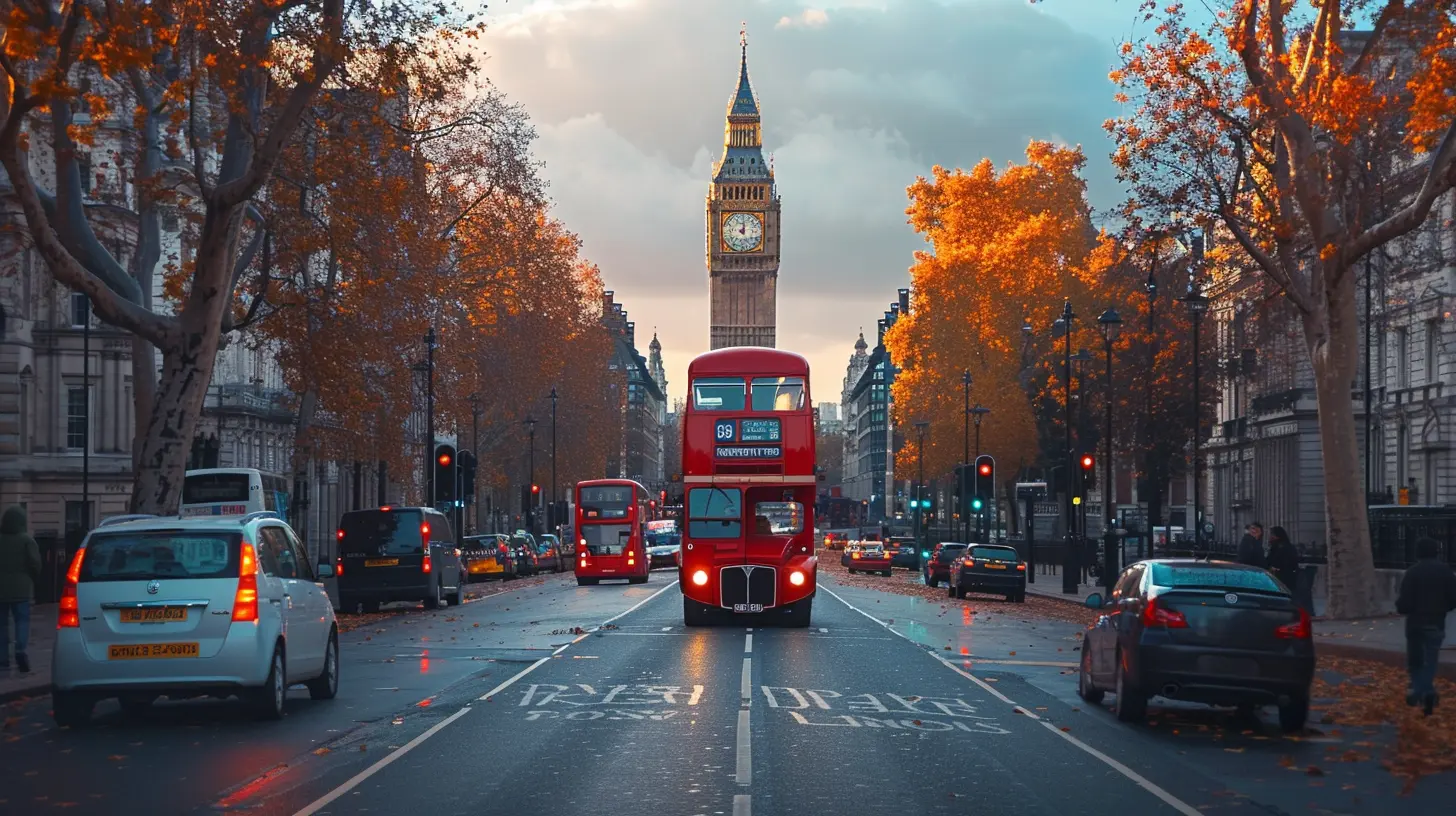
Table of Contents
1. Introduction to British and American English2. Vocabulary: Same Language, Different Words
3. Spelling Differences: Why Colour vs. Color Even Matters
4. Pronunciation and Accent: A Tale of Two Tongues
5. Grammar and Usage: Tiny Tweaks with Big Impact
6. Date and Time Formatting
7. Slang and Idioms: What’s Cool vs. What’s Proper
8. Measurements and Units
9. Influence of Culture on Language
10. Why Does It Matter?
11. Final Thoughts

1. Introduction to British and American English
English is spoken in dozens of countries around the globe, but the two most recognizable versions come from the UK and the US. These dialects have evolved separately for over 200 years. Think of them as cousins—same roots, different personalities. They both follow the foundational rules of English, but culture, geography, and history have caused them to branch out in their own ways.
2. Vocabulary: Same Language, Different Words
Alright, let’s start with the most noticeable difference—vocabulary. There are loads of everyday words that differ across the pond.| British English | American English |
|------------------|------------------|
| Flat | Apartment |
| Lorry | Truck |
| Rubbish | Trash |
| Holiday | Vacation |
| Boot (of a car) | Trunk |
| Biscuit | Cookie |
| Jumper | Sweater |
| Chips | French fries |
| Crisps | Chips |
Funny how a simple trip to the store can become a language puzzle, right? You could be ordering “chips” in London and end up with something totally unexpected.
These word swaps are part of what makes the language charming—and sometimes confusing!
3. Spelling Differences: Why Colour vs. Color Even Matters
Ever noticed the extra “u” in British words like “colour” or “favour”? Yep, that’s intentional. American English tends to simplify spellings for ease and efficiency—thank you, Noah Webster.Here are a few spelling variations you'll see between the two:
- -our vs. -or
British: colour, honour, favour
American: color, honor, favor
- -re vs. -er
British: centre, theatre, metre
American: center, theater, meter
- -ise vs. -ize
British: organise, realise, recognise
American: organize, realize, recognize
- -ll vs. -l (in suffixes)
British: travelled, enrolment
American: traveled, enrollment
While these changes may seem small, they can actually affect how professional or polished your writing looks, especially in academic or business contexts.
4. Pronunciation and Accent: A Tale of Two Tongues
Ever tried faking a British accent? Or maybe you’ve been told you sound “so American”? That’s because pronunciation varies dramatically between the two.Let’s break it down:
- The American ‘R’: Americans love their “r” sounds. They pronounce them fully, especially at the ends of words—like "car" or "hard." In British English (specifically Received Pronunciation), the “r” is often silent or softened.
- T’s vs. D’s: In many American accents, the “t” in words like “butter” or “water” becomes a soft “d” sound—so it sounds like “budder” or “wader.”
- Vowel Changes: Words like “bath,” “dance,” or “glass” are pronounced with a shorter vowel sound in the US and a longer, more open “ah” sound in the UK.
It's like listening to two different musical instruments playing the same song—familiar melody, unique tone.
5. Grammar and Usage: Tiny Tweaks with Big Impact
Grammar is another sneaky area where British and American English begin to drift.Collective Nouns
British English tends to treat collective nouns (like "team" or "family") as plural:- British: “The team are winning.”
- American: “The team is winning.”
Past Simple vs. Present Perfect
- British: “I’ve just eaten.”- American: “I just ate.”
Both are correct, but you'll notice that British English uses the present perfect tense more often.
Got vs. Gotten
- British: “He’s got better at tennis.”- American: “He’s gotten better at tennis.”
“Gotten” is rarely used in British English—it sounds a bit archaic to them.
6. Date and Time Formatting
If you're booking a flight, better double-check the date format! Brits write day-month-year, while Americans use month-day-year.- British: 14/07/2024
- American: 07/14/2024
That simple swap can cause a lot of confusion in planning, especially if you're dealing with formal documents or deadlines.
7. Slang and Idioms: What’s Cool vs. What’s Proper
Slang is where English really gets fun—and complicated.Imagine visiting London and hearing, “I’m absolutely knackered after that dodgy curry.” Translation? They're really tired after a sketchy meal.
Compare that to the American: “I’m totally beat after that weird burrito.”
Here's a quick guide:
| British Slang | American Equivalent |
|-------------------|---------------------|
| Knackered | Beat/Tired |
| Loo | Bathroom/Restroom |
| Fancy (someone) | Have a crush |
| Rubbish | Trash |
| Nick (something) | Steal |
| Bugger all | Nothing at all |
| Gobsmacked | Shocked |
| Chuffed | Pleased |
Both versions use unique expressions that make the language colorful and quirky. But be careful—some slang can have drastically different (and sometimes inappropriate) meanings depending on where you are!
8. Measurements and Units
In the UK, expect kilometers, kilograms, and Celsius. In the US? It’s miles, pounds, and Fahrenheit all the way.- Temperature: 0°C (UK) = 32°F (US)
- Distance: 5 km (UK) = about 3 miles (US)
- Weight: 70 kg (UK) = about 154 lbs (US)
This can be especially confusing for students, scientists, and travelers trying to make sense of measurements. It’s like using different operating systems—both work, but they don’t always communicate easily.
9. Influence of Culture on Language
Culture deeply affects how language evolves. American English has been heavily influenced by immigration, pop culture, and technology. British English has its roots in centuries of tradition and history.Think about it:
- American English is fast-paced, casual, and innovative—kind of like texting your friend.
- British English leans more formal, structured, and polite—like writing a letter to your old headmaster.
Neither is better. They’re just different flavors of the same delicious language.
10. Why Does It Matter?
You might be wondering—why should I care? Here’s why it’s important:- Students: If you’re studying abroad or taking international exams, using the right version can affect your grades.
- Professionals: Writing emails, reports, or resumes? You want your language to match the audience.
- Writers/Bloggers: Knowing your audience is key. Your readers will notice if you mix "realize" and "realise."
- Travelers: Misunderstanding directions or signs (like asking where the restroom is in a British pub) can lead to awkward moments.
Understanding the difference helps you communicate clearly and respectfully across cultures.
11. Final Thoughts
At the end of the day, British and American English are two sides of the same coin. Sure, they have their quirks, but that’s what makes language so rich and interesting. Whether you say “lift” or “elevator,” “colour” or “color,” it’s all part of the global English-speaking family.And honestly, learning the differences is kind of like learning to appreciate two different cuisines. Same ingredients (mostly), different spices. So next time you hear someone call fries “chips,” just smile—you’re having a conversation in English, and that’s pretty amazing no matter the flavor.
all images in this post were generated using AI tools
Category:
English As A Second LanguageAuthor:

Bethany Hudson
Discussion
rate this article
1 comments
Emma McIntire
Understanding British and American English highlights cultural nuances and variations.
July 8, 2026 at 4:47 AM
Bethany Hudson
Absolutely, the way language reflects culture is fascinating. These differences can really enrich our understanding of both English-speaking backgrounds.