The Emotional Impact of Learning Disabilities on Children
28 March 2026
For many children, the world of learning can be a little overwhelming. Imagine trying to read, write, or solve a math problem, but no matter how hard you try, the letters stay jumbled, the numbers don’t make sense, and you feel stuck. That’s the reality for many children who struggle with learning disabilities. But we often focus on the specific academic challenges these kids face, and overlook something just as important: the emotional toll it takes on them.
In this article, we’re going to dive into the emotional impact of learning disabilities on children. We’ll explore what these kids go through emotionally, how it can affect their self-esteem, relationships, and overall well-being. And most importantly, we’ll discuss how we can support them through these challenges.

What Are Learning Disabilities?
Before we jump into the emotional side of things, let’s first clarify what we mean by “learning disabilities.” A learning disability is a neurological condition that affects a child's ability to process and understand information. This can make tasks like reading, writing, or doing math far more difficult than they are for other children.Some common types of learning disabilities include:
- Dyslexia: Difficulty with reading and interpreting words.
- Dysgraphia: Challenges with writing and fine motor skills.
- Dyscalculia: Difficulty with numbers and math concepts.
- Auditory Processing Disorder: Difficulty in interpreting sounds.
These challenges are not related to intelligence. Many children with learning disabilities are just as bright—if not more so—than their peers. But due to the way their brains process information, they often struggle to keep up in traditional learning environments.
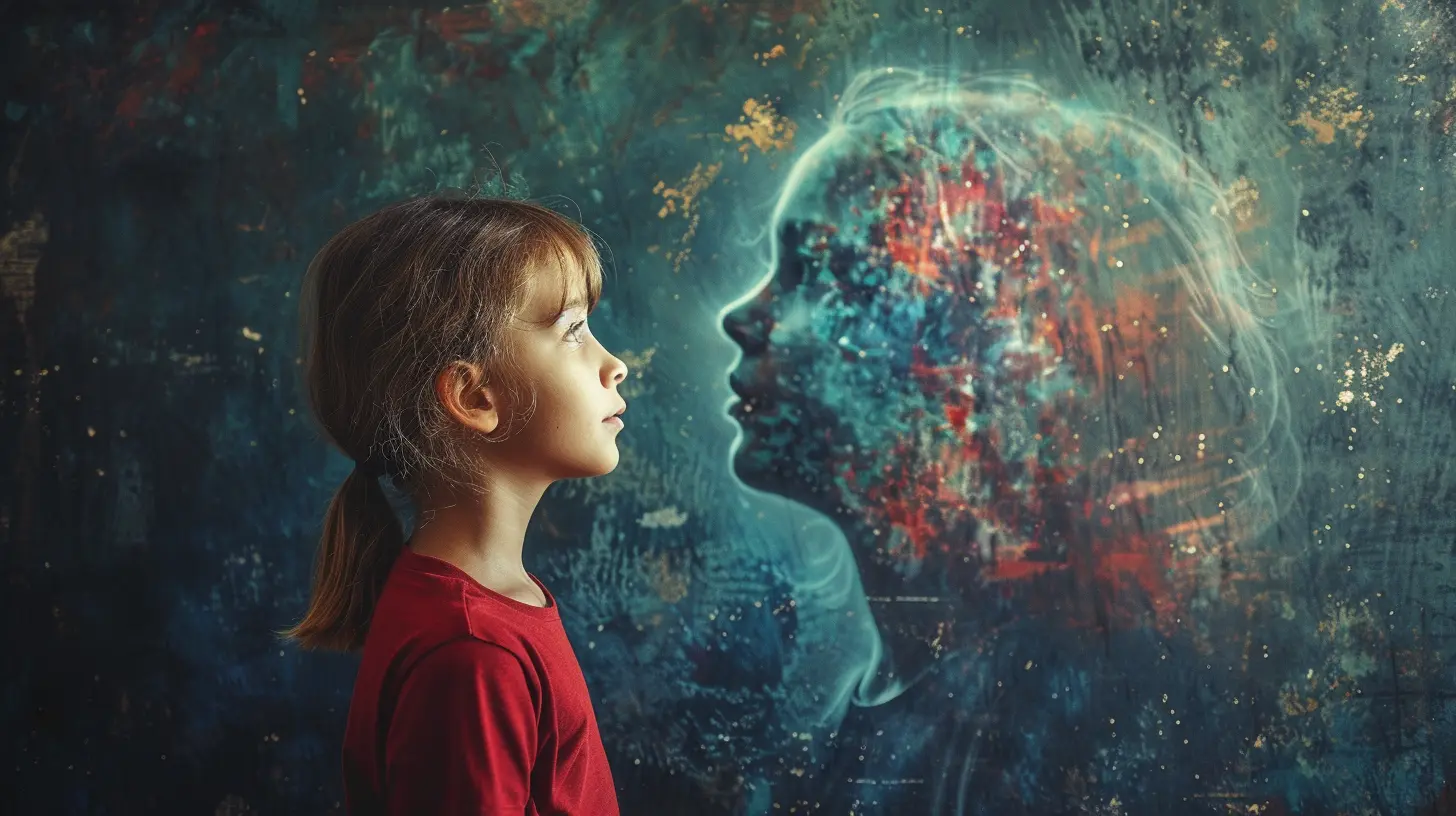
The Emotional Rollercoaster
1. Frustration and Anger
Imagine this: You're in a classroom, and no matter how hard you try to follow along, the material just doesn’t click. Everyone else seems to be moving forward, but you’re stuck. For children with learning disabilities, this feeling of being left behind can be incredibly frustrating.Young children might not fully understand why they’re struggling, which can lead to feelings of anger. Over time, this frustration can build up, sometimes resulting in outbursts or behavioral issues. In fact, many children with learning disabilities are often misdiagnosed with behavioral disorders because teachers and parents focus more on the outward signs of frustration than the underlying cause: the learning disability itself.
2. Anxiety and Fear of Failure
With repeated struggles comes anxiety. Kids with learning disabilities often start to associate school with stress, which can lead to a constant fear of failure. They may start to dread going to school or trying new tasks because they’re scared of getting it wrong—again.This anxiety can extend beyond the classroom. Children might feel nervous about social situations, worried that their peers will notice their struggles. Over time, this can lead to social withdrawal, where the child hesitates to participate in activities or interact with others.
3. Low Self-Esteem
Perhaps one of the most significant emotional impacts of learning disabilities is the toll it takes on a child’s self-esteem. Constantly struggling in school can make a child feel like they’re “not good enough” or “not smart enough.” And let’s face it, kids can be harsh, whether intentionally or not. Negative comments from peers or even from well-meaning teachers can further reinforce these feelings.Children with learning disabilities often compare themselves to their classmates and feel like they don’t measure up. This comparison can lead to a cycle of self-doubt, where they begin to believe that they’ll never be able to succeed, no matter how hard they try.
4. Depression and Hopelessness
When feelings of frustration, anxiety, and low self-esteem go unaddressed, they can sometimes spiral into depression. Children might feel hopeless about their future, believing that they’ll always struggle. As a result, they might lose interest in the things they once enjoyed, withdraw from social activities, or display symptoms of sadness and lethargy.It’s essential to recognize that depression can look different in children than it does in adults. While adults might talk openly about feeling sad, children might instead become irritable, angry, or withdrawn. Parents and teachers need to be aware of these signs and take them seriously.
The Social Impact of Learning Disabilities
1. Peer Relationships
School is not just about academics; it’s also a place where children form friendships and build social skills. But for kids with learning disabilities, these relationships can be tricky. They might feel isolated or different from their peers, which can make it harder to connect.In some cases, children with learning disabilities might be teased or bullied because of their struggles in school. Even if the teasing is not overt, subtle comments or exclusion from group activities can make the child feel left out or marginalized. Over time, this can lead to feelings of loneliness.
2. Family Dynamics
Learning disabilities don’t just affect the child—they can also impact the entire family. Parents might feel overwhelmed or frustrated as they try to support their child. Siblings might feel jealous or resentful if they believe that the child with the learning disability is getting more attention.On the flip side, a strong support system at home can make a world of difference. When parents, siblings, and extended family provide encouragement and understanding, it can boost the child’s confidence and help them navigate the emotional challenges of their learning disability.

How Can We Support Children Emotionally?
1. Early Intervention and Support
The earlier a child is diagnosed with a learning disability, the better. Early intervention can prevent many of the emotional struggles we’ve discussed. When children receive the right support—whether that’s specialized tutoring, therapy, or accommodations in the classroom—they’re more likely to succeed academically and emotionally.Support doesn’t just have to come from teachers and tutors. Parents can play a huge role in helping their child feel confident and capable. Encourage open communication, so your child feels comfortable sharing their frustrations and fears with you. Remind them that struggling doesn’t mean they’re not smart—it just means they learn differently.
2. Building Self-Esteem
One of the best things you can do for a child with a learning disability is to help build their self-esteem. Celebrate their strengths, whether that’s in art, sports, or another area entirely. Remind them that everyone has challenges, and their worth isn’t defined by how well they perform in school.It’s also essential to help kids set realistic goals. If a task feels overwhelming, break it down into smaller, more manageable steps. As they achieve these smaller goals, they’ll start to feel a sense of accomplishment, which can help boost their confidence.
3. Teaching Coping Strategies
Children with learning disabilities often need to develop coping strategies to deal with the emotional challenges they face. This can include mindfulness techniques to help with anxiety, or learning how to advocate for themselves in the classroom. Teaching children how to ask for help when they need it is a powerful skill that can serve them well throughout their lives.4. Encouraging Social Connections
While academics are important, social connections are just as crucial. Encourage your child to participate in extracurricular activities that they enjoy, whether that’s sports, music, or art. These activities can help them build friendships and feel a sense of belonging outside of the classroom.It’s also helpful to connect your child with others who have similar challenges. Support groups or mentorship programs can provide a safe space for children to share their experiences and realize they’re not alone in their struggles.
Conclusion: The Path to Emotional Well-being
Learning disabilities can undoubtedly be a significant emotional hurdle for children. However, with the right support, understanding, and encouragement, these hurdles can be overcome. It’s essential to remember that every child is unique, and their learning disability does not define them. By focusing on their strengths, providing emotional support, and equipping them with the tools they need to succeed, we can help children with learning disabilities not only thrive academically but also emotionally.In the end, it’s not about “fixing” the child—it’s about helping them realize their potential and feel confident in their abilities.
all images in this post were generated using AI tools
Category:
Learning DisabilitiesAuthor:

Bethany Hudson
Discussion
rate this article
2 comments
Hattie Sullivan
Learning disabilities? They're just unique brains flexing their creativity!
April 18, 2026 at 2:51 AM
Bethany Hudson
That's an interesting perspective! Embracing unique strengths can be empowering for both children and their families.
Sasha Scott
This article beautifully highlights the often-overlooked emotional struggles children with learning disabilities face. Understanding and compassion from parents and educators are crucial in helping them navigate their unique journeys. Thank you for sharing!
April 2, 2026 at 2:27 AM
Bethany Hudson
Thank you for your thoughtful comment! I'm glad you found the article impactful. Understanding and support are indeed key to helping these children thrive.