The Growing Importance of Forest Schools in Environmental Education
9 June 2026
Ever feel like kids spend more time swiping screens than swiping dirt off their hands after playing outside? You're not alone. As we become more glued to our digital devices and disconnected from nature, there's a quiet revolution happening in the woods, forests, and green spaces around us. It's called Forest School — and it’s changing everything about how we teach our children to care for the planet.
Let’s talk about what this movement is, why it's gaining momentum, and why it could be one of the most powerful tools we have in environmental education today.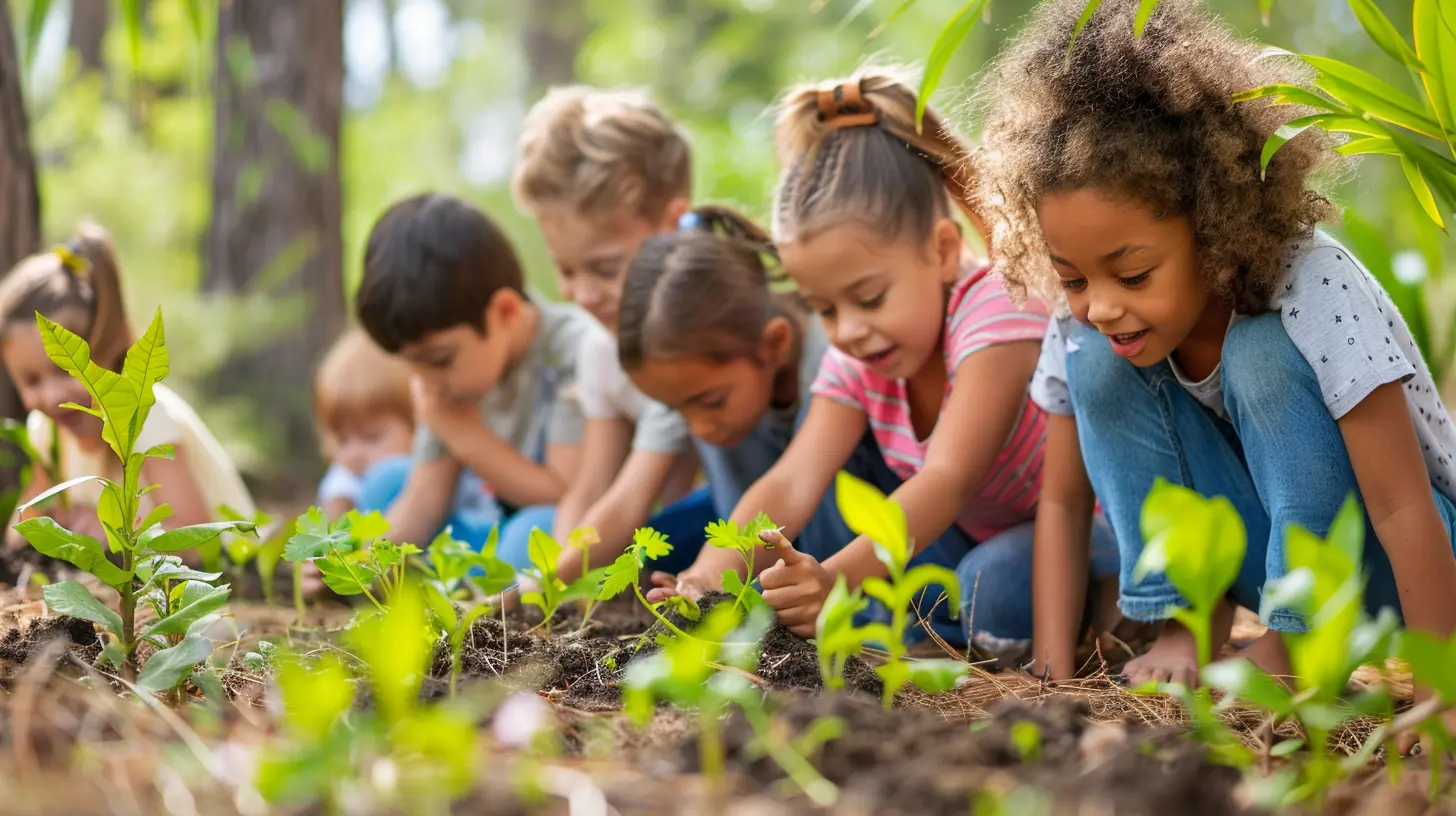
What Exactly Is a Forest School?
Imagine a classroom with no walls, no fluorescent lights, and no desks. The sky is your ceiling, the forest floor is your textbook, and learning comes from interacting — not just observing.Forest Schools are learner-centered outdoor education programs that take place in natural settings, most commonly forests or wooded areas. These programs are all about long-term learning, exploration, and play, all while encouraging kids to develop independence, confidence, and a deeper connection with the natural world.
This isn't just playing in the woods. It’s structured, purposeful, and backed by educational frameworks. Think of it as blending the best parts of traditional schooling with the magic of being outdoors.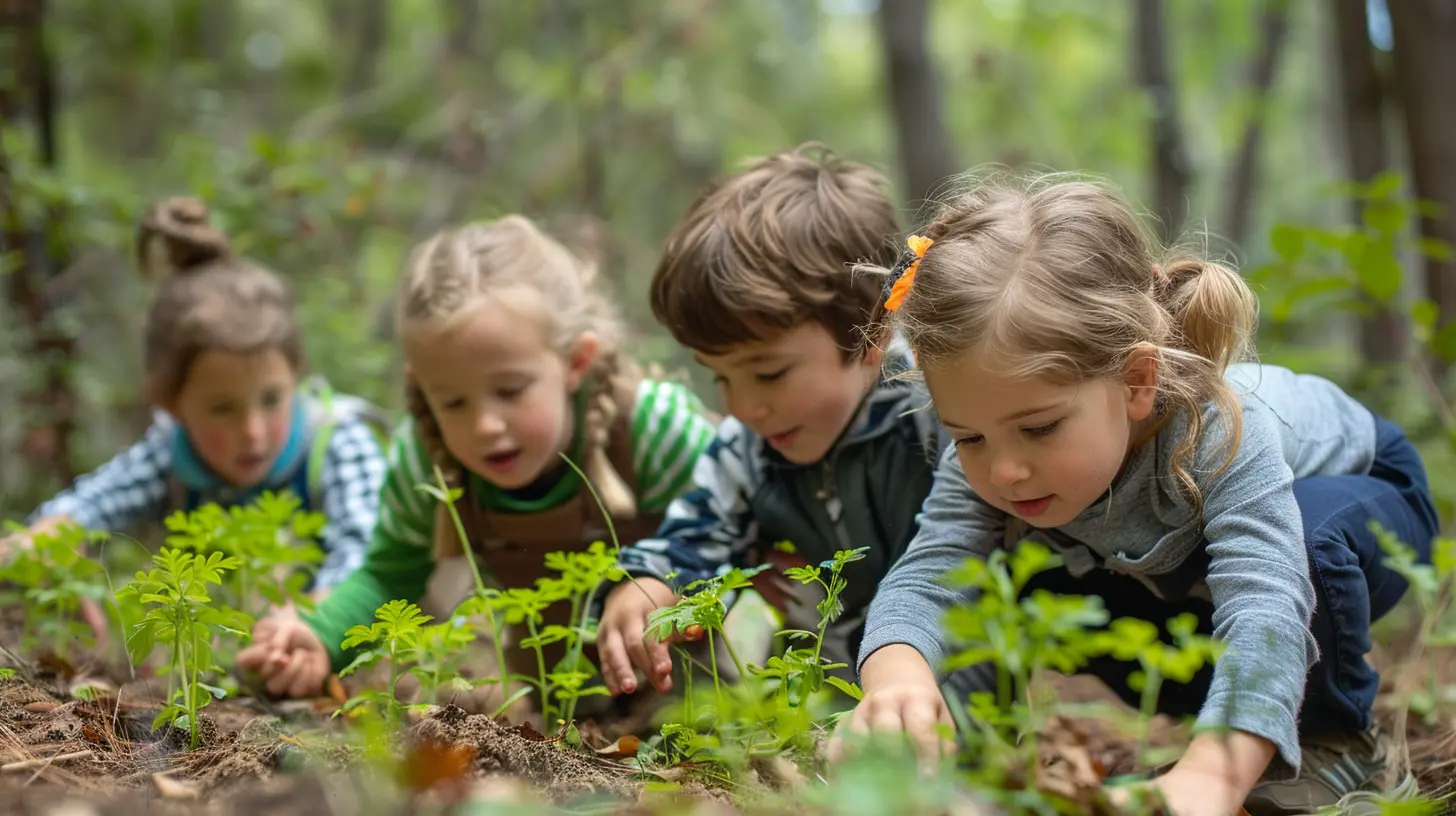
Origins of the Forest School Movement
Forest Schools aren't a brand-new concept. They date back to the 1950s in Scandinavia, particularly in Denmark and Sweden. These nations emphasized outdoor play and exploration in early childhood education, with the belief that nature is a second teacher. The idea slowly made its way to the UK, gaining momentum in the 1990s, and it’s now expanding globally — and for good reason.Why the sudden surge of interest? Simple. Our world is changing, fast. And people are realizing that if we want future generations to care about the Earth, they need to spend time in it — not just read about it.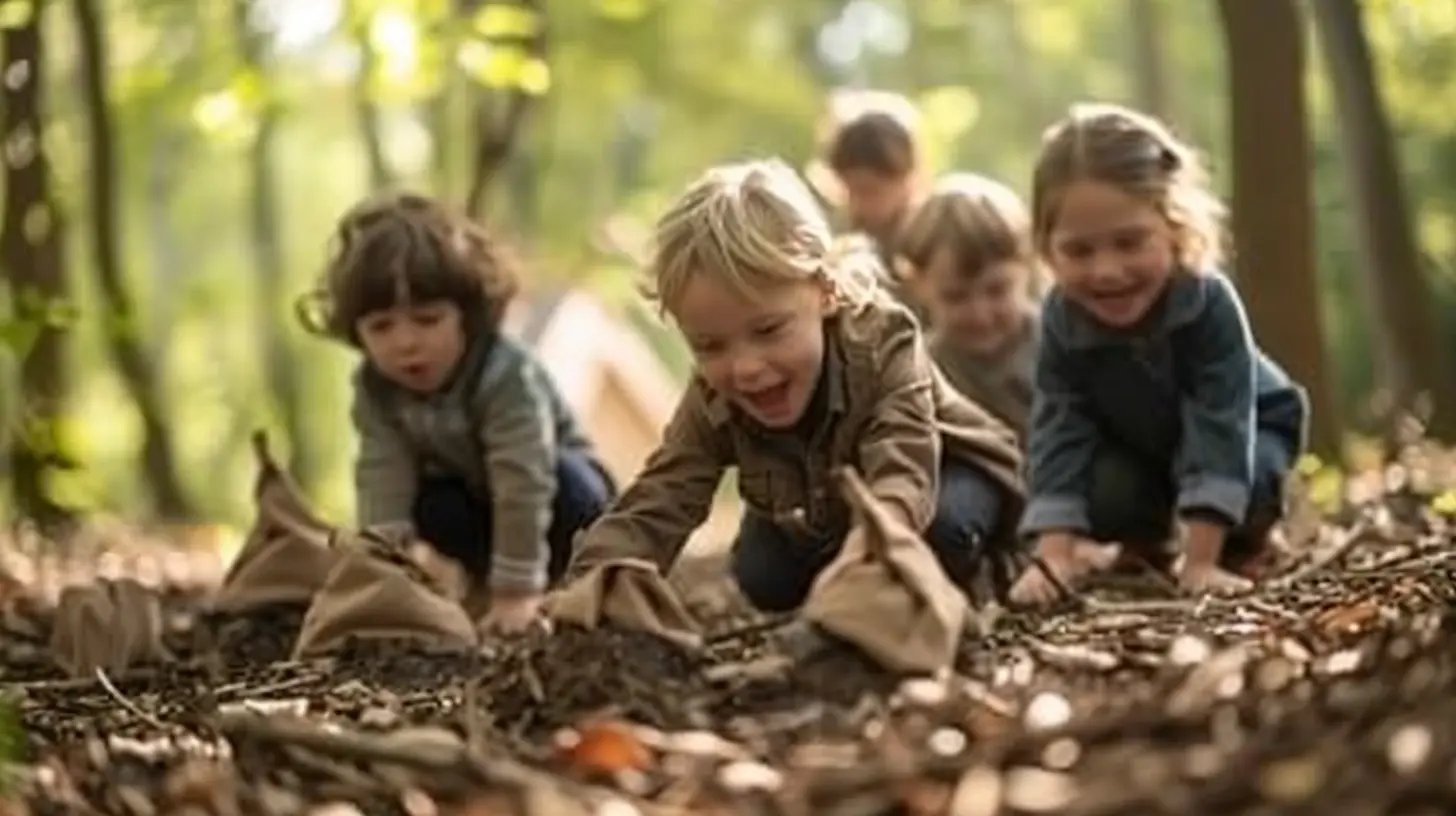
Forest Schools vs Traditional Schools — What’s the Difference?
Let’s paint a quick picture.In a traditional classroom, a child might read about photosynthesis from a textbook. In a forest school, that same child watches it unfold in real-time, feeling the sun’s warmth, breathing forest air, and seeing how plants thrive in their environment.
Here are some key differences:
| Traditional Schools | Forest Schools |
|---------------------|----------------|
| Indoor classrooms | Outdoor environments |
| Rigid curriculum | Flexible, child-led learning |
| Limited physical activity | Constant movement and exploration |
| Focus on academic results | Focus on holistic development |
| Technology-driven | Nature-based experiences |
It’s about doing, not just knowing. Forest Schools give kids the “why” and the “how” — not just the “what.”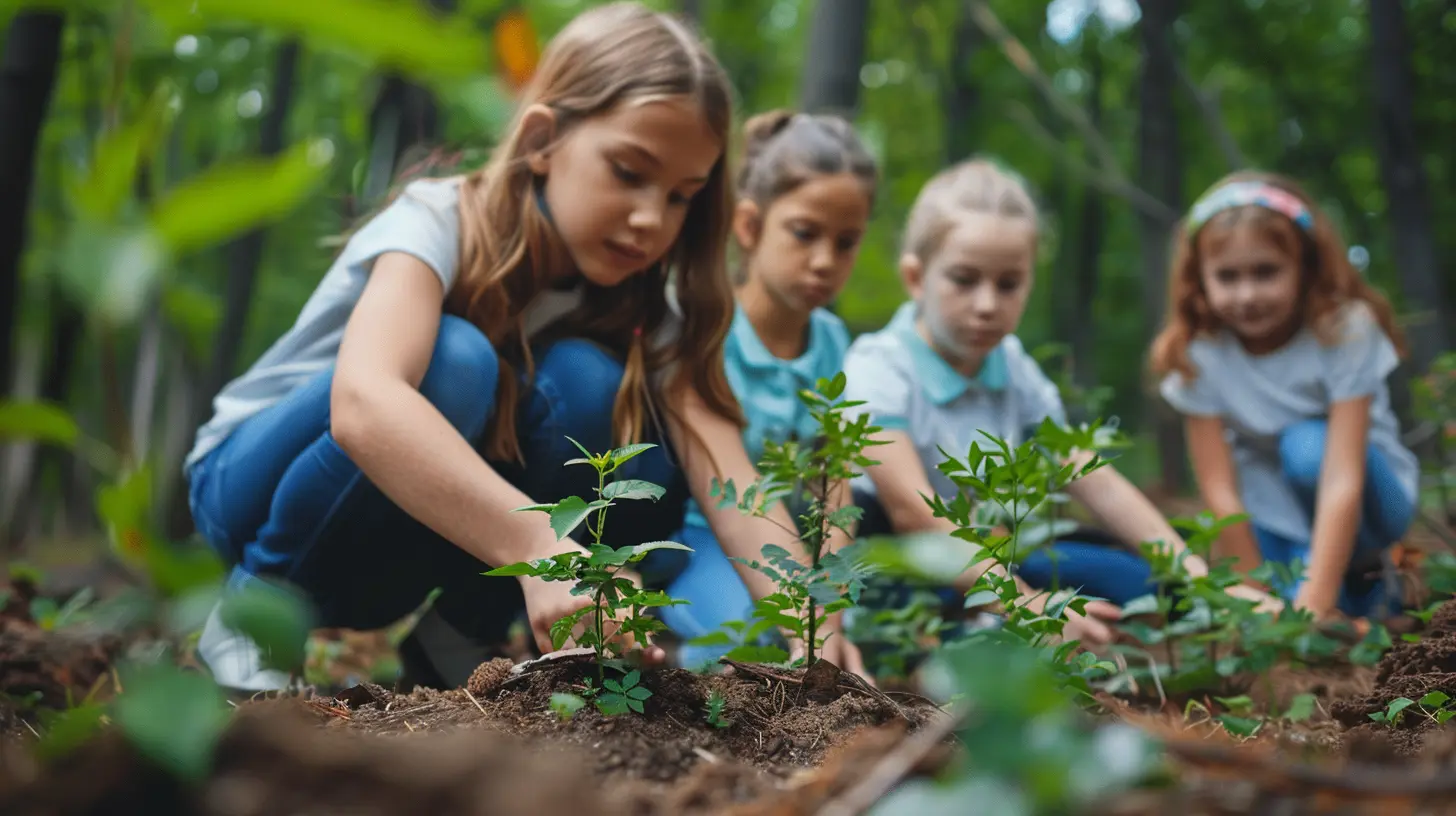
Why Forest Schools Matter in Environmental Education
1. Developing a Deep Connection with Nature
Let’s be real — people protect what they love. And how do you love something? By knowing it, experiencing it, and feeling connected to it.Forest Schools foster that connection. When children climb trees, follow animal tracks, build shelters, or even just sit quietly in nature, they’re building a relationship. This emotional bond is the foundation of environmental stewardship.
2. Learning by Doing
Ever notice how you learn better when you actually do the thing rather than just hear about it? That’s exactly how kids learn in Forest Schools.They’re not just taught “trees absorb CO2”; they experience it. They feel the coolness of shade on a sunny day, understand soil types by digging, and notice biodiversity simply by observing. This kind of hands-on learning sticks — and it sticks for life.
3. Encouraging Critical Thinking and Problem Solving
In the woods, there are no “right” answers — just challenges and possibilities.How do you cross a muddy patch without getting stuck? What materials work best to build a waterproof den? These activities push children to think creatively and make decisions. They become problem-solvers, not just problem-listeners.
4. Building Resilience and Confidence
Let’s face it: nature can be unpredictable. One day it's sunny, the next it's raining. Kids in Forest Schools learn to adapt, to get up when they fall, and to keep trying even when things don’t go as planned.This builds grit, resilience, and self-esteem — qualities that go far beyond the classroom.
5. Promoting Emotional and Mental Wellbeing
Studies have shown that time spent in nature reduces stress, boosts mood, and improves focus. Forest Schools naturally incorporate mindfulness, calmness, and emotional regulation simply by being outdoors.In a world where kids face increasing pressure, anxiety, and screen addiction, the forest acts as a reset button.
The Role of Forest Schools in Climate Action
Let’s zoom out a bit. The planet is facing some serious challenges — climate change, deforestation, loss of biodiversity. It can feel overwhelming, right?But what if we raised a generation that cared deeply about the environment, understood how ecosystems work, and felt empowered to take action?
Forest Schools are laying the groundwork for that future. These experiences aren’t just teaching facts; they’re instilling values. And those values can lead to real change — from sustainable living choices to careers in environmental science to activism.
How Forest Schools Align With Educational Goals
Now, you might be wondering, “That’s great, but are kids actually learning what they need academically?”Absolutely.
Forest Schools align with national and international education standards. Literacy and numeracy are woven into activities (think measuring sticks for building shelters or storytelling around the campfire). Plus, they enhance soft skills like communication, collaboration, and leadership — things you can’t always learn from a textbook.
And if you're a parent or teacher worried about outcomes? Studies show that children who attend Forest Schools often perform better academically later on. Why? Because they’re engaged, motivated, and curious learners.
Challenges and Misconceptions
Let’s not sugarcoat it — Forest Schools aren’t without challenges. Some parents worry it’s “just play.” Others question safety or how it fits into mainstream education. And yes, weather, funding, and access to safe green spaces can be real hurdles.But these challenges are slowly being addressed. Many schools are integrating forest learning into their weekly schedules. Governments and NGOs are funding outdoor classrooms. And innovative educators are showing how these programs can be scalable and inclusive.
How You Can Support or Get Involved
You don’t have to be a teacher or forester to get involved.- Parents: Look for Forest School programs in your area or encourage your child’s school to adopt elements of it.
- Educators: Get trained in Forest School principles or simply start by taking your classroom outdoors once a week.
- Community Members: Support local green spaces, volunteer, or advocate for outdoor learning in school curriculums.
A Glimpse Into the Future
Imagine a world where every child has the chance to learn with the earth under their feet, surrounded by singing birds and rustling leaves. Where curiosity is sparked not by screens but by the scurrying of an ant or the swaying of a tree.That’s not just a dream, it’s the promise of Forest Schools.
As more educators, parents, and policymakers recognize the power of nature-based education, Forest Schools are poised to become an essential piece in the puzzle of environmental education.
Not just for the sake of better schooling — but for the sake of the planet.
Final Thoughts
In the end, Forest Schools offer more than an alternative way to learn. They give children something priceless — a connection to the Earth, a sense of wonder, and the tools to protect what matters most.So let’s get those boots muddy. Let’s trade Wi-Fi for wildlife, tablets for tree bark, and classrooms for canopies.
Because if we want to raise a generation that saves the planet, we need to start by sending them outside.
all images in this post were generated using AI tools
Category:
Environmental EducationAuthor:

Bethany Hudson
Discussion
rate this article
1 comments
Elora Hughes
This article raises interesting points about forest schools and their role in environmental education. How do these outdoor experiences shape children's understanding of nature? I'm curious about the long-term impact on their attitudes towards conservation and environmental stewardship.
June 11, 2026 at 2:43 AM
Bethany Hudson
Thank you for your thoughts! Forest schools foster a deep connection to nature, encouraging curiosity and stewardship. Research shows that these experiences can lead to lasting positive attitudes towards conservation and a lifelong commitment to protecting the environment.