The Impact of Plastic Pollution: Lessons for Students
8 October 2026
It’s hard to imagine life without plastic. From water bottles and snack wrappers to phone cases and toothbrushes — plastic is literally everywhere. It’s convenient, lightweight, and cheap. But here’s the flip side: plastic is also one of the biggest threats to our environment today. And the worst part? Much of it ends up polluting our planet for hundreds of years. Yup, that's longer than a human lifetime!
As students, you're not just the future — you're also the present. Understanding the impact of plastic pollution isn’t just about acing a science test; it’s about becoming a responsible human being living on Earth. Let's dive into what plastic pollution really means, how it affects us, and what you can do starting today.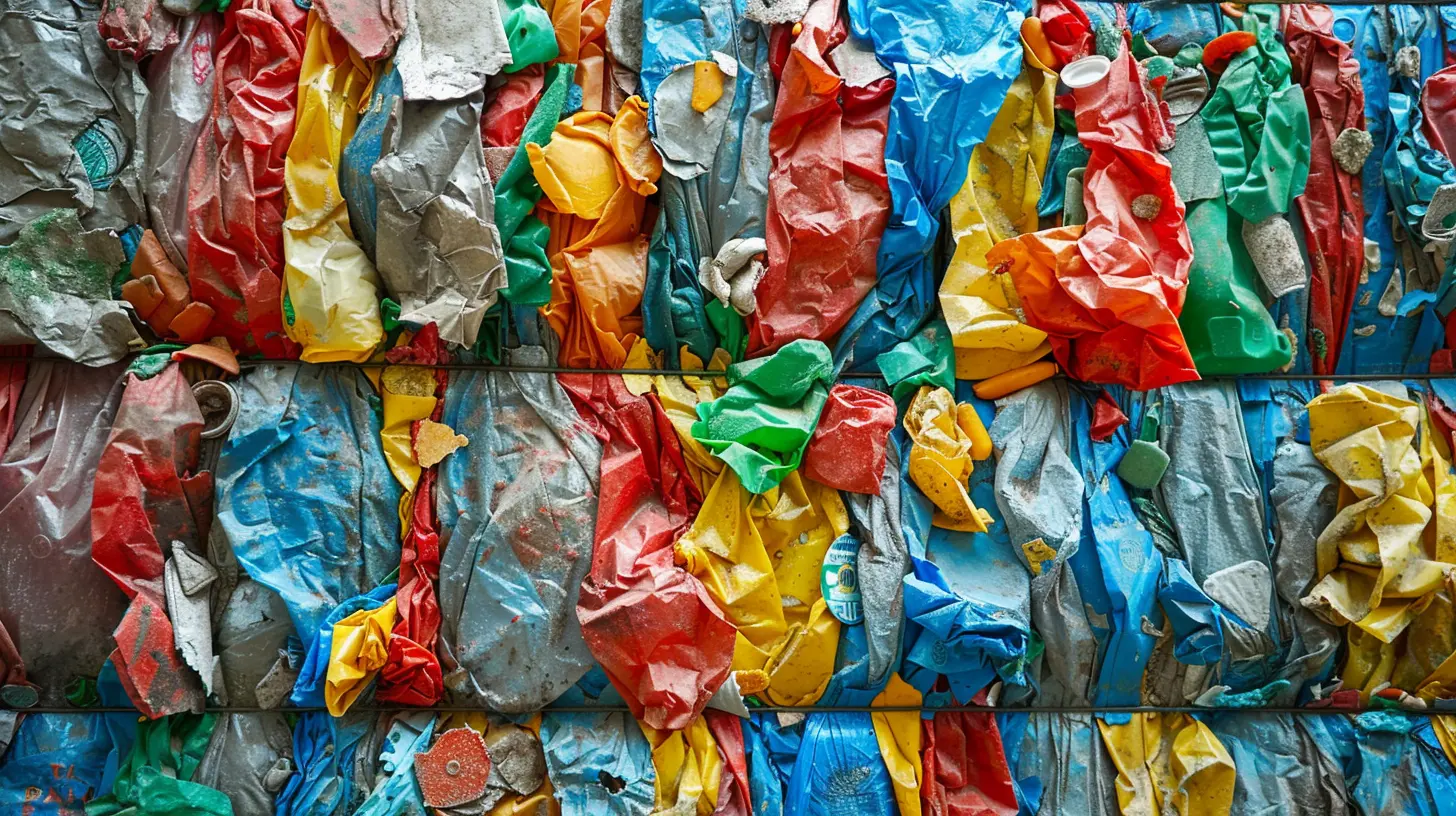
What Is Plastic Pollution?
Alright, let’s break it down. Plastic pollution is exactly what it sounds like — the accumulation of plastic products in the environment, especially where they shouldn’t be. Think oceans, rivers, forests, and even the stomachs of animals.Why Is Plastic a Problem?
Plastic doesn’t "go away." Most of the plastic ever made is still around in some form. Unlike banana peels or paper, plastic doesn't decompose quickly. In fact, it can take up to 1,000 years for some types to break down!And even when it starts to degrade, it doesn’t disappear — it breaks into smaller pieces called microplastics. These tiny bits are almost invisible to the naked eye but pack a powerful punch when it comes to pollution.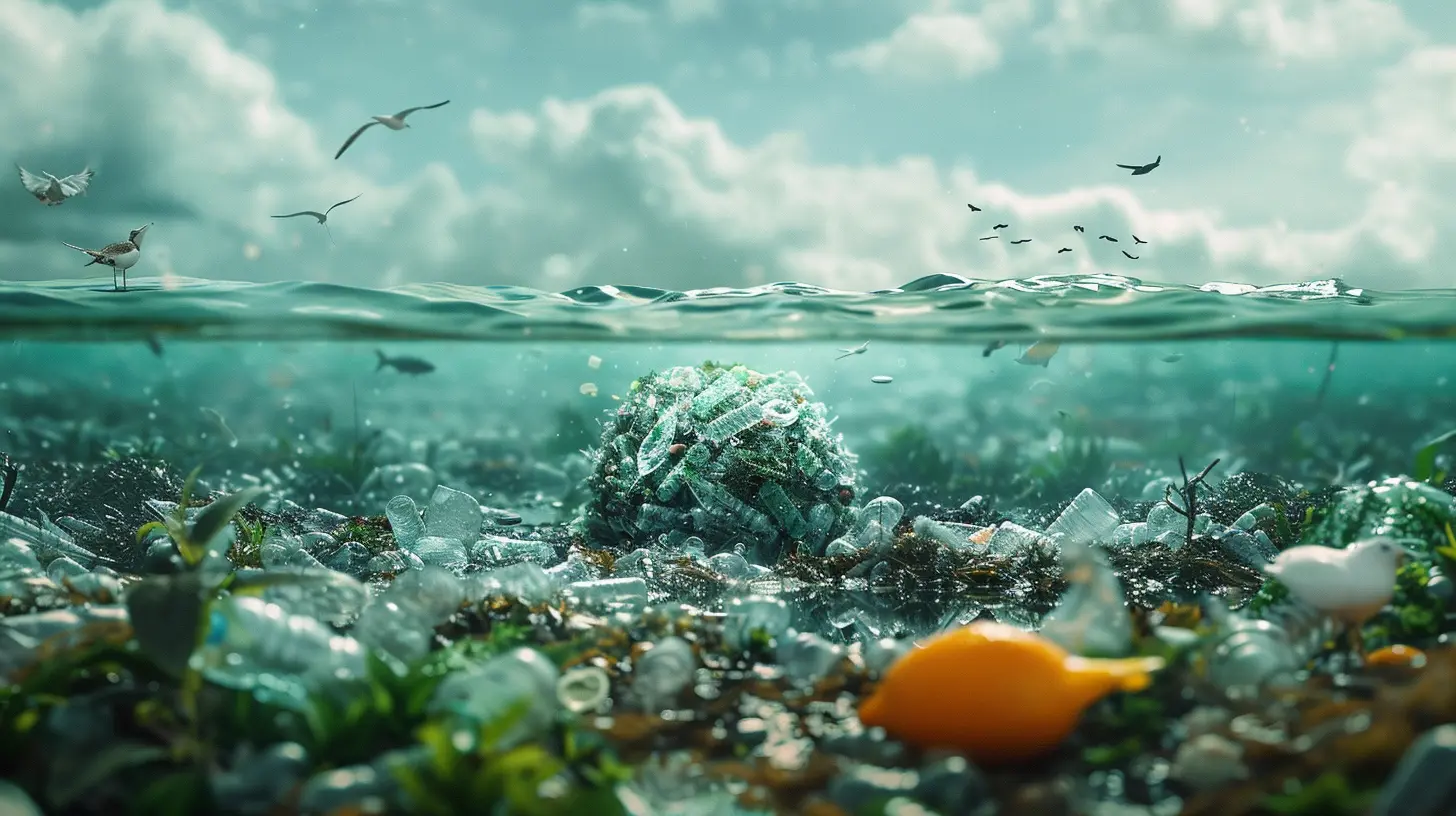
The Environmental Impact of Plastic Pollution
Now, let’s talk about what all that plastic does to our planet.1. Marine Life in Crisis
Ever seen a photo of a sea turtle tangled in a plastic bag? Or a seabird with a stomach full of bottle caps? These aren’t just sad pictures — they’re real problems.Animals often mistake plastic for food. Once ingested, it can cause internal injuries or blockages. For marine life, that’s a slow and painful death. Even worse, plastic particles can move up the food chain, ending up on our dinner plates. Gross, right?
2. Land Pollution
It’s not just the oceans. Plastic waste dumped on land can also affect soil health. Chemicals from plastic can seep into the ground and impact plant life. That means fewer crops, lower food quality, and a disrupted ecosystem.3. Air Pollution
Burning plastic releases toxic gases like dioxins and furans, which are harmful to both humans and animals. In places where waste management isn't strong, this is a common practice. Breathing in those toxins? Yep, that’s a health disaster waiting to happen.
Plastic and Human Health: What Students Should Know
You might be wondering — “Okay, but how does all this affect me directly?” Good question.1. Microplastics in Food and Water
Remember those tiny plastic particles we talked about? They’re now being found in salt, seafood, bottled water, and even the air we breathe! Scientists are still figuring out the long-term effects, but early studies suggest these tiny plastics could mess with hormones, organs, and possibly lead to diseases.2. Impact on Future Generations
Plastic doesn’t just haunt us today — it sticks around. If we don’t do something now, future generations (that includes you and your kids) will face even worse consequences. We're talking extreme pollution, lower food security, and health hazards.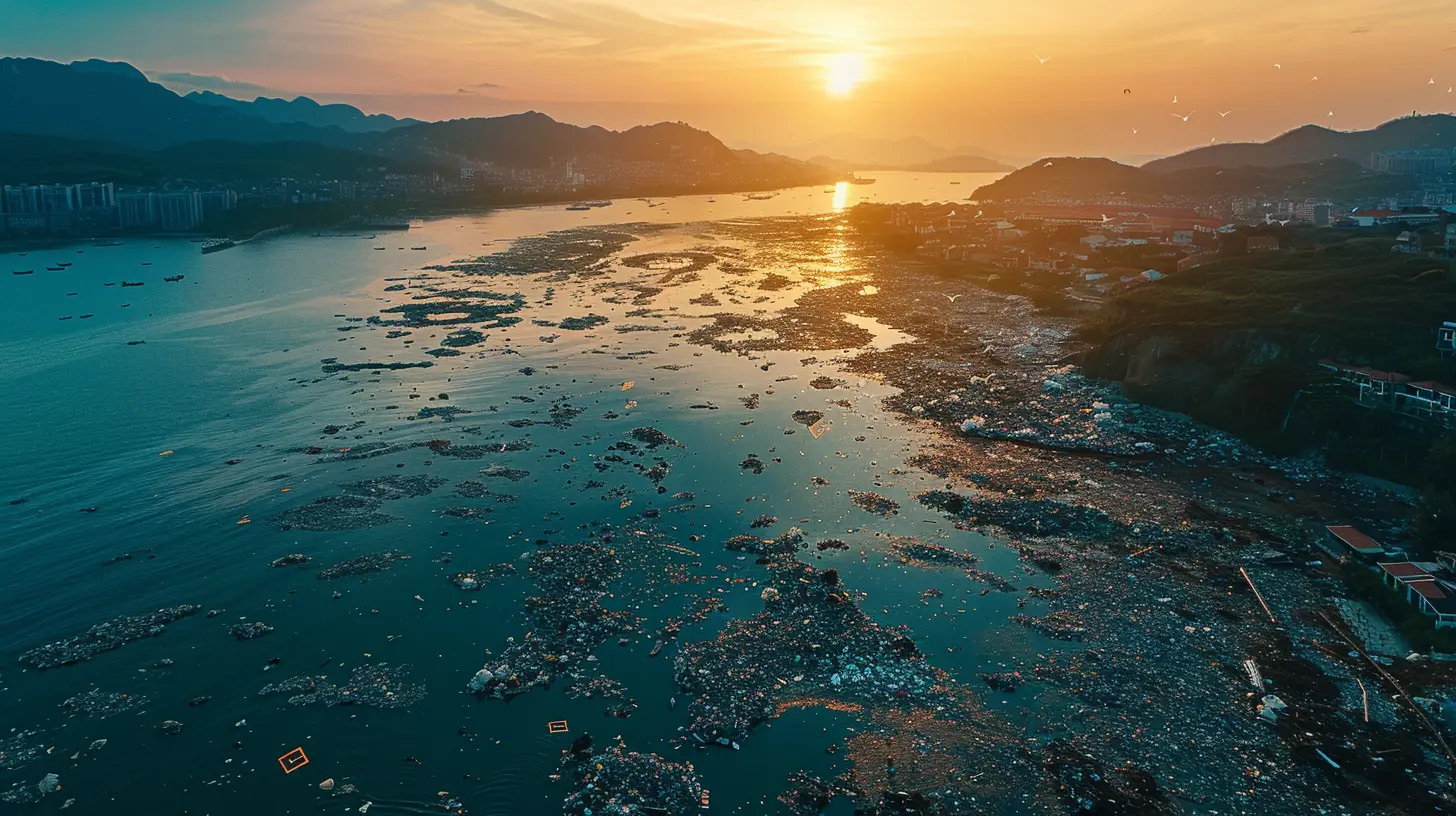
Why Students Should Care (And Take Action)
You might think you're just one person in a big world — but one voice can start a ripple effect. Just like a single drop in water creates waves, your choices can influence others.You Are the Future Leaders
Whether you become a scientist, a teacher, a designer, or an entrepreneur, your decisions can shape a more sustainable future. Understanding the issue today means you can create smarter solutions tomorrow.You’re Also Consumers
Let’s face it: Gen Z and Gen Alpha are the biggest consumers of goods online. That means packaging, shipping, and — you guessed it — plastic. By being mindful of what you buy and how you buy it, you can cut down on waste more than you think.Classroom Lessons: How Schools Can Help
This topic isn’t just for science class. It’s cross-curricular.Science: The Lifecycle of Plastic
Study how plastic is made, used, and where it ends up. Understand its chemical components and impact on ecosystems.Geography: Mapping Waste
Identify global hotspots for plastic pollution. Compare countries based on their waste management systems.Civics: Policy and Responsibility
Discuss global bans on plastic bags, straws, and single-use items. What role do governments play, and what can individuals do?Art & Media: Creative Awareness
Create posters, short videos, or digital campaigns to raise awareness among peers about plastic pollution.What Students Can Do: Small Actions, Big Impact
Alright, enough doom and gloom. Let’s talk solutions — the fun part!1. Refuse Single-Use Plastics
Next time you’re offered a straw or plastic bag, just say “No thanks.” It’s really that simple. Bring your own tote bags, bottles, and containers.2. Host a Clean-Up Drive
Gather your friends, make it a weekend plan, and clean up a local park or beach. It's hands-on and makes a visible impact.3. Start A School Recycling Program
If your school doesn’t have a recycling bin yet — why not lead the way? You’d be surprised how many schools don't have proper waste separation.4. Spread the Word
TikTok videos, Instagram stories, blogs — you already know how to use these tools. Put them to good use by sharing tips or shocking facts about plastic.5. Upcycle and DIY
Turn trash into treasure. Make pencil cases from old plastic wrappers or plant pots out of bottles. It’s creative, eco-friendly, and a great conversation starter.Real Stories: Student Activists Making a Difference
Let’s look at some students around the world who've taken a stand. Because if they can, so can you.- Greta Thunberg (Sweden): You've probably heard of her climate strikes. She's inspired millions to take environmental action.
- Licypriya Kangujam (India): This young activist urges the Indian government to take immediate climate action.
- Plastic Free Boy (Australia): A teenager raising awareness through films and school visits.
These are kids and teens just like you who decided to act, not just talk.
Long-Term Solutions: What We Need from Everyone
It’s not just on students, of course. We need collective action.Governments Must:
- Enforce bans on single-use plastics.- Invest in research for biodegradable alternatives.
- Improve waste management systems.
Companies Should:
- Reduce plastic packaging.- Offer eco-friendly products.
- Join environmental initiatives.
Communities Can:
- Promote recycling.- Educate residents.
- Organize sustainability events.
Final Thoughts
Plastic pollution isn’t just some faraway problem in the ocean — it’s in our homes, schools, and even our food. But the good news? Students like you can lead the charge for change.Start small, speak up, and stay informed. The planet may be in trouble, but with your energy, creativity, and action, there’s every chance we can turn the tide.
So ask yourself: what can I do today that my future self will thank me for?
all images in this post were generated using AI tools
Category:
Environmental EducationAuthor:

Bethany Hudson