The Impact of Sleep on Teacher Performance and Burnout Prevention
30 August 2026
Teaching is one of the most rewarding yet demanding professions. Educators shape young minds, inspire creativity, and foster growth—but at what cost? Between lesson planning, grading, and managing classrooms filled with energetic students, teachers often sacrifice their own well-being, especially sleep.
But here's the catch: sleep isn’t just a luxury; it’s a necessity. Lack of proper rest can impact teaching effectiveness, emotional stability, and overall job satisfaction. In this article, we’ll dive deep into how sleep (or the lack of it) affects teacher performance and why it plays a crucial role in preventing burnout.
Why Sleep Matters for Teachers
Sleep fuels the body and the brain. It’s like charging your phone overnight—without it, you’ll run out of battery before the day even begins. When teachers don’t get enough rest, they struggle to focus, feel emotionally drained, and ultimately, their performance in the classroom suffers.Cognitive Function and Classroom Efficiency
Sleep is vital for cognitive function. A well-rested teacher can think clearly, process new information quickly, and adapt to unexpected classroom challenges. On the flip side, sleep deprivation leads to brain fog, forgetfulness, and difficulty in decision-making. Imagine trying to explain a complex math problem when your brain feels like it's moving through molasses—frustrating, right?Emotional Regulation and Student Interaction
Teaching isn’t just about delivering lessons—it’s about managing a room full of different personalities, emotions, and energy levels. A lack of sleep can make teachers more irritable, impatient, and less empathetic toward students. When exhaustion takes over, even minor disruptions can feel like major issues, increasing stress levels and tension in the classroom.Immune System and Overall Health
Ever notice how teachers often get sick? Sleep deprivation weakens the immune system, making educators more susceptible to colds, flu, and other illnesses. A tired and sick teacher is a less effective teacher. Taking care of one’s health means fewer sick days and a more consistent learning experience for students.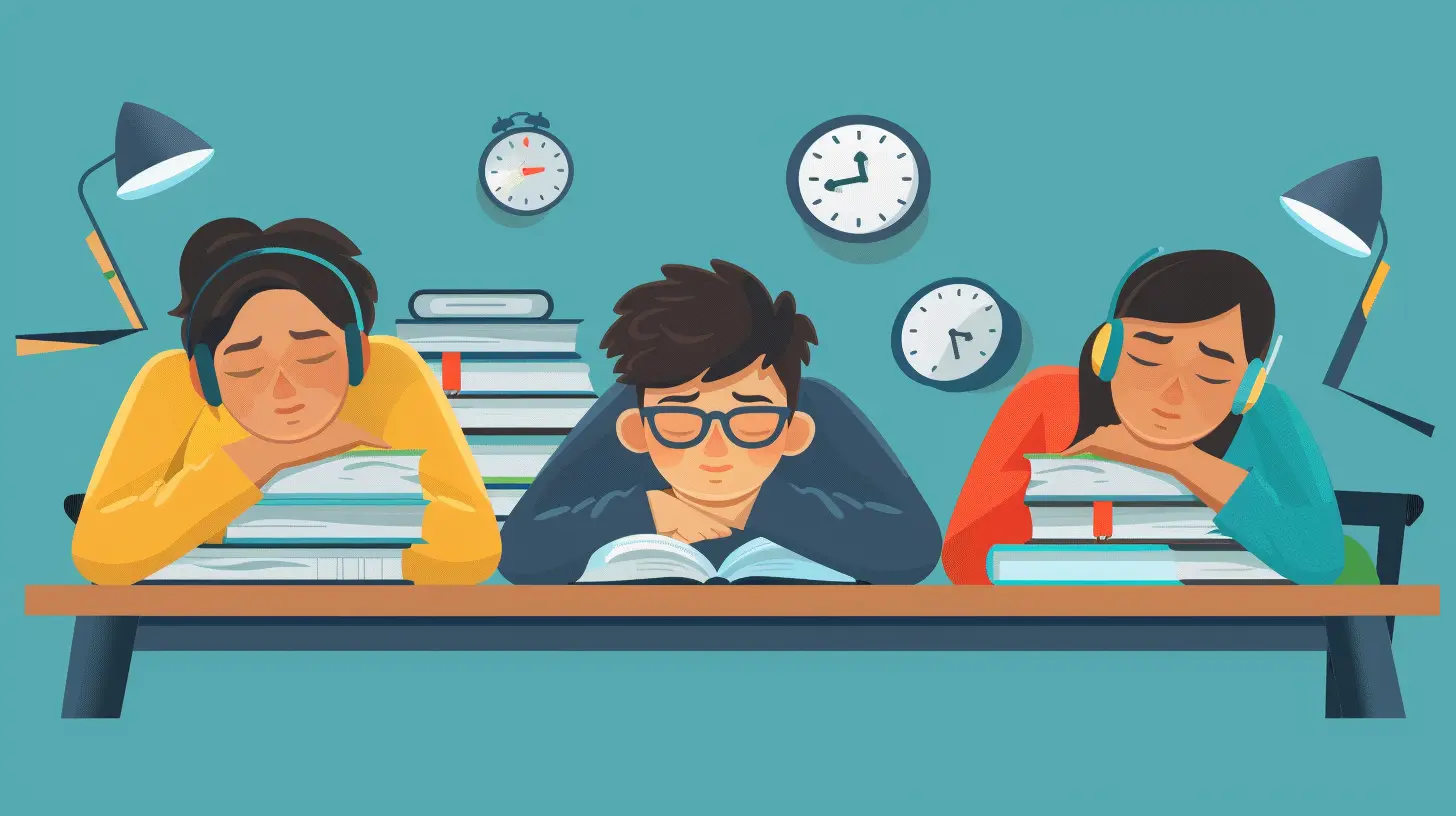
The Link Between Sleep and Burnout in Teachers
Burnout is a real and growing problem in education. Long hours, emotional exhaustion, and high expectations push many teachers to their limits. One of the most overlooked factors in burnout? You guessed it—lack of quality sleep.Signs of Teacher Burnout Due to Sleep Deprivation
1. Chronic Fatigue – Waking up exhausted, even after a full night's sleep.2. Increased Irritability – Snapping at students or colleagues over minor issues.
3. Loss of Passion – Feeling detached from teaching and lacking motivation.
4. Frequent Sickness – Constant colds, headaches, or unexplained body aches.
5. Reduced Productivity – Struggling to complete tasks efficiently, procrastinating, or forgetting things easily.
How Sleep Can Prevent Burnout
Getting enough sleep doesn’t just improve daily performance—it acts as a protective barrier against burnout. Sleep helps the brain reset and process the emotional weight of the day. It allows teachers to wake up feeling refreshed, motivated, and ready to tackle challenges.Think of it like tending to a campfire. If you let it burn too long without adding the right fuel (sleep), it dies out. But with proper care, it keeps going strong. Teachers need that "fuel" to keep their passion for educating alive.
Practical Tips for Better Sleep as a Teacher
So, how can teachers prioritize sleep when their to-do list never seems to end? Here are some actionable tips:1. Set a Consistent Sleep Schedule
Try to go to bed and wake up at the same time every day. Your body loves routine, and sticking to a schedule helps regulate your internal clock.2. Create a Relaxing Bedtime Routine
Just like students need transition times, so does your brain. Reading a book (not work-related!), taking a warm bath, or listening to calming music can signal to your body that it’s time to wind down.3. Limit Screen Time Before Bed
Scrolling through emails or social media late at night can interfere with melatonin production, making it harder to fall asleep. Try swapping screens for a good book or some gentle stretching.4. Avoid Late-Night Caffeine and Heavy Meals
Caffeine can stay in your system for hours, so skip that late-afternoon coffee if you struggle with sleep. Also, heavy meals before bed can cause discomfort and disrupt your sleep cycle.5. Make Your Bedroom a Sleep Sanctuary
Your bedroom should be a place of rest, not stress. Keep it cool, dark, and quiet. Invest in a quality mattress and blackout curtains if needed.6. Practice Mindfulness and Stress Reduction Techniques
Journaling, deep breathing, or light meditation before bed can help clear your mind and prepare you for restful sleep.
Finding Balance: Sleep and Teacher Self-Care
Teachers are givers by nature, but self-care isn’t selfish—it’s necessary. Prioritizing sleep isn’t just about feeling better; it’s about being the best version of yourself for both you and your students.If you’re running on empty, you’re not helping anyone. By committing to a healthier sleep routine, you’re taking a step toward preventing burnout, improving classroom interactions, and boosting your overall well-being.
Remember, you wouldn’t expect your students to thrive on little sleep, so why should you? Make rest a priority and watch how it transforms both your teaching and your life.
Final Thoughts
Teaching is tough, but it shouldn’t come at the cost of your health. Prioritizing sleep isn’t about laziness or cutting corners—it’s about creating a sustainable career that allows you to show up as your best self.So tonight, instead of grading that last paper or answering just one more email, give yourself permission to rest. Your body, mind, and students will thank you for it.
all images in this post were generated using AI tools
Category:
Teacher Burnout PreventionAuthor:

Bethany Hudson
Discussion
rate this article
2 comments
Stephen Chapman
Sleep is not just rest; it's a powerful tool for teachers. Prioritizing quality sleep can enhance performance, boost creativity, and reduce burnout. Invest in your rest!
September 25, 2026 at 10:59 AM
Bethany Hudson
Absolutely! Quality sleep is essential for teachers. It truly enhances focus and creativity while helping to prevent burnout. Investing in rest pays off in the classroom and beyond.
Hadley Stewart
This article highlights the critical link between adequate sleep and teacher performance. By prioritizing rest, educators can reduce burnout, enhance classroom engagement, and foster a healthier learning environment for both themselves and their students.
September 24, 2026 at 2:51 AM
Bethany Hudson
Thank you for your insightful comment. Prioritizing sleep is indeed essential for both teacher well-being and student success.