The Importance of First Aid Training for School Staff and Students
9 January 2026
Let’s be real—schools are where kids spend most of their time after home. Between running in the hallways, monkeying around on playgrounds, and the occasional science experiment gone wrong (oops!), minor accidents are practically part of the school experience. And sometimes? Things can get a bit more serious.
Here’s the thing: when emergencies happen—and they do happen—being prepared can mean the difference between a scare and a tragedy. That’s where first aid training swoops in like a superhero with a first aid kit and a calm mindset.
So, what makes first aid training so vital for teachers, school staff, and even students? Buckle up—we're diving into the whys, the hows, and the woahs of this life-saving skill.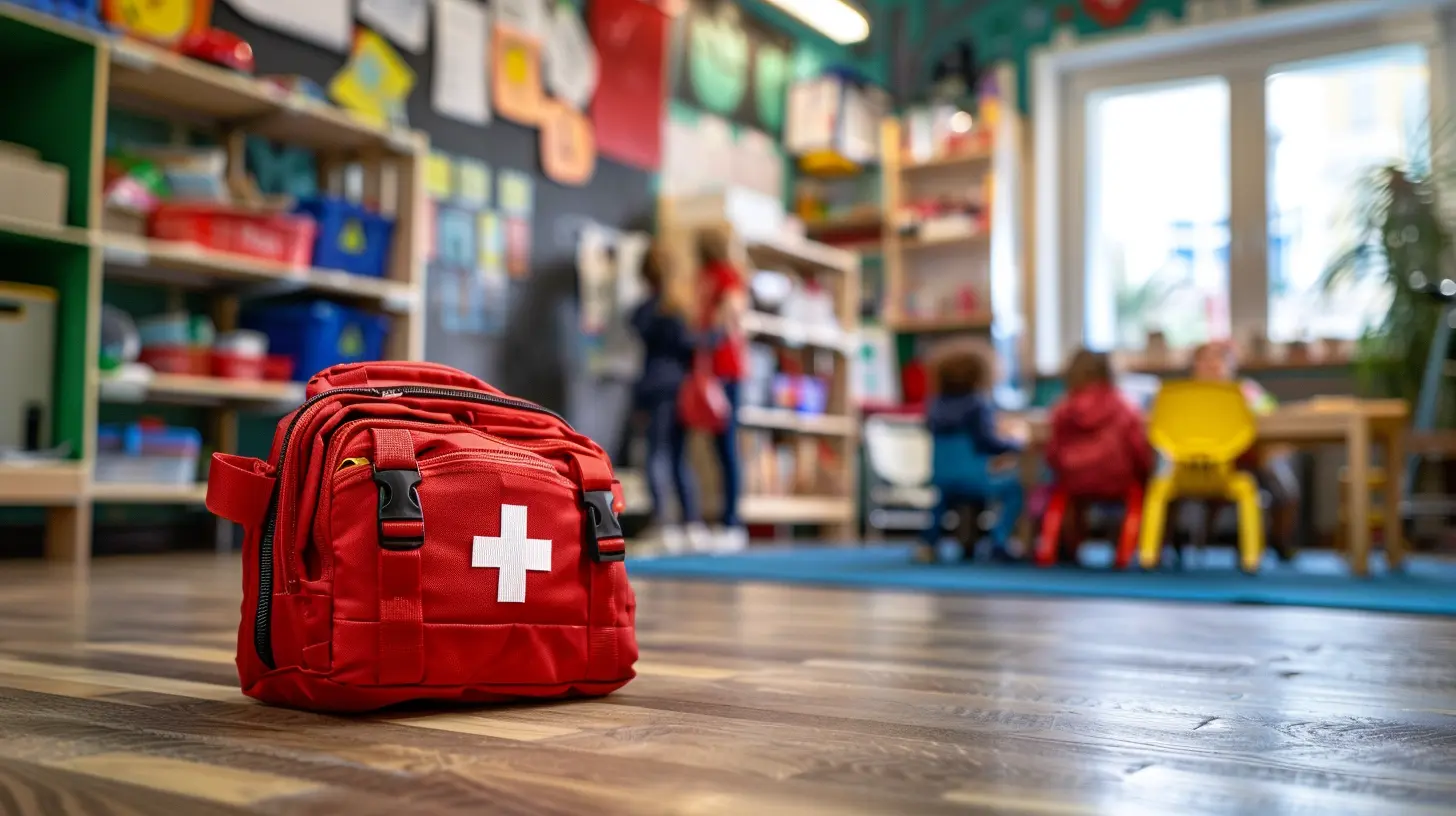
First Things First – What Is First Aid?
Before we get into the nitty-gritty, let’s clear up what we mean by first aid.In the simplest terms, first aid is the immediate help given to someone who's injured or suddenly taken ill, before professional medical help can arrive. Think of it as a pit stop for the body—patching things up enough to get to the real mechanics (aka doctors and nurses).
It includes stuff like:
- Cleaning and bandaging minor cuts or scrapes
- Doing CPR if someone stops breathing
- Using an EpiPen for a severe allergic reaction
- Helping someone who's having an asthma attack
And that’s just scratching the surface. The goal? Keep the situation from getting worse, help the person feel better, and maybe—just maybe—save a life.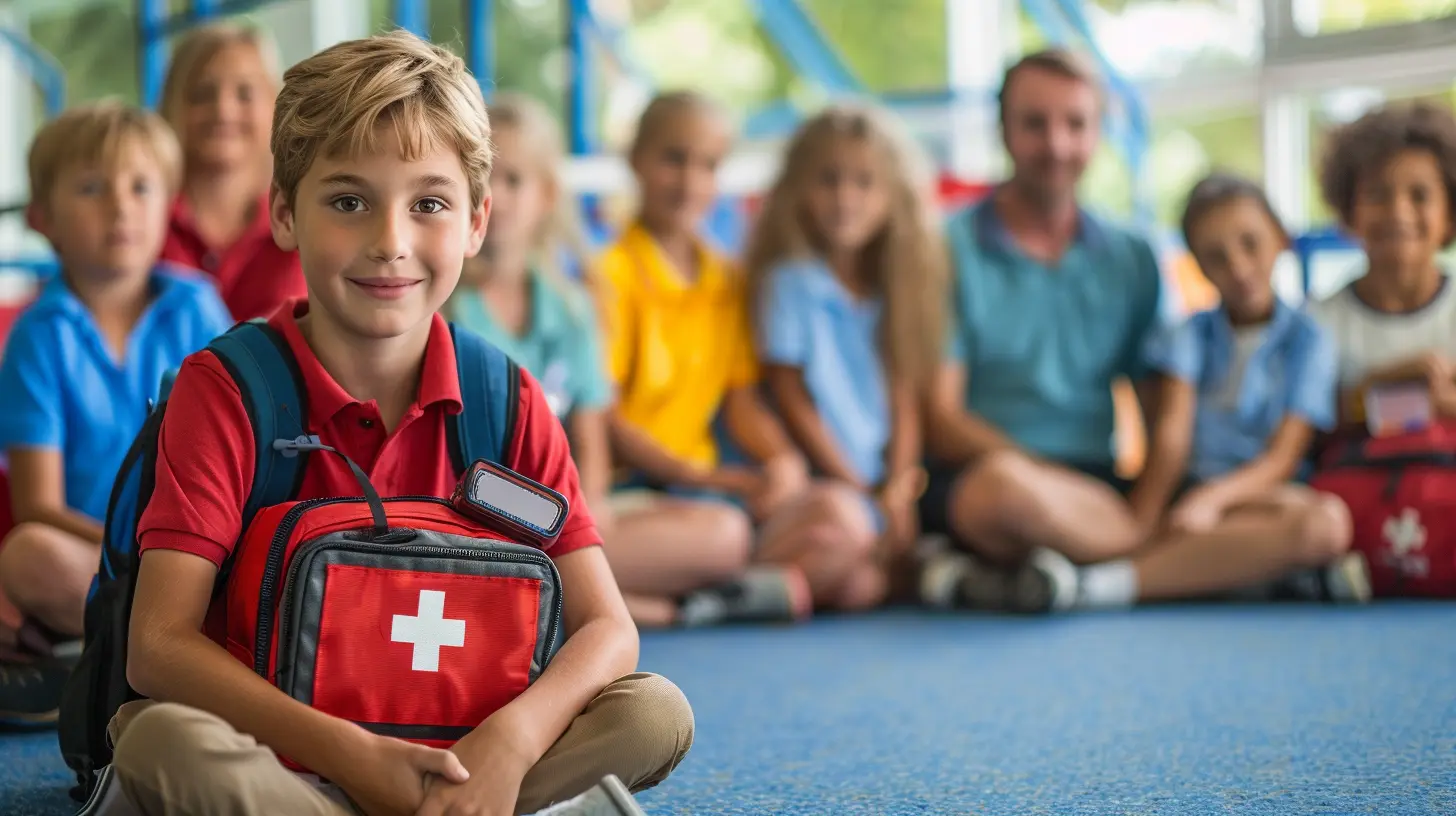
Why Schools Are Prime Spots for First Aid Know-How
Let’s face it: schools are like tiny, chaotic cities full of young adventurers and multitasking adults. There’s always a lot going on. Which means things can—and do—go wrong in the blink of an eye.Here’s why first aid training should be as standard as math class:
1. Kids Are Accident Prone (Bless Their Curious Hearts)
From scraped knees to accidental tumbles off the monkey bars, most kids have a collection of "boo-boos" before they hit double digits. While many of these are minor, it's essential for school staff (and older students) to know how to handle them properly.A little training means better responses and fewer panicked calls home—or worse, the ER.
2. Emergencies Don’t Send RSVPs
Heart stoppages, seizures, anaphylactic reactions—these things can happen anytime, anywhere. And surprise! Schools aren’t immune to them.Time is everything in a medical emergency. If someone on site knows what to do, they can jump in right away, often before paramedics can even arrive.
3. Quick Action Saves Lives (No Exaggeration Here)
Let’s drop a truth bomb: CPR can double or triple a person’s chance of survival after cardiac arrest.That’s not a fun fact, that’s LIFE-CHANGING.
And you don’t need to be a doctor to do it. Just trained. If more teachers, admins, and students knew how to respond, outcomes in emergencies would improve dramatically.
4. It Builds Confidence and Cuts Down Panic
Ever felt useless in a crisis? Yeah, it’s a horrible feeling.But when you're first aid trained, something magical happens—your confidence kicks in. You move from “Oh no, what do I do?!” to “Okay, I’ve got this.”
That mindset can calm an entire classroom. Kids take cues from adults. If the grown-ups stay cool, the kids freak out less. Win-win!
Benefits for School Staff That Go Beyond Band-Aids
Let’s dig deeper. Because honestly, first aid training isn't just about handling the obvious stuff—it’s a game-changer for staff in so many ways.🧠 Enhanced Safety Awareness
Teachers are already pros at multitasking. Add first aid training to the mix, and they start seeing hazards before they cause trouble. Think: slippery hallways, choking hazards, questionable experiments—solved before they become 911 calls.🎯 Faster Decision-Making in Critical Moments
Emergency situations are high-stress, and hesitation can be harmful. Trained staff act faster and more efficiently. They know when to move the student, when not to, how to speak to emergency services—the works.🧘 Peace of Mind (and Fewer Lawsuits)
Let's be honest, in this era of “who’s responsible,” there's a growing expectation for schools to be proactive about safety. Having trained staff means parents, admins, and school boards can rest a little easier.Plus, it helps from a legal standpoint if it's ever needed. Not that we like thinking about that, but hey—better prepared than sorry.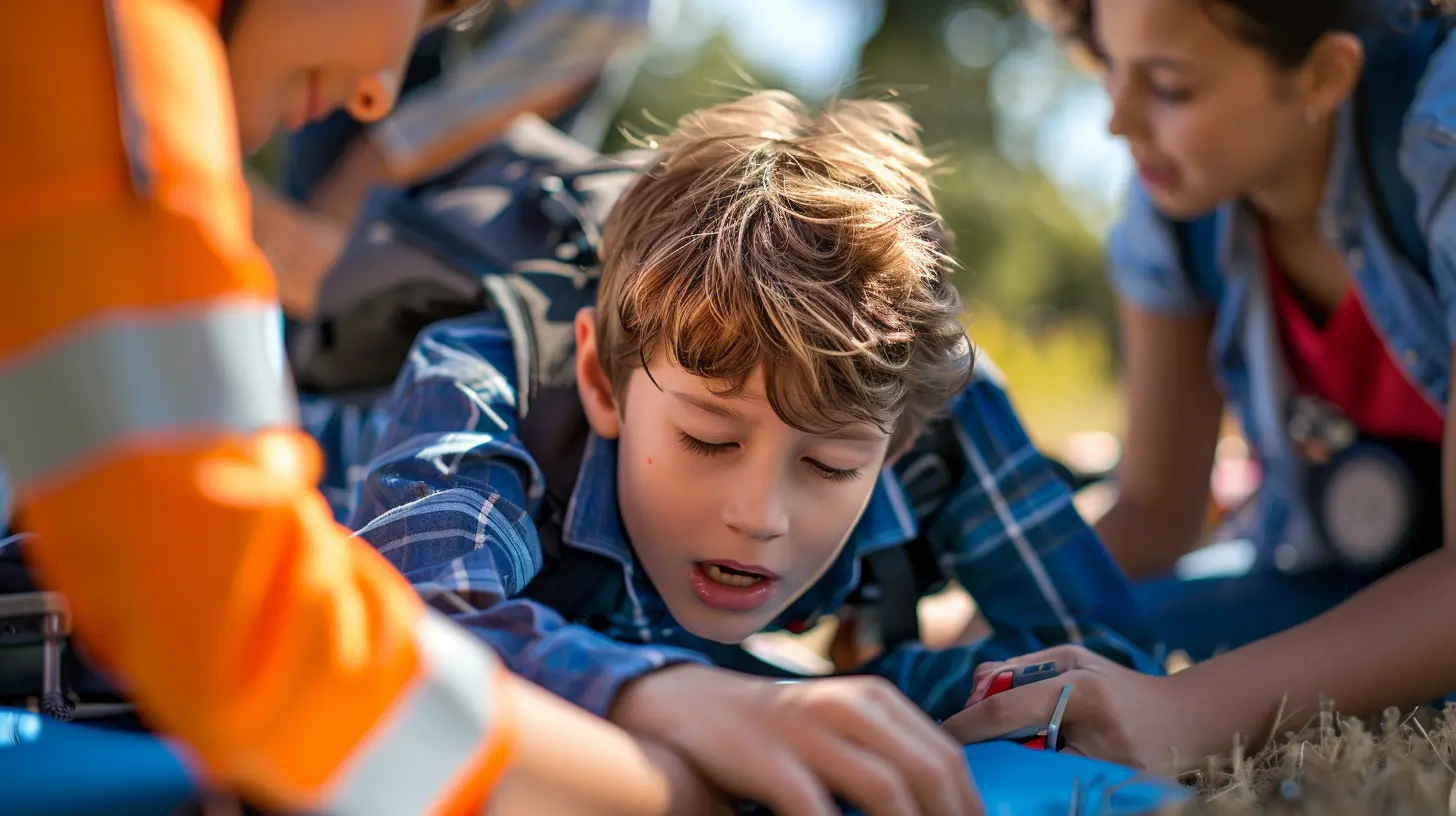
Yep, Students Should Learn, Too!
Now you might be thinking, “Wait a minute, kids learning first aid?”Absolutely. And no, we’re not expecting ten-year-olds to perform brain surgery. But age-appropriate training can be incredibly powerful.
🦸 Basic First Aid = Super Kids
Even young students can learn things like:- Calling emergency services
- Helping a friend who’s bleeding
- Staying calm in a scary situation
- Knowing when to get an adult (and fast!)
Imagine a fifth grader calmly helping a classmate through an asthma attack. That’s not just impressive—it’s potentially life-saving.
🧠 Teaches Responsibility and Empathy
First aid training teaches kids to care for others—to be alert, aware, and kind. It’s character-building in disguise.And honestly? It beats spending another hour memorizing the Pythagorean theorem.
Real-Life Scenarios That Happen More Often Than You Think
Still not convinced this training is essential? Let’s walk through a few totally possible school situations:1. A student faints during a fire drill
Trained teachers won’t panic. They’ll check responsiveness, ensure open airways, and put them in recovery position if needed.
2. A cafeteria peanut allergy episode
Staff with EpiPen training can administer it STAT and call paramedics.
3. Choking incident during lunch
A student trained in the Heimlich maneuver could literally save a peer’s life.
4. Playground fall = broken arm
Proper support and immobilization can prevent further injury, while trained staff comfort the child like total pros.
So What Should First Aid Training Include?
Solid question. Any program worth its salt should cover the basics, but also flexible enough to cover school-specific scenarios.Here’s what’s commonly included:
- CPR (child and adult)
- AED usage
- Choking protocols
- Wound care
- Burns, bites, and cuts
- Allergy and asthma responses
- Seizure response
- Diabetes awareness (hypo/hyperglycemia)
- Mental health first aid (increasingly important)
Pro tip: Look for courses tailored to school environments. There are full-day workshops, online refreshers, and even simulations to practice real-time responses.
Making First Aid Training a Standard in Schools
Alright, we’ve made the argument. Now how do we actually do the thing?📝 Make It Part of Professional Development
School districts can easily work first aid training into PD days. Invite certified trainers in, offer recertification every couple of years, and offer incentives for going above and beyond.💡 Empower Students With Clubs or Classes
Some schools are introducing health & wellness clubs or electives focused on basic medical knowledge. Hands-on stuff like CPR demos and first aid games? Trust us, it’s cooler than it sounds.🤝 Partner With Local Health Organizations
Local hospitals, Red Cross branches, and health departments often offer discounted (or even free) training for schools.🚨 Keep Kits & Tools Up-To-Date
A refresher here: Training only works if the tools are there. Make sure first aid kits are stocked and accessible, AEDs are checked, and emergency procedures are posted like classroom art.The Final Word (No Pressure, But Kinda A Lot Of Pressure)
Let's face it—first aid training shouldn't just be a “nice-to-have.” It should be as common in schools as pencils and morning announcements.It’s not just about slapping on a few band-aids or learning fancy acronyms. It’s about creating a culture of care, confidence, and calmness. It’s about teamwork, quick thinking, and being the person someone counts on when things go sideways.
So if you're a school admin, teacher, parent, or even a student reading this—consider the role you can play in bringing first aid training to your school. Because when it comes down to it?
You don’t have to be a superhero to save a life. Just be someone who’s prepared.
all images in this post were generated using AI tools
Category:
School SafetyAuthor:

Bethany Hudson
Discussion
rate this article
2 comments
Jamie Harmon
First aid training is crucial for both school staff and students. It equips them with essential skills to respond effectively in emergencies, potentially saving lives. Investing in this training fosters a safer school environment and promotes a culture of preparedness.
February 3, 2026 at 5:33 AM
Bethany Hudson
Thank you for highlighting the vital role of first aid training in schools! Your insights on its importance for safety and preparedness are spot on.
Myles McAllister
Essential skills that can save lives.
January 16, 2026 at 3:47 AM
Bethany Hudson
Absolutely! First aid skills empower everyone to respond effectively in emergencies, potentially saving lives and enhancing safety in school environments.