The Role of Literature and Storytelling in Environmental Education
2 August 2026
Imagine this: A child snuggled up with a book, reading about a brave squirrel saving its forest from deforestation. Or a group of students listening intently as their teacher tells a tale about a polluted river that was once the lifeline of a village. These aren’t just cute stories — they’re powerful learning tools. Literature and storytelling have a unique place in environmental education. They don't just present facts; they build emotional bridges between the learner and the natural world.
In this article, we’ll dive deep into how storytelling and literature can shape our mindsets, influence behavior, and foster an eco-conscious generation. Whether you're a teacher, parent, student, or just someone who loves stories and the environment, buckle up. It's going to be a wild (and green) ride.
Why Environmental Education Needs More Than Just Facts
So here’s the thing: facts alone don’t always stick. Sure, we all know that plastic pollution is bad, and climate change is real, but stats and graphs can only go so far. People, especially kids, connect with emotions, characters, and journeys. That’s where literature and storytelling come into play.They don’t just inform — they inspire.
Through stories, abstract environmental issues become personal. Instead of talking about “global warming,” you read about a polar bear struggling to find ice. It’s no longer just a statistic; it's a story with stakes.
Think About It This Way...
Would you remember a textbook explanation of deforestation? Or the tale of a young girl trying to save the last tree in her village? Most of us would go with the latter, right?That’s the magic of stories.
How Literature Shapes Our Environmental Values
From classic fables to modern eco-fantasy novels, literature has long been a tool to reflect on human-nature relationships. Books like The Lorax by Dr. Seuss or My Side of the Mountain by Jean Craighead George do more than entertain. They spark curiosity and empathy for nature.The Emotional Connection
Good stories make us feel. When readers empathize with characters — whether human, animal, or even plant — they start to care. And caring is step one in taking action.For instance, when students read about a river that dries up because of pollution, and they’re emotionally invested in the protagonist's struggle to restore it, they begin to understand the value of water conservation more deeply than any lecture could teach them.
Morals and Messages
Ever noticed how many stories come with a lesson?Fables and folklore are great at this. A tale about a greedy man who chops down the protective forest for profit — only to suffer when floods come — subtly teaches about sustainability and long-term thinking.
Literature wraps big ideas in simple packages. That’s gold for environmental education.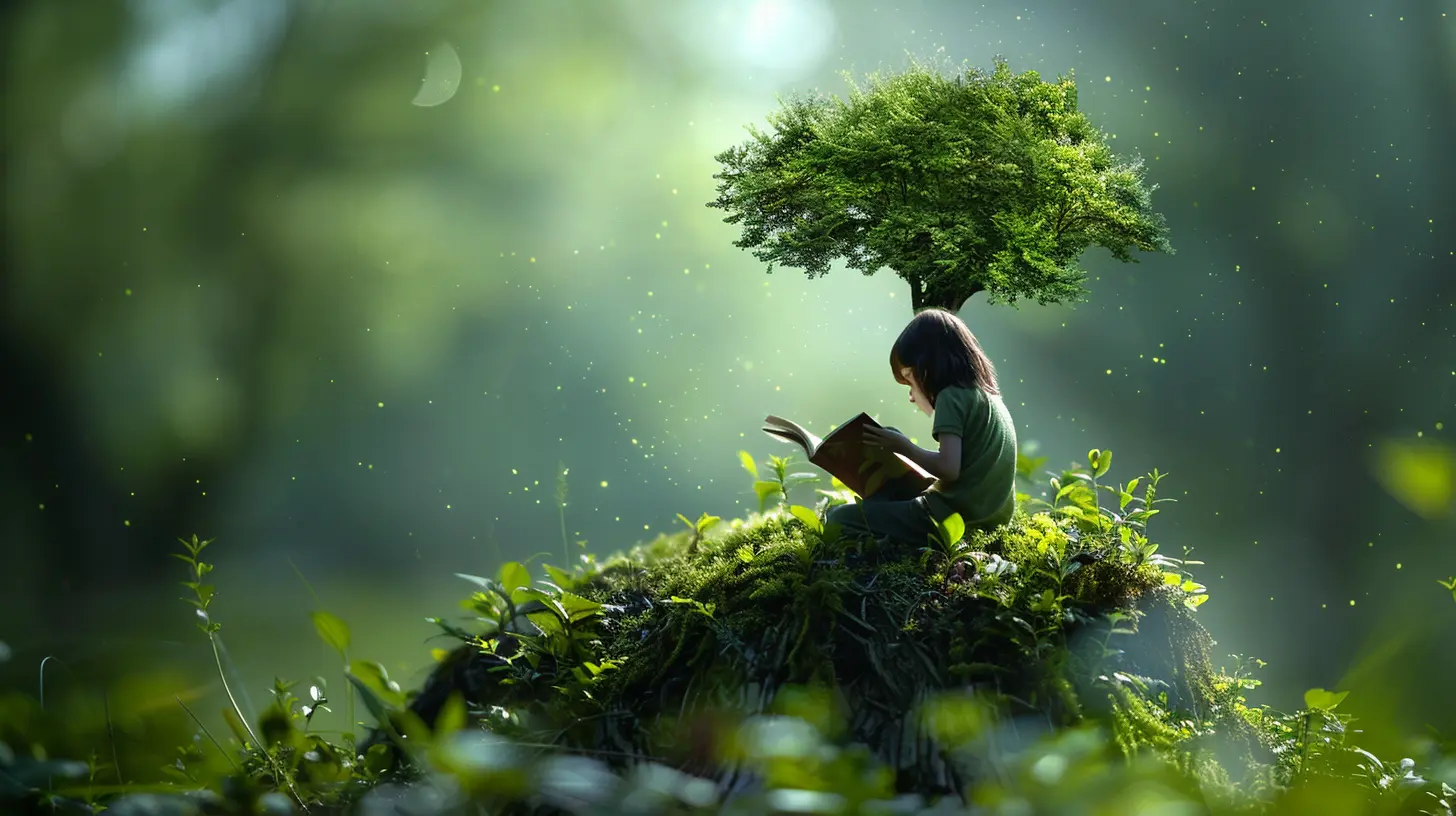
Storytelling: The Ancient and Powerful Teaching Tool
Before books, there were storytellers. Around fires, in villages, families passed down knowledge through stories. It’s one of the oldest forms of education and still one of the most effective.Why Stories Work
Our brains are wired for stories.According to neuroscience, stories activate more parts of our brain than plain facts. They stimulate areas responsible for emotion, memory, and sensory experience. So, when someone hears a story about a vanishing rainforest, they might actually visualize the trees, feel the urgency, and remember it much longer.
Oral Storytelling in Environmental Education
Imagine a teacher narrating a tale about the journey of a raindrop — from the sky to the river to the ocean and back again — to explain the water cycle. That’s way more engaging than just labeling a diagram.Or consider indigenous stories about the land and animals. These tales, often passed through generations, are packed with ecological wisdom. They show how people have lived sustainably for centuries.
By weaving traditional storytelling into classrooms, educators can blend cultural richness with environmental learning.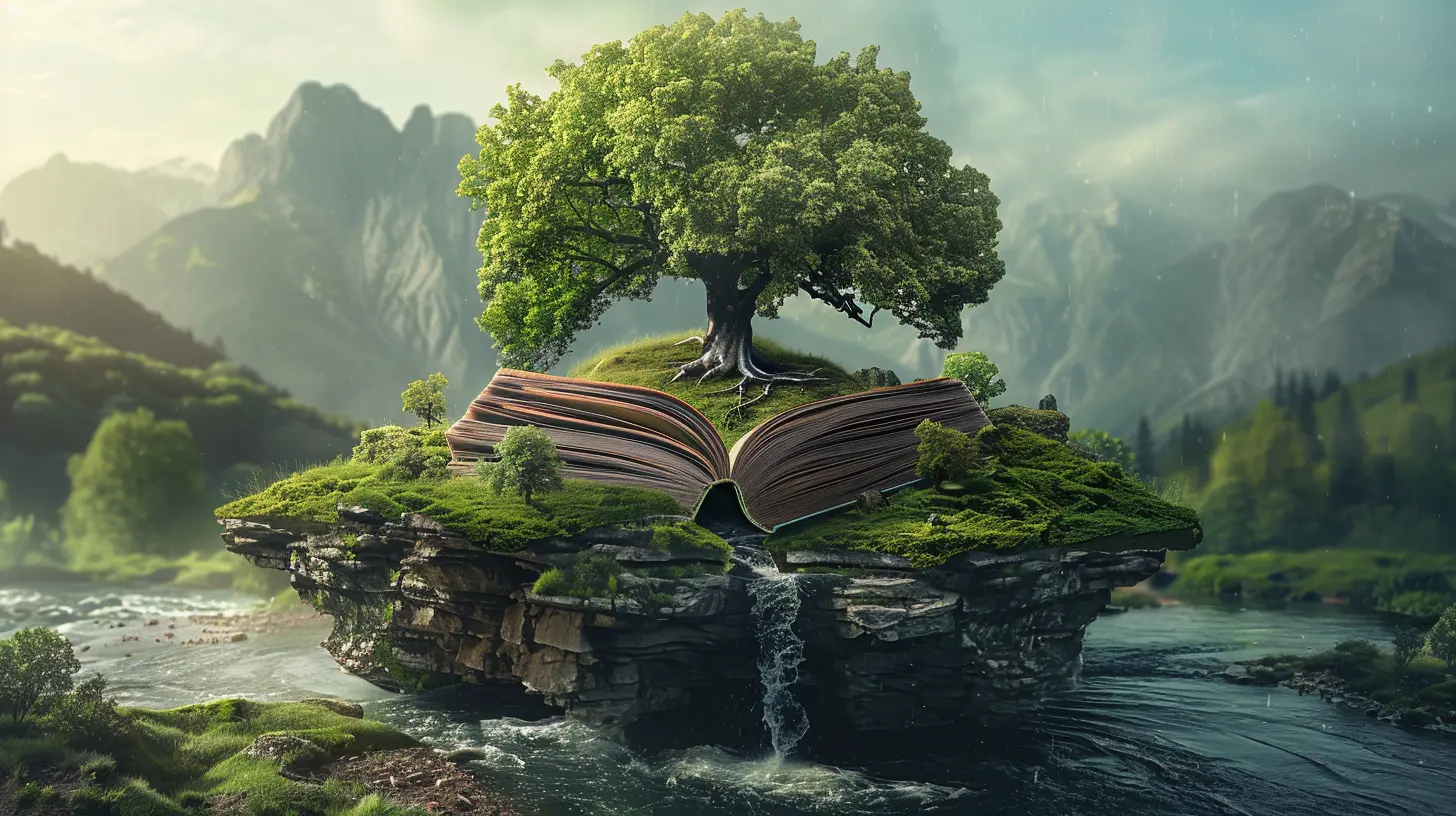
Modern Literature With Eco-Themes
Contemporary authors are catching on. Many books now have subtle (or not-so-subtle) environmental messages.Books like:
- Hoot by Carl Hiaasen (about saving owls from developers)
- The Overstory by Richard Powers (a sweeping tale of trees and interconnected lives)
- The Wild Robot by Peter Brown (a robot learning to live in the wild)
These stories captivate readers while nudging them to rethink their role in nature.
Young Adult and Children's Eco-Fiction
The younger the reader, the more impressionable the mind. That’s why eco-themed children's literature is on the rise.Books like The Water Princess (dealing with water scarcity in Africa) or Greta and the Giants (inspired by environmental activist Greta Thunberg) blend storytelling with activism. Kids absorb the underlying messages while enjoying the adventure.
Literature in the Classroom: Practical Approaches
Okay, so we know stories are powerful. But how do we actually use them in environmental education?Here are a few hands-on ideas:
1. Eco-Themed Book Clubs
Host monthly reading circles focused on environmental books. Let students discuss themes like conservation, waste, and climate impact.2. Story Writing Projects
Encourage students to write their own environmental stories. Whether it's about rescuing endangered animals or cleaning up a polluted lake, this activity taps into creativity and reinforces lessons.3. Cross-Curricular Connections
Pair literature with science.For example, after reading a story about coral reefs, dive into a science lesson on marine biodiversity. This approach helps students see the real-world connections behind the fiction.
4. Storytelling Days
Let students retell indigenous, folk, or original eco-stories. Make it interactive. Include props, puppets, or drawings. Not only is it fun, but it also boosts retention.Digital Storytelling: The New Frontier
In today’s tech-driven world, stories aren’t limited to printed books or oral tales. Digital storytelling — using videos, apps, podcasts, and games — brings a fresh, dynamic dimension to environmental education.Examples of Digital Eco-Storytelling
- Animated short films on pollution or climate change- YouTube channels with narrated environmental stories
- Interactive story-based games where choices affect the environment
These formats hit the sweet spot — they’re engaging, accessible, and ideal for digital-native kids.
The Ripple Effect: Changing Attitudes and Actions
Let’s not forget the goal here. We're not just telling stories for fun (though that’s a perk). The bigger aim? Shaping mindsets that lead to real-world action.Inspiring Change Through Empathy
When students emotionally invest in characters affected by deforestation, water scarcity, or species extinction, they begin to care. And when people care, they act — they recycle, conserve water, plant trees, and even speak out against harmful policies.Creating Environmental Leaders
Many young environmentalists started with a story. That one book or tale that opened their eyes to nature’s beauty and vulnerability. Literature and storytelling light that first spark.Challenges and Considerations
Of course, nothing’s perfect. There are a few things to keep in mind:1. Representation Matters
We need diverse voices and stories. Environmental narratives should include perspectives from indigenous communities, underrepresented regions, and people most affected by climate change.2. Avoiding Eco-Anxiety
Too many doom-and-gloom stories can overwhelm rather than inspire. It’s important to strike a balance — highlight environmental problems, yes, but also solutions and hope.3. Accessibility and Inclusion
Make sure stories are accessible to all — including students with learning differences or those who speak different languages. Audiobooks, visual narratives, and translations can help.Final Thoughts
When it comes to environmental education, literature and storytelling aren’t just “nice extras.” They’re essential tools. They make complex issues relatable, stir empathy, and spark action. The goal isn’t just to fill young minds with facts — it’s to fill their hearts with love for the planet.So the next time you're thinking about how to teach environmental awareness, maybe skip the textbook — and tell a story instead.
all images in this post were generated using AI tools
Category:
Environmental EducationAuthor:

Bethany Hudson
Discussion
rate this article
1 comments
Zealot Clarke
Storytelling deepens connection to nature, making environmental education more engaging and impactful.
August 11, 2026 at 11:39 AM
Bethany Hudson
I completely agree. Storytelling brings nature to life, creating a personal connection that inspires action and understanding in environmental education.