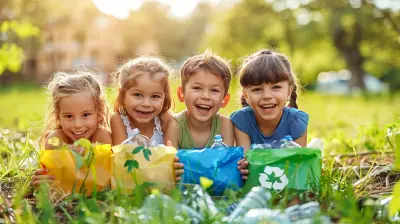
The Role of Teachers in Promoting Environmental Stewardship
26 January 2026
Let’s face it — our planet's not doing so great right now. Climate change, pollution, deforestation — it’s a long and growing list. But here’s the good news: we’re not powerless. And when it comes to shaping how the next generation sees and treats the environment, teachers are absolute game-changers.
In fact, teachers aren’t just educators. They’re role models, influencers, and sometimes the first point of contact children have with environmental issues. They hold the key to instilling the values of environmental stewardship in young minds. So, let's dive deep into what that actually means and why it's such a big deal.
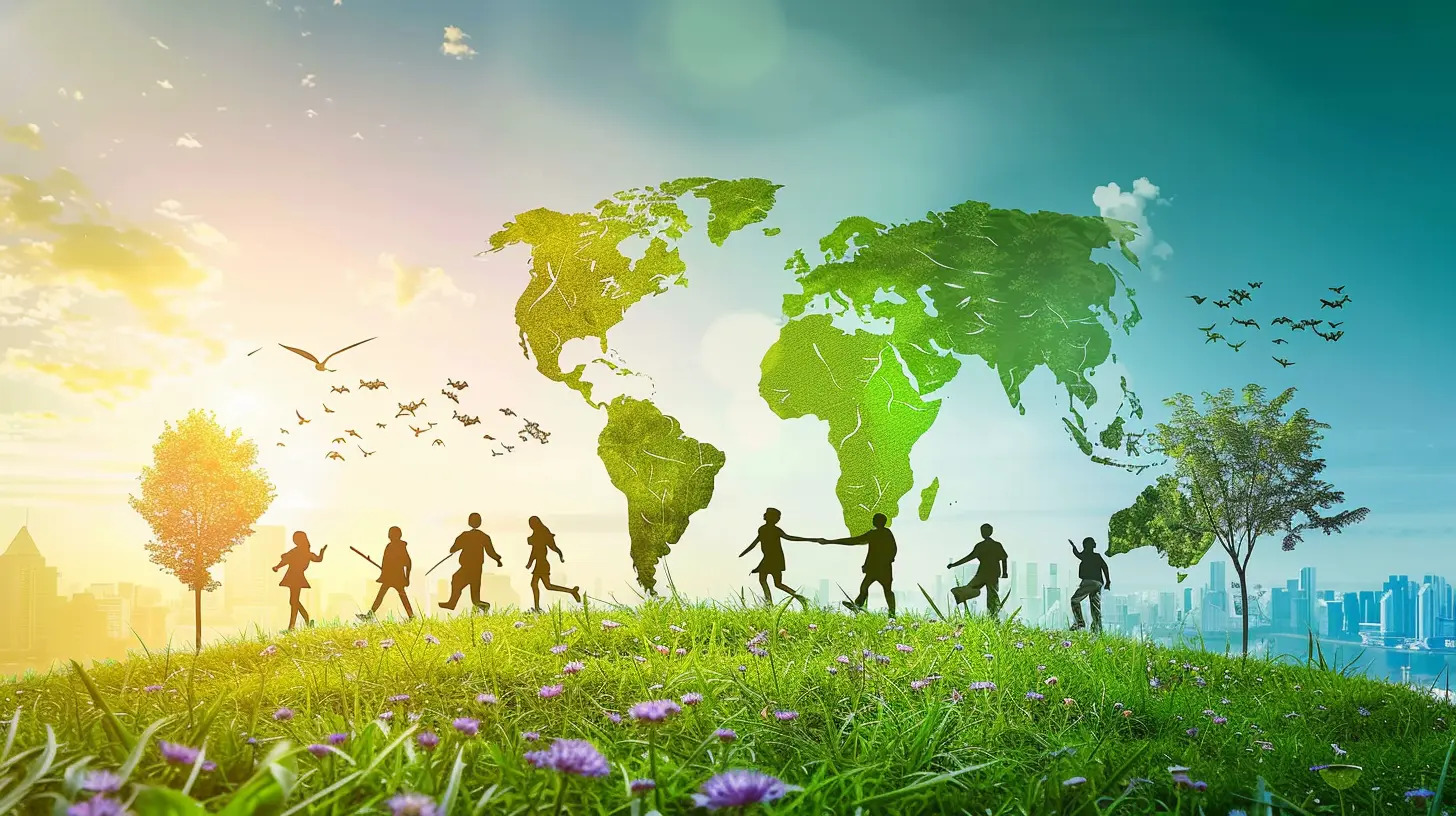
What Even Is Environmental Stewardship?
Before we talk about the role teachers play, let’s clear up what “environmental stewardship” actually means. In simple terms, it’s about taking responsibility for the environment. It means understanding how our actions impact the Earth and making everyday choices that reduce harm — like recycling, conserving water, or planting trees.It's not just a one-time thing, either. Environmental stewardship is about building a lifestyle that respects and protects nature. And that mindset? It starts young.

Why Teachers? Why Not Parents or the Internet?
Sure, parents play a big role. And yes, kids today can Google just about anything. But there’s a huge difference between reading a fact and truly understanding it.That’s where teachers come in. They don't just throw facts at students — they guide them through critical thinking, discussion, and hands-on learning. They're trusted voices in a child's life. And unlike random influencers on YouTube, teachers can shape long-term attitudes and behaviors.
Plus, teachers reach a whole classroom of future decision-makers. That influence multiplies over time. Imagine if every teacher inspired just 25 students a year to care about the planet. That’s a classroom revolution.
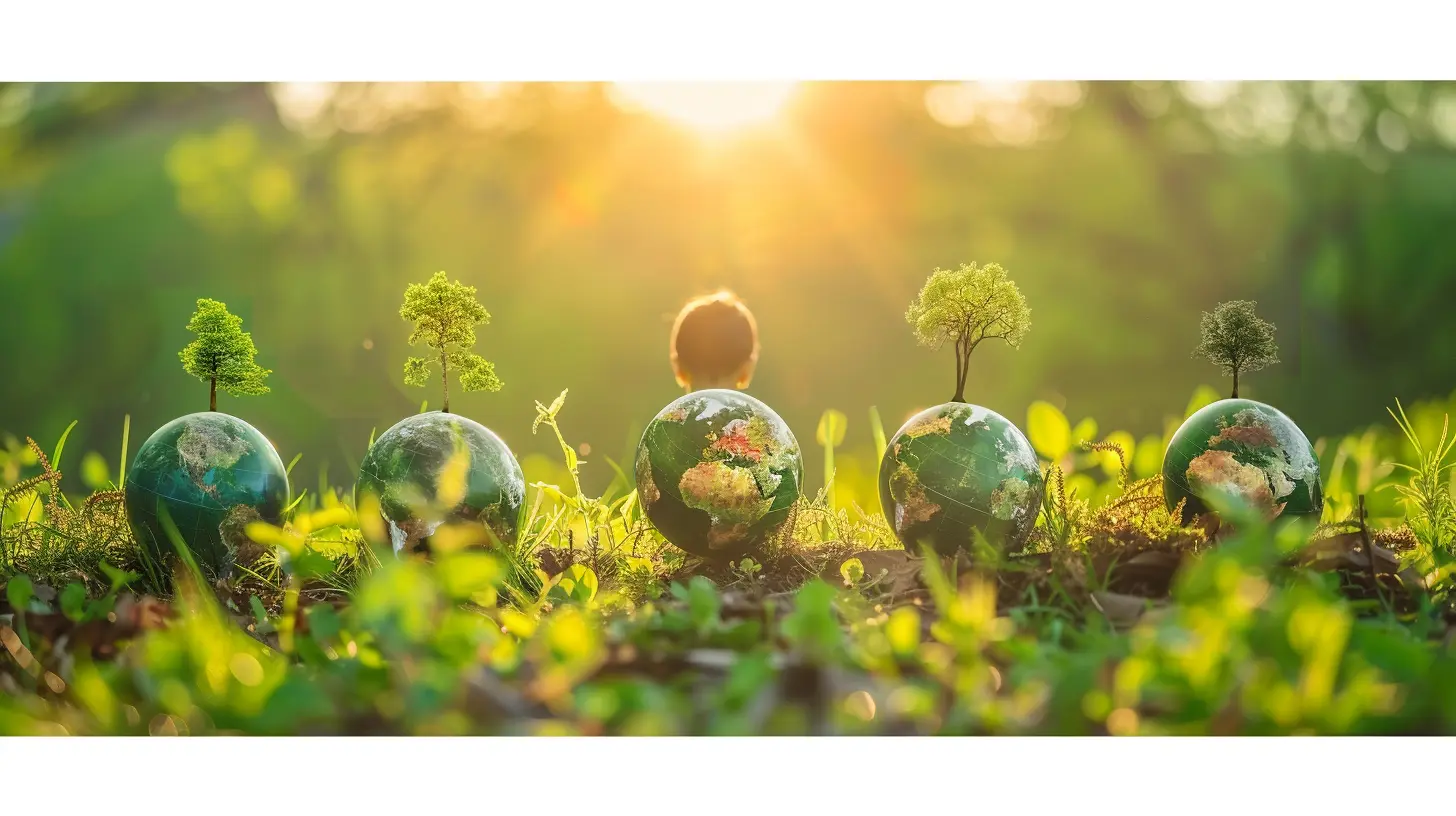
Building Awareness from the Ground Up
You can’t protect what you don’t understand, right?One of the first things teachers do to promote environmental stewardship is build awareness. They help students understand the big-picture issues — like global warming, endangered species, and sustainable living. But they also zoom in on local problems that hit closer to home, like litter in the schoolyard or polluted rivers nearby.
By connecting global issues with local experiences, teachers make it real. And when kids "get it," they’re much more likely to care.
Real Talk: Not Every Lesson Has to Be Earth Day
Let’s clear one thing up — environmental education isn’t just for Earth Day.Great teachers weave sustainability into all kinds of subjects, not just science class. In English, students might write persuasive essays on climate action. In art, they might reuse materials to create eco-projects. Math? Think data on carbon footprints.
This cross-curricular approach keeps the topic alive all year long. Because let’s be honest — caring for the planet isn’t a one-day-a-year responsibility.

Leading by Example
Talk is cheap, right?If teachers only preach about protecting the Earth but waste paper like it’s 1999, kids notice. That’s why one of the most powerful things a teacher can do is lead by example.
Simple habits like using reusable coffee mugs, turning off lights when leaving the room, or organizing a classroom recycling system speak volumes. Actions shout louder than PowerPoint slides.
And when students see someone they admire walking the talk, they’re much more likely to follow suit.
Encouraging Critical Thinking
Environmental problems are rarely black and white. Should we build more wind farms if they disrupt bird habitats? Is electric car production truly sustainable?These aren’t easy questions — and that’s the point.
Teachers help students ask tough questions and think critically about complex issues. They don’t just spoon-feed answers; they challenge students to explore pros and cons, evaluate sources, and engage in respectful debates.
This skill set is crucial. Because environmental stewardship isn’t just about doing what's trendy today — it’s about making informed, ethical decisions for a lifetime.
Creating Hands-On Learning Opportunities
Let’s be real: lectures can only go so far.Nothing sticks quite like getting your hands dirty — literally. That’s why great educators bring environmental education to life through projects and experiences. Think:
- School gardens
- Tree-planting drives
- Clean-up days
- Composting in the cafeteria
- Energy audits of school buildings
These experiences make the abstract real. Students actually see the impact of their actions, which builds a deeper, more personal connection to the environment.
Making It Relevant to Students’ Lives
Want students to care? Show them how environmental issues affect their own lives.Good teachers make these connections every day. They talk about air pollution in cities and link it to asthma. They connect rising food prices to drought and crop failure. They show how plastic waste can harm marine life — including the fish we eat.
When students realize it’s not just “the planet" that’s at risk, but their health, food, and future jobs — they start paying attention.
Encouraging Student-Led Initiatives
Students thrive when they feel empowered.Teachers who promote environmental stewardship often create space for student-led green projects. Maybe it’s launching a recycling club or leading a campaign to ban plastic bottles at school. Perhaps it's organizing a climate march or creating educational videos for younger students.
When students take the lead, the message hits harder — especially with their peers. And honestly? It boosts confidence and leadership skills, too.
Partnering With the Community
The classroom is just the starting point. Many educators take it further by partnering with local environmental groups, community gardens, nature centers, or city clean-up crews.These partnerships connect students to real-world activism. They get to see what careers in sustainability look like and meet passionate people who are making a difference.
Plus, working together builds a sense of community — which is what environmental stewardship is all about.
Teaching Hope, Not Doom
Let’s be honest — environmental news is often pretty bleak. Melting ice caps, burning forests, species going extinct… it's easy to feel overwhelmed.But great teachers know it’s not just about presenting the facts. It’s about balancing honesty with hope.
They acknowledge the challenges — without sugarcoating — but they also spotlight the progress. Innovative solutions, youth movements like Fridays for Future, renewable energy developments — there’s a lot of good happening, too.
By showing students they can be part of the solution, teachers help turn eco-anxiety into action.
Overcoming the Challenges
Of course, promoting environmental stewardship in schools isn’t always easy. Teachers face plenty of obstacles:- Tight curriculums with little room for extra content
- Limited school budgets for green projects
- Lack of support or understanding from school leadership
- Resistance from communities with different views
But the best teachers find a way. They advocate for change, find creative workarounds, and build small wins that lead to bigger impacts. Even starting with small class discussions or simple projects can snowball over time.
The Ripple Effect Is Real
One lesson. One project. One inspired student. That’s all it takes to start a ripple effect.Maybe that student goes home and teaches their family about composting. Maybe they grow up and work in environmental law, sustainable design, or wildlife conservation. Or maybe they just grow up with a stronger respect for the world around them.
The point is, teachers plant seeds. Seeds of curiosity, compassion, and commitment. And the roots? They run deep.
Final Thoughts: Teaching Today, Protecting Tomorrow
At the end of the day, teachers aren’t just preparing students for tests. They’re preparing them for life. And life on a changing planet demands awareness, responsibility, and action.By promoting environmental stewardship, teachers are shaping not just better students — but better citizens of the Earth.
If you're a teacher reading this, know this: what you say and do in your classroom truly matters. You have the power to be the spark that lights a lifelong passion for protecting the planet.
And if you’re not a teacher? Maybe just take a moment to thank one — because their role in securing a sustainable future is bigger than we often realize.
all images in this post were generated using AI tools
Category:
Environmental EducationAuthor:

Bethany Hudson
Discussion
rate this article
2 comments
Remington Bell
Teachers are crucial in fostering environmental stewardship, instilling values of sustainability and responsibility in students, and empowering the next generation to be proactive guardians of our planet.
February 16, 2026 at 4:06 AM
Bethany Hudson
Thank you for your insightful comment! I completely agree that teachers play a vital role in shaping environmentally conscious individuals who can lead the charge for a sustainable future.
Jemima Thompson
Absolutely! Teachers are like eco-superheroes, inspiring the next generation to love and protect our planet! With their guidance, students can transform into green warriors, ready to tackle environmental challenges one recycled project at a time! 🌍💚
January 28, 2026 at 6:01 AM
Bethany Hudson
Thank you for your inspiring comment! Teachers truly empower students to embrace sustainability and become passionate advocates for our planet. 🌱